
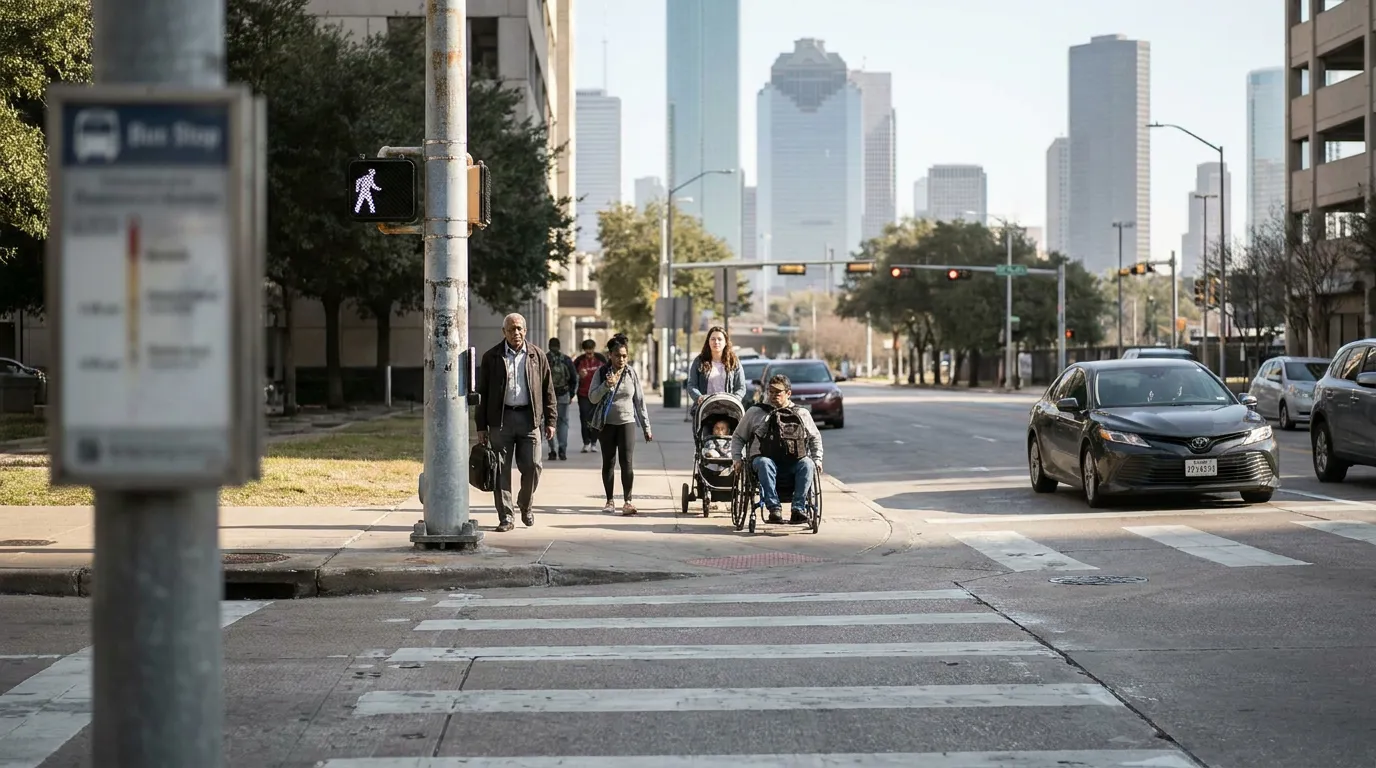
Your Next Steps After a Pedestrian Crash in Houston
Key Takeaways: If a car hits you while you are walking in Houston, call 911, get medical care right away, collect the driver’s information and witness contacts, and photograph the scene. Texas law requires drivers in injury crashes to share their information and give reasonable help. Drivers must generally yield to pedestrians in crosswalks and on sidewalks crossing driveways, and must use due care even when a pedestrian does not have the right-of-way. Insurers often try to blame the pedestrian. Under Texas’s proportionate responsibility rules, you may still recover if you are 50 percent or less at fault, though your share of fault reduces your award. Compensation may come from the driver’s liability policy, your own uninsured or underinsured motorist coverage, or commercial policies. Most claims must be filed within two years, and claims against government entities can require notice much sooner, so talk to an experienced attorney early.
Getting hit by a car while walking can turn an ordinary day into a frightening, painful ordeal in seconds. Getting medical care, collecting the driver’s information, keeping evidence, and being careful with insurance companies can help protect your health and your right to compensation. Insurers often try to shift blame onto the injured person, so it matters to know your rights early.
If you or someone you love was injured, you do not have to handle this alone. At Payne Law Firm, we treat our clients like family and offer personal guidance from the first conversation. Call 713-223-5100 or schedule your free consultation to talk about your options.
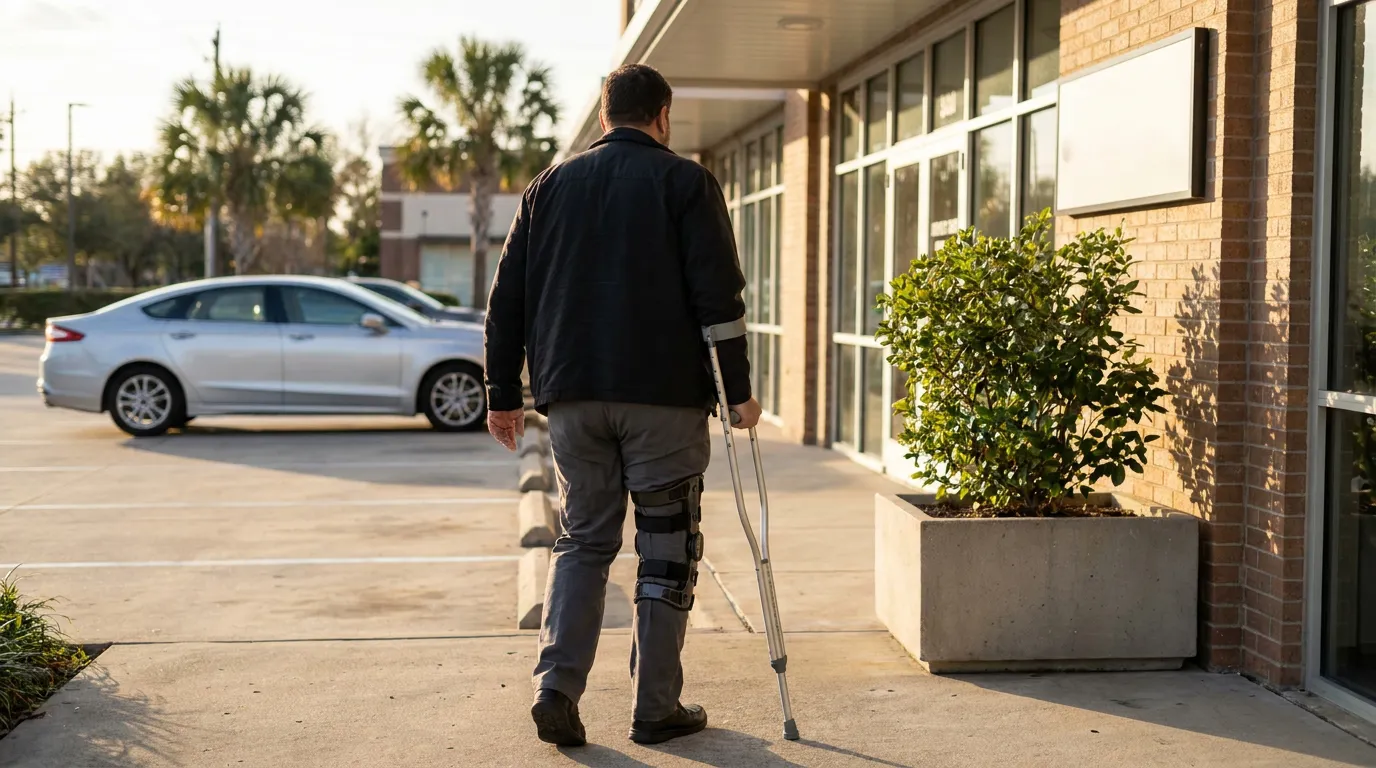
Steps to Take Right After Being Hit by a Car While Walking
The moments after a pedestrian accident in Houston are confusing, but a few actions can make a big difference later. Your safety comes first. When you are able, focus on these steps:
- Call 911 so police and emergency medical services come and make an official report.
- Get the driver’s information, including name, address, vehicle registration number, and insurance company.
- Photograph the scene, including crosswalks, traffic signals, vehicle damage, skid marks, and your injuries.
- Collect witness names and phone numbers before people leave.
- Get medical care right away, even if your injuries seem minor.
- Avoid giving recorded statements to the driver’s insurer before you understand your rights.
The Driver Has Legal Duties at the Scene
Texas law requires drivers in injury crashes to share information and help. Under Tex. Transp. Code § 550.023, a driver in a collision that injures or kills someone must give their name, address, vehicle registration number, and liability insurer to any injured person or other driver involved. If asked, the driver must also show a driver’s license.
The same law requires the driver to give reasonable help. That includes taking or arranging a ride to a doctor or hospital if the injured person clearly needs treatment or asks for it. A driver who leaves without meeting these duties may face criminal charges under Tex. Transp. Code § 550.021. A hit-and-run can also change how you pursue compensation.
Why Medical Records Matter
Prompt medical treatment can protect your health and create a record linking your injuries to the crash. Some serious injuries, such as traumatic brain injuries or internal bleeding, may not show symptoms right away. Insurers often point to gaps in treatment to argue that an injury came from something else or is not serious.
💡 Pro Tip: Keep a simple daily journal of your pain levels, missed workdays, and activities you can no longer do. These notes can help show losses like pain and suffering that medical bills alone may not capture.
How Texas Right-of-Way Laws Protect Pedestrians
Texas pedestrian laws set clear duties for drivers and also set rules for pedestrians. Chapter 552 of the Texas Transportation Code pedestrian rules governs who must yield in many common Houston situations.
Crosswalks With and Without Signals
When a "Walk" signal appears, a pedestrian may cross in the direction of the signal, and drivers must yield the right-of-way. Under Tex. Transp. Code § 552.002, pedestrians may not start crossing against a "Don’t Walk" or "Wait" signal. Anyone who has partly crossed when the signal changes should keep going to a sidewalk or safety island.
Where no traffic signal is in place or working, Tex. Transp. Code § 552.003(a)-(c) requires drivers to stop and yield to pedestrians in a crosswalk. This applies when the pedestrian is on the driver’s half of the road, or is coming so close from the other half that they are in danger. A pedestrian also may not suddenly leave a curb and walk or run into the path of a vehicle so close that the driver cannot yield.
A newer Texas law also protects "sidewalk users" in crosswalks. Tex. Transp. Code § 552.0035, in effect since September 1, 2025, applies a similar duty to yield to sidewalk users, such as people using personal mobility devices. Sidewalk users may not dart into a crosswalk or enter it too fast, and a speed over 8 mph counts as evidence that the speed is not reasonable.
Driveways, Parking Lots, and Sidewalks
Many Houston pedestrian injuries happen near driveways, parking lots, and business entrances. Under Tex. Transp. Code § 552.006, a driver entering or leaving an alley, building, or private road or driveway must yield to a pedestrian on a sidewalk that crosses it. Where there is no sidewalk, pedestrians should walk on the left side of the road or its shoulder, facing oncoming traffic, if possible.
Drivers Must Use Due Care in Every Situation
Even when a pedestrian does not have the right-of-way, Texas drivers still owe a duty of care. Tex. Transp. Code § 552.008 requires every driver to take due care to avoid hitting a pedestrian on the roadway and to honk a warning when needed. Drivers must take proper precautions when they see a child or a person who seems confused or incapacitated.
Texas law also adds penalties when failing to yield harms vulnerable people. Under Tex. Transp. Code § 552.003(d)-(e), if failure to yield at a crosswalk seriously injures or kills a visually impaired or disabled person, the driver commits a misdemeanor, with a fine of up to $500 and possible community service. Criminal penalties are separate from a civil injury claim, but a traffic violation may support a negligence argument.
When Insurers Claim the Pedestrian Was at Fault
Insurance companies often argue that an injured pedestrian shares the blame so they can reduce or deny payment. A common target is Tex. Transp. Code § 552.005, which requires a pedestrian crossing outside a marked crosswalk, or outside an unmarked crosswalk at an intersection, to yield to vehicles.
Texas follows a proportionate responsibility system, which means shared fault does not always end your claim. Under Tex. Civ. Prac. & Rem. Code Chapter 33, including §§ 33.001 and 33.012, an injured person cannot recover if a court finds them more than 50 percent responsible. If your share is 50 percent or less, your percentage of fault reduces your recovery. Scene photos, video, and witness accounts matter greatly.
💡 Pro Tip: Nearby businesses and homes may have security or doorbell cameras that captured the crash. These systems often record over footage within days or weeks, so ask quickly.
Insurance Coverage and Compensation Available
The driver’s liability insurance is often the first source of compensation after a pedestrian accident. Under Tex. Transp. Code § 601.072, Texas drivers must generally carry at least 30/60/25 coverage.
| Coverage Type | Texas Minimum |
|---|---|
| Bodily injury per person | $30,000 |
| Bodily injury per accident | $60,000 |
| Property damage per accident | $25,000 |
These minimums often fall short when injuries are serious. Other sources may include your own uninsured or underinsured motorist coverage, personal injury protection, or a commercial policy if the driver was working. Rideshare crashes add more layers, which we explain in our guide on rideshare pedestrian accidents in Houston. Damages may include medical bills, lost income, reduced earning power, and pain and suffering.
Deadlines That Can Affect Your Claim
Texas generally gives injured people two years from the date of the injury to file a personal injury lawsuit. This deadline comes from Tex. Civ. Prac. & Rem. Code § 16.003. For wrongful death claims, the two years generally runs from the date of death. Exceptions, such as when the injured person is a minor, may pause the deadline, but courts apply them narrowly.
Claims involving government entities can have much shorter notice deadlines. If a government vehicle hit you, or a dangerous road condition played a role, the Texas Tort Claims Act generally requires written notice within six months, and city charters, including Houston’s, may require notice even sooner.
How a Houston Pedestrian Accident Attorney Can Help
An attorney can handle the investigation and insurance talks while you focus on healing. That may include gathering police reports and video, interviewing witnesses, working with medical providers, and pushing back against unfair blame. If the insurer does not offer a fair settlement, your attorney can prepare the case for trial.
Attorney Jason E. Payne is Board Certified in Personal Injury Trial Law by the Texas Board of Legal Specialization and has served injured people for more than 20 years. Speaking with a hit by a car while walking lawyer can help you understand your options before you make decisions that affect your claim.
Frequently Asked Questions
1. What should I do if the driver who hit me drove away?
Call 911 right away and give police every detail you remember about the vehicle and driver. Look for witnesses and nearby cameras. Your own uninsured motorist coverage may help pay for your losses, and some policies require you to report hit-and-run claims quickly.
2. Can I still recover if I was not in a crosswalk?
You may still be able to recover, depending on the facts. Tex. Transp. Code § 552.008 requires drivers to use due care even when a pedestrian does not have the right-of-way. If your fault is 50 percent or less, your share reduces your recovery rather than barring it.
3. Should I talk to the driver’s insurance company?
An adjuster may contact you quickly and ask for a recorded statement. The insurer can use your statements to shrink your claim. It is generally wise to speak with a lawyer before giving any detailed statement or signing documents.
4. How long do I have to file a pedestrian accident lawsuit in Texas?
You must file most personal injury claims in Texas within two years under Tex. Civ. Prac. & Rem. Code § 16.003. Claims against government entities may require notice much sooner.
5. What if my loved one was killed in a pedestrian accident?
Under the Texas Wrongful Death Act, the surviving spouse, children, and parents of the person who died may be able to bring a wrongful death claim. These claims can seek compensation for lost financial support, emotional loss, and loss of companionship. The estate may bring a separate survival claim for costs such as funeral expenses.
Protecting Your Recovery Starts Today
Knowing what to do after a pedestrian accident can help protect both your health and your legal rights. Insurers may try to shift blame, but Texas law places real duties on drivers to yield and use due care.
You deserve a legal team that listens and fights for you. Payne Law Firm has helped over a thousand injured people and families pursue the compensation they deserved, and we treat every client like family. Call 713-223-5100 or contact us today for a free consultation.
Disclaimer: This content is for informational purposes only and is not legal advice. Every case is unique, and results may vary. Consult an attorney about your specific circumstances.