
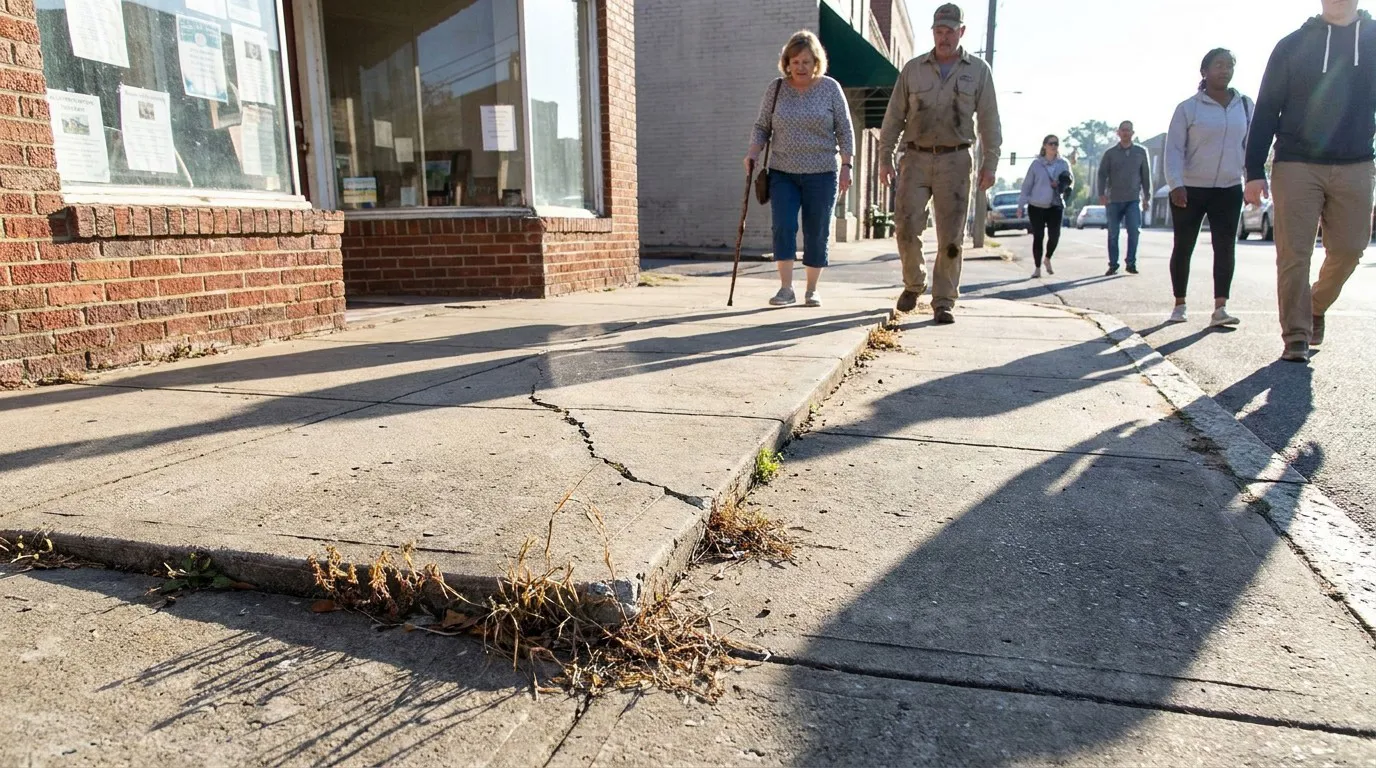
When the Hazard Was in Plain Sight: Your Rights After a North Carolina Fall
Key Takeaways: A property owner may blame you for falling over an easy-to-see hazard, but that defense does not automatically defeat your claim in North Carolina. The open and obvious rule mainly limits the duty to warn. Whether a hazard was truly obvious often depends on lighting, distractions, and how well it blended in, and a jury often decides. Because North Carolina follows pure contributory negligence, even slight fault can bar recovery. However, under N.C. Gen. Stat. § 1-139, the owner generally has to prove you were careless. Your status on the property matters too. Owners generally owe lawful visitors reasonable care, while trespassers have limited rights, with exceptions such as certain protections for children. Photos, witness accounts, incident reports, and medical records can help you fight back. You must file most claims within three years, and claims involving government property may follow separate steps.
Yes, a property owner may blame you for a fall if the hazard was easy to see, but that does not automatically end your claim. In North Carolina, insurers and defense lawyers often rely on the open and obvious rule to argue that you should have noticed a spill, a broken step, or a pothole. Whether that works depends on the facts. How visible was the hazard? Was something distracting you? Did the owner have a fair chance to fix it or warn you? North Carolina’s strict contributory negligence rule raises the stakes, so understand these defenses before you speak with an insurance adjuster.
If you or someone you love was hurt and now feels blamed for the fall, you do not have to sort this out alone. At Payne Law Firm, we treat our clients like family and offer personal guidance in free consultations. Call 704-529-9000 or contact us now to talk about what happened.
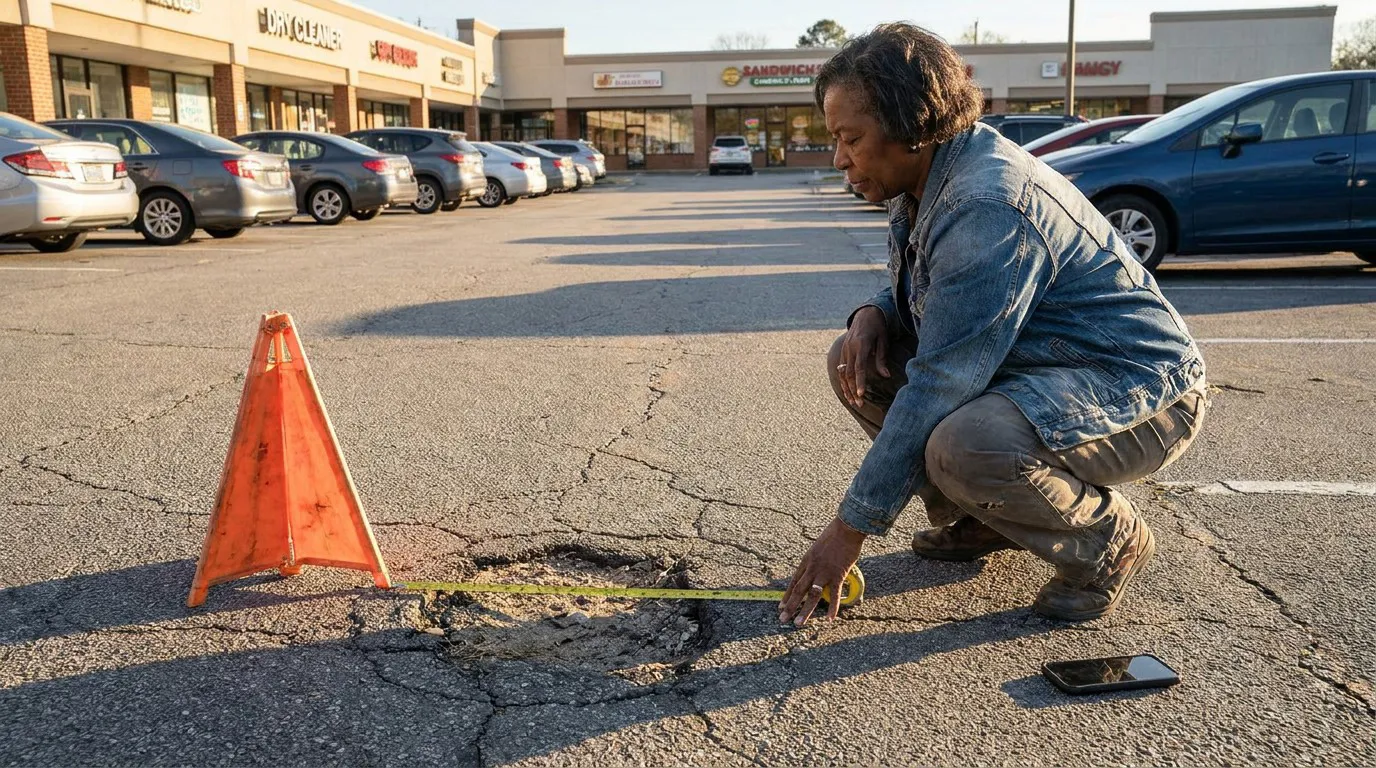
How the Open and Obvious Rule Works in North Carolina
The open and obvious rule generally excuses a property owner from warning visitors about dangers that a reasonable, careful person would notice. Defense lawyers often use it to try to get slip-and-fall cases thrown out early.
The rule has limits, and North Carolina courts may look closely at the facts. A hazard you could technically see may still not be "obvious" if it blends into the floor, sits in poor lighting, or is hidden by a crowd or a store display. When reasonable people could disagree, a jury often decides. The rule mainly affects the duty to warn. It may not excuse an owner who failed to repair a condition it knew about or should have found through reasonable inspections.
Why "Easy to See" Is Often Disputed
A hazard that looks obvious in a photo taken after the fall may not have been obvious in the moment. Many injured visitors were looking at shelves, carrying a child, or watching for cars. Courts may consider these distractions, especially when the owner created them or could have expected them.
Some of the most common hazards are the hardest to notice. Clear liquids on shiny tile, a slight change in floor height, and dim stairwells often lead to serious injuries. You can read more about common slip-and-fall causes across the state.
Contributory Negligence: Why Blame Matters So Much in NC
North Carolina is one of the few states that still follow pure contributory negligence. Under this rule, if a court finds you even slightly at fault, you may recover nothing. Most states instead use comparative fault, which reduces the award by your share of the fault.
That is why the claim that you "should have seen it" is often really a contributory negligence argument. Courts may look at whether your failure to notice the condition helped cause your injury, and at what reasonable care required in that setting. You generally do not have to keep your eyes on the ground at every moment.
Who Has to Prove You Were Careless
The property owner, not you, generally has to prove contributory negligence. Under N.C. Gen. Stat. § 1-139, a party that raises contributory negligence as a defense must prove it.
This burden can make a real difference. Statements, security video, lighting conditions, and witness accounts may help show that you acted reasonably. The "last clear chance" rule may also matter in some cases, and contributory negligence generally does not bar recovery when the owner acted willfully or wantonly.
💡 Pro Tip: Insurance adjusters may ask recorded questions such as "Were you looking where you were going?" They could later use your answers to claim you admitted fault, so consider talking to a lawyer before giving a recorded statement.
Your Status on the Property Shapes the Care NC Owners Owe
The care a property owner owes you depends on why you were on the property. North Carolina no longer separates invitees from licensees. Owners generally owe customers, guests, tenants, and other lawful visitors reasonable care, which may include reasonable inspection, repair, and warning about hidden dangers. The Trespasser Responsibility Act treats trespassers very differently.
North Carolina law defines a trespasser narrowly. Under N.C. Gen. Stat. § 38B-4(3), a trespasser is a person who enters another’s property without license, invitation, or other right. Shoppers and invited guests are generally not trespassers. A visitor who goes beyond the area or purpose of their permission may lose lawful visitor status.
| Visitor Type | General Duty Owed | Key Law |
|---|---|---|
| Customer, guest, tenant, or other lawful visitor | Reasonable care under the circumstances | Common law (depends on the facts) |
| Adult trespasser | Generally no duty, with some exceptions | N.C. Gen. Stat. § 38B-2 |
| Child trespasser (artificial condition) | Possible liability if the law’s conditions are met | N.C. Gen. Stat. § 38B-3(2) |
Limits on Trespasser Claims and Their Exceptions
Under the Trespasser Responsibility Act, an owner, lessee, or occupant generally owes no duty of care to a trespasser, except as provided in N.C. Gen. Stat. § 38B-3. Under § 38B-3, an owner may still be liable for:
- Willful or wanton conduct, or harming a trespasser on purpose
- Failing to use ordinary care toward a trespasser after finding that person in danger
- Certain injuries to children caused by artificial conditions, when the law’s requirements are met
Children and Visible Hazards
North Carolina law recognizes that children do not see danger the way adults do. Under N.C. Gen. Stat. § 38B-3(2)(c), one requirement for a child trespasser’s claim involving an artificial condition, such as a swimming pool, is that children, because of their youth, would not discover the condition or realize its risk. Other requirements cover whether the owner knew or should have known children were likely to trespass, whether the condition posed an unreasonable risk of death or serious harm, whether the burden of removing the danger was slight compared with the risk, and whether the owner failed to use reasonable care. All generally must be met.
Building a Strong Fall Injury Claim When the Owner Blames You
A strong fall injury claim generally depends on evidence. You may need to show that you were lawfully on the property, that a dangerous condition existed, that the owner knew or should have known about it, and that the owner failed to fix it or warn you. You must also link the hazard to your injuries and document your losses.
Useful evidence often includes:
- Photos of the hazard, lighting, and surrounding area, taken as soon as possible
- Names and contact details of witnesses
- Incident reports and any requests for security video
- Medical records linking your injuries to the fall
💡 Pro Tip: Keep the shoes and clothing you wore when you fell, unwashed and stored in a bag. Your shoes can become important evidence when an owner claims you were careless.
Deadlines That Can Affect Your North Carolina Slip and Fall Case
You must file most North Carolina slip and fall claims within three years. Under N.C. Gen. Stat. § 1-52(16), the clock starts when your bodily harm becomes apparent, or reasonably should have become apparent, whichever happens first. In most fall cases, that is the day of the fall. For injured minors, N.C. Gen. Stat. § 1-17 generally pauses the deadline until the child turns 18.
The same law also sets an outer limit. Except as provided in N.C. Gen. Stat. § 130A-26.3 or § 1-17(d) and (e), no claim may arise more than 10 years after the defendant’s last act or failure to act that led to the claim.
Falls on government property may follow different rules. Claims against state agencies generally fall under the State Tort Claims Act in Chapter 143, Article 31, and you file them with the North Carolina Industrial Commission rather than in regular civil court. Under N.C. Gen. Stat. § 143-299.1, the state can still raise contributory negligence, but it must prove it. Claims against cities and counties may involve governmental immunity, which may be waived in some cases, such as when the city or county buys liability insurance. Acting early is especially important.
Frequently Asked Questions
1. Does the open and obvious rule automatically defeat my claim?
No, the rule does not automatically end a claim. Courts may consider lighting, distractions, how the hazard looked, and whether the owner should have repaired it.
2. What if I was only slightly at fault?
Under North Carolina’s contributory negligence rule, even slight fault may bar recovery. However, the owner generally must prove that fault under N.C. Gen. Stat. § 1-139, and limited exceptions such as last clear chance may apply.
3. Can a child recover if they were trespassing?
In some cases, yes. N.C. Gen. Stat. § 38B-3(2) allows possible liability for artificial conditions when children, because of their youth, would not discover the condition or realize the risk, and all other requirements are met.
4. How long do I have to file a claim?
Generally, you have three years under N.C. Gen. Stat. § 1-52(16). A 10-year outer limit also applies, minors may have extra time, and claims involving government property may have added requirements.
5. Should I talk to the property owner’s insurer?
You can, but be careful. Adjusters may use your statements to argue that you caused your own fall. Talking with a lawyer first can help protect your rights.
Protecting Yourself When an Owner Says You Should Have Seen It
Being blamed for your own injury can feel deeply unfair, especially when you are already in pain and facing medical bills. North Carolina’s open and obvious rule and strict contributory negligence rule give property owners strong arguments. Still, the defense generally must prove your fault, visibility is often disputed, and the owner may still have a duty to repair dangerous conditions.
With more than 20 years of service and over a thousand injured people and families helped, Payne Law Firm is ready to listen. If you need an NC premises injury lawyer who will treat you like family, call 704-529-9000 or schedule your free consultation today.
Disclaimer: This content is for general information only and is not legal advice. Every case is different, and results may vary. Talk to a lawyer about your situation.