
Who Pays When Poor Security Leads to an Assault in North Carolina?
Key Takeaways: Yes, a property owner in North Carolina can be liable for an assault on its property when the crime was foreseeable and the owner failed to take reasonable steps to protect lawful visitors. Foreseeability is usually the key issue. Evidence such as prior crimes, complaints, ignored repairs, and surveillance footage can help show it. Residential landlords also have a duty under N.C. Gen. Stat. § 42-42(a)(3) to keep common areas safe. Courts have not decided whether that duty covers protection from crime. Property owners often raise North Carolina’s contributory negligence defense, but they must prove it. Victims may recover medical costs, lost income, and pain and suffering. Punitive damages are available only in limited cases and are generally capped. Most personal injury claims must be filed within three years of the assault, and wrongful death claims generally within two years of the death.
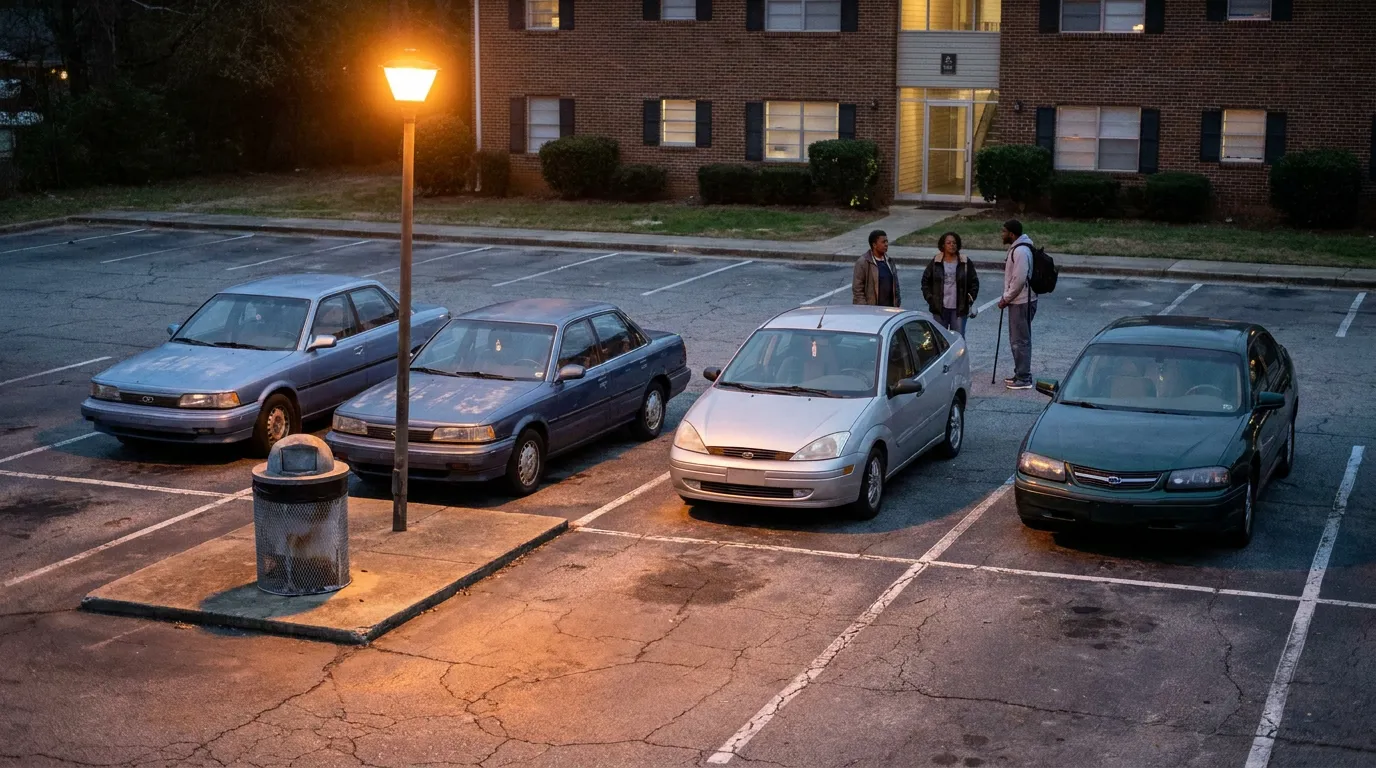
Being attacked in an apartment parking lot, store, or hotel can leave you hurt, frightened, and unsure where to turn. In some cases, North Carolina law may hold a property owner responsible for an assault on its property, even though someone else committed the crime. These claims often depend on whether the owner knew or should have known about the risk and failed to take reasonable steps to protect lawful visitors.
At Payne Law Firm, we treat our clients like family and offer personal legal support from the first conversation. Our team has more than 20 years of service and has helped over a thousand injured people and families seek the compensation they deserved. Call 704-529-9000 or schedule your free consultation to talk about what happened to you.
How North Carolina Premises Liability Law Applies to Assaults
North Carolina premises liability law generally requires property owners to use reasonable care to protect lawful visitors from foreseeable harm. Usually, an owner has no duty to protect visitors from crimes by others. An exception applies when the owner knew or should have known that such crime was likely on the property. The question is usually whether the danger was foreseeable and whether the owner responded reasonably.
Your Status as a Visitor Matters
Courts look at why you were on the property when they decide what duty the owner owed you. In Nelson v. Freeland (1998), the North Carolina Supreme Court ended the old split between invitees and licensees. Owners now owe all lawful visitors a duty of reasonable care. Trespassers are still treated separately and get much less protection. Proving you were lawfully present is usually one of the first steps in a claim.
Businesses and Landlords May Face Closer Review
The type of property can affect how courts view an owner’s duties. Apartment complexes, stores, hotels, and parking lots often see heavy public traffic, and some have known crime histories. Each case turns on its own facts, and results vary.
Building a Negligent Security Claim in North Carolina
A negligent security claim in North Carolina usually turns on foreseeability. Courts generally require proof that the crime was foreseeable before holding an owner responsible for someone else’s crime. They often look at how many prior crimes happened, how recent and similar they were, and how close they were to the property, as well as the area and the security the owner actually provided.
What Evidence Can Show Foreseeability?
Proof that the owner knew, or should have known, about the danger is often the heart of these cases. Helpful evidence may include:
- Police reports or call logs showing earlier assaults, robberies, or similar crimes on or near the property
- Tenant or customer complaints about broken lights, gates, locks, or cameras
- Maintenance records showing delayed or ignored repairs
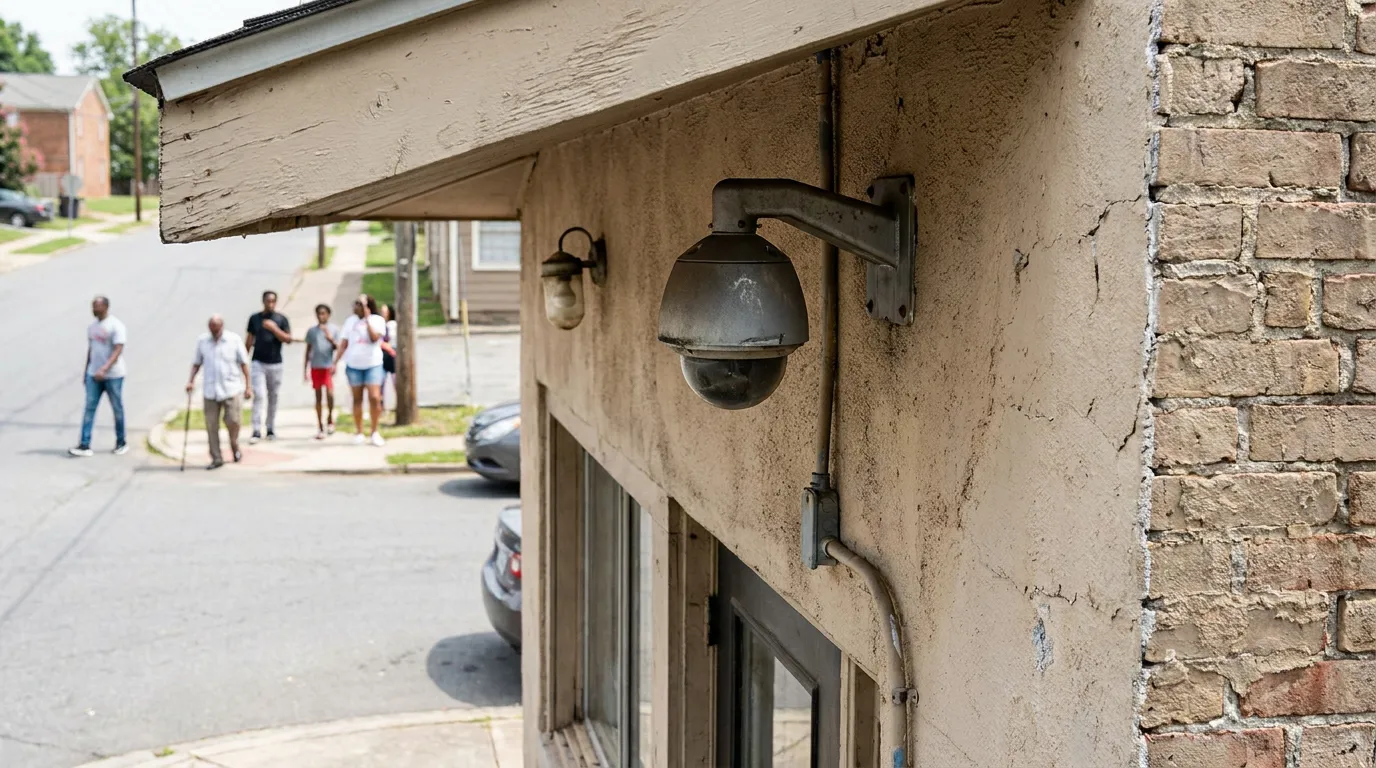
- Surveillance footage, witness statements, and photos of the scene
- Security contracts, staffing schedules, and internal incident reports
Once you show foreseeability, you generally must also show that the owner’s failure to use reasonable care caused your injuries. For example, an attacker may have entered through a gate the owner knew was broken, or waited in a stairwell left dark for weeks. Owners often dispute this link, so a careful investigation matters.
💡 Pro Tip: Property owners may record over surveillance video within days or weeks. Asking a lawyer to send a letter demanding that the owner save the footage can help protect evidence for your claim.
Landlord Duties to Tenants in Common Areas
North Carolina residential landlords have a legal duty to keep common areas safe. Under N.C. Gen. Stat. § 42-42(a)(3), the landlord must "keep all common areas of the premises in safe condition." Common areas include parking lots, hallways, stairwells, and walkways, where many apartment complex assaults happen.
Tenants may point to this duty when arguing that a landlord failed to fix known security hazards. Broken lights, faulty gates, and bad locks in shared spaces can support the argument that the landlord did not keep conditions safe. But the law mainly covers physical conditions. Courts have not clearly held that it creates a separate duty to protect tenants from crime, so claims usually still need to show foreseeability. If you were hurt at your apartment complex, a negligent security claim North Carolina lawyer can review whether the landlord’s conduct may support a claim.
Defenses Property Owners Often Raise
When an owner is accused of being liable for an assault, the owner or its insurer may try to blame the victim. North Carolina still follows the contributory negligence rule. Under it, an injured person who was even slightly careless in a way that added to the harm may be barred from recovering anything. An exception may apply if the owner’s conduct was willful or wanton, or if the "last clear chance" doctrine applies.
The property owner, not you, must prove contributory negligence. Under N.C. Gen. Stat. § 1-139, the party raising contributory negligence has the burden of proving it. You still have to prove the owner was negligent, but you generally do not have to prove you were careful. Owners may also argue that the crime was not foreseeable or that no reasonable security would have stopped it.
Damages You May Be Able to Recover
Assault victims may seek money for both financial and personal losses. Depending on the case, damages may cover medical bills, lost income, therapy for emotional trauma, and pain and suffering.
Punitive damages are available only in limited cases. Under N.C. Gen. Stat. § 1D-15(a)-(c), you must first prove the owner is liable for compensatory damages. You must then show by clear and convincing evidence that fraud, malice, or willful or wanton conduct was present. For a business, its officers, directors, or managers must have taken part in or approved the conduct. Under N.C. Gen. Stat. § 1D-25, punitive damages are generally capped at three times compensatory damages or $250,000, whichever is greater.
Filing Deadlines for Negligent Security North Carolina Claims
Under N.C. Gen. Stat. § 1-15(a), civil claims in North Carolina must be filed within the time limits in Chapter 1 of the General Statutes, unless another law sets a different period. The deadlines below generally apply. Missing a deadline may bar your claim entirely.
| Claim Type | General Deadline | When the Clock Usually Starts | Authority |
|---|---|---|---|
| Personal injury from assault | 3 years | When bodily harm becomes apparent or reasonably should have (usually the date of the attack) | N.C. Gen. Stat. § 1-52(5), (16) |
| Wrongful death | 2 years | Date of death | N.C. Gen. Stat. § 1-53(4) |
| Injured minor or incompetent person | Generally paused | When the disability ends | N.C. Gen. Stat. § 1-17(a) |
| Sexual abuse suffered as a minor | Until age 28, or 2 years after a related criminal conviction | Varies | N.C. Gen. Stat. § 1-17(d), (e) |
The Three-Year Personal Injury Deadline
A negligent security claim is generally a personal injury claim that does not come from a contract. It usually falls under the three-year limit in N.C. Gen. Stat. § 1-52(5). Under N.C. Gen. Stat. § 1-52(16), the clock does not start until bodily harm becomes apparent or reasonably should have. No claim may be brought more than 10 years after the owner’s last act or failure to act that led to it. In an assault case, the injury is usually obvious right away, so the clock generally starts on the date of the attack.
Wrongful Death and Exceptions That Pause the Deadline
Families who lose a loved one to an assault generally have a shorter two-year deadline that starts on the date of death. Under N.C. Gen. Stat. § 1-17, the deadline may be paused until the disability ends if the victim was under 18, or legally insane or incompetent, when the claim arose. The pause applies only in certain cases, so speaking with a lawyer early is important.
Frequently Asked Questions
1. Can I sue a property owner if the attacker was never caught?
In many cases, yes. A negligent security claim focuses on the owner’s failure to provide reasonable security, not on who the attacker was. You still need evidence showing foreseeability and that the owner’s failure caused your injuries.
2. Does a property owner have to prevent every crime?
No. North Carolina law generally requires reasonable care against foreseeable harm, not a promise of safety.
3. What if the property owner says I was partly at fault?
The owner must prove contributory negligence under N.C. Gen. Stat. § 1-139. Because this defense can bar recovery entirely, it is important to document the facts carefully and get legal advice.
4. How long do I have to file a claim?
Generally three years from the date of the assault for personal injury claims, and two years from the date of death for wrongful death claims. Exceptions may apply in limited cases, such as when the victim is a minor or legally incompetent.
5. Where can I learn more about premises liability?
You can explore related topics on our personal injury legal blog. Each case is different, so a consultation can address your situation.
Protecting Your Rights After a Third-Party Crime
A property owner may be liable for an assault in North Carolina when the crime was foreseeable and the owner failed to take reasonable precautions. Acting quickly can help save evidence and protect your options.
You do not have to face this alone. Payne Law Firm takes clients seriously, explains the process clearly, and fights for people who may already feel ignored by insurance companies. Call 704-529-9000 or request your free consultation today to talk with a team that treats you like family.
Disclaimer: This content is for informational purposes only and is not legal advice. Every case is unique, and results may vary. Consult a lawyer about your specific situation.