
Understanding Texas’s Rideshare Insurance Law After a Crash
Key Takeaways: Texas HB 1733, passed in 2015, created the insurance framework for Uber, Lyft, and other rideshare companies by adding Chapter 1954 to the Texas Insurance Code. It established mandatory primary insurance coverage whenever a driver is logged on or transporting a rider. The law defines two coverage phases: Phase 1, when logged on but awaiting a ride ($50,000/$100,000 bodily injury and $25,000 property damage), and Phase 2, during an active ride ($1 million aggregate per incident). The driver’s status at impact is critical to your claim. The law prevents personal insurers from being required to deny claims first and shields personal policies from covering rideshare activity, directing victims toward mandated company coverage. Injured victims must still prove negligence, document damages, and file within Texas’s two-year deadline.
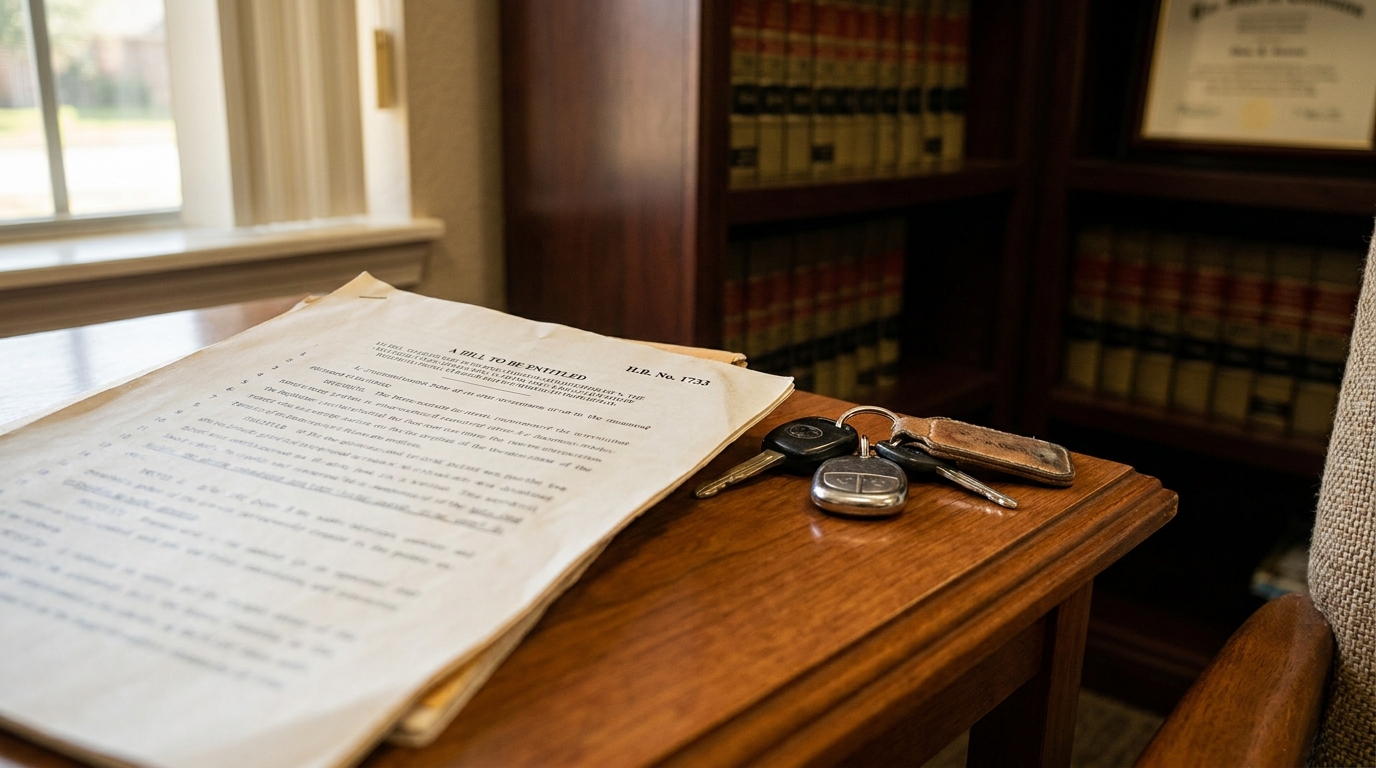
Texas HB 1733 is the 2015 law that created the insurance framework governing rideshare companies in Texas, directly shaping how injured victims recover compensation after a crash. It establishes minimum automobile liability coverage for drivers operating for these companies, determining which insurance policy applies, how much coverage is available, and who can be held responsible. The bill added Chapter 1954 to the Texas Insurance Code, and understanding it is often the first step toward a fair Uber accident claim Houston TX residents can rely on.
If you or a loved one was injured in a rideshare collision, the team at Payne Law Firm is ready to help. Call us at 713-223-5100 or reach out through our contact page for a free consultation.
How HB 1733 Reshaped Uber Claims in Texas
HB 1733 created a mandatory, primary insurance structure that closed gaps victims once faced. Before the law, injured parties struggled to identify whose policy applied when an Uber driver caused a crash. The law created a mandatory primary insurance framework requiring either the driver or company to maintain coverage whenever the driver is logged on or actively transporting a rider, meaning Uber itself can be held responsible for maintaining coverage.
This framework lives in Chapter 1954 of the Texas Insurance Code, titled "Insurance for Transportation Network Company Drivers." The chapter sets detailed requirements and is the controlling authority for most Texas rideshare claims. You can review the statutory text on the Texas rideshare insurance code. Outcomes depend on specific facts, including the driver’s status at impact.
Houston’s relationship with rideshare companies has been complicated, making local knowledge valuable. Uber and/or Lyft left multiple Texas cities (including Austin and San Antonio) over disputes about fingerprinting ordinances; in Houston, only Lyft left while Uber continued operating. Both companies returned to Austin and San Antonio after the Texas Legislature passed HB 100 in 2017, which created a statewide regulatory framework overriding local ordinances, rather than through city-level negotiations. This history is why a rideshare accident Houston victim benefits from working with attorneys who understand both the law and local landscape.
💡 Pro Tip: Right after a rideshare crash, write down whether the driver had a passenger and whether the app was active. That detail can change which insurance limits apply to your claim.
The Coverage Periods Every Uber Accident Lawyer Houston Victims Trust Will Examine
The most important question in many rideshare claims is which "period" of coverage applied at the time of the crash. The law defines two coverage periods with different minimum requirements. Identifying the correct phase determines available insurance.
During Phase 1, the driver is logged on but has not accepted a ride, and lower minimums apply. HB 1733 establishes Phase 1 when the driver is logged in but hasn’t accepted a ride, requiring minimum coverage of $50,000 per person and $100,000 per incident for bodily injury and $25,000 for property damage under Texas Insurance Code Sec. 1954.052. This gap period has significantly lower coverage than during an active trip.
Once a driver accepts a ride request, required coverage rises dramatically. During Phase 2, Texas Insurance Code Sec. 1954.053 requires minimum $1 million aggregate liability coverage per incident. While Texas Insurance Code Sec. 1954.001 defines a prearranged ride as beginning when a driver accepts a request, the law is ambiguous on whether the en route period (accepted but no rider in the vehicle) triggers the higher $1 million Phase 2 coverage or the lower Phase 1 limits. Proposed legislation (HB 3520 in 2025) seeks to clarify that the $1 million coverage applies only when a rider is physically in the vehicle and that the en route period would fall under the lower Phase 1 minimums. Because of this ambiguity, many Uber passenger accident claims still hinge on establishing the driver’s precise status at impact.
| Coverage Period | Driver Status | Minimum Liability |
|---|---|---|
| Phase 1 (Sec. 1954.052) | Logged on, awaiting a ride | $50,000/$100,000 bodily injury; $25,000 property |
| Phase 2 (Sec. 1954.053) | Engaged in a prearranged ride | $1 million aggregate per incident |
Why Identifying the Right Phase Matters
Establishing the coverage period is often the difference between modest recovery and access to corporate-level insurance limits. Insurers may dispute whether the app was active or a ride was underway. After an Uber crash, the driver must carry proof of insurance and provide it under Texas Insurance Code Sec. 1954.056. Under Sec. 1954.154, the transportation network company must assist in claim investigation by disclosing information such as precise times the driver logged on and off, helping establish coverage tier. Disputes can still arise over facts. If you’re unsure who bears responsibility, consult a lawyer about how fault and coverage interact.
💡 Pro Tip: Screenshots of the Uber trip receipt or app status can serve as powerful evidence of which phase was active during the collision.
Protections HB 1733 Built In for Injured Victims
Several provisions of HB 1733 were designed to make recovery smoother for people harmed in rideshare crashes. These protections reduce delays and finger-pointing that once frustrated claimants.
Uber’s insurance policy cannot require that a driver’s personal insurer deny the claim first, because under Texas Insurance Code Sec. 1954.055, coverage is not contingent on personal insurer denial.
When a vehicle has a lien and the company’s insurer covers a claim, Texas Insurance Code Sec. 1954.155 requires payment directly to the repair shop or jointly to the owner and primary lienholder.
Personal automobile policies are not required to cover a driver while logged on or transporting passengers for compensation under Texas Insurance Code Sec. 1954.152, and Sec. 1954.151 authorizes personal auto insurers to exclude rideshare activity from coverage.
That last point carries real consequences for pursuing compensation. Because personal auto insurers can exclude rideshare activity, victims generally cannot look to the driver’s personal policy for full compensation. You typically must pursue the company’s mandated coverage, which is why identifying the correct coverage phase is critical. These are issues our team addresses in Houston rideshare injury cases.
Proving Negligence and Documenting Damages
Even with mandated coverage, you must prove negligence caused your injuries. Insurance availability doesn’t equal automatic payment. Insurers may contest liability or damages. Courts consider medical records, accident reports, witness statements, and economic losses. Careful documentation of medical treatment and lost income often separates well-supported claims from contested ones.
💡 Pro Tip: Keep a folder of every bill, prescription, and missed-work record after your crash. Consistent records help counter an adjuster’s attempt to minimize your losses.
Deadlines and Evidence That Can Affect Your Recovery
Texas law generally gives injured people a limited window to file a personal injury lawsuit. In most cases, the civil deadline for personal injury claims is two years from the date of injury, though exceptions may apply. Learn more about these timelines through this overview of civil filing deadlines in Texas. Courts interpret exceptions narrowly, so don’t assume automatic deadline extensions.
Acting promptly also protects evidence your claim depends on. App data, dashcam footage, and witness memories can fade or disappear. Early action preserves more options.
Frequently Asked Questions
1. Does HB 1733 mean Uber’s insurance always covers my injuries?
Not automatically. The law requires mandated coverage, but you must prove negligence and damages, and available limits depend on which coverage phase applied.
2. What if the Uber driver was logged on but had no passenger?
That typically falls under Phase 1, which carries lower minimum limits under Texas Insurance Code Sec. 1954.052. However, Texas law is ambiguous about whether a driver who has accepted a request and is en route to pick up a rider falls under Phase 1 or Phase 2. Proposed HB 3520 (2025) would clarify that the $1 million Phase 2 coverage applies only when a rider is physically in the vehicle and that the en route period would fall under the lower Phase 1 limits.
3. Can I still recover if my vehicle has a car loan?
Yes. Under Texas Insurance Code Sec. 1954.155, the insurer must pay a covered repair claim directly to the repair shop or jointly to you and your lienholder.
4. How long do I have to file a claim in Texas?
In many cases the deadline for personal injury lawsuits is two years, subject to exceptions that courts apply narrowly. Seek guidance soon after a crash.
5. Why does identifying the coverage period matter so much?
Phase 2 may provide up to $1 million in aggregate coverage while Phase 1 provides far less. Correctly identifying the phase significantly affects available compensation.
Moving Forward After a Houston Rideshare Crash
HB 1733 gave injured Texans a clearer path to compensation, but navigating it requires careful attention to facts and statute. The law set mandatory primary coverage, defined two insurance phases, and added protections helping victims pursue claims against the company’s policy. However, proving negligence, documenting damages, and meeting filing deadlines remain essential, and outcomes depend on specific circumstances. A trusted Houston Uber crash attorney can help you understand where your claim fits within this framework.
At Payne Law Firm, we treat our clients like family and walk beside you through every step. Attorney Jason Payne built his practice around helping injured Houstonians feel heard, informed, and respected during stressful moments. With more than 20 years of service and a reputation for handling rideshare injury matters with care, our firm is committed to fighting for people overlooked by insurance companies. If you need a dedicated rideshare accident attorney Houston families trust, contact us now for a free consultation, call 713-223-5100, or learn more about how Payne Law Firm can help you pursue the compensation you deserve.