
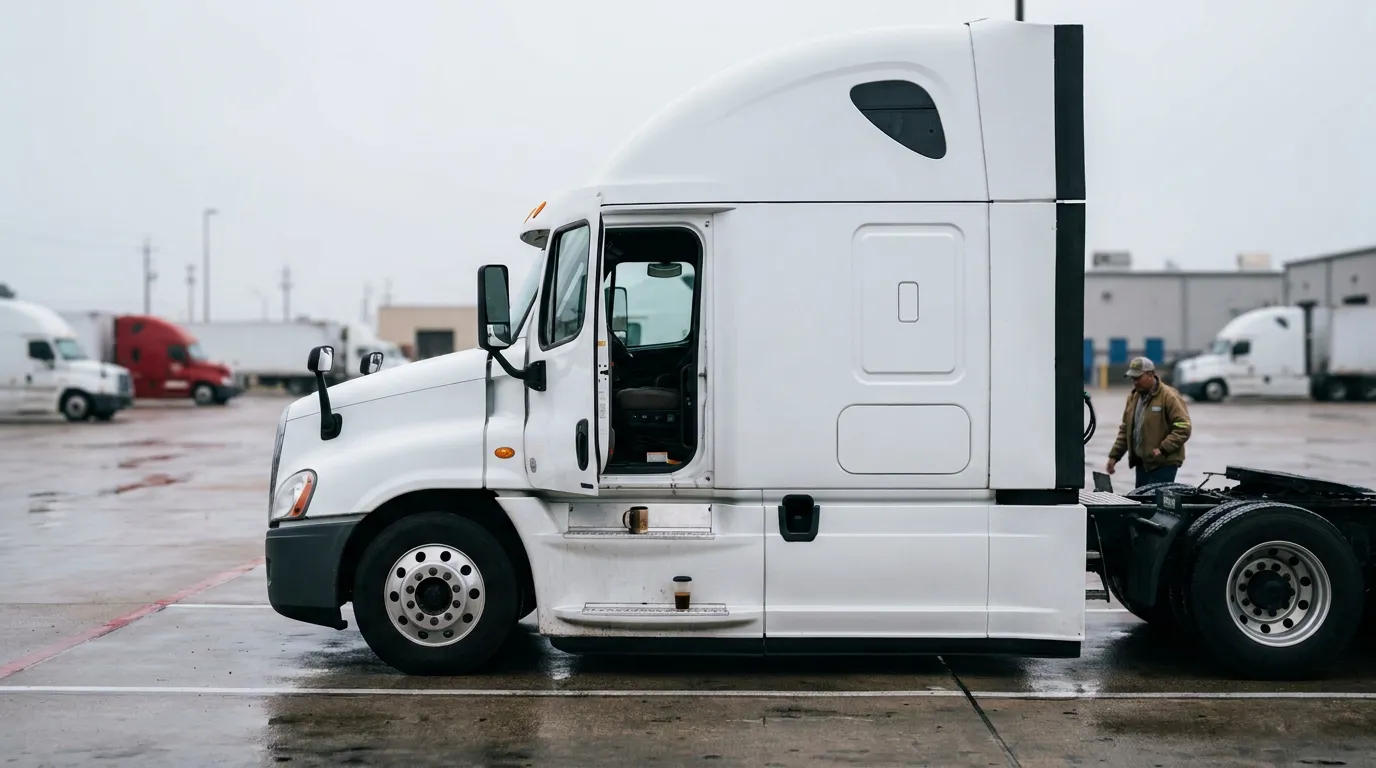
Understanding Liability When a Tired Trucker Causes a Crash
Key Takeaways: Yes, a fatigued truck driver in Houston can be held liable, and so can the trucking company that employed them. Texas law allows injured victims to pursue compensation by proving negligence, causation, and damages. Driver fatigue impairs reaction time and judgment like intoxication, and crashes often involve violations of federal hours of service limits and Texas statutes. These violations, revealed through logbooks, electronic logging device data, and black box records, serve as powerful evidence of negligence. Under respondeat superior, carriers can be held liable for their drivers’ negligent acts, and Texas Civil Practice and Remedies Code § 72.054 governs how that employer liability is established. Because critical evidence can disappear quickly and most claims must be filed within two years, acting promptly to preserve records is essential.
Yes, a fatigued truck driver can be held liable in Houston, and so can the trucking company that employed them. When a drowsy driver causes a collision, Texas law allows injured victims to pursue compensation by proving negligence, causation, and damages. Fatigue behind the wheel of an 18-wheeler often reflects violations of federal and state safety rules that become powerful evidence in a claim.
If you or a loved one was hurt in a wreck involving a tired trucker, the team at Payne Law Firm is ready to help. Call us at 713-223-5100 or reach out through our secure contact page for a free consultation.
Why Fatigue Is Treated as Negligence on Texas Roads
Fatigue impairs reaction time, judgment, and attention in ways that closely resemble intoxication. When a commercial driver ignores their body’s need for rest and causes a crash, that decision forms the basis of a negligence claim. To recover compensation, an injured person must show that the driver owed a duty of care, breached it, and caused harm as a direct result.
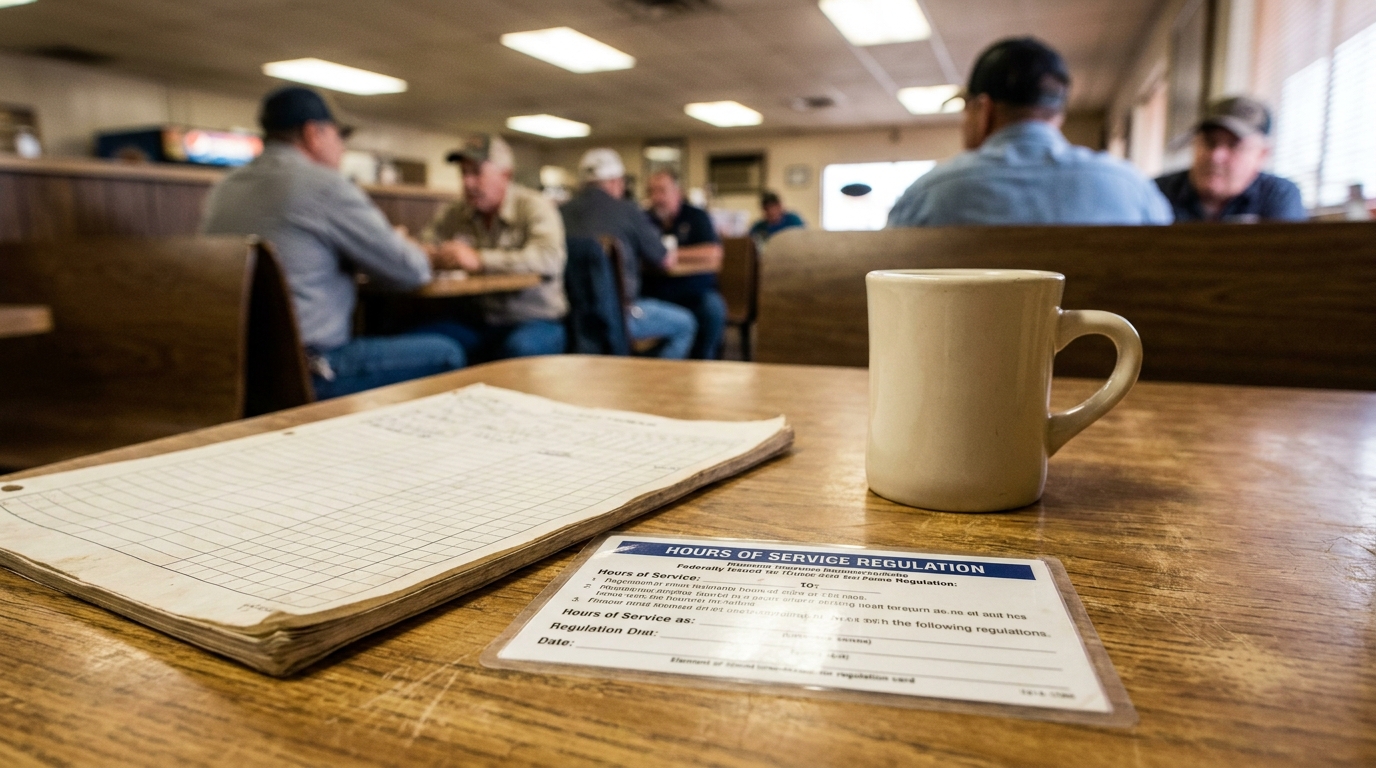
Federal hours of service regulations set strict limits designed to keep drivers alert. "Hours of service" refers to the maximum time drivers are permitted to be on duty including driving time, and specifies rest periods to ensure drivers stay awake and alert. These standards apply to most commercial motor vehicle drivers.
💡 Pro Tip: After a crash, write down everything you remember about the other driver’s behavior, including signs of drowsiness like drifting, delayed braking, or admissions of being tired. These early notes can support your claim later.
The Federal Hour Limits That Often Reveal Fatigue
Most fatigue-related claims start with the federal driving limits that property-carrying truckers must obey. When a driver exceeds these caps, that violation can help establish dangerous fatigue. The core limits are frequently broken under pressure to meet delivery schedules.
Property-carrying drivers may drive a maximum of 11 hours after 10 consecutive hours off duty.
Drivers may not drive beyond the 14th consecutive hour after coming on duty, following 10 consecutive hours off duty, and off-duty time does not extend the 14-hour period.
A 30-minute break is required after 8 cumulative hours of driving time, which can be satisfied by an on-duty, not-driving period.
Drivers may not drive after 60 or 70 hours on duty in 7 or 8 consecutive days, and may restart that period after taking 34 or more consecutive hours off duty.
A violation of any of these limits can be persuasive evidence in a truck driver fatigue lawsuit Houston victims pursue.
Texas Statutes That Strengthen a Fatigue Claim
Texas law adds its own layer of rules that support a tired truck driver crash Texas claim. State statutes govern driving hours for intrastate operators, set speed standards, and address driver qualifications, giving attorneys multiple avenues to demonstrate negligence.
For intrastate operators, Texas Transportation Code § 644.053 limits driving hours and requires detailed records. Under this provision, intrastate commercial operators generally may not drive more than 12 hours following eight consecutive hours off duty, and may not drive after being on duty 15 hours. They must also maintain accurate duty-status logs and time records. Missing or falsified logbooks can become central evidence.
Speed often compounds the danger. Texas Transportation Code § 545.352 establishes prima facie speed limits, and exceeding them is prima facie evidence that the speed was unlawful. When speeding accompanies fatigue, it can reinforce a negligence argument.
A driver’s history may also matter. Texas Transportation Code § 522.081(a) addresses commercial license disqualification, generally providing a 60-day disqualification for two serious traffic violations within three years and a 120-day disqualification for three such violations. A documented pattern of dangerous driving can help show that an employer knew, or should have known, of a risk.
💡 Pro Tip: Logbook discrepancies are common in fatigue cases. Electronic logging device data, fuel receipts, and toll records can contradict what a driver claims, so preserving these records quickly is important.
Holding the Trucking Company Accountable in Driver Fatigue Houston Truck Crashes
Liability in driver fatigue Houston truck crashes often extends beyond the individual driver. Trucking companies set schedules, assign routes, and sometimes pressure drivers to stay on the road longer than the law allows. Texas law recognizes that employers can bear responsibility for the negligent acts of their drivers.
A trucking company can be held vicariously liable under respondeat superior when its driver negligently causes a crash. Texas Civil Practice and Remedies Code § 72.054, which addresses employer liability for commercial driver negligence, structures how that liability is proven: if the carrier stipulates that the driver was its employee acting within the scope of employment, the employer’s liability is based only on respondeat superior and the trial may be bifurcated. Victims can generally pursue claims against both the driver and the employing carrier, and certain direct-negligence claims, such as negligent maintenance, may still be available.
When you work with a knowledgeable Houston truck crash attorney, your legal team can investigate whether the company contributed to the crash through unrealistic schedules, poor oversight, or inadequate driver screening.
Preserving Evidence Before It Disappears
Critical evidence in a fatigued driving truck collision Houston case can vanish quickly if no one acts to protect it. An attorney can send a spoliation letter demanding that the company preserve key materials. These commonly include drug and alcohol testing of the driver, the safety record of the driver, the license and qualifications of the driver, inspections of the truck, and dispatch instructions to the driver. Black box data is often especially revealing, as event data recorders may show a driver was excessively fatigued because they exceeded hours of service rules.
💡 Pro Tip: The sooner you involve an attorney, the better your chances of preserving black box and logbook data. Some electronic records can be overwritten in a matter of weeks.
How Long You Have to File in Texas
Texas sets firm deadlines for filing truck accident claims, and missing them can permanently bar recovery. The general rule is two years, but the way it applies depends on the type of claim.
| Type of Claim | Texas Statute | Filing Deadline |
|---|---|---|
| Personal injury | Civil Practice and Remedies Code § 16.003(a) | Two years |
| Property damage | Civil Practice and Remedies Code § 16.003(a) | Two years |
| Wrongful death | Civil Practice and Remedies Code § 16.003(b) | Two years |
In Texas, the personal injury statute of limitations is two years, and the same two-year period generally applies to property damage and wrongful death claims. Certain exceptions may apply in limited circumstances, but courts interpret these narrowly. It is wise to confirm your timeline with counsel rather than assume an extension applies.
Common Challenges Victims Face in Fatigue Cases
Drowsy truck driver accident Texas claims can be harder to prove than ordinary car wrecks. Insurers for large carriers often deploy quick-response teams and may dispute that fatigue played any role.
Victims frequently encounter pressure to give recorded statements, lowball settlement offers, and disputes over fault. Insurance companies may argue the driver was within legal limits or that other factors caused the crash. A measured, evidence-driven approach generally serves injured people better than rushing to settle. To learn more, explore additional articles on our truck accident legal blog.
💡 Pro Tip: Avoid posting about your crash or injuries on social media. Insurers sometimes use these posts to dispute the severity of your injuries or your version of events.
Frequently Asked Questions
1. Can both the driver and the trucking company be sued for a fatigue crash?
Yes. A trucking company can be held vicariously liable for the negligent acts of its driver under respondeat superior, and Texas Civil Practice and Remedies Code § 72.054 governs how that employer liability is established. Victims often pursue claims against both parties to seek full compensation.
2. What evidence helps prove a driver was fatigued?
Logbooks, electronic logging device records, and black box data can show whether a driver exceeded federal hour limits. Dispatch records, drug and alcohol test results, and the driver’s safety history may also support a fatigue claim.
3. How long do I have to file a Houston truck accident claim?
Generally, you have two years from the date of the crash under Texas Civil Practice and Remedies Code § 16.003. Limited exceptions may apply, but courts construe them narrowly, so prompt action is important.
4. Does speeding matter in a fatigue case?
Yes. Under Texas Transportation Code § 545.352, exceeding posted limits is prima facie evidence that the speed was unreasonable and unlawful, which may reinforce a negligence argument when combined with fatigue.
5. Is a free consultation really free?
Yes. Payne Law Firm offers free consultations so you can understand your options without any upfront obligation.
Taking the Next Step Toward Justice
A fatigued trucker who causes a crash in Houston can be held accountable, and so can the company behind the wheel. By combining federal hours of service rules, Texas statutes, and carefully preserved evidence, injured victims can build strong claims for compensation. Payne Law Firm brings more than 20 years of service to Houston families, and Attorney Jason E. Payne is Board Certified in Personal Injury Trial Law by the Texas Board of Legal Specialization.
If a tired trucker has turned your life upside down, let our team stand beside you. Contact Payne Law Firm today by calling 713-223-5100 or reaching out through our free case review form. We treat our clients like family and are ready to fight for the compensation you deserve.