
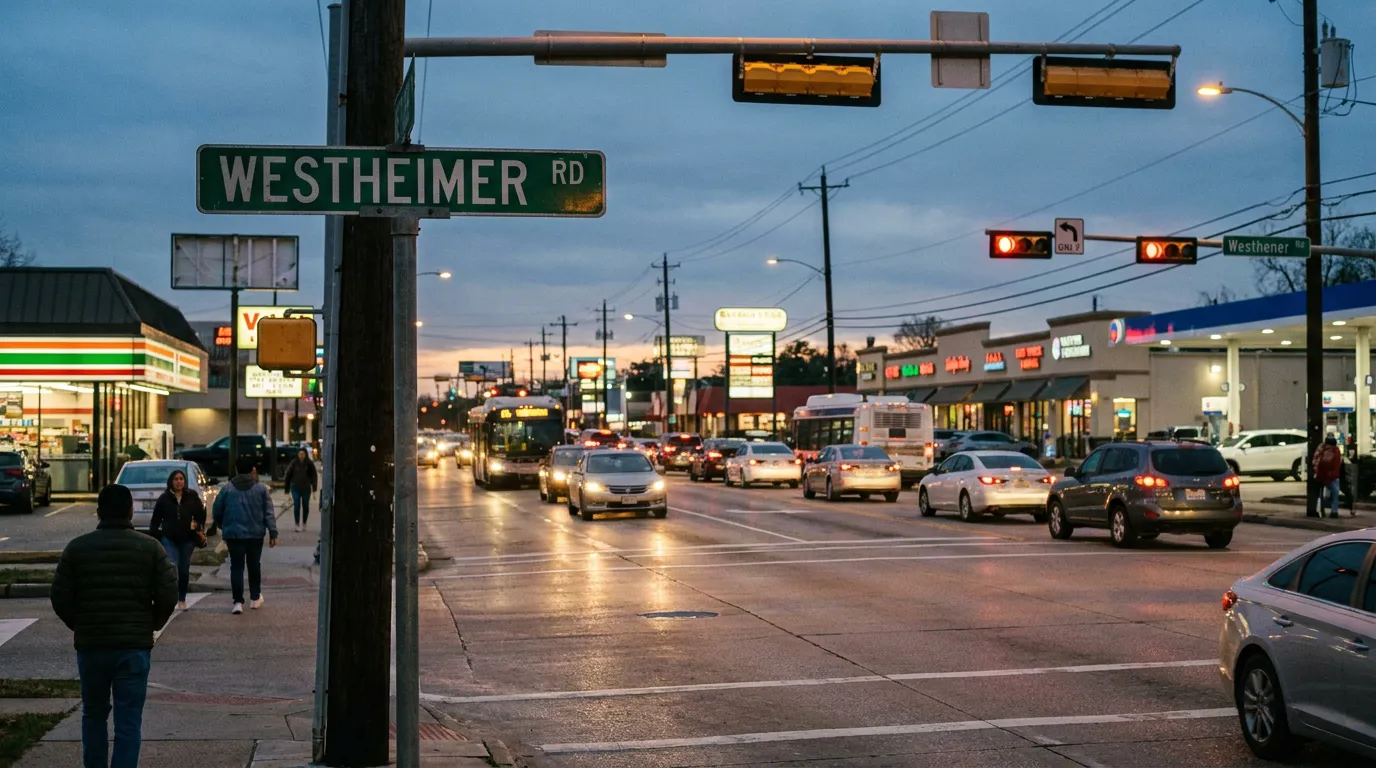
Why Westheimer Road Demands Extra Caution Behind the Wheel
Key Takeaways: Westheimer Road’s risk profile strongly matches conditions researchers link to severe and fatal crashes. The corridor combines five or more lanes, speeds of 30 mph or higher, heavy traffic volume, numerous intersections, and active nightlife, all elevating danger for drivers and pedestrians. Nighttime activity, alcohol involvement, and mid-block crossings increase serious collision likelihood. Under Texas law, recovering damages depends on comparative fault, preserved evidence, and timely filing within the two-year statute of limitations. Understanding these risks helps Houstonians drive cautiously and protect legal rights if a crash occurs. For those injured along this corridor, Payne Law Firm offers experienced guidance and free consultations.
Westheimer Road ranks among the corridors that many safety advocates consider some of the most dangerous roads in Houston Texas, and the data supports that reputation. Stretching for miles across the city, Westheimer combines heavy traffic, dense commercial activity, and constant nighttime foot traffic, creating conditions for serious collisions. The features that make Westheimer hazardous match the profile of crash hot spots documented nationwide. For Houston drivers, passengers, and pedestrians, understanding these risks is essential for staying safe and protecting legal rights if a wreck occurs.
If you or someone you love was hurt in a collision along this corridor, the team at Payne Law Firm is ready to listen. Call us at 713-223-5100 or reach out through our confidential contact page to discuss what happened.
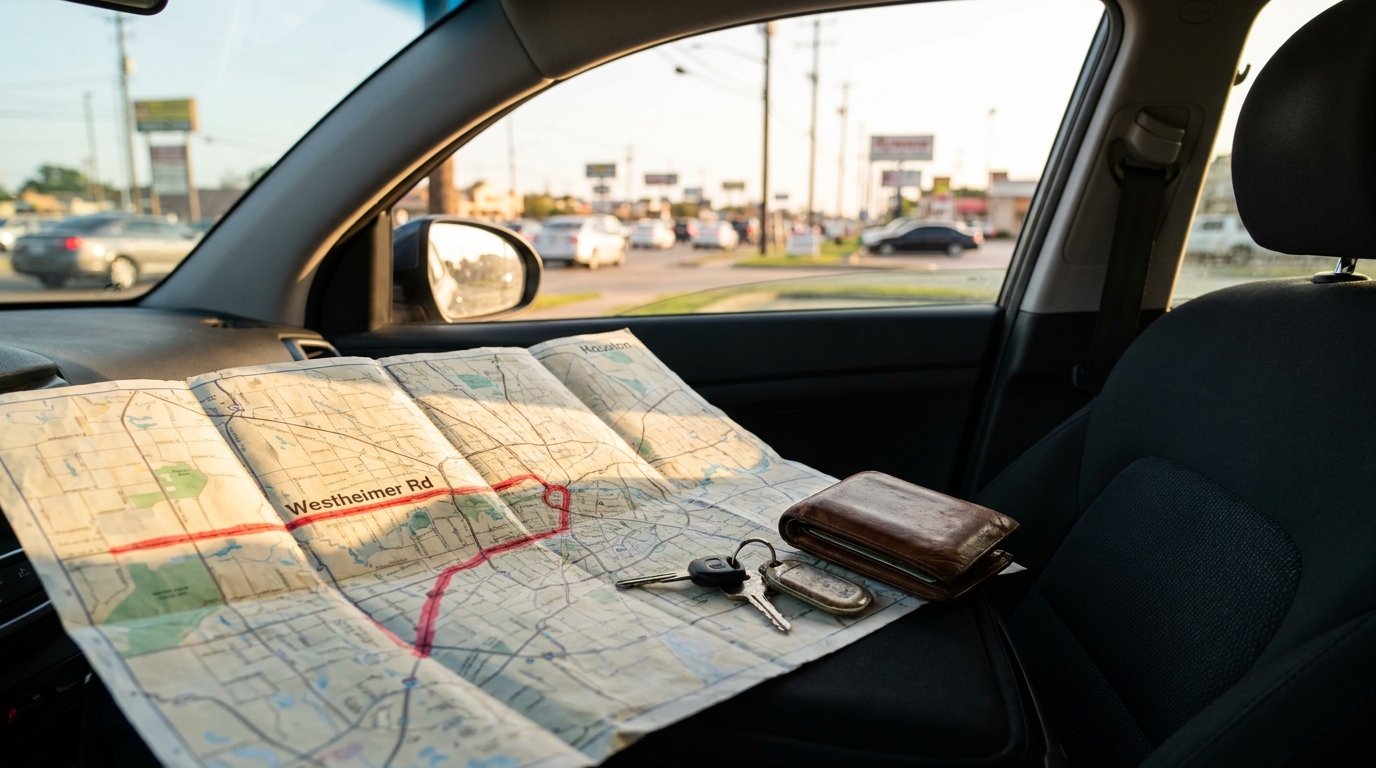
What Makes Westheimer Road So Hazardous
The danger on Westheimer tracks closely with conditions researchers have linked to fatal crashes. Federal analysis found that pedestrian fatality hot spots share specific traits: five or more lanes to cross (70%), speed limits of 30 mph or higher (75%), and traffic volumes exceeding 25,000 vehicles per day (62%). Westheimer Road meets these criteria across many segments, helping explain the frequency of Westheimer crash injuries reported yearly.
Most serious pedestrian collisions happen away from marked crosswalks. Researchers noted that 73% of pedestrian fatalities occurred at non-intersection locations. On Westheimer, people frequently cross mid-block to reach shops, restaurants, and bus stops, increasing collision risk. These patterns explain why dangerous streets Houston Texas residents travel daily deserve heightened attention from drivers and city planners.
💡 Pro Tip: If you regularly drive Westheimer at night, reduce your speed below the posted limit near retail clusters where people often dart across the road. Extra reaction time can prevent tragedy.
The Nighttime Risk Factor
Darkness dramatically raises danger for anyone on or near the roadway. National data shows 76% of pedestrians were killed in collisions occurring when dark, and pedestrian fatalities in darkness increased approximately 84% over the last decade (from 2010 to 2023). Westheimer’s nightlife, dining, and entertainment venues keep the corridor active after sunset, compounding the risk of car wreck Westheimer Houston scenarios.
Alcohol involvement adds another layer of danger. Federal crash data reports that alcohol involvement (BAC of.01 g/dL or higher) for the driver and/or pedestrian was reported in 46 percent of traffic crashes resulting in pedestrian fatalities in 2023. On a street lined with bars and restaurants, impaired driving and walking can intersect with deadly results.
The Human Cost Behind Houston Traffic Fatalities
Pedestrian deaths nationwide have climbed to levels that put corridors like Westheimer in sharp focus. According to pedestrian fatality statistics, 7,080 pedestrian deaths occurred in 2024, accounting for 18% of all crash fatalities. Pedestrian deaths in 2024 increased 72% since reaching their lowest point in 2009. That surge is heavily concentrated where Houston’s busiest arterial roads are located.
Urban arterials carry the greatest share of this loss. Research shows eighty-four percent of pedestrian deaths in 2024 occurred in urban areas, up from 59% in 1975. Westheimer Road exemplifies the high-volume urban arterial that drives these numbers and contributes to Houston traffic fatalities yearly. The toll extends beyond pedestrians, as the same speed and congestion patterns produce frequent vehicle-to-vehicle Houston intersection accidents.
💡 Pro Tip: After any crash, photograph the scene, lighting conditions, and vehicle positions before anything is moved. These details often become critical evidence when fault is disputed.
Hit-and-Run Drivers on Busy Corridors
Hit-and-run crashes remain a stubborn problem on poorly lit, high-traffic roads. National figures indicate 23% of pedestrian fatalities in 2021 involved hit-and-run drivers. When a driver flees, victims face added hurdles identifying the responsible party and securing compensation.
Texas law treats leaving the scene of an injury crash as a serious crime. Under duties following an injury crash, specifically Texas Transportation Code § 550.021, a driver involved in a collision resulting in or reasonably likely to result in injury or death must immediately stop, return to the scene if needed, render reasonable aid, and remain until legal obligations are met. Leaving the scene of a crash causing serious bodily injury is generally a third-degree felony; leaving a fatal crash is generally a second-degree felony. These consequences underscore how seriously the state views Westheimer Road safety Houston violations.
How Texas Fault Rules Affect Your Claim
Whether you can recover damages after a Westheimer crash often turns on how fault is divided. Texas applies a modified comparative fault system under Texas Civil Practice & Remedies Code § 33.001, which allows an injured party to recover only if their responsibility is not greater than 50%, with recovery reduced by that percentage. Insurers often attempt to shift blame onto victims to reduce or deny payouts, making early evidence preservation crucial.
Certain traffic violations can strengthen a negligence claim. Texas Transportation Code § 545.056 generally prohibits driving to the left side of the roadway when approaching within 100 feet of an intersection or railroad grade crossing (in a municipality), within 100 feet of a bridge, viaduct, or tunnel, or while awaiting access to a Texas Transportation Commission ferry, subject to exceptions for one-way roadways and left turns into alleys or private roads or driveways. Westheimer’s dozens of busy cross streets mean unsafe passing or improper lane changes near intersections may constitute statutory violations. Courts may consider such violations as evidence when evaluating duty, breach, and causation.
Proving a car accident claim generally requires establishing four elements:
- Duty: the driver owed a legal obligation to operate the vehicle safely
- Breach: the driver violated that duty, such as speeding or distracted driving
- Causation: the breach caused the collision and resulting harm
- Damages: the victim suffered measurable losses like medical bills or lost wages
💡 Pro Tip: Texas generally applies a two-year statute of limitations to most personal injury claims. Courts interpret exceptions narrowly, so speaking with counsel early helps protect your ability to file on time.
Westheimer Road and the Most Dangerous Roads in Houston Texas
Westheimer consistently appears in local discussions of hazardous corridors, alongside other notorious stretches across the city. Our overview of the most dangerous roads in Houston Texas examines additional intersections and arterials where crashes cluster. Comparing these locations helps drivers anticipate where extra caution is warranted.
Knowing the risk profile of dangerous roads Houston commuters use daily can inform safer habits. Slower speeds, increased following distance, and heightened nighttime awareness all reduce serious wreck likelihood. Still, personal caution cannot fully eliminate danger created by another driver’s negligence.
| Risk Factor | Why It Matters on Westheimer |
|---|---|
| Five or more lanes | Longer crossing distances raise pedestrian exposure |
| Speeds of 30 mph or higher | Greater impact force and longer stopping distance |
| Heavy nighttime activity | Reduced visibility and higher impairment risk |
| Numerous intersections | More conflict points for turning and crossing traffic |
How Payne Law Firm Supports Injured Houstonians
For more than 20 years, Payne Law Firm has stood beside injured people and grieving families across the Houston area. Attorney Jason E. Payne is Board Certified in Personal Injury Trial Law by the Texas Board of Legal Specialization, and the firm has helped over a thousand injured individuals and families pursue deserved compensation. That track record reflects deep commitment to the community and to clients who may feel overlooked by insurers.
We believe injured people deserve to feel heard, informed, and respected. Our team treats clients like family, explains the process clearly, and offers free consultations so you can understand your options without pressure. When you work with a dedicated Houston car accident lawyer, you gain an advocate focused on preserving evidence and protecting rights against aggressive insurance tactics.
Frequently Asked Questions
1. Is Westheimer Road officially the most dangerous street in Houston?
No single agency has crowned Westheimer the "most dangerous," but its risk factors are well documented. Its multiple lanes, higher speeds, heavy traffic, and active nightlife match the profile of high-crash corridors, which is why it features prominently in conversations about dangerous streets Houston Texas residents should approach carefully.
2. What should I do immediately after a Westheimer crash?
Generally, call 911, seek medical attention, and document the scene if able. Gathering photos, witness contact information, and the responding officer’s report can prove vital later. Prompt medical care also creates a record connecting injuries to the collision.
3. Can I still recover damages if I was partly at fault?
In many cases, yes, as long as your responsibility is not greater than 50%. Under Texas Civil Practice & Remedies Code § 33.001, your recovery may be reduced by your percentage of fault, and exceeding the threshold can bar recovery entirely.
4. What if the driver who hit me fled the scene?
Hit-and-run cases are challenging but not hopeless. Police investigation, traffic cameras, and witness accounts may help identify the driver, and uninsured motorist coverage may apply. Fleeing an injury crash also violates Texas Transportation Code § 550.021.
5. How long do I have to file a claim in Texas?
Texas generally imposes a two-year deadline for personal injury claims. Courts interpret exceptions narrowly, so consult counsel promptly rather than assuming any extension automatically applies.
Protecting Your Rights After a Westheimer Collision
Westheimer Road’s combination of heavy traffic, frequent intersections, and active nightlife places it firmly among corridors Houstonians should treat with caution. Understanding the risks and governing legal rules can help you respond wisely if a crash occurs. Establishing fault, preserving evidence, and acting within Texas deadlines all influence whether an injured person can pursue fair compensation.
If you have been hurt in a wreck on Westheimer or anywhere in the Houston area, the compassionate team at Payne Law Firm is here to help you understand your options. Call us today at 713-223-5100 or send us a message through our free consultation request form, and let our family fight for yours.