
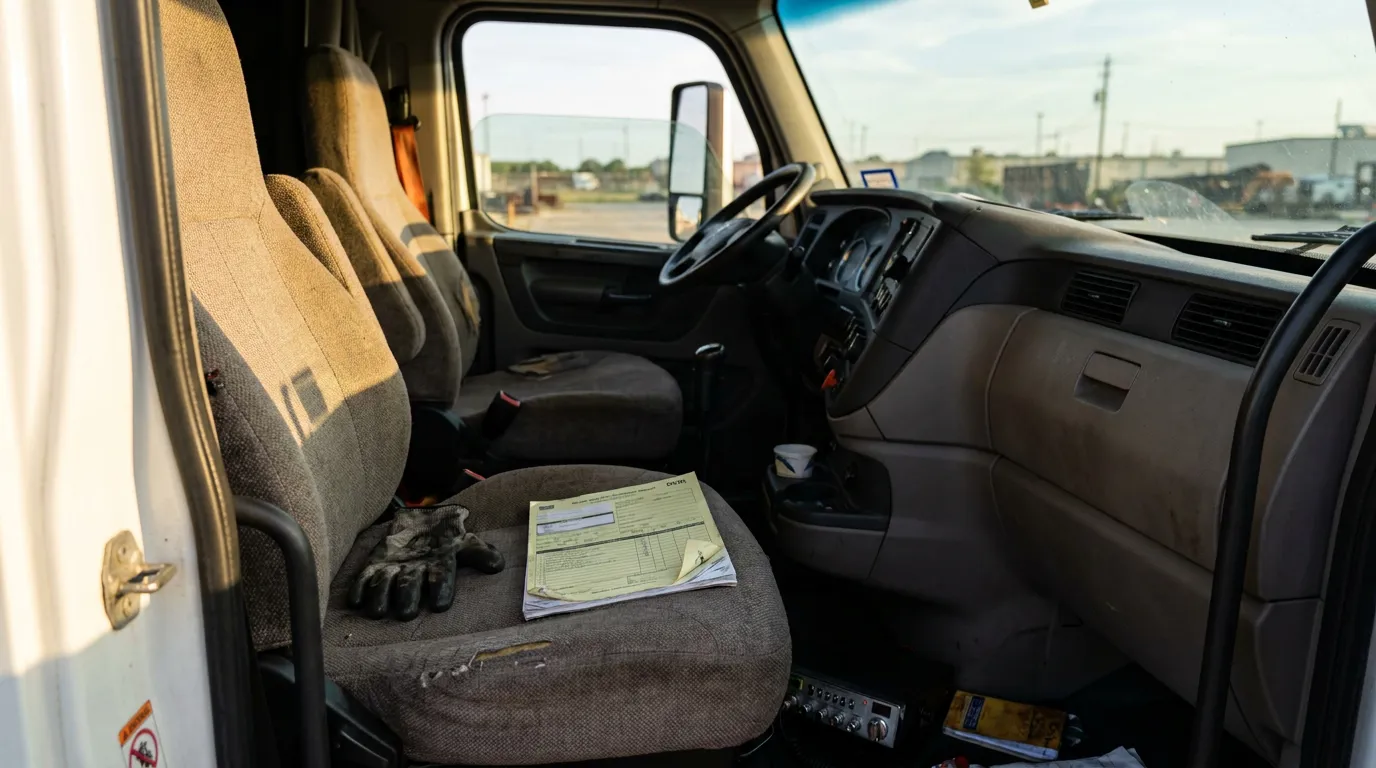
The Paper Trail Inside Every Big Rig: What Daily Inspection Reports Can Reveal
Key Takeaways: Driver vehicle inspection reports often prove that a Houston trucking company knew about a dangerous defect yet kept the truck running. Under 49 CFR § 396.11, drivers must record safety defects in writing at day’s end, and carriers must repair safety-critical problems before the vehicle operates again. Since 2014, property-carrying carriers need not submit "no-defect" reports, so absence of a report alone doesn’t prove a violation. Missing repair certifications, repeated entries for the same component, and paperwork gaps can suggest deferred maintenance. Federal law requires carriers to keep these records for only three months, making prompt preservation demands essential. Texas Civil Practice and Remedies Code § 72.054 shapes employer liability trials in commercial vehicle cases, while § 16.003 sets a two-year filing deadline.
When a tractor-trailer’s brakes fail on the Katy Freeway or a tire shreds on Loop 610, the cause is often documented before the crash. Federal regulations require truck drivers to document safety defects at each day’s end and require motor carriers to fix safety-critical problems before that truck rolls again. These driver vehicle inspection reports can become proof that a trucking company knew about a dangerous condition and chose to keep the vehicle in service. For injured Houstonians and grieving families, understanding these records can transform a confusing case into documented evidence of potentially preventable neglect.
If you or someone you love was hurt in a collision with a commercial vehicle, the team at Payne Law Firm is ready to listen and move quickly on evidence that matters. Call 713-223-5100 for a free consultation, or reach out to our Houston team to discuss your options.
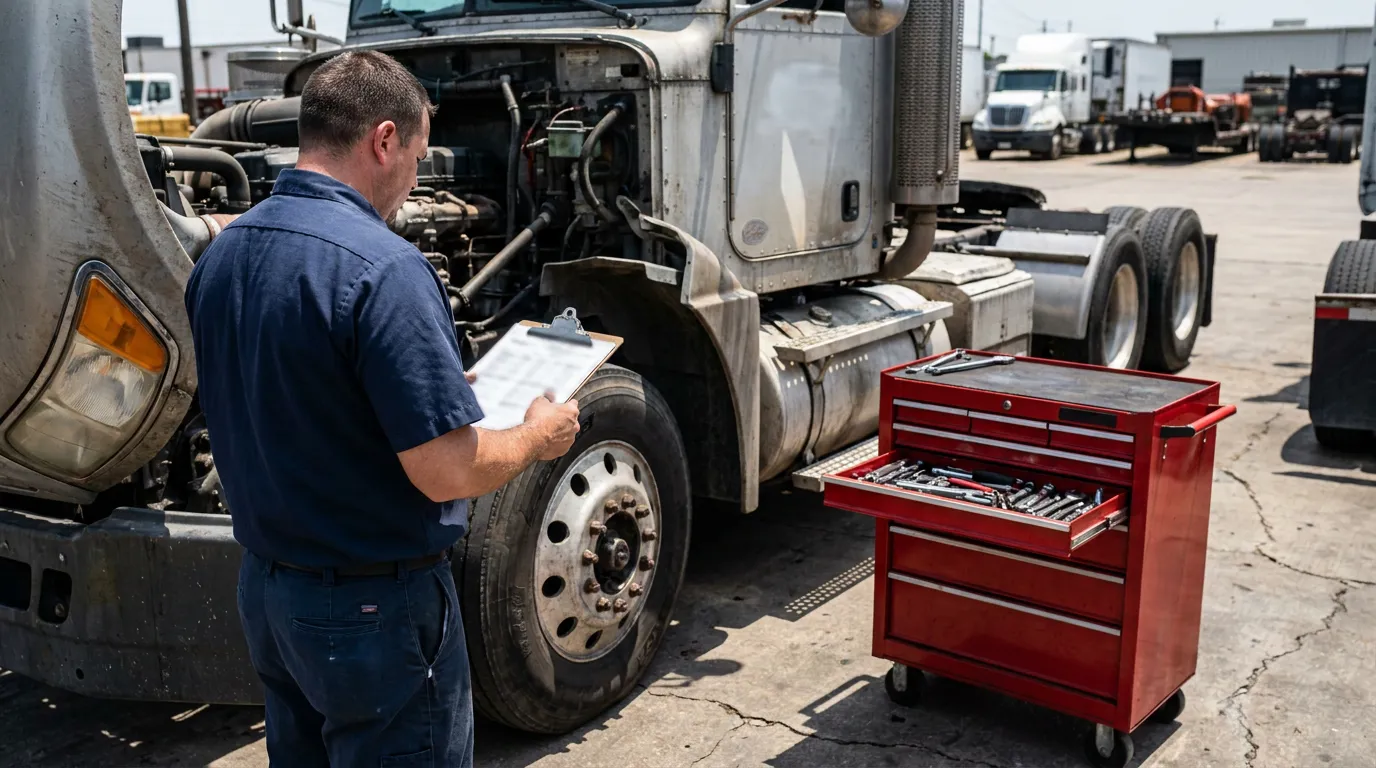
What the 49 CFR 396.11 DVIR Requirement Actually Demands
The rule begins with a daily writing obligation. Under 49 CFR § 396.11(a)(1), drivers must report in writing at each day’s completion, covering service brakes, parking brake, steering mechanism, lighting devices, tires, horn, windshield wipers, mirrors, coupling devices, wheels and rims, and emergency equipment. Since December 2014, drivers of property-carrying vehicles generally need not submit reports when no defect was found. This component list gives plaintiff’s attorneys a defined checklist of parts carriers should have been monitoring.
The content matters as much as existence. Under 49 CFR § 396.11(a)(2)(i)-(ii), the report must identify the vehicle, list any defect affecting safe operation or risking mechanical breakdown, and the driver must sign it. A signed report noting a soft brake pedal or worn coupling may serve as documentary evidence the carrier had notice.
The federal text is publicly available. You can read the full driver vehicle inspection report rule to see exactly how the obligation is worded.
Why Deferred Repairs Become the Center of the Case
Federal law requires both reporting and action. Under 49 CFR § 396.11(a)(3)(i), the motor carrier must repair any defect listed on the report that is likely to affect safe operation before permitting operation. When a truck keeps running for days or weeks after a defect appears on a report, that continued operation may serve as evidence of maintenance neglect.
A second duty concerns certification. Under 49 CFR § 396.11(a)(3)(ii), the carrier must certify on the report that the defect has been repaired or that repair is unnecessary before the vehicle operates again. A missing repair certification is a documentary gap that can prompt meaningful deposition questions.
Common Patterns That Emerge in Deferred Repair Cases
- Repeated entries for the same component across multiple days, suggesting the issue was noted but not resolved
- Repair certifications signed by someone with no maintenance qualifications
- Work orders referencing a "temporary" fix while the vehicle stays in service
- Inspection reports that stop abruptly for a particular tractor shortly before the crash
💡 Pro Tip: Ask your attorney whether the carrier used paper or electronic reports. Electronic reports may contain metadata such as timestamps and user credentials that may be discoverable under 49 CFR §§ 390.32 and 396.11.
The Three-Month Clock That Can Erase Your Best Evidence
Preservation is urgent because the retention period is short. Under 49 CFR § 396.11(a)(4), motor carriers must maintain the original report, certification of repairs, and certification of driver’s review for three months from the date prepared. Three months is often less time than it takes a seriously injured person to leave the hospital. Once a duty to preserve evidence attaches under state law, a carrier’s ordinary-course destruction argument may carry less weight.
This is why spoliation letters go out early in well-handled truck cases. A prompt preservation demand can put a carrier on notice that specific reports, repair orders, driver qualification files, and electronic maintenance data must be retained.
| Record Type | Federal Retention Floor | Why It Matters to Your Claim |
|---|---|---|
| Driver vehicle inspection report | Three months from preparation, per § 396.11(a)(4) | May establish what defect was reported and when |
| Certification of repairs | Three months from preparation, per § 396.11(a)(4) | May show whether the defect was actually addressed |
| Certification of driver’s review | Three months from preparation, per § 396.11(a)(4) | May connect the next driver to knowledge of the defect |
Defenses Carriers Raise and the Authority That Answers Them
One frequent argument is that filing reports alone satisfied inspection duties. FMCSA regulatory guidance addressing § 396.11 states "No" when asked whether the end-of-day written report itself requires a formal post-trip inspection. That guidance separates paperwork from actual inspection practice and may undercut suggestions that completed forms prove diligent maintenance.
A second common defense shifts blame to a leasing company. FMCSA guidance under § 396.11 states that a leasing company has no obligation under the section unless it is the motor carrier, and that the motor carrier remains responsible for Part 396 compliance regardless of whether vehicles are owned or leased. The FMCSA’s official DVIR interpretations page collects these questions and answers.
Agency Guidance Versus Controlling Law
Agency interpretations explain how a regulator reads a rule; they generally don’t override regulation text or binding appellate decisions. A skilled attorney uses such guidance to frame the standard of care while grounding the claim in the regulation, applicable Texas law, and the evidence.
Exemptions That Change What Records Exist
Under 49 CFR § 396.11(a)(5), exceptions apply to private motor carriers of passengers in nonbusiness operations, driveaway-towaway operations, and certain single commercial motor vehicle carriers. Combined with no-defect relief for property carriers, confirming early whether an exemption applies can focus discovery on records that actually exist.
Connecting a Bad Report to Company Liability Under Texas Law
Texas law supplies a specific framework for employer liability trials in commercial vehicle cases. Texas Civil Practice and Remedies Code § 72.054 allows an employer defendant that stipulates the driver was acting within scope of employment to limit exposure for the driver’s ordinary negligence to respondeat superior. The statute does not bar ordinary negligence claims, such as negligent maintenance, that don’t depend on first proving the employee’s negligence, which is why report-based maintenance theories remain available.
Texas also treats vehicle inspection reporting as a formalized process. Texas Transportation Code § 548.2521 conditions issuance of a passing vehicle inspection report on evidence of financial responsibility. While state periodic inspections serve a different purpose than federal daily reporting, state inspection records can sometimes corroborate a vehicle-condition timeline.
Deadlines That Govern a Houston Negligent Maintenance Claim
Most personal injury claims in Texas carry a two-year filing period. Texas Civil Practice and Remedies Code § 16.003(a) provides that a person must bring suit for personal injury "not later than two years after the day the cause of action accrues."
Wrongful death claims generally follow the same two-year window but may measure it differently. Under Texas Civil Practice and Remedies Code § 16.003(b), a suit for injury resulting in death must be brought within two years, and the cause of action generally accrues on the death of the injured person rather than the crash date. Because deadlines can differ when a governmental entity is involved, including short notice requirements under the Texas Tort Claims Act, timing questions deserve prompt review.
💡 Pro Tip: Photograph the tractor and trailer numbers, the carrier’s USDOT number, and any visible damage at the scene if you safely can. Identifying the exact unit makes preservation demands more precise.
Building the Case Beyond the Paperwork
Reports rarely stand alone in a well-developed file. Attorneys frequently pair inspection records with maintenance invoices, roadside inspection histories, electronic control module data, driver qualification files, and testimony from accident reconstruction professionals.
Insurance carriers often work from a different playbook. Adjusters may focus on the injured person’s conduct or minimize deferred repair significance. Payne Law Firm has spent more than twenty years standing up to those tactics, and Attorney Jason E. Payne is Board Certified in Personal Injury Trial Law by the Texas Board of Legal Specialization. Readers wanting more background on commercial vehicle injury topics can find additional guidance there.
Frequently Asked Questions
1. What is a DVIR and why does it matter in my case?
A driver vehicle inspection report is the written record a driver must prepare at day’s end under 49 CFR § 396.11(a)(1) when a safety defect has been found. It may show that a safety defect was known before your crash.
2. What happens if the trucking company already destroyed the reports?
Federal law requires retention for only three months under 49 CFR § 396.11(a)(4). Courts may consider whether a preservation duty had already attached and whether the loss caused prejudice.
3. Can I still pursue a claim if no defect was ever written down?
Possibly. For property-carrying trucks, no report is required on defect-free days. Other evidence such as repair invoices or roadside inspection history may support a negligent maintenance theory.
4. Does it matter that the truck was leased rather than owned?
Generally not. FMCSA guidance under § 396.11 indicates the motor carrier remains responsible for Part 396 compliance regardless of whether vehicles are owned or leased.
5. How quickly should I contact a Houston truck crash lawyer?
As soon as possible. Given the three-month federal retention floor and the two-year filing period under Texas Civil Practice and Remedies Code § 16.003, early action may preserve options that later disappear.
Turning Documentation Into Accountability
Inspection paperwork is often the quiet backbone of a truck maintenance negligence case in Houston. Federal rules define what should have been checked, fixed, and certified, while Texas statutes shape how a claim is tried and the deadline for filing. Because retention periods are short and every crash presents unique facts, the value of these records depends on how quickly they are demanded and how carefully they are read.
At Payne Law Firm, we treat our clients like family, explain each step in plain language, and take the time to understand what your family is facing. Speak with a 49 cfr 396.11 dvir lawyer about your situation, call us at 713-223-5100, or request your free case review today. Learn more about our firm and our commitment to Houston families at Payne Law Firm’s main site.
Disclaimer: This content is for informational purposes only and is not legal advice. Every case is unique, and results may vary. Consult an attorney about your specific circumstances.