
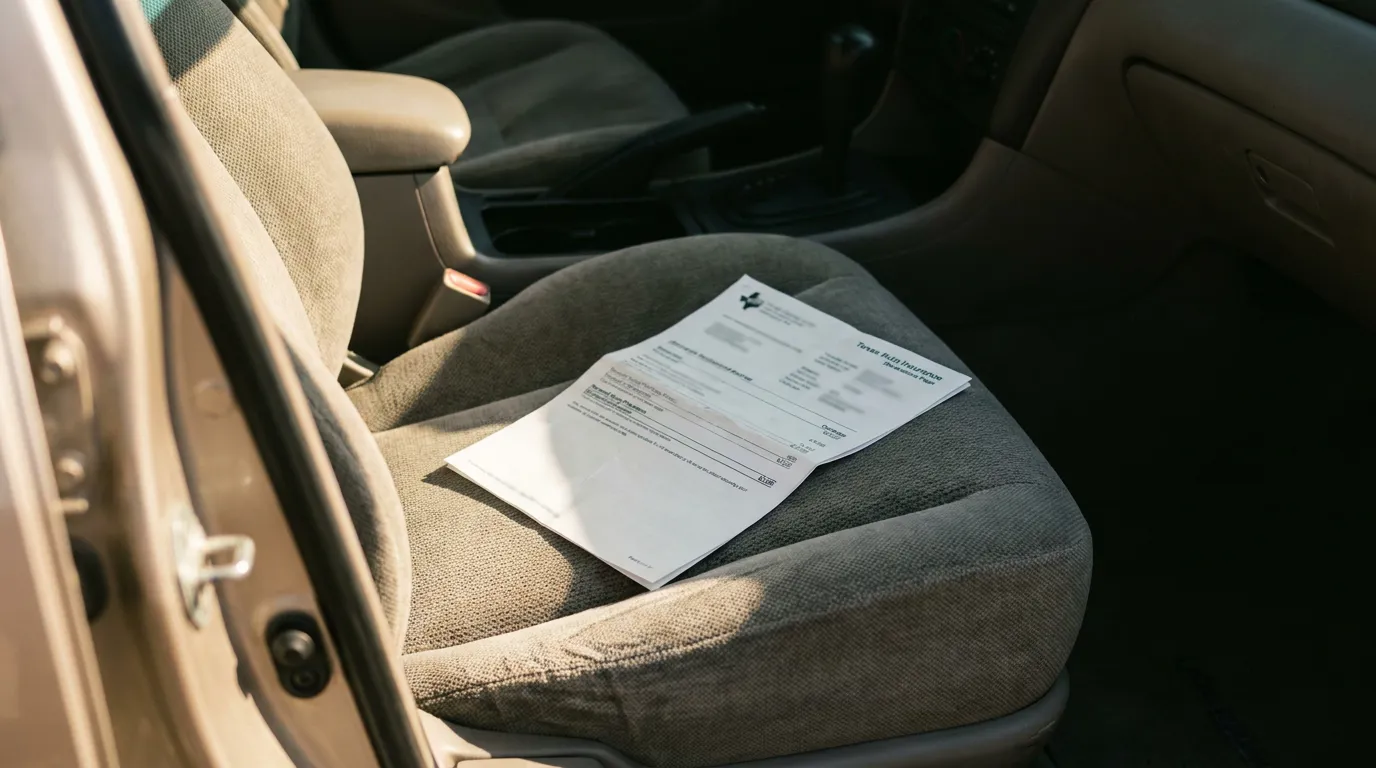
Why Your Auto Policy May Already Include PIP Benefits You Never Knew About
Key Takeaways: Under the Texas $2,500 PIP written rejection rule, personal injury protection is included by default in Houston auto liability policies and typically removed only when a named insured rejects it in writing. Insurers must make at least $2,500 per person available in the aggregate. Verbal statements generally do not remove coverage. PIP pays without regard to fault and covers reasonable medical care, income replacement (typically 80 percent), household services, ambulance and hospital charges, and funeral services for expenses incurred within three years. A prior written rejection carries forward through renewals with the same or affiliated insurer, and restoring coverage requires a written request.
If you were hurt in a Houston crash and were told you "don’t have PIP," that answer may be incorrect. Under Texas law, personal injury protection is built into auto liability policies by default and removed only when a named insured rejects it in writing. The "$2,500" refers to the maximum per-person benefit insurers are legally required to make available. Together, these form the Texas PIP $2,500 written rejection rule, which can affect whether you have immediate money for medical bills and lost income after a wreck.
If an adjuster told you PIP was declined and you never signed anything, the team at Payne Law Firm can help you review your policy and request documentation. Call 713-223-5100 or schedule your free consultation today to talk with someone who will treat you like family, not a claim number.
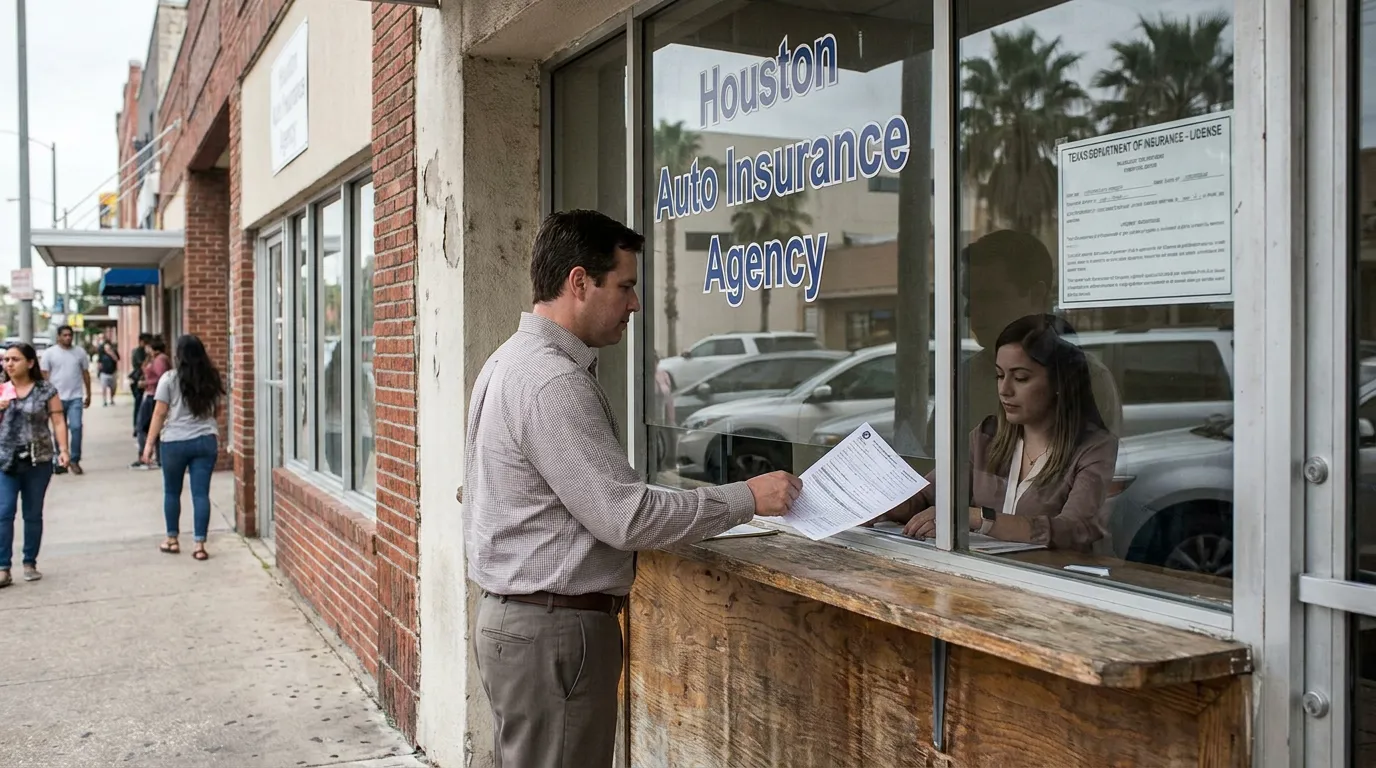
How Texas Insurance Code PIP Requirements Start With Automatic Coverage
Texas begins from a pro-policyholder default: PIP is included unless you remove it. Under Tex. Ins. Code § 1952.152(a), an insurer "may not deliver or issue for delivery in this state an automobile liability insurance policy… unless the insurer provides personal injury protection coverage in the policy or supplemental to the policy." Houston drivers generally carry PIP automatically from policy issuance.
Texas is not a mandatory-PIP state, which creates confusion. Insurers must provide coverage unless rejected, but named insureds can decline it. "Not mandatory" does not mean "not included." Coverage stays on the policy until an affirmative written step removes it.
Many injured people never learn about their PIP until after a collision. Adjusters may not volunteer it, and drivers rarely reread declarations pages. Reviewing your declarations page and original application is often the fastest way to confirm whether PIP benefits are available.
What the Texas PIP 2500 Written Rejection Rule Actually Requires
The rule has two halves: a writing requirement and a dollar limit. On the writing side, Tex. Ins. Code § 1952.152(b) provides that required coverage "does not apply if any insured named in the insurance policy rejects the coverage in writing." On the dollar side, Tex. Ins. Code § 1952.153 states the subchapter "does not require an insurer to provide personal injury protection coverage in an amount that exceeds $2,500 for all benefits, in the aggregate, for each person." Medical bills, income loss, household services, and funeral expenses draw from the same per-person limit.
Because the statute requires a writing, oral statements generally do not count. Telling an agent you "don’t need extras" or failing to ask about PIP does not satisfy the statutory rejection. Electronic signatures and online applications can present harder questions, and whether a document qualifies as a valid rejection is fact-dependent.
The $2,500 figure is the cap on what insurers are legally required to provide, not a floor. Insurers may voluntarily offer higher limits when available, which can matter enormously in serious collisions. Review the full framework in the Texas Insurance Code Chapter 1952 provisions.
Default Rule vs. Rejection: A Quick Comparison
| Situation | General Effect Under Chapter 1952 |
|---|---|
| No signed rejection on file | PIP coverage generally applies, at least at the $2,500 level |
| Verbal statement declining PIP | Generally insufficient; the statute requires a written rejection |
| Signed written rejection by a named insured | Required coverage generally does not apply, subject to the policy’s terms |
| Renewal or reinstatement after a prior written rejection | Insurer generally need not add PIP back absent a written request |
What PIP Coverage in Houston Actually Pays For
PIP benefits reach further than most people expect. Under Tex. Ins. Code § 1952.151(3)(A)-(C), covered benefits include necessary medical, surgical, x-ray, or dental services, including prosthetic devices, plus ambulance, hospital, professional nursing, or funeral services. For income producers, PIP provides income replacement, which standard Texas policy forms commonly limit to 80 percent of actual loss. For non-income producers, it may reimburse necessary expenses for essential services the injured person ordinarily performs for family or household care.
The statute defines who is covered and how long expenses may accrue. Section 1952.151 extends payment to the named insured, household members, and any authorized operator or passenger of the named insured’s vehicle. Expenses must be incurred no later than the third anniversary of the accident date.
Practical coverage includes:
- Emergency room, imaging, and follow-up treatment
- Portion of income lost while recovering
- Household or childcare help needed because of injuries
- Ambulance transport and hospital charges
- Funeral services in fatal crashes
Why PIP Pays Regardless of Fault
PIP is first-party, no-fault coverage. Benefits are paid without regard to fault, so an injured Houston driver may pursue benefits under their own policy even while fault is investigated. Under § 1952.155(b), an insurer paying benefits under required coverage generally has no right of subrogation, so those payments typically are not repaid from a later liability recovery. This structure bridges the gap while liability carriers dispute responsibility.
This advantage matters in comparative-fault disputes. Texas liability claims often stall while adjusters argue about percentages, and medical providers rarely wait. Understanding how personal injury protection benefits function as no-fault coverage can help avoid unnecessary treatment delays.
💡 Pro Tip: Request a certified copy of your full policy, including the application and any rejection form, in writing. If the insurer cannot produce a signed rejection by a named insured, that absence may support your position that PIP coverage remains in force.
How Rideshare Drivers Fit Into the Framework
Texas extends PIP concepts to transportation network companies. Under Tex. Ins. Code § 1954.052, when a rideshare driver is logged on and available but not yet engaged in a prearranged ride, the applicable policy must provide "personal injury protection coverage where required by Section 1952.152," meaning the same written-rejection rule applies. The rideshare insurance requirements in Chapter 1954 spell out coverage phases in detail.
Rideshare claims involve additional layers that complicate recovery. Deductibles, coverage phases, and company policies interact in surprising ways. Our discussion of the $2,500 Lyft deductible explains another cost that frequently catches injured people off guard.
How a Prior PIP Written Rejection Follows You Forward
A rejection is not necessarily a one-time event. Section 1952.152(b) provides that unless the named insured requests coverage in writing, the insurer is not required to provide it in a reinstated or renewal policy if the named insured rejected coverage in connection with that policy or a policy previously issued by the same or an affiliated insurer. One signature years ago may follow you through many renewals.
Restoring PIP generally requires a written request. Calling your agent may not trigger the statutory obligation. Sending a dated written request, and keeping a copy, is a simple step that may protect your family after a future crash.
Documenting Lost Wages Under a PIP Claim
Loss-of-income benefits come with documentation conditions. Tex. Ins. Code § 1952.154 allows an insurer to require reasonable medical proof of injury causing income loss. Gathering off-work notes and employer wage records early reduces friction, and § 1952.156 generally requires payment within 30 days after the insurer receives satisfactory proof.
Incomplete paperwork is the most common reason wage claims stall. Treating consistently and asking your physician to document work restrictions can make a difference. A houston injury lawyer can help organize this proof.
What Happens When an Insurer Denies PIP Anyway
Once coverage exists, Texas law governs claim handling. Chapter 542 addresses processing and settlement of claims, including unfair settlement practices and prompt-payment obligations with potential penalties and interest for late payment. If an insurer denies PIP by asserting a rejection it cannot produce in writing, that framework may become relevant.
Outcomes are fact-dependent. Whether a rejection form is valid, whether a delay violates prompt-payment provisions, and what remedies may apply all depend on specific documents, dates, and policy language.
💡 Pro Tip: Put every PIP request and denial in writing and keep the dates. A clean paper trail is often the most useful thing an injured person brings to a first consultation.
Frequently Asked Questions
1. Do I have PIP if I never asked for it?
Generally, yes. Section 1952.152(a) requires insurers to provide PIP in or supplemental to Texas auto liability policies unless a named insured rejected it in writing.
2. Can my insurer claim I rejected PIP verbally?
The statute conditions removal on written rejection by an insured named in the policy. Whether any document satisfies that requirement is fact-specific.
3. Is $2,500 the most PIP I can have?
Insurers are only legally required to provide up to $2,500 per person under Section 1952.153, which sets the cap on the mandatory coverage obligation. Insurers may voluntarily offer higher limits when available.
4. Can I use PIP if the crash was my fault?
PIP is designed to be paid without regard to fault, so benefits may be available even when you contributed to the collision, subject to policy terms.
5. How long do I have to incur PIP-covered expenses?
Section 1952.151 requires covered expenses be incurred no later than the third anniversary of the accident date, separate from civil lawsuit deadlines.
Protecting Benefits You May Already Have
The Texas PIP $2,500 written rejection rule protects drivers from losing coverage by accident. PIP is generally provided by default under § 1952.152(a), disappears only through written rejection by a named insured under § 1952.152(b), is capped at a mandatory maximum of $2,500 per person in the aggregate under § 1952.153, and is designed to pay without regard to fault. If an insurer tells you the coverage is gone, ask for the signed document.
For more than 20 years, Payne Law Firm has helped over a thousand injured individuals and families pursue the compensation they sought, and Attorney Jason E. Payne is Board Certified in Personal Injury Trial Law by the Texas Board of Legal Specialization. Call 713-223-5100 or request your free case review to have your policy and options explained clearly, with the compassion and personal attention you deserve.
Disclaimer: This content is for informational purposes only and is not legal advice. Every case is unique, and results may vary. Consult an attorney about your specific circumstances.