
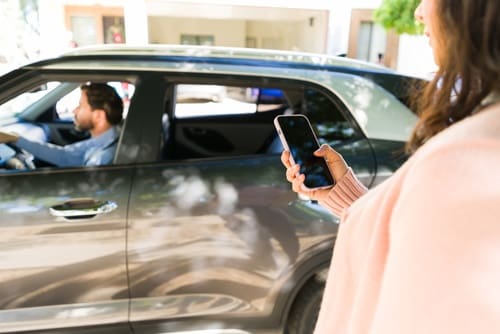
Can a Lyft passenger file an injury claim? In most cases, yes: a rider injured during a Lyft trip can bring an injury claim. Because Lyft passengers are rarely at fault for a collision, they are often in a strong position to pursue compensation.
However, the process involves navigating layered insurance policies, identifying the at-fault party, and meeting strict filing deadlines under Texas law. Knowing how rideshare policies work, and what to do once the crash is over, can shape how your claim turns out. If you were injured as a Lyft passenger, a Houston rideshare accident lawyer can help you understand your options.
Who Can Be Held Liable

Determining fault is a key step in any Lyft passenger injury claim. Several parties could bear responsibility depending on the circumstances, and in some cases, more than one party may share liability.
When the Lyft Driver Is at Fault
If your Lyft driver caused the accident through negligence, such as distracted driving or running a red light, Lyft’s $1 million liability policy generally covers your injuries during an active ride. You would file a claim against this policy to seek compensation. While Lyft classifies drivers as independent contractors, the insurance coverage remains available to passengers.
Claims like negligent hiring, retention, or entrustment may also be available under certain circumstances, as our article on rideshare negligent hiring claims explains.
When a Third-Party Driver Is at Fault
If another driver caused the collision, you must generally first file a claim with that driver’s insurance. However, if that driver has no insurance or insufficient coverage, you may be able to make a claim on the UM/UIM policy provided by Lyft. This fallback coverage is an important safety net for passengers, particularly in accidents involving uninsured motorists on Houston’s busy roads.
Our page on Houston car wreck injury claims covers crashes with other motorists.
Pro Tip: Gather the contact and insurance information of all drivers involved in the accident, not just your Lyft driver.
How Rideshare Insurance Covers a Rider
How much coverage you can reach turns on what the driver was doing in the app when the collision happened. Lyft’s coverage operates on a tiered system with distinct periods, and the differences in available coverage are substantial.
Period 1: App On, Waiting for a Ride Request
Coverage is thin while a driver is logged in to Lyft and still waiting to accept a trip. Lyft’s contingent policy in this window usually pays only when the driver’s own auto insurer declines to cover the crash. Our guide explains how the Period 1 coverage cap can limit recovery.
Periods 2 and 3: Ride Accepted or Passenger in the Vehicle
Once a ride is accepted and while a passenger is being transported, Lyft’s $1 million liability coverage and uninsured/underinsured motorist (UM/UIM) coverage apply. This is the coverage tier most relevant to injured Lyft passengers. If you were in the car during your ride when the accident occurred, you generally fall under this $1 million policy. Lyft’s $1 million liability policy may need to be divided among all injured claimants in the same accident.
When the App Is Off
A driver who was logged out of the app when the crash happened is covered by their personal auto policy alone, with nothing from Lyft. Many personal auto insurance policies exclude coverage during rideshare activities, which can create gaps. Read more about coverage gaps in rideshare insurance.
Pro Tip: If you were injured as a passenger during an active Lyft ride, do not accept a quick settlement before understanding the full extent of your injuries. The $1 million policy limit may be available, and early offers rarely reflect your claim’s true value.
Compensation a Passenger Can Claim
A passenger’s claim can reach past today’s medical bills to cover care still needed later, a reduced ability to earn, and harms like pain and suffering. Your lawyer may also ask to be paid for losses that are harder to see, including emotional distress and a lost ability to enjoy daily life, which no-fault states might restrict.
Losses a Passenger May List
- Medical bills, now and later
- Income lost while recovering
- Reduced ability to earn
- Pain and emotional distress
How Texas Fault Rules Fit In
While Texas follows traditional at-fault insurance rules, passengers coming from no-fault states often misunderstand their rights here. In Texas, establishing fault remains crucial for recovery, but passengers rarely face this burden since they weren’t controlling either vehicle.
Texas law allows rideshare passengers to seek full compensation for non-economic damages without artificial caps or thresholds. Unlike no-fault states where passengers must prove permanent injury or exceed specific medical expense amounts, Texas passengers can recover for any injury caused by another’s negligence. See the way Texas fault rules shape a rideshare claim for more detail.
Pro Tip: Write a short note each day about how much you hurt, what you had to skip, and how you are coping emotionally. Texas courts consider these non-economic damages seriously in passenger injury cases.
What to Do After a Rideshare Crash
The steps you take soon after a Lyft collision can make your claim for compensation stronger. The following actions can help protect your legal rights:
- Have a medical exam soon after the crash, even if nothing seems wrong. Concussions and soft tissue injuries, for example, can take time to show up.
- Tell both Lyft, through its app, and the police about the crash. An official police report creates valuable evidence.
- Save a screenshot of the ride information Lyft shows for your trip.
- Where it is safe, take pictures of the damaged vehicles, the road surface and any visible injuries.
- Save all records related to your medical treatment, lost income, and out-of-pocket expenses.
- Hold off on a recorded statement to any insurer until you know where you stand legally.
See why saying you’re okay after a rideshare crash can work against you.
Preserving evidence early is particularly important in rideshare cases because digital records from the app, GPS data, and driver status logs can disappear or become harder to obtain over time. An experienced attorney can help secure this evidence.
How a Lawyer Can Help With a Passenger Claim
Even a strong passenger claim can get complicated when several insurers are involved. A lawyer can gather the trip records, work out which policy applies, and handle adjusters while you focus on treatment.
Payne Law Firm is a Black-owned personal injury practice.
What to Bring to a First Meeting
- Your trip receipt or screenshots
- The police report number
- Medical records and bills
- Letters from any insurance company
For a step-by-step view of the process, read the steps for filing an Uber injury claim.
Our list of questions worth asking before you hire counsel can help you choose.