
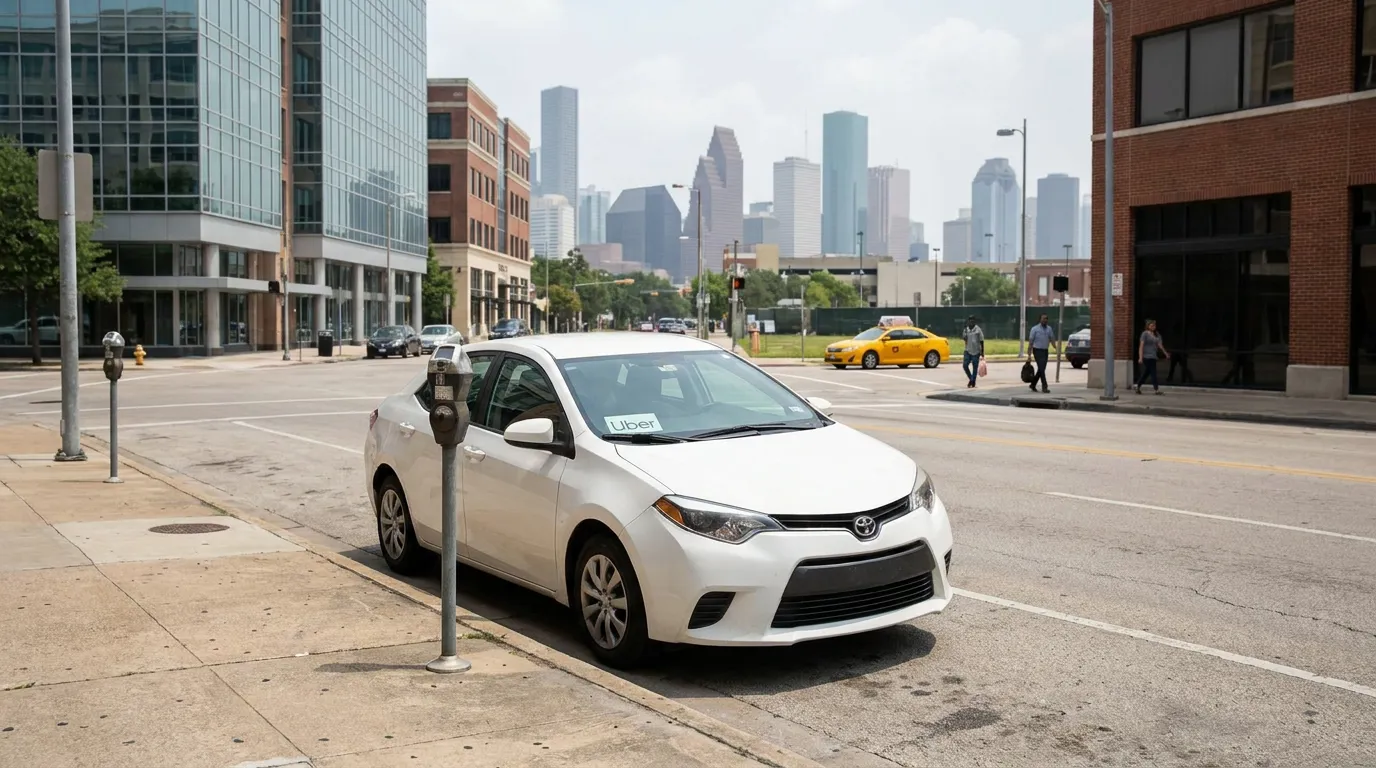
When Every Minute Counts After a Houston Rideshare Crash
Key Takeaways: Filing an Uber accident injury claim in Houston centers on five core actions: preserving evidence at the scene, identifying which insurance "period" applied when the crash occurred, proving negligence, documenting your losses, and meeting Texas deadlines. The driver’s app status is often decisive, since Period 1 offers limited coverage under Tex. Ins. Code § 1954.052, while an active prearranged ride triggers at least $1 million in coverage plus UM/UIM protection under § 1954.053. After a crash, prioritize safety, report to police per Tex. Transp. Code § 550.026, seek medical care, and screenshot your trip details. Liability may rest with the rideshare driver, another motorist, or multiple parties. Most personal injury claims must be filed within two years under Tex. Civ. Prac. & Rem. Code § 16.003. Passengers, other drivers, pedestrians, and cyclists can all pursue claims.
If you were hurt in a crash involving an Uber, the path to compensation depends on understanding rideshare insurance, negligence, and Texas deadlines. Filing an Uber accident injury claim in Houston means preserving evidence, identifying which insurance "period" applied at the collision, documenting your losses, and pursuing the responsible party within the legal time limit. The steps you take immediately after the crash can shape your claim’s strength.
At Payne Law Firm, we treat our clients like family and walk beside you through every stage. If you have questions after a rideshare collision, call us at 713-223-5100, reach out through our confidential contact page, or learn more about how Payne Law Firm helps injured Houstonians. Your first consultation is free.
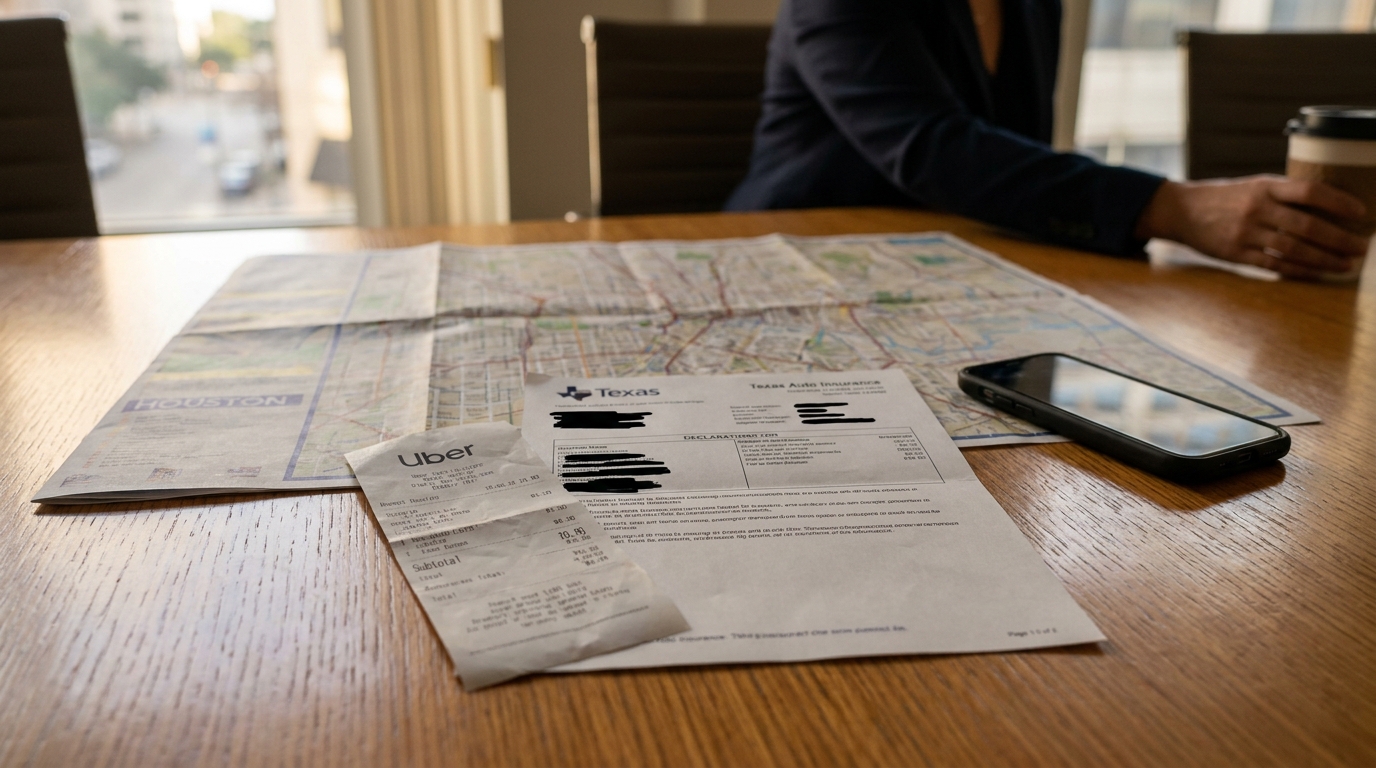
Understanding How Uber Insurance Coverage Works in Texas
The single most important factor in many rideshare claims is the driver’s status in the app at the moment of impact. Texas Occupations Code Chapter 2402 governs Transportation Network Companies like Uber and Lyft, setting insurance and operational standards statewide. Under Texas Insurance Code § 1954.051, the driver, the company, or both must maintain primary automobile coverage while the driver is logged on or engaged in a prearranged ride.
Coverage amounts shift dramatically depending on the trip phase. You can review the underlying Texas TNC insurance requirements to see how limits are structured.
| Driver Status | Coverage (General Rule) | Governing Statute |
|---|---|---|
| Offline / app off | Driver’s personal auto policy | Personal policy |
| Period 1: logged on, waiting for a request | $50,000 per person / $100,000 per incident bodily injury; $25,000 property damage | Tex. Ins. Code § 1954.052 |
| Periods 2 & 3: ride accepted through trip completion | At least $1 million aggregate liability, plus UM/UIM where required | Tex. Ins. Code § 1954.053 |
These distinctions matter because available compensation can vary by hundreds of thousands of dollars. During Period 1, when a driver is logged in but has not accepted a ride, coverage is limited under Tex. Ins. Code § 1954.052. Once a ride is accepted, Tex. Ins. Code § 1954.053 requires at least $1 million in aggregate liability coverage per incident, plus uninsured/underinsured motorist protection. That $1 million policy is often the cornerstone of a serious Houston Uber crash filing.
💡 Pro Tip: If you can safely do so at the scene, ask the rideshare driver whether the app showed an active trip. That single detail can later determine which insurance period, and which coverage limits, apply to your claim.
Step-by-Step: How to File a Rideshare Claim After a Houston Collision
Knowing the rideshare claim steps in advance helps you protect your rights when you are overwhelmed and in pain. The Uber accident claim process in Texas generally follows a predictable sequence, though every case turns on its own facts.
Document the Scene and Preserve Evidence
Evidence disappears quickly, so gather what you can right away. Open the Uber app and screenshot the trip page, this is crucial proof of ride status, driver information, and accident time. Photographs, witness contact information, and license plates all strengthen a future claim.
Helpful items to collect at the scene:
- Screenshots of the Uber trip page showing the driver and ride status
- Photos of vehicle damage, injuries, road conditions, and traffic signals
- Names and phone numbers of any witnesses
- The rideshare driver’s name, license plate, and insurance details
Report the Crash and Seek Medical Care
Texas law requires prompt reporting, and your health comes first. Under Tex. Transp. Code § 550.026, operators involved in collisions causing injury, death, or disabling vehicle damage must immediately notify local police when the crash occurs within a municipality like Houston. The police report becomes key evidence. Seek medical attention even if you feel fine, because some injuries surface days later, and a documented treatment record links your injuries to the crash.
💡 Pro Tip: Keep a simple journal of your symptoms, missed workdays, and out-of-pocket costs. This contemporaneous record often supports your claim for both economic and non-economic damages far better than memory alone.
Proving Negligence and Identifying Who Is Liable
A successful claim generally requires showing that another party’s negligence caused your injuries and damages. That may mean the rideshare driver, another motorist, or multiple parties. If a third-party driver caused the crash, you would typically file first with that driver’s insurer. When that driver is uninsured or carries insufficient limits, you may access the uninsured/underinsured motorist coverage Uber or Lyft provides during an active trip, subject to policy terms.
Liability questions in rideshare cases are rarely simple. Establishing the driver’s app status, the collision cause, and the full extent of your damages can require accident reconstruction, medical records, and careful legal analysis. Our overview of the four insurance periods in a Houston Uber crash breaks down how each phase affects your recovery. Courts and insurers will scrutinize these details, so building a thorough record matters.
💡 Pro Tip: Avoid giving a recorded statement to any insurance adjuster before speaking with counsel. Casual remarks can be taken out of context and used to minimize the value of your claim.
Deadlines That Could Make or Break Your Houston Uber Injury Claim
Texas sets firm time limits, and missing them can end an otherwise strong claim. Under Tex. Civ. Prac. & Rem. Code § 16.003, the general statute of limitations for personal injury actions is two years from the accident date. You can review the controlling two-year limitations period directly in the statute. Filing suit after that window closes generally means losing the right to recover damages.
Certain narrow circumstances may extend or pause a deadline, but courts interpret these exceptions strictly. For example, Tex. Civ. Prac. & Rem. Code § 16.0045 provides longer periods for claims involving certain offenses. A discovery rule may, in limited cases, delay when the two-year clock begins for inherently undiscoverable injuries. Government administrative claim deadlines are separate from civil statutes of limitations.
💡 Pro Tip: Because deadlines can be shorter when a government vehicle or entity is involved, confirm your specific filing window early rather than waiting until the two-year mark approaches.
How an Uber Accident Lawyer Houston Victims Rely On Can Help
Navigating insurers, statutes, and medical bills alone is difficult, especially while you are healing. A seasoned uber accident lawyer Houston families turn to can help establish the driver’s coverage period, gather evidence, calculate damages, and litigate when an insurer refuses fair compensation. At Payne Law Firm, Attorney Jason E. Payne is Board Certified in Personal Injury Trial Law by the Texas Board of Legal Specialization, and the firm has been recognized by Texas Super Lawyers from 2019 to 2026. With more than 20 years of service, we have helped over a thousand injured individuals pursue the compensation they deserved.
Our roots in this community shape the way we practice. Attorney Payne, a Port Arthur native, built his practice around helping injured Houstonians feel heard during stressful moments. Our team of Houston rideshare injury attorneys offers compassionate guidance through our rideshare accident claim Texas practice.
Frequently Asked Questions
How long do I have to file an Uber injury claim in Houston?
In most cases, you have two years from the accident date. Tex. Civ. Prac. & Rem. Code § 16.003 sets this general personal injury deadline, and missing it can bar recovery. Limited exceptions may apply, but courts construe them narrowly, so acting promptly is best.
Does Uber’s $1 million policy always apply to my crash?
Not necessarily, because coverage depends on the driver’s app status. The $1 million limit under Tex. Ins. Code § 1954.053 generally applies only during an active prearranged ride, while Period 1 coverage under § 1954.052 is more limited.
What should I do first after a rideshare accident?
Prioritize safety, call the police, and seek medical care. Under Tex. Transp. Code § 550.026, collisions causing injury within Houston must be reported to local police. Then screenshot your trip details in the app to preserve proof of ride status and timing.
What if the other driver who hit my Uber was uninsured?
You may be able to use the rideshare company’s UM/UIM coverage. If an at-fault driver is uninsured or carries insufficient limits, Uber or Lyft’s uninsured/underinsured motorist policy during an active trip may provide compensation, subject to policy terms and case facts.
Can I still recover if I was a pedestrian or cyclist?
Yes, injured pedestrians, cyclists, and occupants of other vehicles may pursue claims. Liability generally depends on proving negligence and identifying the applicable insurance period.
Moving Forward With Confidence After Your Rideshare Injury
Filing an Uber accident injury claim in Houston comes down to preserving evidence, pinpointing the driver’s insurance period, proving negligence, documenting your damages, and meeting the two-year deadline under Tex. Civ. Prac. & Rem. Code § 16.003. The framework set by Texas Occupations Code Chapter 2402 and Tex. Ins. Code §§ 1954.051 through 1954.053 gives injured victims real avenues for recovery. Taking informed action early protects both your health and your legal rights.
You do not have to face the insurance companies alone. Connect with Payne Law Firm for compassionate, personalized support, call us today at 713-223-5100, or request your free consultation so we can help you understand your options and move forward.