
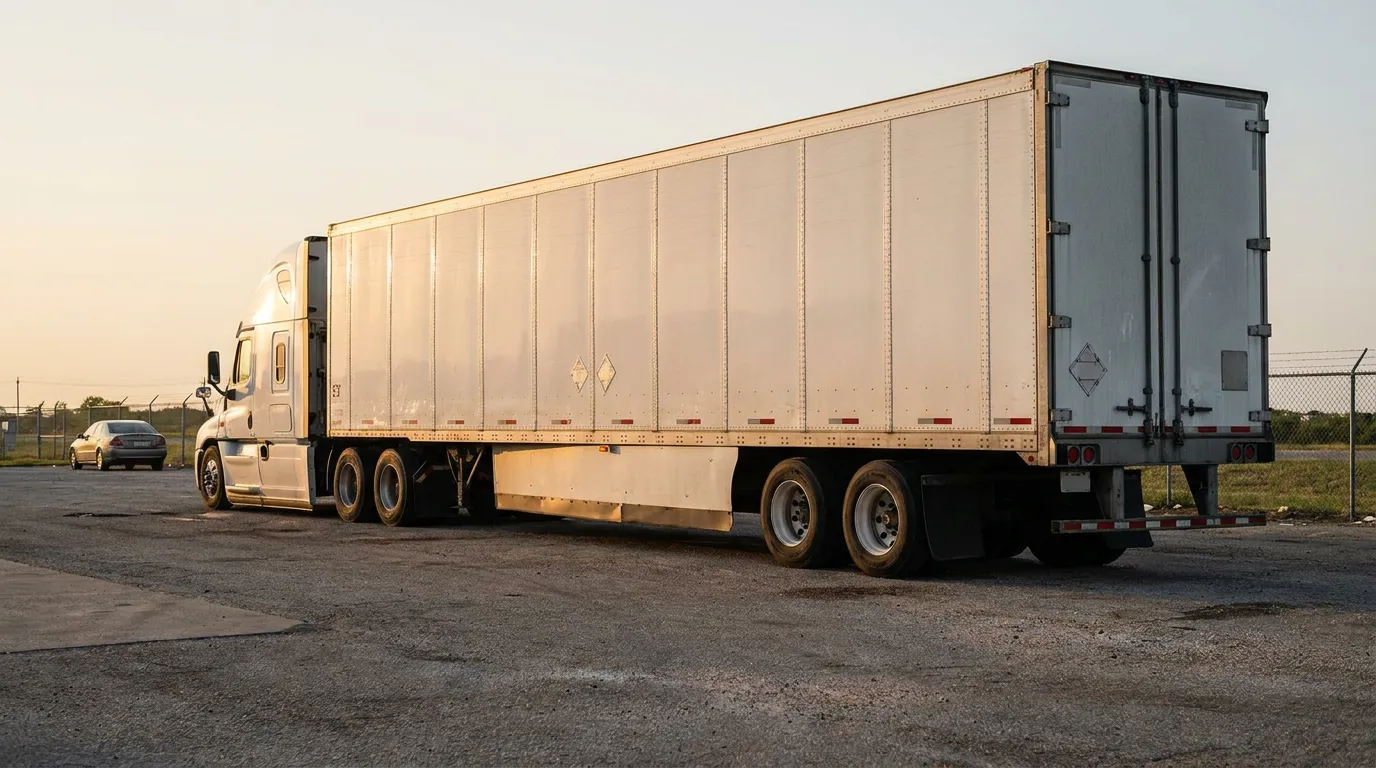
Understanding the Massive Machines Behind Houston Blind Spot Crashes
Key Takeaways: A truck no zone is a large blind spot around commercial trucks where drivers cannot see nearby vehicles, creating deadly dangers on Houston freeways like I-10, I-45, and the 610 Loop. Texas caps standard tractor-trailers at 80,000 pounds, with certain permitted six- and seven-axle rigs reaching 93,000 or 100,000 pounds only under specialized conditions requiring blind spot and roll stability systems. This mass demands far greater stopping distance and limits avoidance capability. To recover after a no zone collision, you must prove negligence, causation, and damages. Liability may extend to the trucking company, maintenance providers, cargo loaders, or equipment manufacturers under Texas proportionate responsibility rules. Texas generally imposes a two-year deadline to file truck crash claims, making prompt action critical. Payne Law Firm offers compassionate, experienced guidance in pursuing fair compensation.
A truck no zone is a large blind spot surrounding a commercial truck where the driver cannot see nearby vehicles. When an 80,000-pound big rig cannot see your car, even a routine lane change can turn deadly. These zones exist around the front, rear, and both sides of a tractor-trailer, creating some of the most catastrophic crashes on Texas roads.
At Payne Law Firm, we treat our clients like family. If you or a loved one was hurt, call us at 713-223-5100 or reach out through our online contact form to speak with the compassionate team at Payne Law Firm.
What Is a Truck No Zone and Why It Puts Houston Drivers at Risk
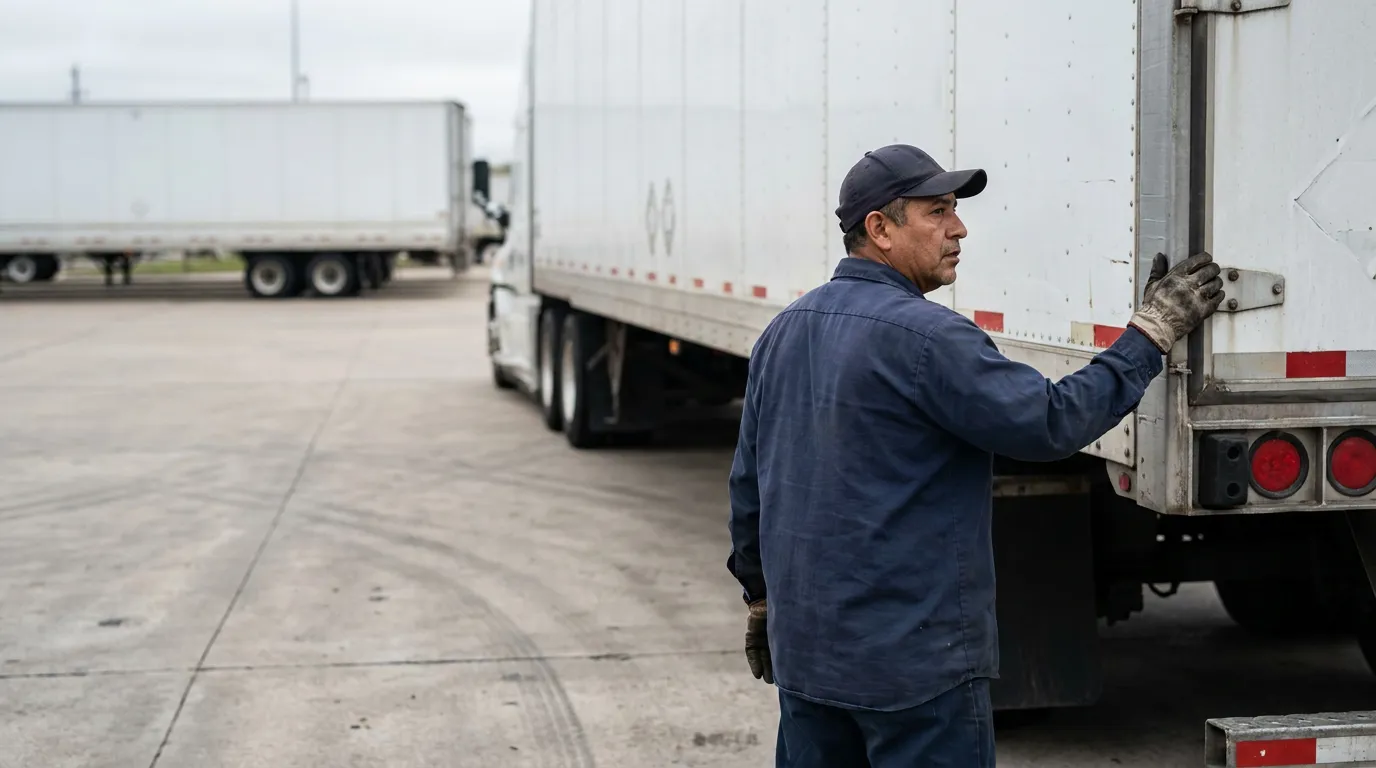
A no zone is the area around a commercial truck where the driver’s mirrors and sightlines fail to capture smaller vehicles. These blind spots are far larger than those on a passenger car, and a fully loaded semi can hide an entire sedan within them. When a trucker changes lanes, merges, or backs up without spotting a vehicle in these areas, the results are often severe.
Houston’s dense freeway network makes these zones especially dangerous. Heavy traffic on I-10, I-45, and the 610 Loop forces cars and big rigs into close quarters, where a single misjudged lane change can trigger a collision.
The four classic no zones include:
- Front no zone: The area directly ahead of the cab, where high seating hides vehicles close to the bumper.
- Rear no zone: The space behind the trailer, where the driver has no rearview mirror sightline.
- Left side no zone: A blind spot running along the driver’s side, smaller but still hazardous.
- Right side no zone: The largest blind spot, extending across multiple lanes on the passenger side.
💡 Pro Tip: If you cannot see the truck driver’s face in the truck’s side mirror, assume the driver cannot see you either.
The 80,000-Pound Factor: Why Truck Weight Multiplies the Harm
Texas law caps the standard gross weight of a tractor-trailer at 80,000 pounds, which explains why these crashes are so destructive. Under Texas Transportation Code Section 621.101(b), the overall gross weight on a group of two or more consecutive axles may not exceed 80,000 pounds, including all enforcement tolerances, though narrow exceptions exist. You can review the governing statute on Texas truck weight limits maintained by the state legislature.
The law also sets per-axle caps under Texas Transportation Code Section 621.101(a)(1)-(2). These provisions prohibit a single axle weight heavier than 20,000 pounds or a tandem axle weight heavier than 34,000 pounds. These distribution rules explain why a heavily loaded rig needs far greater stopping distance and cannot maneuver quickly to avoid a car in its path.
Heavier Permitted Loads and the Safety Equipment Trade-Off
Some trucks legally operate above 80,000 pounds, but only under strict permit conditions tied to safety technology. Texas Transportation Code Section 623.0172(b) allows the state to issue an annual permit for international transport of an intermodal shipping container by a six-axle truck-tractor and semitrailer combination equipped with a roll stability support safety system and truck blind spot systems only if the gross weight does not exceed 93,000 pounds. A parallel provision, Texas Transportation Code Section 623.402(b), extends comparable treatment to certain seven-axle combinations up to 100,000 pounds, again conditioned on installed blind spot systems.
This linkage between extra weight and blind spot monitoring is telling. The Texas Legislature treats blind spot technology as a safety trade-off for authorizing extra-heavy loads, reinforcing how dangerous semi truck blind spots are. When a carrier ignores or disables that equipment, it may become important evidence in proving negligence.
| Configuration | Maximum Gross Weight | Key Condition |
|---|---|---|
| Standard tractor-trailer | 80,000 lbs | General statutory cap |
| Six-axle permitted combo | 93,000 lbs | Roll stability and blind spot systems required |
| Seven-axle permitted combo | 100,000 lbs | Roll stability and blind spot systems required |
💡 Pro Tip: After a serious crash, the truck’s permit class and required safety equipment can be powerful evidence, so preserve those records early with counsel assistance.
How Blind Spot Negligence Becomes a Truck Accident Claim
To recover compensation after a no zone collision, you must prove negligence, causation, and damages. This means showing that the truck driver or another liable party failed to use reasonable care, that this failure caused the crash, and that you suffered real harm. In many commercial truck crashes in Texas, more than one party may share responsibility.
Liability can extend well beyond the driver. Depending on the facts, the trucking company, a maintenance provider, a cargo loader, or an equipment manufacturer may bear fault. Building a strong case often requires accident reconstruction, driver logs, and inspection of onboard safety systems, and the records described in this overview of truck crash investigation evidence can prove decisive.
Proving What the Driver Could and Could Not See
Establishing the truck’s blind spot boundaries is central to a big rig blind spot case. Attorneys and reconstruction professionals may map the driver’s sightlines, review dashcam or telematics data, and analyze whether the driver checked mirrors before changing lanes. This work helps demonstrate whether a reasonably careful trucker should have seen your vehicle.
Insurance companies often try to shift blame onto the injured driver. Because Texas follows a proportionate responsibility system, an insurer may argue that you contributed to the crash to reduce what it pays. Under that system, a claimant who is more than 50 percent at fault is barred from recovering, and any recovery is reduced by the claimant’s percentage of responsibility. Thorough evidence helps counter these tactics and protects your right to fair compensation.
💡 Pro Tip: Avoid giving a recorded statement to the trucking company’s insurer before speaking with your own attorney, as early statements are frequently used to minimize claims.
Deadlines and Legal Thresholds That Affect Houston Truck Cases
Texas generally imposes a two-year deadline to file most injury and property damage lawsuits after a truck crash. Missing this window can bar recovery entirely, which is why acting promptly matters. You can read a general explanation of civil filing deadlines in this guide to the Texas statute of limitations, though courts interpret exceptions narrowly and specific deadlines depend on your facts.
Financial-responsibility rules also shape how claims unfold. Under Texas Transportation Code Section 601.151, the insurance-related subchapter applies to a collision resulting in bodily injury, death, or at least $1,000 in property damage.
A word of caution about deadline exceptions. Doctrines like the discovery rule or tolling may apply in limited circumstances, but they are not automatic and courts construe them strictly. Because outcomes depend heavily on individual facts, this article is general information rather than legal advice for your specific situation.
Why Injured Houstonians Turn to Payne Law Firm
For more than 20 years, Payne Law Firm has stood with injured Texans against powerful trucking and insurance interests. Attorney Jason E. Payne is Board Certified in Personal Injury Trial Law by the Texas Board of Legal Specialization, and the firm has helped over a thousand injured individuals and families pursue the compensation they deserved. A native of Port Arthur, Attorney Payne built his practice around helping people feel heard and respected during difficult times.
We know how overwhelming the aftermath of a crash can feel. For deeper mechanics of these blind spots, our related discussion of the truck no zone Houston issue offers additional context. To learn how our team handles these matters, visit our dedicated page for a Houston truck accident attorney.
Frequently Asked Questions
1. What is a truck no zone, and where are the biggest blind spots?
A truck no zone is an area around a commercial vehicle where the driver cannot see other cars. The largest is generally on the right side, extending across multiple lanes, while the rear and front zones also hide vehicles that sit too close.
2. How much can a legally loaded 18-wheeler weigh in Texas?
A standard tractor-trailer is capped at 80,000 pounds under Texas Transportation Code Section 621.101(b). Certain permitted six- and seven-axle combinations equipped with blind spot and roll stability systems may reach 93,000 or 100,000 pounds only under specialized permit conditions.
3. Who may be held responsible after a no zone collision?
Responsibility can extend beyond the driver. Depending on the evidence, the trucking company, a maintenance provider, a cargo loader, or an equipment manufacturer may share fault, subject to Texas proportionate responsibility principles.
4. How long do I have to file a truck accident lawsuit in Texas?
Texas generally applies a two-year statute of limitations to injury and property damage claims. Certain exceptions may apply in limited circumstances, but courts interpret them narrowly, so consult a lawyer quickly to protect your rights.
Protecting Your Rights After a Houston Truck Crash
Understanding what is a truck no zone, how truck weight amplifies harm, and how Texas law assigns responsibility can help you take meaningful steps after a devastating crash. These cases involve complex statutes, aggressive insurers, and tight deadlines. With the right guidance, injured people and grieving families can pursue fair compensation for medical costs, lost income, pain and suffering, and wrongful death losses.
You do not have to face the trucking companies and their insurers alone. Contact the compassionate team at Payne Law Firm today by calling 713-223-5100 or completing our free consultation request, and let us treat your family with the care and dedication you deserve.