
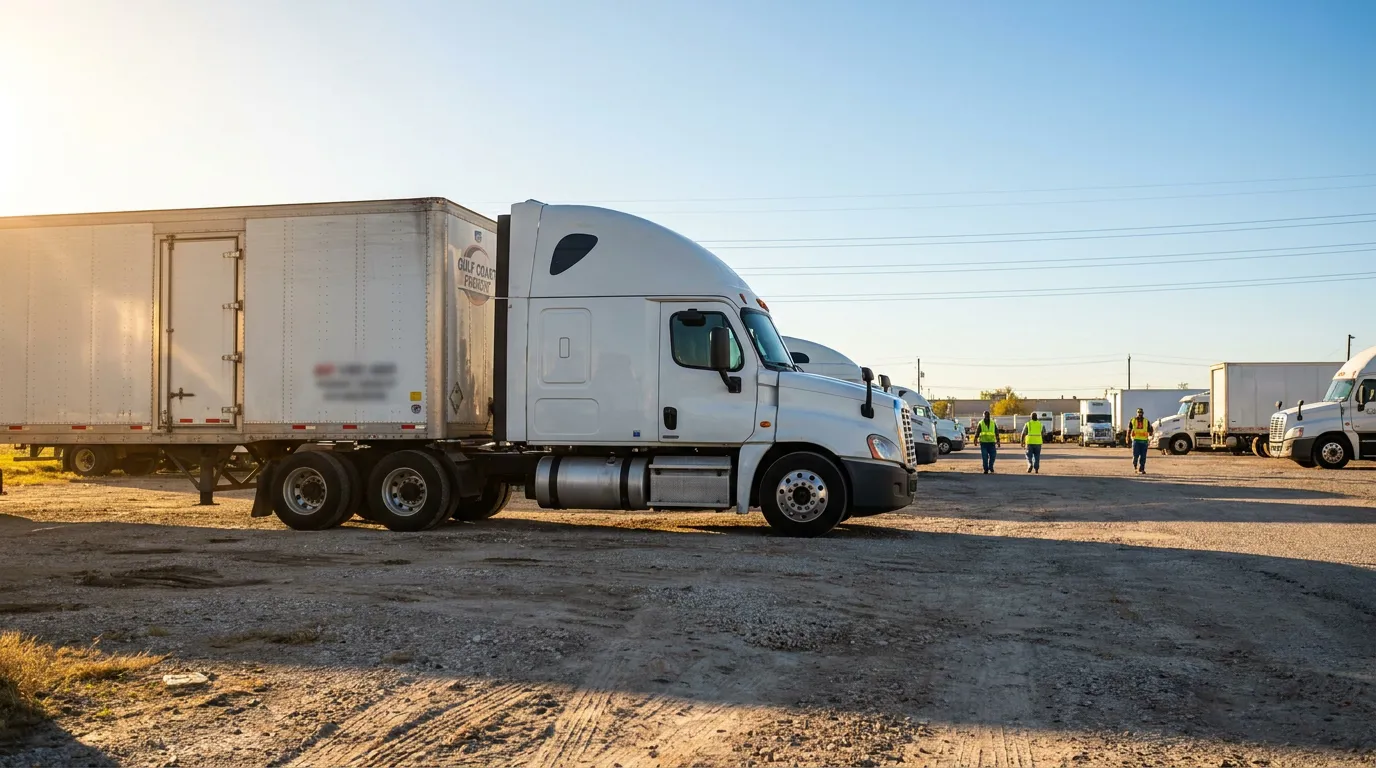
Understanding Who Bears Responsibility in a Houston Truck Crash
Key Takeaways: Yes, a shipper can be sued after a Houston 18-wheeler accident when evidence shows its conduct, such as overloading, misdeclaring weight, failing to disclose hazardous materials, or improper packaging, contributed to the crash. Proving cargo shipper negligence requires connecting the shipper’s actions to the collision through bills of lading, loading manifests, weight tickets, and accident reconstruction. Because commercial trucking involves multiple businesses, the driver, motor carrier, shipper, maintenance providers, and manufacturers may share liability simultaneously. Texas uses a modified comparative fault system, reducing recovery by your share of blame and barring it only if you are more than 50 percent at fault. Identifying every responsible party unlocks multiple insurance coverage layers and expands available compensation. A two-year statute of limitations generally applies, making quick action essential.
Yes, a shipper can sometimes be sued after a Houston 18-wheeler accident, but only when evidence shows the shipper’s own conduct contributed to the harm. Big rig collisions rarely involve a single careless act. When a fully loaded semi barrels down I-45 or the 610 Loop causing catastrophic injuries, those who loaded, packaged, or arranged the freight may share fault alongside the driver and trucking company.
📌 Take action today: If you or someone you love was hurt in a commercial truck wreck, Payne Law Firm is ready to listen. Call us at 713-223-5100 or reach out through our contact page to schedule a free consultation.
When Does a Cargo Shipper Become a Liable Party?
A shipper generally becomes a potential defendant when its role in preparing or securing freight falls below the standard of reasonable care. Shippers are companies that hand cargo over to carriers for transport. If they overload a trailer, misdeclare weight, fail to disclose hazardous materials, or improperly package items that later shift and cause a rollover, that conduct may amount to negligence.
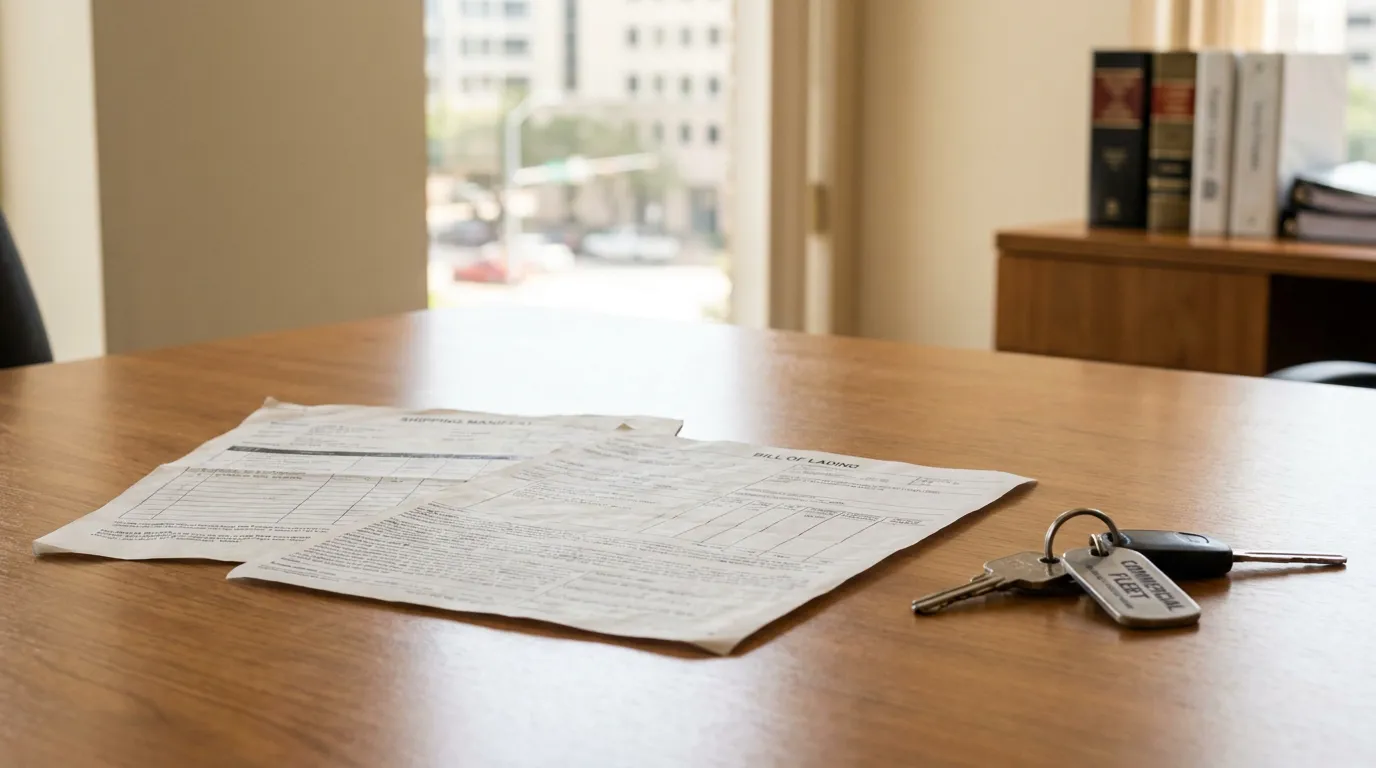
Proving cargo shipper negligence in Texas requires connecting the shipper’s actions to the crash itself. Bills of lading, loading manifests, weight tickets, and communications between shipper and carrier can reveal whether freight was mishandled before the truck left the dock. Accident reconstruction and cargo-securement analysis often help establish causation, which is essential because Texas law does not impose liability simply for supply chain involvement.
💡 Pro Tip: Preserve any photos of the truck, its cargo, and the scene immediately. Loading records and shipping documents can disappear quickly, and early evidence preservation often makes the difference in identifying every responsible party.
Can Multiple Parties Be Sued After a Houston Truck Accident?
In many Houston 18-wheeler crash cases, more than one party can be held accountable simultaneously. Texas law recognizes that commercial trucking involves layers of businesses, each owing a duty to the public. Potential defendants often include:
- The truck driver whose conduct directly caused the collision
- The motor carrier or trucking company that employed the driver
- The cargo shipper or freight loader responsible for the load
- Maintenance or repair companies that serviced the vehicle
- A parts or equipment manufacturer if a defect contributed
Employer responsibility frequently anchors these multi-defendant cases. Under the rules governing an employer’s commercial motor vehicle liability, Tex. Civ. Prac. & Rem. Code § 72.054(a) provides that when an employer stipulates the driver was its employee acting within the scope of employment, the employer’s liability for ordinary negligence is based on respondeat superior. This doctrine allows an injured person to hold a company vicariously responsible for its driver’s conduct.
Because the analysis is fact-specific, determining who can be sued requires thorough review. For a broader look at the range of businesses that may answer for a wreck, our discussion of who can be sued Houston truck crash situations explains how liability spreads across the trucking industry.
How Texas Divides Fault Among Shippers, Carriers, and Drivers
Texas uses a modified comparative fault system, not the older contributory negligence rule some insurers wrongly claim applies. The framework is called proportionate responsibility, governing how fault is allocated among everyone involved. The insurance industry describes this as comparative negligence in Texas, confirming that damages are divided according to each party’s assigned share rather than denied entirely when a claimant bears some blame.
Under this system, the amount you recover is reduced by your own percentage of responsibility. Texas Civil Practice and Remedies Code § 33.012 directs the court to reduce a claimant’s damages by that claimant’s percentage of responsibility. Importantly, Tex. Civ. Prac. & Rem. Code § 33.001 provides that a claimant may not recover damages if found more than 50 percent at fault.
Chapter 33 also allows fault to be spread across parties not originally named in the lawsuit. Under §§ 33.003 and 33.004, a defendant may designate a responsible third party, meaning a trucking company might shift blame onto a shipper, or vice versa. This mechanism cuts both ways, which is why an injured person benefits from counsel who can respond to attempts to redirect responsibility.
| Potential Defendant | Common Basis for Liability |
|---|---|
| Truck driver | Direct negligence in operation |
| Trucking company | Respondeat superior; negligent hiring |
| Cargo shipper | Improper loading, weight, or labeling |
| Maintenance provider | Failure to properly service the truck |
| Manufacturer | Defective parts or equipment |
💡 Pro Tip: Do not accept an adjuster’s claim that "contributory negligence" bars your case in Texas. That statement misstates the law, and being partially at fault does not automatically end your right to recover.
Insurance Layers That May Apply in an 18-Wheeler Case
Identifying every responsible party often unlocks multiple layers of insurance coverage. Commercial trucking generally carries higher policy limits than ordinary passenger vehicles, and separate defendants may bring separate policies. Texas law sets minimum motor vehicle liability coverage, with Tex. Transp. Code § 601.072 requiring baseline amounts of $30,000 for bodily injury or death of one person, $60,000 for two or more persons, and $25,000 for property damage. Commercial motor carriers must carry far more under federal and state regulations.
Pursuing several parties can expand the compensation potentially available for catastrophic injuries. When a shipper, carrier, and driver each contributed, their respective insurers may each bear a portion of the loss. This is one practical reason why a careful liability investigation, rather than a quick settlement with a single insurer, often protects the injured person’s long-term interests.
💡 Pro Tip: Before signing anything, ask whether all potentially liable parties and their insurers have been identified. Settling with one party too early can unintentionally affect claims against others.
Deadlines That Can Make or Break a Houston Truck Accident Claim
Texas generally requires that a personal injury lawsuit be filed within two years of the date the cause of action accrues. Tex. Civ. Prac. & Rem. Code § 16.003(a) provides that a person must bring suit for personal injury not later than two years after the day the cause of action accrues, which is typically the crash date. The same two-year window generally applies to property damage claims.
For wrongful death claims, the two-year clock is measured from a different starting point. Under § 16.003(b), a suit for injury resulting in death accrues on the death of the injured person rather than the collision date. Texas also defines who has standing to bring these claims under Tex. Civ. Prac. & Rem. Code § 71.004(a), which limits claimants to the surviving spouse, children, and parents of the deceased.
A statute of limitations sets a firm deadline, and missing it generally bars the claim from court. Courts interpret exceptions such as tolling or the discovery rule narrowly, applying them only in limited circumstances. Because deadlines can vary with facts and parties involved, consult a qualified Houston truck accident lawyer well before the two-year mark.
💡 Pro Tip: Civil lawsuit deadlines are separate from any administrative or governmental claim requirements. If a public entity is involved, additional and shorter notice deadlines may apply.
Frequently Asked Questions
1. Can a shipper always be held liable in an 18-wheeler accident Texas case?
No, liability is never automatic. A shipper may be held responsible only when its own negligence, such as improper loading or mislabeling, contributed to the crash. Evidence must connect the shipper’s conduct to the injuries.
2. What if I was partially at fault for the Houston commercial truck accident?
You may still recover damages under Texas proportionate responsibility rules. As long as you are not more than 50 percent at fault under § 33.001, you can pursue compensation, though your award is reduced by your share of responsibility.
3. How long do I have to file a truck accident liability Texas claim?
Generally two years from the crash date for injury claims. Wrongful death claims typically run two years from the date of death. Certain narrow exceptions may adjust this timeline, so prompt legal guidance is important.
4. Why does suing multiple parties matter after a Houston 18-wheeler crash?
Naming every responsible party can expand available insurance coverage. With separate policies from a driver, carrier, and shipper, pursuing all liable parties often improves the potential for full compensation.
5. Do I need to prove the shipper’s negligence myself?
Establishing cargo shipper negligence typically requires detailed evidence. Loading records, weight documentation, and reconstruction analysis help demonstrate fault, which is why thorough investigation is valuable.
Protecting Your Right to Full Compensation
A Houston 18-wheeler accident often involves several negligent parties, and a shipper may be one when its handling of cargo contributed to the wreck. Texas proportionate responsibility law allows fault to be shared among drivers, carriers, shippers, and others, while strict two-year deadlines govern when claims must be filed. Because these cases are fact-intensive and insurers frequently try to minimize what they owe, understanding your rights early is essential.
Payne Law Firm has proudly served injured Texans for more than 20 years, and Attorney Jason E. Payne is Board Certified in Personal Injury Trial Law by the Texas Board of Legal Specialization. A native of Port Arthur, he built this practice around helping injured Houstonians feel heard, informed, and respected during difficult times. If you are asking whether multiple parties can be sued after a Houston truck accident, let our team review your situation. Contact Payne Law Firm today by calling 713-223-5100 or requesting your free consultation online, and let us fight for the compensation you and your family deserve.