

If you drive on Houston’s busy highways, you share the road with thousands of 18-wheelers daily. Understanding what is a no zone in driving could be the difference between a safe commute and a catastrophic collision. A "no zone" refers to the large blind spots surrounding a commercial truck where the driver cannot see your vehicle, even with properly adjusted mirrors. These danger zones exist at the front, rear, and both sides of big rigs. Houston’s dense freight corridors along I-10, I-45, and US-59 make no-zone awareness essential for every driver.
If you or a loved one suffered serious injuries in a truck blind spot accident in Houston, Payne Law Firm is ready to help you pursue the compensation you deserve. Call 713-223-5100 or contact us today to discuss your case.
What Is a No Zone in Driving and How Does It Put Houston Drivers at Risk?
A no zone is any blind spot around a large commercial vehicle where the truck driver cannot see other motorists, pedestrians, or cyclists. The Federal Motor Carrier Safety Administration (FMCSA) identifies large blind spots as the number-one hazard when sharing the road with big rigs. Unlike passenger cars, trucks have blind spots extending approximately 20 feet in front of the cab, 30 feet behind the trailer, one full lane on the left side, and up to two full lanes on the right side.
Houston’s congested interstates force cars and trucks into close proximity for extended periods, increasing the likelihood that a vehicle will linger in a no zone. When a trucker changes lanes, merges, or brakes suddenly without seeing a nearby vehicle, the results can be devastating.
💡 Pro Tip: If you cannot see the truck driver’s face in their side mirror, the driver cannot see you. Pass trucks quickly and avoid lingering alongside them, particularly on their right side.
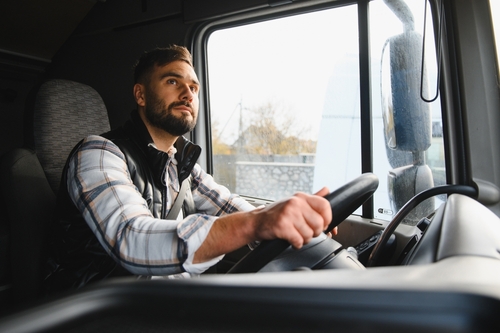
Understanding the Four Danger Zones Around a Commercial Truck
Every large truck has four distinct no zones, and each presents a unique hazard for nearby motorists.
Front No Zone
The area directly in front of a truck’s cab extends roughly 20 feet and is completely invisible to the driver. Cutting in front of a truck and then slowing down is extremely dangerous because trucks take approximately 40% longer to stop than passenger vehicles. A fully loaded tractor-trailer weighing up to 80,000 pounds needs significantly more stopping distance than a 4,000-pound passenger car.
Rear No Zone
The blind spot behind a truck’s trailer stretches about 30 feet. Following too closely eliminates your reaction time and places you where the trucker cannot monitor your position.
Side No Zones
The right-side blind spot is the most dangerous, spanning up to two full lanes wide and running nearly the entire length of the trailer. The left-side no zone is smaller but still covers one full lane. Many no-zone crashes occur when trucks make wide right turns or change lanes without detecting a vehicle riding alongside them.
| No Zone Location | Approximate Size | Key Risk |
|---|---|---|
| Front | 20 feet ahead of cab | Truck cannot stop quickly if you cut in |
| Rear | 30 feet behind trailer | Driver cannot see tailgating vehicles |
| Left Side | 1 lane wide | Lane changes and merging |
| Right Side | Up to 2 lanes wide | Wide turns and lane changes |
💡 Pro Tip: Always pass trucks on the left where the blind spot is narrower. Complete your pass promptly and do not cruise alongside the trailer.
Why No-Zone Truck Crashes in Houston Are So Dangerous
The size and weight disparity between commercial trucks and passenger vehicles makes every no-zone collision potentially catastrophic. Trucks weighing up to 80,000 pounds inflict far greater damage on smaller vehicles. Occupants frequently suffer traumatic brain injuries, spinal cord damage, crushed limbs, and fatal injuries.
Houston’s role as one of the nation’s largest freight hubs means an unusually high volume of 18-wheelers travel through the metro area daily. This heavy traffic creates more opportunities for no-zone accidents, particularly during rush hour. Fatigue also plays a significant role. Research from the Insurance Institute for Highway Safety found that truckers driving after at least 12 hours since an extended sleep period were 86% more likely to crash than drivers awake for less than eight hours.
💡 Pro Tip: If involved in a truck accident, document the truck’s company name, DOT number, and license plate immediately. This information is critical for investigating whether the driver or company violated federal safety regulations.
Who Can Be Held Liable for a No-Zone Truck Accident in Texas?
Determining liability after a no-zone crash often involves more than just the truck driver. Texas follows a modified comparative fault system under Texas Civil Practice and Remedies Code § 33.001, meaning an injured party can recover damages only if their percentage of responsibility does not exceed 50%.
The Truck Driver
A truck driver may be individually liable if they failed to check blind spots, changed lanes unsafely, or violated hours-of-service rules. Common causes include speeding, driver fatigue, distracted driving, poor vehicle maintenance, equipment failure, and improper cargo loading.
The Trucking Company
Trucking companies can be held vicariously liable for their drivers’ negligence under respondeat superior when the driver was acting within the scope of employment. Companies can also face direct liability for negligent hiring, failing to enforce maintenance schedules, or pressuring drivers to exceed legal driving hours.
Other Potentially Liable Parties
Cargo loading companies, vehicle manufacturers, and parts manufacturers may also bear liability. For example, if a defective mirror system prevented the driver from seeing your vehicle, the manufacturer could be a defendant. An IIHS-sponsored study found that serious vehicle defects tripled the risk of being involved in a crash. If you need to understand whom to sue after a truck accident, an experienced attorney can investigate every potential source of liability.
💡 Pro Tip: Trucking companies and their insurers often send investigators to crash scenes within hours. Contacting an attorney quickly helps preserve critical evidence before it can be altered or destroyed.
What Compensation May Be Available After a No-Zone Accident in Houston?
Victims of no-zone truck accidents in Houston may be entitled to several categories of damages under Texas law. Compensation after a truck accident may include economic damages, non-economic damages, and in some cases punitive damages.
- Economic damages may cover medical bills, future medical treatment, lost wages, diminished earning capacity, and property damage.
- Non-economic damages may address pain and suffering, mental anguish, loss of enjoyment of life, and loss of consortium.
- Punitive damages may be available if the defendant engaged in egregious misconduct. Texas Civil Practice and Remedies Code § 41.008 generally caps punitive damages at the greater of $200,000 or two times economic damages plus non-economic damages up to $750,000.
Interstate truckers hauling non-hazardous goods are required by federal law to carry a minimum of $750,000 in liability insurance. However, catastrophic injuries can generate expenses far exceeding that minimum. A thorough investigation into all liable parties can help identify additional insurance policies and assets. To learn more about truck accident claims in Houston, speak with an attorney who understands both federal trucking regulations and Texas personal injury law.
💡 Pro Tip: Do not accept an early settlement offer without first understanding the full extent of your injuries. Some conditions may not reveal their full impact for weeks or months.
How To Protect Your Rights After a Truck Blind Spot Crash in Houston
Taking the right steps after a no-zone accident can significantly strengthen your ability to recover fair compensation.
- Seek immediate medical attention, even if injuries seem minor.
- Report the accident to law enforcement and obtain a copy of the police report.
- Photograph the scene, including vehicle positions, road conditions, and visible injuries.
- Do not provide recorded statements to the trucking company’s insurance adjuster without legal guidance.
- Keep detailed records of all medical treatment, missed work, and expenses.
Texas Civil Practice and Remedies Code § 16.003 establishes a general two-year statute of limitations for personal injury claims. Waiting too long can jeopardize your right to pursue compensation. If you want to understand what is a truck’s no zone and how it applies to your situation, reviewing the details early helps you and your attorney build the strongest case.
Frequently Asked Questions
1. What is a no zone in driving, and why is it especially dangerous in Houston?
A no zone refers to blind spots around a large commercial truck where the driver cannot see other vehicles. Houston’s heavy freight traffic along major interstates increases no-zone encounters, making these blind spots a leading factor in serious truck crashes.
2. Can I sue the trucking company if the driver caused my accident?
In many cases, yes. Trucking companies can be held vicariously liable for their employee drivers’ negligence when acting within the scope of employment. The company may also face direct liability for negligent practices, such as failing to maintain vehicles or hiring unqualified drivers.
3. How much insurance do trucking companies carry?
Federal law requires interstate truckers hauling non-hazardous goods to carry a minimum of $750,000 in liability insurance. Trucks carrying hazardous materials must carry higher minimums. Catastrophic injury cases can exceed these limits, which is why identifying all liable parties matters.
4. What should I do if an insurance company contacts me after a truck accident?
Avoid providing recorded statements or signing documents from the trucking company’s insurer before consulting with an attorney. Insurance adjusters may attempt to minimize your claim or use your statements against you.
5. What types of damages can I recover after a no-zone truck crash in Texas?
You may recover economic damages such as medical bills and lost income, non-economic damages like pain and suffering, and potentially punitive damages if the defendant’s conduct was egregious. Texas law caps punitive damages in most cases.
Protecting Yourself Starts With Understanding the No Zone
No-zone truck accidents remain one of the most dangerous collision types on Houston roads. Understanding where a truck’s blind spots are, knowing who may be liable, and acting quickly to preserve evidence are essential steps toward protecting your legal rights. Whether a truck driver failed to check a blind spot, a trucking company cut corners on safety, or a defective part contributed to the crash, Texas law may provide a path to meaningful compensation.
If you or someone you love was hurt in a no-zone truck accident in Houston, Payne Law Firm is here to fight for the full compensation you deserve. Call 713-223-5100 or reach out online to schedule a consultation and take the first step toward holding the responsible parties accountable.