
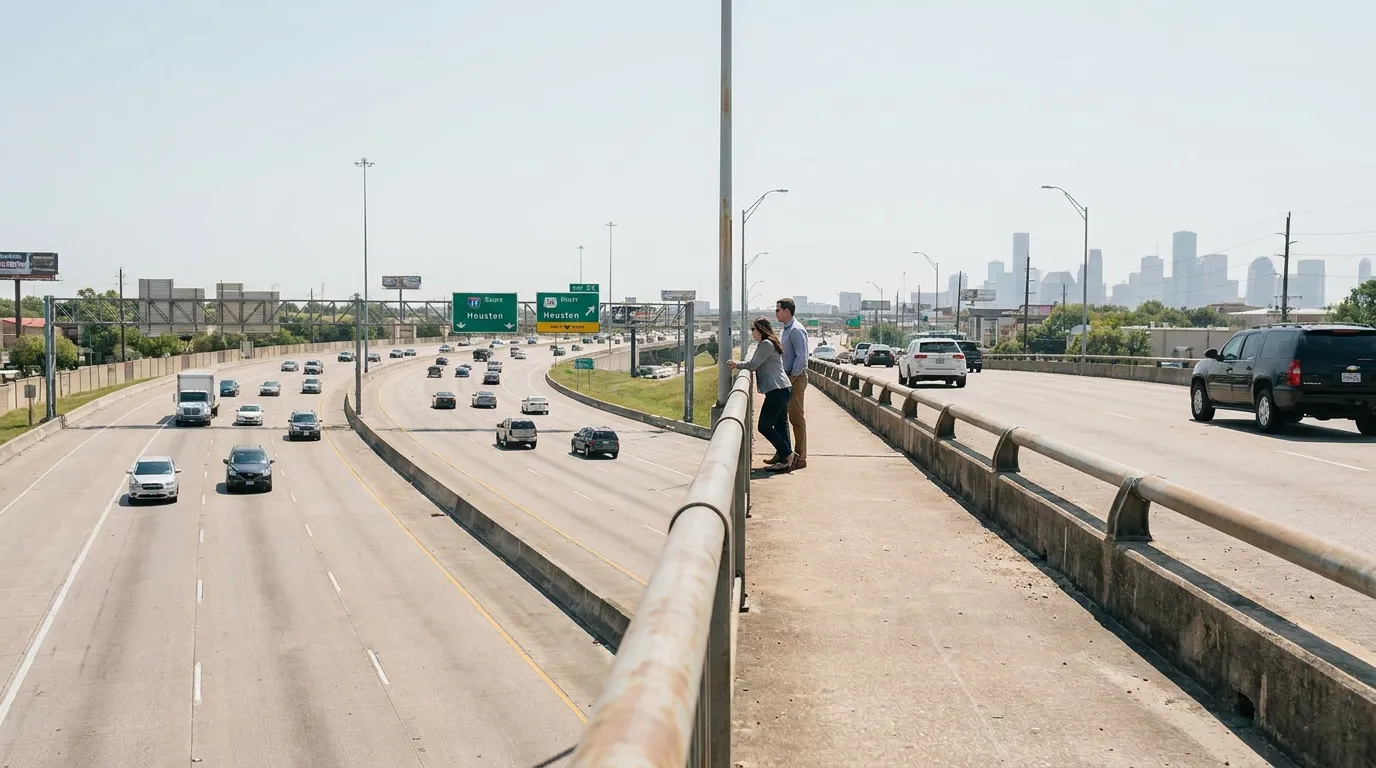
Building a Strong Fault Case After an I-45 Collision
Key Takeaways: Proving fault after an I-45 crash in Houston requires establishing four legal elements: duty, breach, causation, and damages. Strong claims begin with evidence collected at the scene, including police reports, photographs, witness details, and prompt medical documentation. Texas follows a modified comparative fault system, meaning you cannot recover if you are more than 50 percent at fault. Fault may extend beyond the individual driver to employers under respondeat superior when a commercial vehicle is involved. Texas generally applies a two-year framework to injury claims, so careful investigation and organized records are essential.
Proving fault after a crash on I-45 in Houston comes down to establishing four legal elements: duty, breach, causation, and damages. When another driver acts carelessly and causes a wreck on the Gulf Freeway, you must show that their negligence directly led to your injuries. This means gathering strong evidence, understanding Texas fault laws, and preserving details before they disappear.
At Payne Law Firm, we treat our clients like family and understand how overwhelming a serious wreck can feel. If you were hurt in a Houston Texas car crash, call us at 713-223-5100, reach out through our online contact page, or learn more about how our team at Payne Law Firm can help you pursue the compensation you deserve.
The Four Elements That Prove Negligence
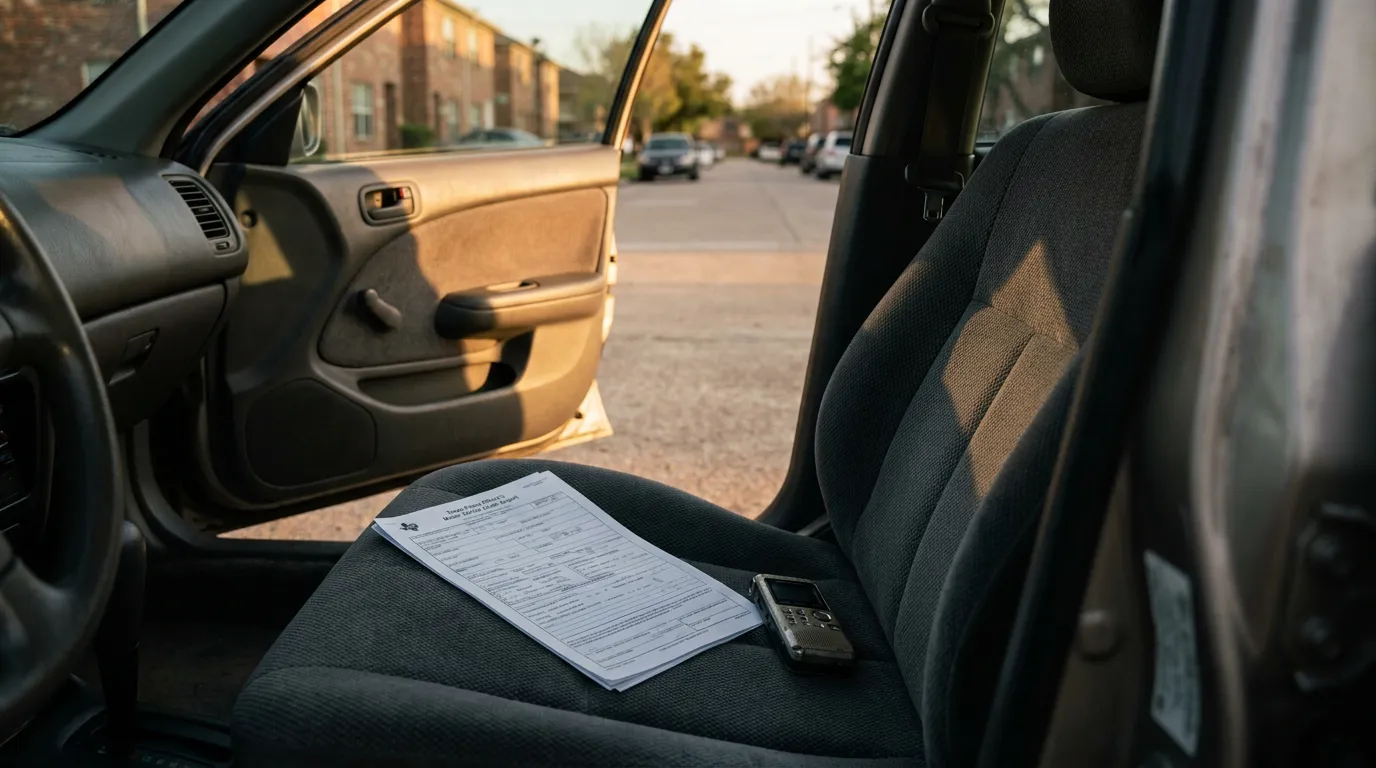
To prove fault car accident Houston claims, you must satisfy each of the four building blocks of negligence. These elements form the backbone of nearly every personal injury case in Texas. Missing even one can weaken your ability to recover compensation. According to motor vehicle accident claims guidance, a plaintiff must connect the defendant’s conduct to the harm suffered.
Duty and Breach of Care
Every driver on I-45 has a fundamental duty to operate their vehicle safely to avoid harming others. A breach happens when a driver falls short of that standard. Common breaches include driving under the influence, distracted driving such as texting, falling asleep at the wheel, illegally crossing the centerline, or driving the wrong way on a ramp. On a high-speed corridor like the Gulf Freeway, these breaches often produce catastrophic results.
Causation and Damages
Causation links the breach directly to your injuries, while damages reflect the actual losses you suffered. You must demonstrate that the driver’s carelessness caused the collision and your resulting harm. Damages may include medical bills, lost wages, and pain and suffering. In many cases, the strength of this connection determines the value of an I-45 crash claim.
💡 Pro Tip: Keep a dated folder of every medical record, bill, and receipt tied to your crash. Organized documentation makes the causation and damages elements far easier to prove later.
Why I-45 Ranks Among the Most Dangerous Roads in Houston Texas
I-45, also known as the Gulf Freeway, is frequently cited among the most dangerous roads in Houston Texas because of its heavy traffic volume and severe crash history. Understanding why this corridor is so hazardous can help you identify contributing factors in your own wreck. Our overview of why I-45 is called Houston’s deadliest highway explains the recurring risks along this route.
Crash statistics along these dangerous roads Houston drivers travel come from official state records. Under Texas Transportation Code § 201.806, the state transportation department must tabulate and publish statistical information on highway collisions, including crashes involving injury and death. These published records often become useful reference points when identifying patterns in car accidents in Houston.
Preserving Evidence at the Scene
The strongest fault cases begin with evidence collected immediately after the collision. What you do in the first minutes and hours can shape the outcome of your claim. Consider taking these steps when safe to do so:
- Call 911 for emergency medical assistance and a police report
- Seek medical attention promptly, even if injuries seem minor
- Photograph vehicle damage, road signs, skid marks, and debris
- Gather names and contact details of witnesses
Texas law imposes reporting duties after a serious wreck. Under Texas Transportation Code § 550.023, an operator must give their name, address, vehicle registration number, and liability insurer to anyone injured or to another involved vehicle’s operator, and provide reasonable aid to the injured. When a collision results in injury, death, or an undrivable vehicle, § 550.026 requires immediate notification to local police. You can review these duties in the Texas crash reporting statutes.
💡 Pro Tip: Photograph the other driver’s insurance card and license plate directly at the scene. If a driver later becomes difficult to locate, this small step can protect your ability to pursue a claim.
How Texas Fault Laws Affect Your Recovery
Texas follows a modified comparative fault system, which makes proving the other driver’s fault critical. Under Texas Civil Practice and Remedies Code § 33.001, a claimant may not recover damages if their percentage of responsibility is greater than 50 percent. This "51% bar" means that even partial fault against you can reduce your recovery, and crossing the halfway threshold eliminates it entirely.
Comparative fault rules vary widely from state to state. In pure comparative negligence states, recovery is simply reduced by a plaintiff’s percentage of fault, so someone 80% at fault could still recover 20% of damages. Texas is stricter, barring recovery once your responsibility exceeds 50 percent. Building clear evidence that shifts responsibility to the other driver is critical to any Houston highway accident case.
Deadlines also play a central role in preserving your rights. Texas generally applies a two-year framework to many injury-related claims under Texas Civil Practice and Remedies Code § 16.003. Separately, § 16.070(a) provides that agreements to shorten a limitations period below two years are void. Courts interpret exceptions narrowly, and tolling or discovery rules do not apply automatically. You should confirm the specific limitations period that applies to your claim.
When a Commercial Truck Is Involved
Fault can extend beyond the individual driver, which is especially relevant for I-45 crashes involving commercial vehicles. If the at-fault driver was working at the time of the accident, their employer could be held liable under respondeat superior, meaning "let the master answer." The employee generally must have been acting within the scope of employment.
Texas law shapes how liability against a trucking company is framed. Under Texas Civil Practice and Remedies Code § 72.054(a), an employer defendant’s liability for ordinary negligence by a person operating its commercial motor vehicle is based only on respondeat superior if the defendant stipulates the operator was its employee acting within the scope of employment. These rules affect how a claimant must build and present a fault case against a carrier.
💡 Pro Tip: If a commercial truck was involved, preserving the trucking company’s records quickly matters. Employment and maintenance documents can be central to proving fault before they are altered or discarded.
Investigating and Documenting Fault
Proving fault relies on strong evidence gathered through careful investigation. This work often includes requesting police reports, employment records, and medical bills, as well as taking sworn testimony through depositions. For complex I-45 car accident Houston cases, professionals such as accident reconstructionists or medical specialists can help clarify what happened. A skilled most dangerous roads in Houston Texas lawyer can coordinate these efforts on your behalf.
Certain administrative proceedings are separate from your civil lawsuit. For example, under Texas Transportation Code § 601.293, a magistrate may conduct an inquiry into negligence and liability when a driver fails to show financial responsibility. Importantly, a magistrate’s finding does not act as collateral estoppel in a later civil or criminal case.
Frequently Asked Questions
1. How do I prove the other driver was at fault?
You generally prove fault by establishing duty, breach, causation, and damages, supported by evidence like police reports, photographs, witness statements, and medical records. The stronger your documentation, the more persuasive your I-45 crash claim will be.
2. What if I was partly to blame for the crash?
Under Texas Civil Practice and Remedies Code § 33.001, you may still recover if your share of responsibility is 50 percent or less, though your award is reduced by your percentage of fault. If your responsibility exceeds 50 percent, you generally cannot recover damages.
3. Can I hold a trucking company responsible?
In many cases, yes. If the driver was working within the scope of employment, the employer may be liable under respondeat superior, subject to the framing rules in Texas Civil Practice and Remedies Code § 72.054.
4. How long do I have to file a claim?
Texas generally applies a two-year framework to many injury claims under § 16.003, and agreements to shorten a limitations period below two years are void under § 16.070(a). Because deadlines are fact-dependent and exceptions are read narrowly, confirm your specific limitations period promptly.
5. What should I do first after an I-45 wreck?
Call 911, seek medical care, and document the scene with photographs and witness information. Exchanging information as required under Texas Transportation Code § 550.023 protects your ability to identify who is responsible.
Protecting Your Rights After a Gulf Freeway Crash
Proving fault after a wreck on one of the most dangerous roads in Houston Texas takes careful evidence, an understanding of Texas fault laws, and attention to critical deadlines. By documenting the scene, understanding comparative negligence, and identifying every potentially liable party, you place yourself in a stronger position to pursue fair compensation.
With more than 20 years of service and a proven track record of helping over a thousand injured individuals and families, Payne Law Firm is ready to stand beside you. Attorney Jason Payne is Board Certified in Personal Injury Trial Law by the Texas Board of Legal Specialization and has been recognized as a Texas Super Lawyer from 2019 through 2026. To schedule a free consultation, call 713-223-5100, visit our case evaluation page, or connect with the team at Payne Law Firm today.