
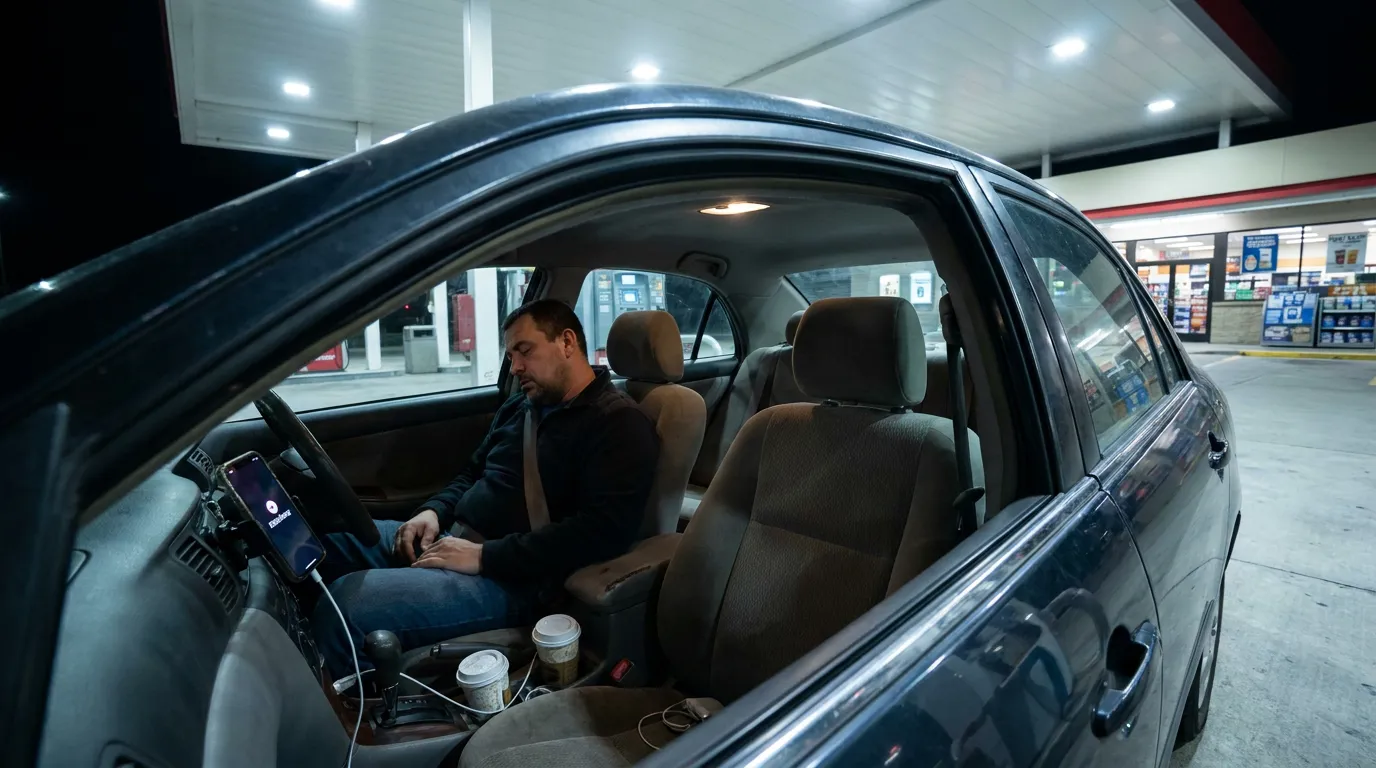
When Fatigue Behind the Wheel Turns Into a Rideshare Crash
Key Takeaways: A drowsy Uber driver can be considered negligent under Texas law because fatigue impairs reasonable care expected of drivers, and injured parties may pursue compensation. Negligence is established through duty-of-care principles, negligence per se when traffic laws are violated, and commercial vehicle liability rules. Texas uses modified comparative fault, allowing recovery when your responsibility does not exceed 50 percent. Because fatigue leaves little physical proof, strong claims require quickly preserving crash reports, rideshare app data, camera footage, medical records, and witness statements. Victims may seek economic, noneconomic, and in rare cases exemplary damages, but personal injury suits must be filed within two years.
A drowsy Uber driver can absolutely be considered negligent under Texas law, and injured passengers or other road users may pursue compensation. Fatigue slows reaction time, impairs judgment, and can cause a driver to drift, brake late, or fall asleep entirely. When that happens in a rideshare vehicle, the consequences often fall hardest on the passenger in the back seat or people in other cars.
At Payne Law Firm, we treat our clients like family, and we know how overwhelming a sudden crash can feel when medical bills arrive and insurers start calling. If you were hurt in a drowsy-driving rideshare collision, our team is ready to listen and explain your options. Call us at 713-223-5100, reach out through our online contact page, or learn more about the compassionate approach of Payne Law Firm today.
What Are Your Rights When Your Rideshare Driver Falls Asleep
Knowing what are your rights when your rideshare driver falls asleep helps you make informed decisions before deadlines pass and evidence disappears. As an injured passenger or third party, you generally have the right to seek compensation for medical expenses, lost income, and other losses caused by negligent driving. You also have the right to investigate whether corporate rideshare insurance applies based on the driver’s status at the time of the crash.
Texas law does not require you to accept an insurer’s first offer. Injured people are often entitled to pursue the full value of their documented harm and may take a claim to court when an insurer refuses fair compensation. Because fatigue is difficult to prove after the fact, understanding your rights early can make a meaningful difference.
💡 Pro Tip: Write down everything you remember about the ride as soon as possible, including whether the driver yawned repeatedly, drifted between lanes, or seemed unresponsive. Memory fades quickly, and these early notes can support your account later.
How Texas Defines Driver Negligence
Negligence in Texas generally means failing to use the care that a reasonably careful driver would use under similar circumstances. Operating a vehicle while too tired to drive safely falls squarely within that definition. Texas recognizes negligence as a core basis for holding a driver responsible when their conduct causes a crash.
Ordinary Negligence and Duty of Care
Every driver owes other people on the road a duty to operate a vehicle safely. A fatigued rideshare driver who causes a collision may breach that duty simply by getting behind the wheel while impaired by drowsiness. Texas has a separate statutory framework under Tex. Civ. Prac. & Rem. Code § 72.054 governing employer liability for negligent operation of commercial motor vehicles, but that provision generally applies to larger commercial vehicles such as trucks rather than typical rideshare passenger cars, so most fatigue-related rideshare claims are analyzed under ordinary negligence principles.
Negligence Per Se and Traffic Violations
A drowsy driver who breaks a Texas traffic law may face liability under a doctrine called negligence per se. Under this concept, a driver who violates a statute without a valid excuse can be treated as having breached the duty of care as a matter of law. As legal reference sources on negligence per se explain, the violation itself establishes breach, so the remaining question at trial focuses on whether that violation was the actual and proximate cause of the injury.
Comparative Fault in Texas
Texas uses a modified comparative fault system that affects how much an injured person can recover. Under Tex. Civ. Prac. & Rem. Code § 33.001, a claimant may not recover damages if their share of responsibility exceeds 50 percent. This modified comparative fault framework, part of Chapter 33 on proportionate responsibility, has been an established part of Texas tort law since the 1980s. A drowsy driver found negligent is assigned a percentage of fault, and a claimant’s recovery is reduced by their own share.
💡 Pro Tip: Even if you think you may share some blame, do not assume you have no claim. Under Texas comparative fault rules, you may still recover as long as your responsibility does not exceed half.
Proving a Drowsy Uber Driver Was Negligent
Building a strong drowsy-driving claim depends heavily on preserving evidence quickly. Fatigue rarely leaves obvious physical proof, so cases often rely on circumstantial details, witness accounts, and digital records.
Evidence that may support a fatigue-related rideshare claim includes:
- Police and crash reports noting driver statements or signs of drowsiness
- Rideshare app data showing hours online and ride timestamps
- Dashcam, traffic camera, or nearby business surveillance footage
- Medical records connecting your injuries to the collision
- Witness statements describing erratic or drifting driving
Timing and coverage status often become central to these cases. Whether corporate insurance applies generally depends on the "period" the driver was in, such as waiting for a request, en route to a rider, or actively transporting a passenger. For a deeper explanation of passenger protections, our related discussion of what are your rights when your rideshare driver falls asleep offers additional context for Houston riders.
💡 Pro Tip: Screenshot your ride receipt and trip details in the app immediately. These records can help establish that the driver was actively working during your ride, which may affect available insurance coverage.
Damages and Deadlines After a Houston Uber Accident
Injured victims in a Houston Uber accident may pursue several categories of damages, but strict deadlines apply. Texas law separates the types of compensation available and sets firm time limits for filing suit. Missing a deadline can permanently end an otherwise valid claim.
Texas defines the categories of recovery in its statutes. Under Tex. Civ. Prac. & Rem. Code § 41.001(4), economic damages cover actual pecuniary losses such as medical bills and lost wages. In limited situations involving conduct beyond ordinary negligence, § 41.001(5) defines exemplary damages as amounts awarded as a penalty or punishment, and such damages may be awarded only when the claimant proves by clear and convincing evidence that the harm resulted from fraud, malice, or gross negligence under §§ 41.001(2) and 41.003.
| Type of Damage | General Purpose |
|---|---|
| Economic | Reimburses measurable losses like medical care and lost income |
| Noneconomic | Addresses pain, suffering, and similar non-monetary harm |
| Exemplary | Punishes conduct rising beyond ordinary negligence, subject to strict proof |
The filing deadline for most personal injury claims in Texas is two years. Under Tex. Civ. Prac. & Rem. Code § 16.003(a), a person generally must bring suit for personal injury not later than two years after the cause of action accrues. For fatal crashes, § 16.003(b) provides that the clock runs from the date of death rather than the collision. Courts interpret exceptions to these deadlines narrowly, so you should confirm the applicable deadline with counsel.
💡 Pro Tip: Do not wait until the deadline is near to seek guidance. Evidence like app data and camera footage is often deleted within weeks, long before the two-year filing window closes.
When insurers deny or minimize a claim, experienced legal support can make a difference. Attorney Jason E. Payne is Board Certified in Personal Injury Trial Law by the Texas Board of Legal Specialization, and Payne Law Firm has helped over a thousand injured individuals and families pursue the compensation they deserved. If you are dealing with mounting bills after a collision, our overview of rideshare accidents Houston explains how our team approaches these claims for injured people across Harris County.
Frequently Asked Questions
Is falling asleep at the wheel automatically negligence in Texas?
Not automatically, but it is strong evidence of negligence. A driver who falls asleep generally failed to exercise reasonable care, and if the driver also violated a traffic statute, negligence per se may apply.
Can I sue Uber or only the driver?
It depends on the driver’s status at the time of the crash. Rideshare coverage often turns on whether the driver was logged in, en route, or carrying a passenger. Establishing that period may open access to larger corporate insurance limits.
What if I was partly at fault for the accident?
You may still recover under Texas comparative fault rules. As long as your percentage of responsibility does not exceed 50 percent, you can pursue damages, though your recovery is reduced by your share of fault under § 33.001.
How long do I have to file a claim after a rideshare crash?
Most Texas personal injury claims must be filed within two years. Under § 16.003, the clock generally starts on the date of the crash, or the date of death in fatal cases. Exceptions are limited and interpreted narrowly.
What should I do first after a drowsy-driving rideshare crash?
Seek medical care and preserve every piece of evidence you can. Keep your ride records, photograph the scene, and gather witness information. Prompt documentation strengthens your ability to prove fatigue-related negligence.
Standing With Injured Houstonians
A drowsy Uber driver who causes a crash can be held negligent under Texas law, and injured victims have real options for pursuing compensation. Fatigue-related claims hinge on proving breach, causation, and damages while meeting strict deadlines and navigating comparative fault. With more than 20 years of service to the community and recognition as Texas Super Lawyers from 2019 to 2026, Payne Law Firm understands the challenges Houston families face and works to help them feel heard and respected.
If a fatigued rideshare driver injured you or someone you love, you do not have to face insurers alone. Reach out to the compassionate team at Payne Law Firm for a free consultation, call 713-223-5100, or send us a message through our secure contact form to take the next step toward recovery today.