
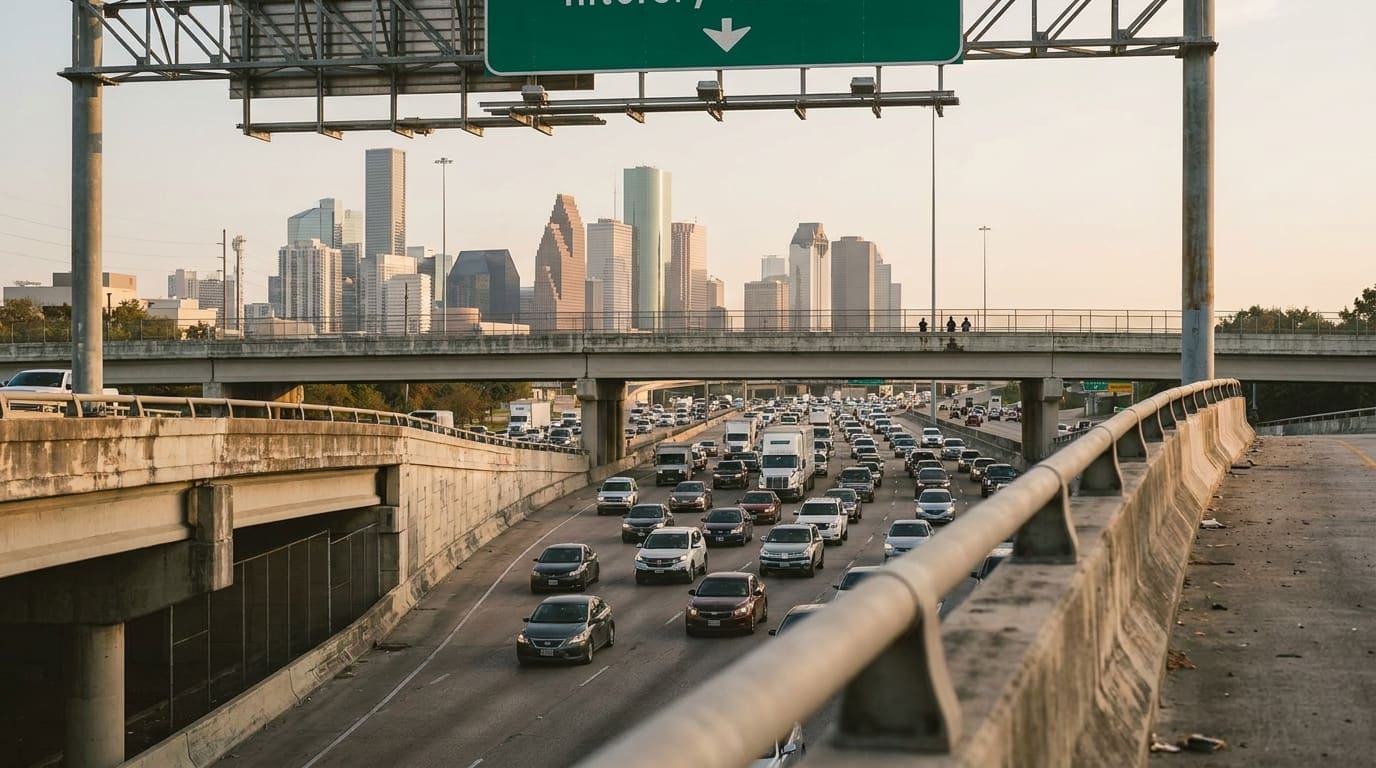
The Deadly Reputation of Houston’s Busiest Freeway
Key Takeaways: Interstate 45, the Gulf Freeway, is Houston’s most dangerous highway, combining heavy traffic volume, high speeds, frequent interchanges, and a history of fatal collisions. Congestion, aggressive driving, distraction, impairment, and truck traffic converge on this corridor that carries a heavy share of Texas’s nationally high traffic fatalities. Speed and time of day intensify the danger, with unrestrained occupants facing especially harsh outcomes in nighttime wrecks. Texas law requires drivers to stop and render aid under Transportation Code § 550.021, while financial responsibility rules apply to all motorists. Injury victims face mounting medical bills, lost income, and aggressive insurers, making prompt action important within the state’s two-year filing deadline. If you were hurt on this corridor, Payne Law Firm can help you pursue the compensation you deserve.
Interstate 45, known locally as the Gulf Freeway, has earned its grim reputation through heavy traffic volume, high speeds, and a history of serious collisions. This corridor connects Galveston to Dallas and funnels millions of commuters, commercial trucks, and travelers through Houston every year. When safety advocates discuss the most dangerous roads in Houston Texas, I-45 consistently tops the list because of how frequently crashes here turn fatal.
The danger stems from multiple factors. Congestion, aggressive driving, distraction, and impaired motorists all converge on this route, and injury severity often reflects the high speeds involved. Texas consistently ranks among states with the highest traffic fatalities, and Houston’s central freeway carries a heavy share of that burden.
If you or a loved one was hurt in a wreck on this corridor, Payne Law Firm is ready to listen. Call us at 713-223-5100 or reach out through our online contact page for a free consultation.
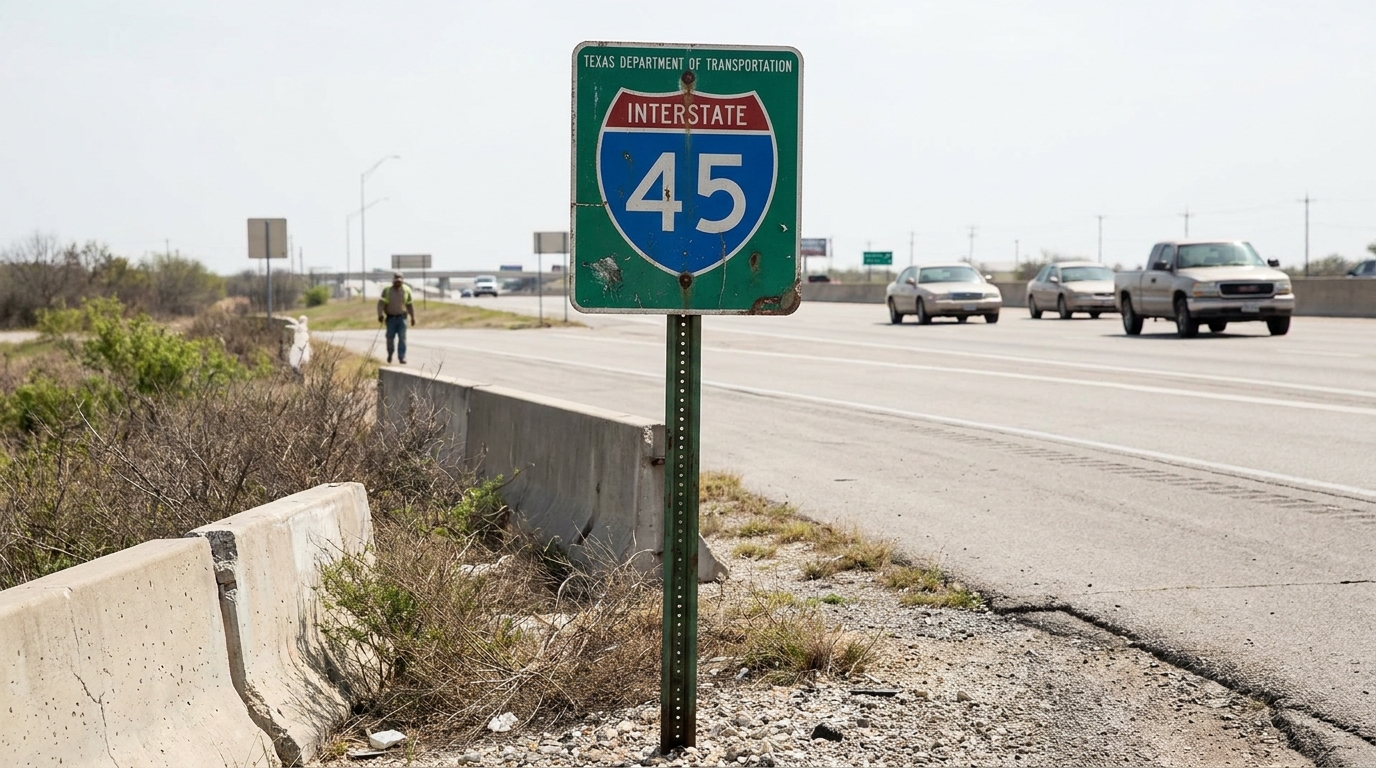
Why I-45 Stands Out Among Dangerous Roads in Houston TX
Several overlapping factors explain why the Gulf Freeway is such a high-risk route. The road carries dense traffic at all hours, mixes passenger vehicles with heavy commercial trucks, and includes interchanges where sudden merging and lane changes are common. These conditions create environments where a single moment of inattention can cause chain-reaction collisions.
Speed plays a central role in crash severity. Excessive speed reduces reaction time and increases impact force, which is why fast-moving corridors produce more catastrophic outcomes. Authoritative fatality research published by the Insurance Institute for Highway Safety helps put Texas roadways in national context, reinforcing why local corridors like I-45 draw concern.
Time of day matters, particularly regarding occupant protection. Nighttime driving on I-45 carries added risk, and unrestrained occupants face especially harsh consequences. According to national crash data, fifty-five percent of those killed at nighttime in 2017 were unrestrained, compared to 45 percent who were restrained, underscoring how seatbelt use influences survival.
💡 Pro Tip: After any collision, write down the time of day, weather, and lighting conditions as soon as safely possible. These details may help establish how a crash happened and who was at fault.
The Human Toll of Gulf Freeway Accidents
The statistics behind I-45 fatal crashes represent real families facing devastating loss. Beyond those directly involved, a troubling trend affects pedestrians and cyclists near urban freeways. Nonoccupant fatalities increased from 14 percent to 19 percent from 2008 to 2017, a shift especially relevant along busy corridors cutting through dense neighborhoods.
Reliable data is essential when evaluating road danger. The Texas Department of Transportation maintains detailed statewide records, and per Texas Transportation Code Chapter 550, TxDOT is responsible for collecting and analyzing crash data submitted by law enforcement. TxDOT also publishes annual Texas motor vehicle crash statistics dating back to 2003, helping verify how often serious wrecks occur on given corridors.
Comparing the Most Dangerous Roads in Houston Texas
While I-45 frequently leads discussions about high-risk corridors, it is part of a broader network of challenging Houston roadways. Understanding how different routes compare can help drivers stay alert and help injury victims understand conditions that contributed to their crash. The table below offers a general comparison of common risk factors.
| Corridor Feature | Typical Risk Factor | Why It Matters for Crash Victims |
|---|---|---|
| Heavy commuter volume | Congestion and stop-and-go traffic | Increases rear-end and chain-reaction collisions |
| High posted speeds | Greater impact force | Often leads to more severe injuries |
| Frequent interchanges | Sudden merging and weaving | Raises the chance of side-impact crashes |
| Mixed truck traffic | Large vehicle blind spots | Can cause catastrophic underride wrecks |
Common challenges injured drivers face on these routes extend beyond the crash itself. Many victims deal with mounting medical bills, lost income, and aggressive insurance adjusters pushing for quick, low settlements. Recognizing these patterns helps protect your legal rights.
- Insurers may request recorded statements later used to dispute your claim.
- Important evidence such as skid marks, vehicle damage, and surveillance footage can disappear quickly.
- Medical documentation gaps can complicate the connection between crash and injuries.
💡 Pro Tip: Avoid posting about your accident on social media. Insurance companies sometimes review public posts to challenge injury severity.
How Speed Limits and Road Safety Authority Apply
Texas law provides mechanisms to address dangerous conditions on high-risk roads. Under TX Transportation Code § 545.3535, the Texas Transportation Commission may lower speed limits on farm-to-market or ranch-to-market roads without improved shoulders, but only upon a formal request from a county commissioners court, and must use sound and generally accepted traffic engineering practices in doing so. This statute is relevant to I-45 safety discussions because excessive speed is a leading contributor to severe crashes.
That authority does not resolve individual injury claims. Administrative decisions about speed limits are separate from civil lawsuits, which focus on proving specific driver negligence caused harm. Establishing fault still requires showing duty, breach, causation, and damages, regardless of posted speed limits.
Texas Laws That Protect I-45 Crash Victims
Several Texas statutes directly affect rights and obligations of drivers involved in serious collisions. When a wreck results in injury or death, the law imposes clear duties on everyone involved. Under Texas Transportation Code Chapter 550, specifically § 550.021, any driver involved in a crash causing injury or death must immediately stop, return to the scene, render aid, and remain until legal duties are fulfilled.
The penalties for ignoring these duties are severe. Fleeing a fatal crash is a second-degree felony, and fleeing after causing serious bodily injury is a third-degree felony. These rules matter on I-45 because hit-and-run wrecks remain a documented danger on Houston’s highways and can complicate a victim’s path to recovery.
Financial responsibility laws also shape how injury claims unfold. Under TX Transportation Code § 601.151, safety-responsibility provisions following a collision generally apply to any Texas motor vehicle collision resulting in bodily injury, death, or property damage of at least $1,000. For out-of-state drivers, common on this Gulf Coast corridor, TX Transportation Code § 601.291 applies when a collision causes bodily injury, death, or property damage of at least $500. Texas requires every driver to establish financial responsibility, typically by carrying liability insurance, to operate a vehicle in the state.
💡 Pro Tip: Request a copy of the official crash report as soon as it becomes available. This document often contains key details about parties, responding officers, and initial fault assessment.
When to Speak With a Houston Car Accident Attorney
Timing can significantly affect personal injury claim strength. Texas generally applies a two-year statute of limitations to most car accident injury claims, though courts interpret exceptions to filing deadlines narrowly. Tolling or discovery-rule extensions may apply only in limited circumstances and are never automatic, so avoid assuming extra time will be available.
Acting promptly also helps preserve evidence before it disappears. A knowledgeable Houston car accident attorney can help gather records, document injuries, and navigate communications with insurers. For additional educational reading, the firm’s Houston traffic accident help resources offer further guidance.
Frequently Asked Questions
Why is I-45 considered the most dangerous highway in Houston?
I-45 combines heavy traffic, high speeds, frequent interchanges, and a large share of serious crashes. These factors, together with Texas ranking among the highest states for traffic fatalities, contribute to its reputation as one of the most dangerous roads in Houston Texas.
What should I do right after a car wreck on I-45 Houston?
Your safety and health come first, so seek medical care promptly. When possible, document the scene, exchange information, and report the crash, because Texas law requires drivers to stop and render aid under TX Transportation Code § 550.021.
How long do I have to file an injury claim after a Gulf Freeway accident?
Texas generally imposes a two-year deadline for most car accident injury claims. Because courts interpret exceptions narrowly and extensions are not guaranteed, consult a lawyer promptly rather than wait.
What if the at-fault driver was from out of state?
Out-of-state drivers are common on this corridor, and Texas law still applies. Under TX Transportation Code § 601.291, financial responsibility requirements may apply when a collision causes bodily injury, death, or at least $500 in property damage.
Where can I verify crash statistics for I-45?
TxDOT maintains official, statewide crash data searchable by district. This data offers an authoritative source for understanding how often serious wrecks occur, subject to reporting system limits.
Compassionate Help for Houston Crash Victims
Understanding why I-45 is so dangerous is only the beginning of protecting your rights after a serious wreck. The factors that make this corridor hazardous also make injury claims complex and emotionally draining. With more than 20 years of service, Payne Law Firm has helped over a thousand injured individuals and families pursue compensation, and Attorney Jason Payne, a Port Arthur native, built his practice around helping injured Houstonians feel heard, informed, and respected.
This firm treats clients like family and understands the communities it serves. You do not have to face insurance companies and looming deadlines alone. To discuss your situation, contact Payne Law Firm today, call us at 713-223-5100, or send a message through our free consultation request so we can help you take the next step.