Understanding No-Zone Truck Crashes on Houston Roads
Key Takeaways: Yes, a truck driver can be held liable for a no-zone crash in Texas when their negligence causes the collision. No-zones are large blind spots around commercial trucks, roughly 20 feet ahead, 30 feet behind, one lane on the driver’s side, and up to two lanes on the passenger side, where crashes often occur during lane changes and merges. Texas law imposes safety duties on truck drivers, including safe lane movement and assured clear distance, and violating them can establish negligence. The trucking company may also share responsibility through respondeat superior or direct liability for poor hiring or maintenance. Texas uses comparative fault, so your recovery can be reduced by your share of blame, and you cannot recover if found more than 50 percent at fault. Most claims must be filed within two years.
Yes, a truck driver can be held liable for a no-zone crash in Texas when their negligence causes the collision. No-zone crashes happen in large blind spots surrounding commercial trucks, and when a driver fails to account for these danger areas, both the driver and trucking company may face legal responsibility. Understanding how liability works is the first step toward pursuing fair compensation. This guide explains the law, the duties truck drivers owe, and how fault is decided in a no-zone crash negligence claim.
If you or someone you love was hurt in a blind spot truck accident, the team at Payne Law Firm is ready to listen. Call us at 713-223-5100 for a free consultation, or reach out through our online contact page to discuss your options.
What Is a Truck No Zone and Why It Causes Crashes
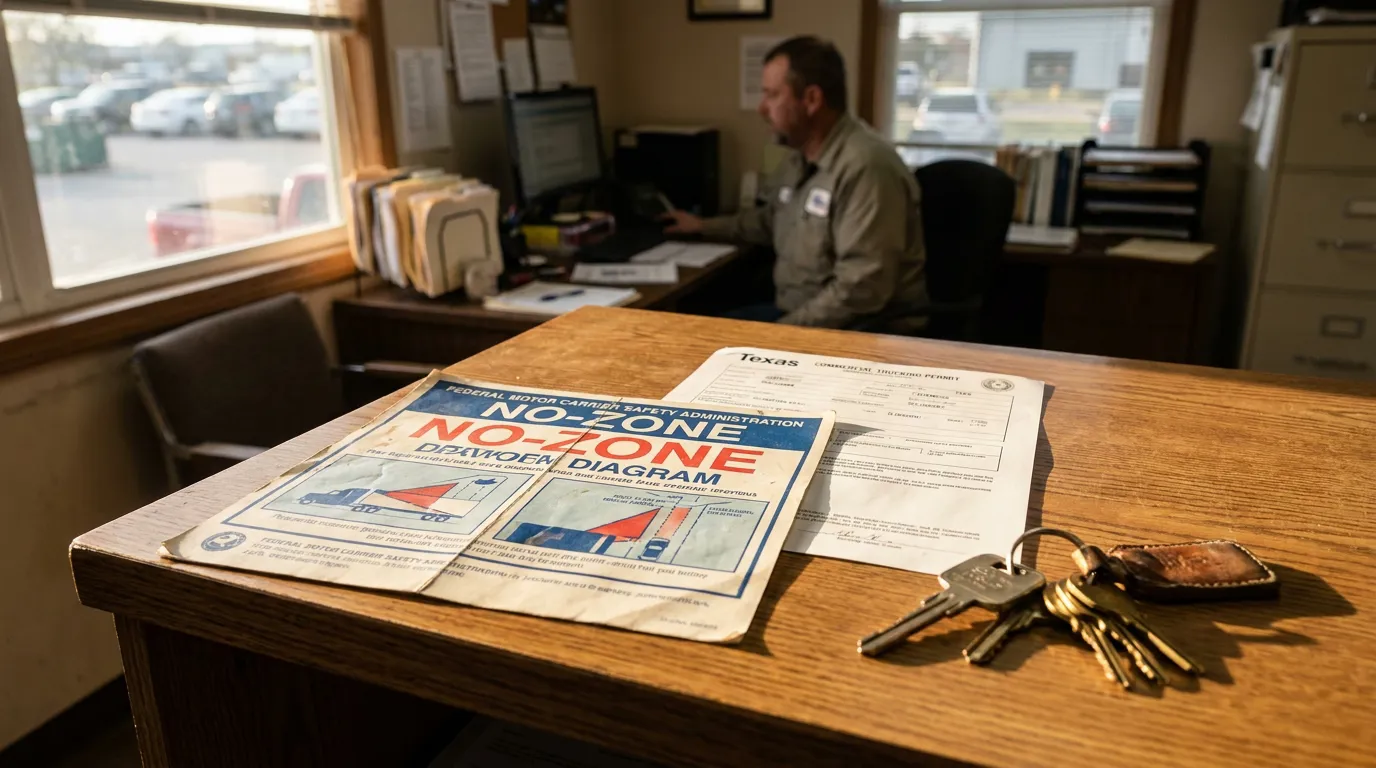
A no-zone is a large blind spot around a commercial truck where smaller vehicles disappear from the driver’s view. These areas are far bigger than blind spots on typical passenger cars. According to guidance from a respected legal resource on no-zone truck collisions, the main no-zones sit roughly 20 feet in front of the truck, about 30 feet behind it, one full lane on the driver’s side, and as much as two lanes on the passenger’s side.
These blind spots explain why so many crashes occur during lane changes and merges. When a truck operator cannot see a car beside or behind the rig, even a routine maneuver can turn catastrophic. Understanding what is a truck no zone helps victims grasp how the collision happened and who may bear responsibility. For a deeper look at these danger areas, see our explainer on what a no zone in trucking means and why it matters in Houston.
💡 Pro Tip: After a crash, note where your vehicle was positioned relative to the truck. That detail can help an attorney reconstruct whether you were in a recognized no-zone at impact.
The Duties Truck Drivers Owe Behind the Wheel
Texas law places several affirmative safety duties on commercial truck operators, and breaking them can establish negligence. Truck drivers cannot simply rely on their mirrors, they must actively check blind spots around their vehicles. Failing to do so can expose both driver and trucking company to liability.
Several statutes reinforce these duties and can support a no-zone crash negligence argument. Key duties include:
- Safe lane movement: Under Texas Transportation Code § 545.060(a), a driver must stay within a single marked lane and may not move from that lane unless the movement can be made safely. If a trucker merged without confirming the adjacent blind spot was clear, this can support a negligence per se theory.
- Assured clear distance: Texas Transportation Code § 545.062(a) requires a driver following another vehicle to keep an assured clear distance to safely stop without colliding, and § 545.062(b) requires a truck following another truck outside a business or residential district to leave enough space for a passing vehicle to safely enter and occupy.
- Proper lane use: Texas Transportation Code § 544.011 addresses lane-use signage on multi-lane highways, specifically requiring that signs directing slower traffic out of the farthest left lane must read ‘left lane for passing only.’ The statute does not address truck blind spots or scenarios where a truck forces smaller vehicles into no-zones.
These provisions, found within the broader Texas rules of the road, give injured victims concrete legal footing. A truck driver who tailgates or fails to account for the rear no-zone may violate the following-distance rule. Courts evaluate the specific circumstances before assigning fault.
💡 Pro Tip: Photographs of skid marks, lane markings, and final resting positions of both vehicles can be powerful evidence. If physically able, capture these images before the scene is cleared.
When the Trucking Company Shares the Blame
A trucking company can be held responsible for a no-zone crash even when the driver made the mistake. Under respondeat superior, an employer may be liable for the ordinary negligence of a driver operating its commercial vehicle. Texas Civil Practice and Remedies Code § 72.054(a) provides that if the employer stipulates the driver was an employee acting within the scope of employment, the employer’s liability for ordinary negligence is based only on respondeat superior.
To pursue vicarious liability, an injured person must show the employment relationship and job duties were in effect. This means proving the driver was employed by the trucking company and performing job duties when the crash happened. You can review the controlling statute in Chapter 72 of the Civil Practice and Remedies Code.
In some cases, a company faces direct liability separate from the driver’s conduct. A trucking company may be directly liable if it failed to ensure a driver was properly qualified or failed to arrange regular vehicle maintenance. When an employer makes the stipulation described above and requests a bifurcated trial, Texas law can limit when certain direct-negligence evidence is presented. These theories often require investigation into hiring records, training logs, and maintenance histories, which is why building a strong Houston truck accident claim frequently involves accident reconstructionists and other professionals.
💡 Pro Tip: Trucking companies must preserve certain records, but they can be lost quickly. Sending a prompt evidence-preservation letter is something an attorney can handle early.
How Comparative Fault Affects Your Recovery
Texas follows a comparative fault system, which means your compensation can be reduced by your share of responsibility. Insurers often argue that the car driver shares fault for lingering in a no-zone. That argument does not excuse a truck driver’s failure to check a blind spot, and a judge or jury may distribute fault between parties.
Under Texas’s modified comparative fault rule, a victim cannot recover if found more than 50 percent at fault. This is why insurers frequently try to shift blame onto injured motorists to reduce or deny payouts. Countering these tactics is central to advocating for truck driver fault in a blind spot crash.
| Liability Pathway | Legal Basis | What Must Be Shown |
|---|---|---|
| Driver negligence | TX Transp. Code §§ 545.060, 545.062 | Driver breached a safety duty |
| Employer vicarious liability | TX Civ. Prac. & Rem. Code § 72.054(a) | Employment and scope of employment |
| Employer direct liability | Common law negligence | Failure to qualify driver or maintain vehicle |
Deadlines That Can Make or Break a Claim
In Texas, you generally have two years from the date of a truck accident to file a personal injury lawsuit. Texas Civil Practice and Remedies Code § 16.003(a) sets this two-year window. In wrongful death cases, § 16.003(b) provides that the cause of action accrues on the date of death, not the accident date.
Texas law protects this two-year period from being shortened by agreement. Under Texas Civil Practice and Remedies Code § 16.070(a), any contract that tries to limit the time to sue to less than two years is void. You can read these limitations provisions in Chapter 16 of the Civil Practice and Remedies Code. While limited exceptions such as tolling may apply in narrow circumstances, courts interpret these exceptions strictly.
💡 Pro Tip: Civil lawsuit deadlines are separate from insurance reporting timelines. Notifying an insurer quickly does not preserve your right to sue, so track the statutory deadline carefully.
Frequently Asked Questions
1. Can I still recover if I was partly in the truck’s blind spot?
Possibly, yes. Texas comparative fault rules allow recovery as long as you are not found more than 50 percent at fault. A driver’s responsibility to check blind spots is not excused because your vehicle was in a no-zone.
2. Who can be held liable for a no-zone crash?
Several parties may share responsibility. The truck driver, the trucking company under respondeat superior, and sometimes a maintenance entity can all be potential defendants depending on the evidence.
3. How long do I have to file a truck no zone liability claim in Texas?
Generally two years from the crash date. Texas Civil Practice and Remedies Code § 16.003(a) sets this limit, while wrongful death claims run two years from the date of death. Missing the deadline can permanently bar recovery.
4. What evidence helps prove truck driver fault in a blind spot crash?
Documentation gathered early is most valuable. Photographs, witness statements, police reports, electronic logging data, and maintenance records can all help establish how the 18-wheeler blind spot crash in Houston occurred.
5. Do I need a lawyer for a no-zone truck accident claim?
It is generally wise to consult one. Trucking companies and insurers often have legal teams working to minimize payouts, and a knowledgeable Texas truck accident attorney can help level the playing field.
Moving Forward After a No-Zone Collision
A truck driver absolutely can be liable for a no-zone crash in Texas when negligence is shown, and the trucking company may share that responsibility. Between statutory safety duties, respondeat superior, and comparative fault rules, these cases turn on careful investigation and strong evidence. Understanding your rights and applicable deadlines puts you in a better position to seek full compensation. If exploring a claim, learning more from a trusted Houston truck crash lawyer can help you understand your specific situation.
For more than 20 years, Payne Law Firm has helped over a thousand injured individuals and families pursue the compensation they deserved. Attorney Jason Payne is Board Certified in Personal Injury Trial Law by the Texas Board of Legal Specialization. To talk through your options with a team that treats clients like family, contact Payne Law Firm today, call us at 713-223-5100, or visit our main office website to schedule your free consultation.