
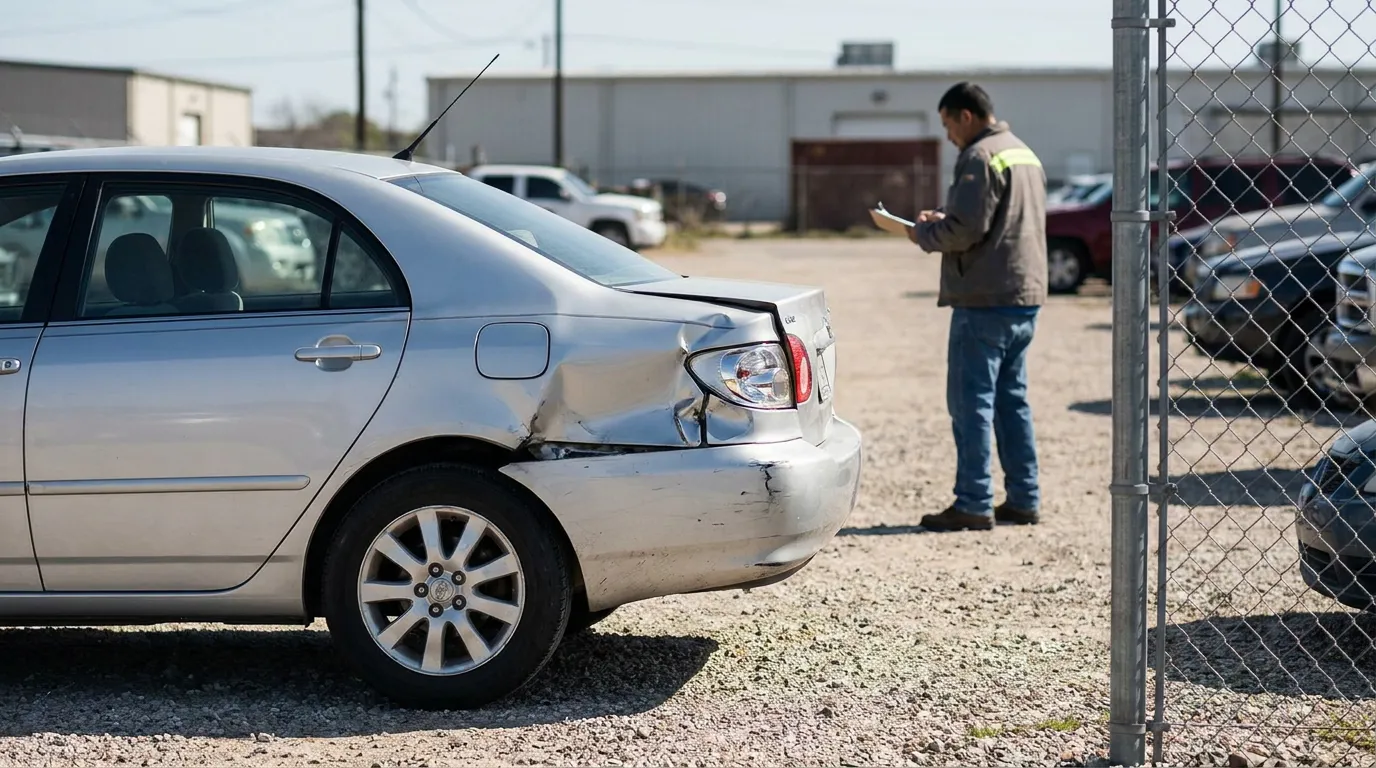
Protecting Your Claim Starts the Moment of Impact
Key Takeaways: Knowing what to do after a car accident in Houston can determine whether your claim succeeds or fails. The five most damaging mistakes are failing to report the crash, admitting fault or giving recorded statements, delaying medical treatment, misunderstanding insurance coverage, and missing filing deadlines. Texas follows modified comparative fault, these missteps can inflate your assigned fault percentage and reduce or bar your recovery if your responsibility exceeds 50 percent. Texas law requires personal injury suits within two years and sets minimum liability coverage at 30/60/25. Protecting your case means reporting the crash, declining recorded statements, seeking prompt care, understanding your policy including PIP, and acting before deadlines. Payne Law Firm offers free consultations to help injured Houstonians safeguard their claims.
A car crash in Houston can upend your life in seconds, leaving you with medical bills, lost wages, and an insurance company that may not prioritize your interests. Knowing what to do after a car accident in Houston can mean the difference between full compensation and a claim that collapses over avoidable errors. Your choices in the hours, days, and weeks after a collision often determine whether you recover deserved compensation.
At Payne Law Firm, we believe injured Houstonians deserve to feel heard, informed, and respected. If you were hurt in a crash, reach Payne Law Firm for a free consultation by calling 713-223-5100 or through our online contact page. We treat our clients like family and are ready to listen.
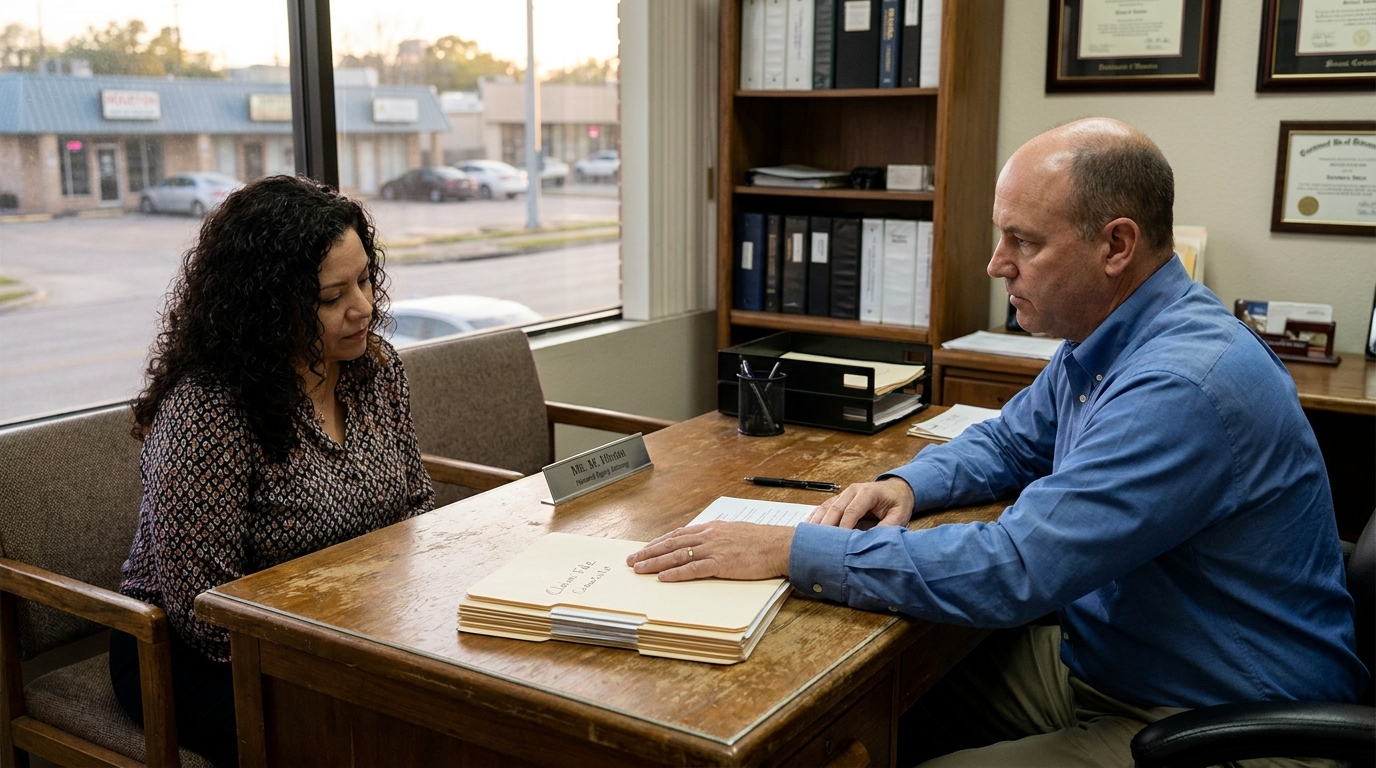
Why Early Errors Can Quietly Sink a Strong Case
Small missteps after a wreck can have outsized legal consequences in Texas. Insurance adjusters review every detail, looking for reasons to reduce or deny payment. Understanding common car accident mistakes in Texas helps protect your claim from the start.
Texas follows a modified comparative fault system. Under Tex. Civ. Prac. & Rem. Code § 33.012, damages are reduced by your percentage of responsibility. Partial fault lowers your recovery proportionally, making it critical to avoid errors that inflate your assigned fault percentage.
💡 Pro Tip: Write down everything you remember about the crash immediately, weather, road conditions, what each driver said. Memory fades quickly, and contemporaneous notes support your version later.
What to Do After a Car Accident in Houston to Avoid Costly Errors
The early days after a collision are when many Houston injury claim mistakes happen. Staying calm and following core principles can preserve evidence and credibility. Below are the first three pitfalls that frequently weaken claims.
Mistake #1: Failing to Report the Crash and Notify Authorities
Skipping official reporting is one of the most damaging Houston crash claim pitfalls. Texas law imposes an immediate duty to notify authorities after serious collisions. Under Tex. Transp. Code § 550.026, vehicle operators involved in collisions resulting in injury, death, or damage preventing normal operation must immediately notify local police if the crash occurred in a municipality like Houston.
Police investigations create records central to your claim. Tex. Transp. Code § 550.062 requires law enforcement officers investigating crashes resulting in injury, death, or property damage of $1,000 or more to file written reports with the Texas Department of Transportation within 10 days. Review these duties in the state’s crash reporting statutes. Without official reports, establishing fault and damages becomes much harder.
Houston may impose additional local reporting requirements. Under Tex. Transp. Code § 550.067, municipalities may require operators to file reports when crashes result in injury, death, or property damage of $25 or more. Failing to comply creates gaps insurers may exploit.
Mistake #2: Admitting Fault or Giving a Recorded Statement
What you say after a crash can be used against you. Never admit fault at the scene or to an adjuster. Sticking to facts protects you, because admissions can be used to deny or reduce your claim.
You are not legally obligated to provide recorded statements to the other driver’s insurer. Adjusters ask questions designed to weaken claims, even when you’re simply being helpful. Politely declining and consulting an attorney first is safer. For a broader checklist, see our guide on what to do immediately after a crash.
💡 Pro Tip: If an adjuster calls, confirm basic facts like date and location while declining recorded statements until you’ve spoken with a lawyer.
Mistake #3: Delaying Medical Treatment
Putting off medical care can quietly undermine your recovery. Delays give insurers opportunity to argue injuries aren’t crash-related. Prompt evaluation creates documented links between the crash and your injuries.
Some injuries, including soft-tissue and head trauma, may not feel serious immediately. Seeking care quickly protects your health and connects treatment to the collision in medical records. Consistent follow-up care further supports claim credibility.
More Houston Crash Claim Pitfalls That Can Cost You
Insurance and timing mistakes round out the most damaging errors. These pitfalls often appear later, after initial shock passes. Understanding them helps avoid mistakes in a Houston crash claim.
Mistake #4: Misunderstanding Your Insurance Coverage
Many Houston car accident insurance mistakes stem from not knowing your policy or the other driver’s coverage. Texas sets minimum liability coverage under Tex. Transp. Code § 601.072 at $30,000 for bodily injury to one person, $60,000 per crash for two or more people, and $25,000 for property damage, the 30/60/25 minimums. Many at-fault drivers carry only these minimums, which may be insufficient for serious injuries.
Your policy may include Personal Injury Protection, or PIP. Under Tex. Ins. Code § 1952.152, insurers generally must provide PIP coverage unless the insured rejected it in writing. Drivers who signed rejections years ago may lack PIP, while those who have it sometimes fail to file claims promptly. Overlooking this coverage means leaving money on the table for medical bills and lost wages regardless of fault.
| Coverage Type | Texas Minimum / Rule |
|---|---|
| Bodily injury, one person | $30,000 |
| Bodily injury, per crash | $60,000 |
| Property damage | $25,000 |
| Personal Injury Protection | Provided unless rejected in writing |
💡 Pro Tip: Accepting the first settlement offer is often a mistake, insurers frequently make low initial offers to close cases quickly and cheaply. Review any offer carefully before signing.
Mistake #5: Waiting Too Long to File a Lawsuit
Missing the filing deadline can permanently end your case. Under Tex. Civ. Prac. & Rem. Code § 16.003, personal injury suits must generally be brought within two years after the cause of action accrues. Read the governing language in the Texas civil limitations statute.
Texas law treats the two-year period as firm. Under Tex. Civ. Prac. & Rem. Code § 16.070, contracts purporting to shorten limitations periods below two years are void. While limited exceptions such as tolling may apply in narrow circumstances, courts interpret them narrowly and they don’t apply automatically. Missing the deadline almost always results in permanently barred claims, making early action wise.
How Texas Comparative Fault Rules Affect What You Recover
Texas places a hard limit on recovery when claimants are mostly at fault. Under Tex. Civ. Prac. & Rem. Code § 33.001, claimants may not recover damages if their percentage of responsibility exceeds 50 percent. This rule applies broadly under § 33.002(a) to any cause of action based on tort, including car accident injury and property damage claims.
This 50 percent threshold is why earlier mistakes matter so much. Admitting fault, failing to preserve evidence, or skipping police reports could push your responsibility percentage higher and reduce or eliminate recovery. Common protective steps include:
- Preserving photos, dashcam footage, and witness contact information
- Obtaining official crash reports and municipal records
- Following through with recommended medical treatment
How Payne Law Firm Stands With Houston Crash Victims
Our firm was built to help injured Houstonians feel supported during stressful times. For over 20 years, Payne Law Firm has guided crash victims through claims processes, helping over a thousand injured individuals and families pursue deserved compensation. Attorney Jason E. Payne, a Port Arthur native, is Board Certified in Personal Injury Trial Law by the Texas Board of Legal Specialization.
We understand Houston communities and fight for people who may feel overlooked by insurers. If you want to understand your options and protect your case, our team is ready to help as your trusted what to do after a car accident in Houston lawyer. Outcomes depend on specific facts, so personalized guidance matters.
Frequently Asked Questions
How long do I have to file a car accident lawsuit in Texas?
Texas generally allows two years from when the cause of action accrues. Under Tex. Civ. Prac. & Rem. Code § 16.003, personal injury suits must usually be filed within that window. Limited exceptions may apply but are narrowly interpreted.
Do I have to give the other driver’s insurer a recorded statement?
No, you’re generally not required to provide one. Adjusters often ask questions designed to weaken claims. You can decline and speak with an attorney first.
What happens if I was partially at fault for the crash?
You may still recover if your fault is 50 percent or less. Under Tex. Civ. Prac. & Rem. Code § 33.001, recovery is barred only when responsibility exceeds 50 percent. Below that threshold, damages are reduced by your fault percentage.
Should I accept the first settlement offer from the insurance company?
Caution is warranted before accepting early offers. Insurers often make low initial offers to close cases quickly. Reviewing the full extent of injuries and losses first protects your interests.
What if the at-fault driver only carries minimum insurance?
Minimum coverage may not cover serious injuries. Texas minimums under Tex. Transp. Code § 601.072 are 30/60/25, and your own PIP or uninsured motorist coverage may help fill gaps depending on your policy.
Moving Forward With Confidence After a Houston Crash
Avoiding these five mistakes can preserve both strength and value of your car accident claim. Reporting the crash, declining recorded statements, seeking prompt medical care, understanding your insurance, and filing on time all protect your recovery under Texas law. While no outcome can be guaranteed, informed decisions provide the best foundation.
If you or a loved one was injured in a Houston crash, Payne Law Firm is here to listen and help you understand your options. Call us today at 713-223-5100 or reach out through our secure contact form to schedule a free consultation. We treat our clients like family and are ready to stand with you.