Understanding Your Legal Protections After a Drowsy Rideshare Driver Crash
Key Takeaways: When a rideshare driver falls asleep in Houston, injured passengers can pursue compensation through the driver’s negligence and the commercial insurance Texas requires of Uber and Lyft. Drowsy driving is a failure to exercise reasonable care, forming the basis of a negligence claim. Available coverage depends on the driver’s app status: $1 million during an active trip or $50,000/$100,000 while awaiting a match. Because drivers are independent contractors, holding Uber or Lyft directly liable is challenging, though negligent hiring or entrustment claims may apply. Texas allows two years from the injury date to file suit, and no contract can shorten this window. Acting quickly to seek medical care and preserve evidence strengthens your claim.
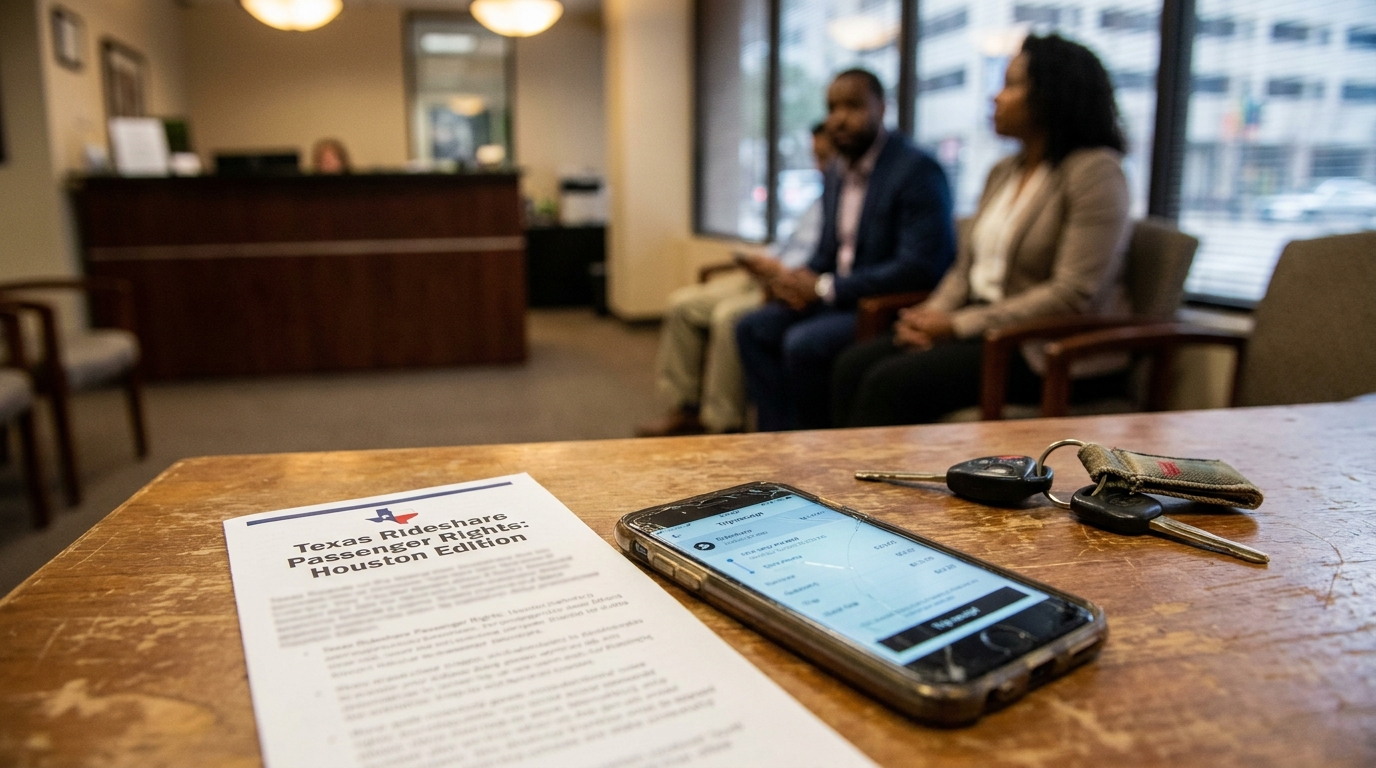
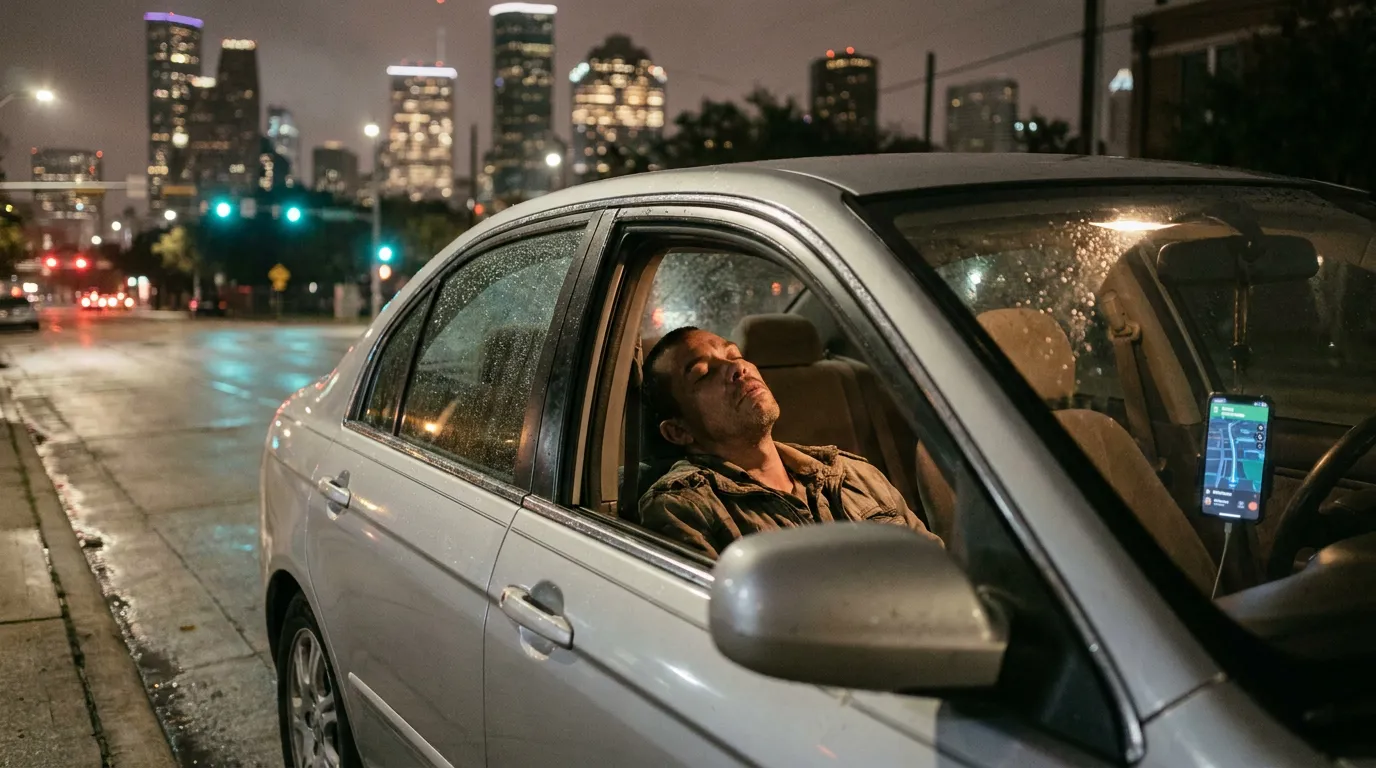
When a rideshare driver falls asleep behind the wheel in Houston, injured passengers can pursue compensation through the driver’s negligence and the commercial insurance coverage that Texas law requires. Fatigue is a recognized form of negligence, and when a driver dozes off and causes a collision, that lapse may breach the duty of care owed to passengers. Understanding coverage periods and applicable insurance can make a meaningful difference in your recovery.
If you or a loved one were hurt by a fatigued rideshare driver, the team at Payne Law Firm is here to help. Reach us at 713-223-5100 or through our online contact form to schedule a free consultation.
Why Drowsy Driving Counts as Rideshare Negligence in Houston
Drowsy driving is a failure to exercise reasonable care, forming the foundation of a negligence claim. A driver who falls asleep cannot brake, steer, or react to changing conditions, placing passengers in serious danger. In a Houston rideshare injury claim, your attorney will work to prove duty, breach, causation, and damages.
Every driver who transports passengers owes a duty to exercise ordinary, reasonable care. Most Uber and Lyft drivers operate personal vehicles under a standard Class C license. Texas does not require them to hold a commercial driver’s license or passenger endorsement, which under TX Transportation Code § 522.042 apply only to larger passenger-carrying vehicles such as buses. Texas does impose a heightened "high degree of care" standard on rideshare passenger carriers, classifying them as common carriers; under that standard the driver must act as a very cautious, competent, and prudent person would under the same or similar circumstances, as reaffirmed by the Texas Supreme Court in VIA Metropolitan Transit v. Meck (2020). A driver who falls asleep may be shown to have fallen below that standard.
💡 Pro Tip: Document any signs the driver appeared tired before the crash, such as yawning, swerving, or comments about a long shift. These details support a sleeping rideshare driver liability theory in Texas.
How Rideshare Insurance Periods Determine Your Coverage
The amount of insurance available depends on the driver’s app status at the moment of the crash. Texas uses a tiered system of coverage periods, and identifying the correct period is essential to accessing the right policy.
During an active trip, protection is strongest. From the moment the driver accepts the ride request until the passenger exits, Uber and Lyft provide at least $1 million in third-party liability coverage. Under TX Insurance Code § 1954.053, at the time a driver is engaged in a prearranged ride the policy must provide a total aggregate limit of $1 million for death, bodily injury, and property damage per incident. Review the full requirements in the Texas rideshare insurance statute.
Even before a ride is accepted, coverage applies. When a driver is logged in but waiting for a match, TX Insurance Code § 1954.052 requires minimum coverage of $50,000 per person and $100,000 per incident for bodily injury, plus $25,000 for property damage.
| Driver Status | Minimum Liability Coverage (Texas) |
|---|---|
| App off | Driver’s personal policy only |
| Logged in, awaiting ride | $50,000 per person / $100,000 per incident |
| Ride accepted through drop-off | $1 million combined aggregate |
What Are Your Rights When Your Rideshare Driver Falls Asleep
Understanding your rights starts with knowing which insurance policy is primary. Texas law mandates that the rideshare company or driver carry primary automobile insurance covering the prearranged ride. Under TX Insurance Code § 1954.051, a transportation network company driver, or the company on the driver’s behalf, must maintain primary coverage while logged on or engaged in a prearranged ride.
Passengers cannot be forced to rely on the driver’s personal auto insurer. Under TX Insurance Code § 1954.152(a), personal automobile policies are not required to cover a driver while logged on, engaged in a prearranged ride, or transporting passengers for compensation. Injured passengers look to the company’s commercial policy as the primary source of recovery.
Additional protection may exist when another driver is at fault. Uber and Lyft also provide Uninsured/Underinsured Motorist coverage in varying amounts, which can protect you if another at-fault driver lacks sufficient insurance.
💡 Pro Tip: Ask the responding officer to note the rideshare driver’s app status in the crash report. Establishing the period determines whether the $1 million policy applies.
Can You Hold Uber or Lyft Directly Responsible?
Holding the rideshare company directly liable can be challenging because drivers are classified as independent contractors rather than employees. This classification makes it difficult to pursue Uber or Lyft under traditional employer-liability theories. However, certain claims may remain available.
Negligent hiring or retention claims may apply in limited situations. If a company negligently hired or retained an unfit driver, an injured passenger may pursue a claim against the company itself.
Texas uses a bifurcated trial structure for many commercial vehicle disputes. Under TX Civil Practice and Remedies Code § 72.052, a first-phase finding that an employee was negligent in operating a commercial motor vehicle may serve as a basis to proceed against the employer in the second phase. However, Chapter 72 applies only to "commercial motor vehicles," a category that generally excludes the standard personal passenger vehicles most rideshare drivers use, so these procedures may not apply to typical Uber or Lyft cases.
Other parties beyond the driver and company may share fault. If a vehicle defect such as faulty brakes contributed to the crash, the manufacturer could be liable, and negligent repair could implicate a maintenance company. Identifying every responsible party is important for building a strong claim.
Deadlines That Can Affect Your Houston Rideshare Injury Claim
Texas imposes firm time limits on filing personal injury lawsuits, and missing them can permanently bar your claim. The statute of limitations for personal injury claims is generally two years from the date of injury.
No contract can shorten this minimum protection. Under TX Civil Practice and Remedies Code § 16.070(a), a person may not enter an agreement limiting the time to bring suit to less than two years, and any such agreement is void. Review the statutory language in the Texas limitations statute. This protects passengers from being forced to waive that minimum through a rideshare company’s terms of service.
Limited tolling exceptions may exist, but courts interpret them narrowly. For minors under 18 or mentally incapacitated individuals, the limitations period may begin only after the disability is removed. These exceptions do not apply automatically, and a court must find that the specific facts justify tolling.
💡 Pro Tip: Do not wait to investigate. Evidence such as app data, dashcam footage, and witness contact information can disappear quickly, well before the two-year filing deadline.
Steps That Can Strengthen Your Case After a Crash
Acting quickly after a collision can protect both your health and your legal rights. The moments after a rideshare crash are often chaotic, but a few practical steps can preserve crucial evidence.
Consider these steps when safe to do so:
- Seek immediate medical attention, even if injuries seem minor.
- Screenshot the trip page in your app as proof of ride status, driver information, and accident time.
- Photograph the scene, vehicles, and visible injuries.
- Collect names and contact details for the driver and witnesses.
- Keep records of medical bills, lost wages, and expenses.
Working with a knowledgeable legal team can help navigate insurer pushback. Insurance companies may dispute the driver’s app status or downplay injuries. Our firm has helped over a thousand injured individuals and families pursue deserved compensation. Learn more through our resource on rideshare passenger rights in Houston and our rideshare accident attorney Houston page.
Frequently Asked Questions
1. Who pays my medical bills if my Uber driver fell asleep during my ride?
During an active trip, the rideshare company’s commercial liability policy is generally the primary source of recovery. Under TX Insurance Code § 1954.053, that coverage must provide at least $1 million in combined liability during a prearranged ride.
2. How long do I have to file a rideshare injury lawsuit in Texas?
Most personal injury claims in Texas must be filed within two years of the injury date. Limited tolling exceptions may apply for minors or incapacitated individuals, but courts apply these narrowly.
3. Can I sue Uber or Lyft directly after a drowsy driving crash?
It can be difficult because drivers are typically independent contractors, not employees. However, claims like negligent hiring, retention, or entrustment may be available under certain circumstances.
4. What if another driver caused the crash and had no insurance?
Uber and Lyft provide Uninsured/Underinsured Motorist coverage in varying amounts. This protection applies when another at-fault driver lacks sufficient insurance to cover your losses.
5. What evidence is most important after a rideshare accident?
App screenshots, crash reports, photographs, and medical records are often most valuable. Documenting the driver’s app status helps establish which coverage period and policy apply.
Moving Forward With Confidence and Support
A rideshare crash caused by a fatigued driver can leave you facing mounting bills, lost income, and uncertainty about your rights. Texas law provides meaningful protections, from the $1 million coverage requirement during active trips to the two-year filing window that no contract can shorten. Understanding which coverage period applies and preserving evidence early can significantly affect your ability to recover fair compensation.
At Payne Law Firm, we are a community-oriented practice led by an attorney who is Board Certified in Personal Injury Trial Law by the Texas Board of Legal Specialization. With more than 20 years of service to Houston families, we strive to make sure you feel heard and respected. If a drowsy or sleeping rideshare driver injured you, reach out to Payne Law Firm today by calling 713-223-5100 or completing our free consultation request. We are ready to listen and fight for you.