
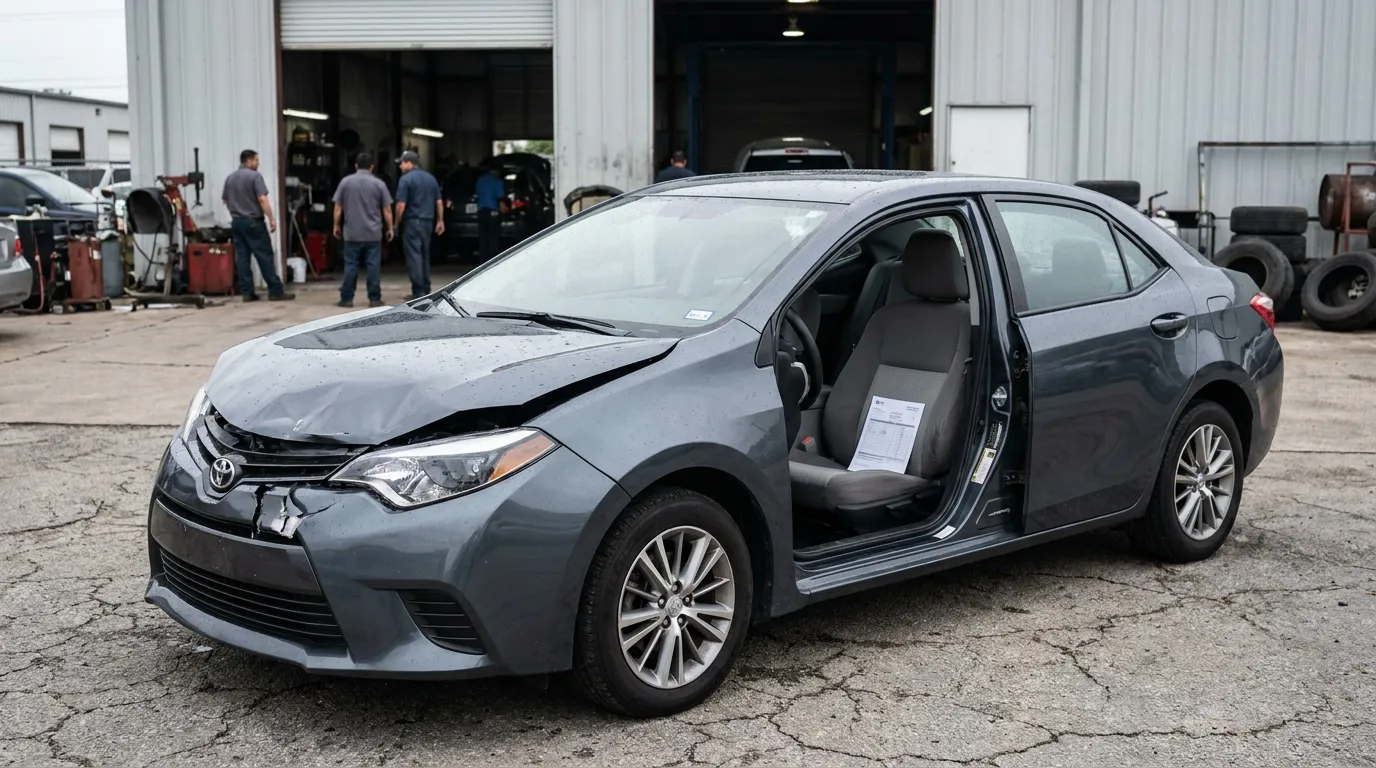
Understanding Your Options After a Houston Uninsured Driver Crash
Key Takeaways: After a Houston crash caused by an uninsured driver, your medical bills can be covered through several avenues under Texas law. Your uninsured/underinsured motorist (UM/UIM) coverage is often the primary payment source and must be included in your policy unless rejected in writing, while medical payments (MedPay) coverage can also help. When the at-fault driver has insufficient insurance, underinsured coverage fills the gap. You may pursue the at-fault driver directly, though collecting can be difficult without assets. Texas’s modified comparative fault system lets you recover if you are 50 percent or less at fault, with compensation reduced by your blame percentage. Most personal injury claims must be filed within two years of the crash.
Getting hit by an uninsured driver can leave you wondering how to cover medical bills. Texas law provides several paths to compensation, even when the at-fault driver cannot pay. Your own uninsured/underinsured motorist coverage, medical payments coverage, or a direct claim against the at-fault driver may help you recover costs.
At Payne Law Firm, we treat our clients like family and understand how frightening a serious crash can feel when bills arrive. If you were injured by an uninsured driver, call us at 713-223-5100, reach out through our online contact page, or learn more at Payne Law Firm to discuss your options during a free consultation.
What Happens If an Uninsured Driver Causes a Houston Car Crash
When an uninsured driver causes your wreck, responsibility for your damages does not disappear. Texas treats the at-fault motorist as personally liable under negligence law, but a driver with no insurance often lacks assets to pay a judgment. That reality is why understanding your own coverage matters so much.
Texas requires every driver to carry liability insurance. The financial responsibility rules apply to specific collisions. This subchapter applies only to a motor vehicle collision in this state that results in bodily injury or death or in damage to the property of one person of at least $1,000. Most serious Houston collisions meet this threshold.
These rules treat insured and uninsured drivers differently. The subchapter does not apply to an owner or operator who has in effect at the time of the collision a motor vehicle liability insurance policy that covers the motor vehicle involved in the collision. You can review the framework in Texas Transportation Code Chapter 601 to understand how the state structures these obligations.
💡 Pro Tip: Always call the police after a collision, even a minor one. A crash report documenting that the other driver was uninsured can become critical evidence when you file an uninsured motorist claim in Texas.
How Your Own Policy Steps In to Pay
In many uninsured driver crashes, your own auto policy becomes the primary payment source. Texas builds specific consumer protections into every policy issued in the state, and these coverages protect you when the at-fault driver cannot pay.
Uninsured and Underinsured Motorist Coverage
Uninsured/underinsured motorist (UM/UIM) coverage is the core mechanism that pays when the at-fault driver has no insurance. Texas law defines this coverage broadly. UM/UIM coverage protects insureds who are legally entitled to recover from owners or operators of uninsured or underinsured motor vehicles damages for bodily injury, sickness, disease, or death, or property damage. An insurer may not deliver or issue for delivery in this state an automobile liability insurance policy unless the insurer provides uninsured or underinsured motorist coverage in the policy or supplemental to the policy.
This default coverage has an exception. UM/UIM coverage does not apply if you rejected it. The coverage required by this subchapter does not apply if any insured named in the insurance policy rejects the coverage in writing. That written rejection requirement is why many Houston drivers unknowingly carry this valuable protection. The statutory details appear in Chapter 1952 of the Insurance Code.
When the at-fault driver carries too little insurance, underinsured coverage fills the gap. Underinsured motorist coverage must provide for payment to the insured of all amounts that the insured is legally entitled to recover as damages from owners or operators of underinsured motor vehicles because of bodily injury or property damage, not to exceed the limit specified in the insurance policy, and reduced by the amount recovered or recoverable from the insurer of the underinsured motor vehicle.
Medical Payments and Other Coverages
Texas personal auto policies commonly include several coverage types that can pay medical bills after an uninsured-driver crash. These often include both UM/UIM coverage and medical payment (MedPay) coverage. An important caveat exists for rideshare drivers. An authorized exclusion applies to coverages in a personal auto policy including uninsured and underinsured motorist coverage and medical payment coverage while a transportation network company driver is logged on or engaged in a prearranged ride.
Pursuing the At-Fault Driver Directly
You may also pursue the uninsured driver personally for your damages. Under Texas negligence law, an at-fault uninsured motorist can be held individually liable for medical bills, lost wages, and other losses. Collecting on that judgment can be difficult when the driver has few assets, which is why many injured Houstonians rely on their own coverage first.
💡 Pro Tip: Request a certified copy of your full auto insurance policy, not just the declarations page. The detailed policy language controls how much UM/UIM and MedPay coverage you can access.
How Comparative Fault Can Affect Your Recovery
Texas follows a modified comparative fault system that can limit or bar your recovery. Under the proportionate responsibility statute, your share of blame matters. Texas Civil Practice and Remedies Code Section 33.001, titled Proportionate Responsibility, provides that a claimant may not recover damages if his percentage of responsibility is greater than 50 percent. This is often called the 51% bar rule.
Partial fault does not automatically end your claim. A claimant who is 50 percent or less at fault can still recover, though recovery is reduced by that percentage. Because fault in a car accident in Houston, Texas is frequently disputed, insurers may try to shift blame onto you to reduce what they owe.
Insurers sometimes use these fault rules as leverage during settlement talks. Documenting the scene, preserving witness contact information, and seeking prompt medical care can all support your version of events.
💡 Pro Tip: Avoid giving a recorded statement to any insurer before speaking with counsel. Casual comments about the crash can later be used to argue you share fault under the proportionate responsibility rules.
Deadlines That Protect Your Right to Compensation
Missing the filing deadline can permanently end an otherwise strong claim. In Texas, the general rule is strict. A person must bring suit for trespass for injury to the estate or to the property of another, conversion of personal property, taking or detaining the personal property of another, personal injury, forcible entry and detainer, and forcible detainer not later than two years after the day the cause of action accrues.
That two-year window means most Houston crash victims must act well before the deadline. You can review the governing text in the Texas Civil Practice and Remedies Code Section 16.003 to see how the limitations period is written.
In limited circumstances, the clock may begin later than the crash date. Under the discovery rule, the limitations period may begin to run when the injury was discovered or reasonably should have been discovered. Courts generally interpret these exceptions narrowly, so you should not assume any extension applies.
Here are steps that generally help protect your claim after an uninsured driver accident in Texas:
- Seek medical care promptly and keep every bill and record.
- Report the crash to your own insurer and ask about UM/UIM benefits.
- Preserve photos, the crash report, and witness information.
- Consult a qualified attorney well before the two-year deadline.
Why Experience Matters in Uninsured Driver Claims
Handling an uninsured motorist claim involves coordinating your own insurer, the at-fault driver, and Texas fault rules simultaneously. Attorney Jason E. Payne is Board Certified in Personal Injury Trial Law by the Texas Board of Legal Specialization, and our firm brings more than 20 years of service to injured Houstonians. Over that time, Payne Law Firm has helped over a thousand injured individuals and families pursue the compensation they deserved.
We also understand the communities we serve. Attorney Payne built his practice around helping injured Houstonians feel heard, informed, and respected during stressful moments. Our overview of what happens if an uninsured driver causes a Houston car crash offers a helpful starting point, and our dedicated Houston car accident attorney team is ready to explain your next steps.
💡 Pro Tip: Even if the uninsured driver seems apologetic at the scene, never rely on informal promises to pay. Verbal assurances are difficult to enforce and rarely cover the full cost of serious injuries.
Frequently Asked Questions
1. Who pays my medical bills if the other driver has no insurance?
Your own coverage often pays first. Uninsured/underinsured motorist coverage and medical payments coverage in your Texas policy can cover treatment costs, and you may pursue the at-fault driver directly.
2. Do I automatically have uninsured motorist coverage in Texas?
Generally, yes, unless you declined it. Texas insurers must include UM/UIM coverage in auto policies unless the named insured rejects it in writing.
3. Can I still recover if I was partly at fault?
In many cases, yes. Under the 51 percent bar rule, you can recover if you are 50 percent or less at fault, though your compensation is reduced by your responsibility percentage.
4. How long do I have to file a claim after a Houston crash?
Usually two years from the crash date. Texas law generally requires personal injury suits within two years.
5. What if the at-fault driver had some insurance, but not enough?
Your underinsured motorist coverage may fill the gap. It can pay amounts you are legally entitled to recover up to your policy limit, reduced by what is recoverable from the other driver’s insurer.
Moving Forward After Your Crash
An uninsured driver crash does not leave you without options for your medical bills. Between UM/UIM coverage, MedPay, and a possible claim against the at-fault driver, Texas law offers meaningful paths to car accident compensation in Houston. Because comparative fault rules and the two-year filing deadline can significantly affect your outcome, acting promptly and understanding your policy are essential.
If you are facing mounting bills after a Houston crash, Payne Law Firm is ready to help you understand your rights. Call us at 713-223-5100, schedule your free consultation through our request a consultation page, or visit Payne Law Firm online to take the first step toward the recovery you deserve.