
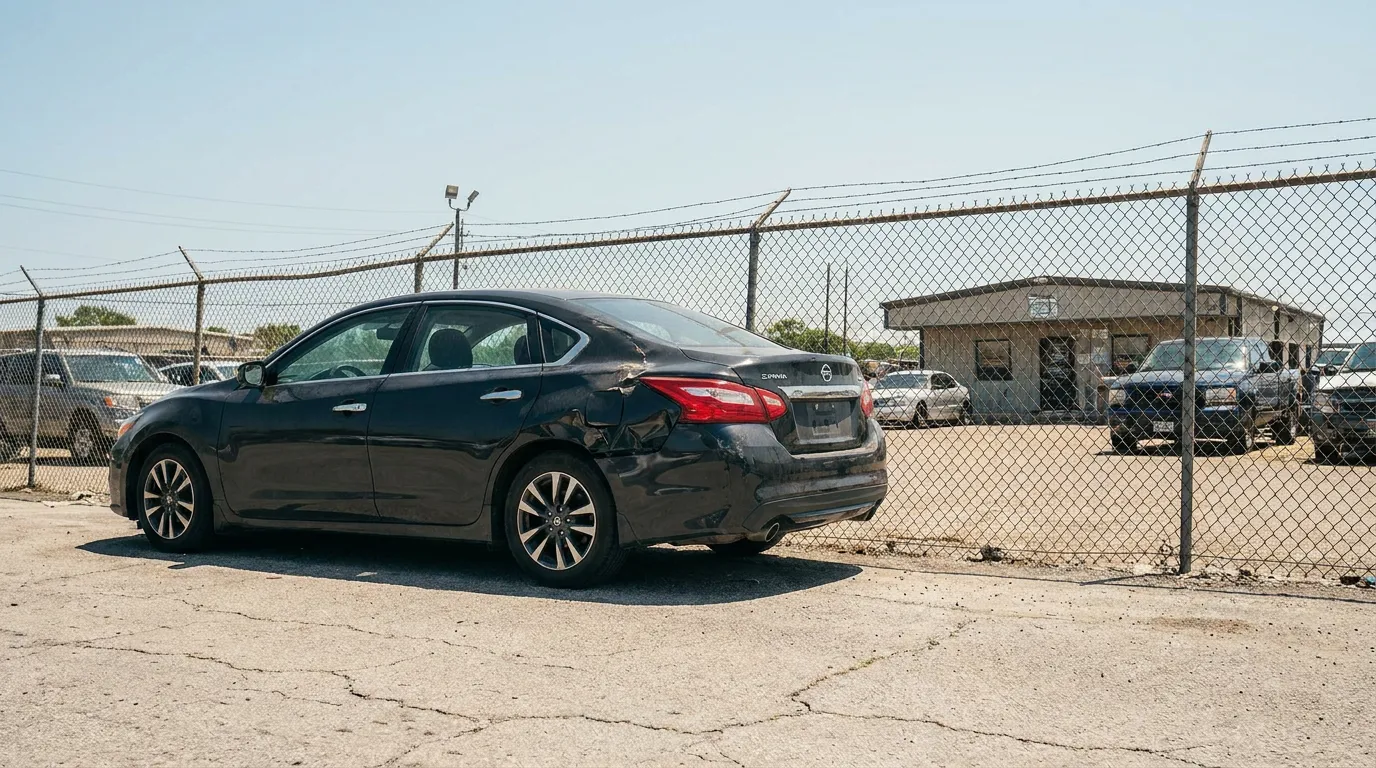
Understanding Your Rights After a Houston Drunk Driving Crash
Key Takeaways: When hit by a drunk driver in Houston, the intoxicated driver is usually the primary liable party, but Texas law often allows recovery from additional sources. Responsibility can extend to a bar or restaurant that over-served the driver under dram shop principles, a vehicle owner, an employer, and your own UM/UIM insurance policy when the at-fault driver is uninsured or underinsured. A criminal conviction is not required to win a civil case because civil claims use a lower burden of proof. Recoverable damages include medical bills, lost wages, diminished earning capacity, pain and suffering, and sometimes punitive damages. Texas generally imposes a two-year statute of limitations on personal injury claims, with narrow exceptions and shorter deadlines for government claims.
When hit by a drunk driver in Houston, the at-fault driver is usually the first liable party, but Texas law often allows injured victims to pursue several sources of accountability. Responsibility can extend to the bar or restaurant that over-served the driver, the vehicle owner, an employer, and even your own insurance policy. Identifying every responsible party is critical to protecting your right to recover for medical bills, lost income, and pain.
At Payne Law Firm, we treat our clients like family and walk with you through each stage of recovery. If you or a loved one was injured by an impaired driver, call us at 713-223-5100, reach out through our online consultation request, or learn more at Payne Law Firm. We offer free consultations because getting answers should never add to your stress.

Who Can Be Held Responsible When You Are Hit by a Drunk Driver Houston
Liability after a drunk driving crash frequently reaches beyond the person behind the wheel. Texas recognizes that several parties may share fault, which matters when a single insurance policy cannot cover catastrophic injuries. Identifying every potentially responsible party early helps preserve evidence and protect your claim.
The Impaired Driver
The intoxicated driver is almost always the central defendant. A driver who causes serious bodily injury while operating a vehicle in a public place because of intoxication commits a third-degree felony under the Texas intoxication assault statute, Texas Penal Code § 49.07. A criminal charge or conviction is not required to win a civil case, but it serves as powerful evidence of negligence.
Proving legal intoxication often turns on blood alcohol content. The legal limit for most drivers in Texas is 0.08 percent, though a person can be found intoxicated based on loss of normal mental or physical faculties regardless of a specific BAC number.
💡 Pro Tip: If a police report references a DWI arrest or chemical test result, preserve those records immediately. This documentation is central to establishing liability.
Vehicle Owners, Employers, and Other Parties
Responsibility for a crash is often shared by parties who never touched the steering wheel. Legally responsible parties can include vehicle owners, employers, car manufacturers, property owners, and government entities. If an intoxicated employee was driving a company vehicle within the course and scope of employment, the employer may face liability under respondeat superior. A vehicle owner who knowingly lets an unfit driver use the vehicle may face liability under negligent entrustment.
Texas law signals that intoxication can remove certain liability shields. Under Texas Civil Practice and Remedies Code § 84.0061(e), limited protection for religious charitable organizations providing transportation services does not apply when the operator was intoxicated. While narrow, this illustrates that Texas law often carves drunk driving out from protections that might otherwise limit recovery.
Your Own UM/UIM Coverage
Sometimes the at-fault driver lacks sufficient insurance. If the drunk driver is uninsured or their coverage is insufficient, you may file a claim under your own Uninsured/Underinsured Motorist (UM/UIM) coverage if you carry that protection. This practical recovery avenue is often overlooked after a Harris County drunk driving crash.
How Texas Law Establishes the Drunk Driver’s Liability
Texas law makes it difficult for an impaired driver to blame their own drinking as an excuse. Under Texas Penal Code § 8.04, voluntary intoxication does not constitute a defense to the commission of a crime. This principle supports holding a drunk driver accountable rather than treating impairment as a justification.
Beyond criminal exposure, a drunk driver can be held liable in civil court. Importantly, plaintiffs suing civilly need only prove their case by a preponderance of the evidence, a lower standard than the criminal "beyond a reasonable doubt" burden. This means you may recover even if the driver is never convicted. Civil liability generally rests on proving duty, breach, causation, and damages.
💡 Pro Tip: A "not guilty" verdict or dropped criminal charges does not automatically end your civil claim. Because burdens of proof differ, a civil car accident liability Texas claim can move forward independently.
When a Bar or Restaurant Shares the Blame
Texas dram shop law can extend liability to the business that over-served the driver. Under the Texas Dram Shop Act, a licensed provider may be held liable if it served or sold alcohol to a person who was obviously intoxicated to the extent they presented a clear danger, or to a minor, who then caused a crash. This creates an additional avenue of recovery, though the statute sets specific proof requirements.
Texas also treats serving alcohol to an already-intoxicated person as a regulated violation. Under the Texas Alcoholic Beverage Code, the state may cancel or suspend a permit when a permittee sold or delivered an alcoholic beverage to an intoxicated person, as set out in § 11.61(b)(14). This administrative process is separate from a civil lawsuit but illustrates that establishments owe legal duties in how they serve patrons.
A frequently contested issue is whether a patron was obviously intoxicated when served. Courts may consider a range of evidence, and outcomes remain fact-dependent.
Some states recognize broad social host liability, holding private individuals responsible for injuries caused by an intoxicated guest. In Texas, social host liability is generally limited and applies mainly where an adult provides alcohol to a minor under 18, so whether any social host theory applies depends on the specific facts.
| Potentially Liable Party | Common Legal Basis |
|---|---|
| Impaired driver | Negligence; intoxication assault evidence |
| Bar, restaurant, or store | Texas dram shop principles |
| Employer or vehicle owner | Vicarious or negligent-entrustment liability |
| Your insurer | UM/UIM coverage |
Damages You May Recover in a Drunk Driving Injury Claim
Compensation in a drunk driving injury claim generally aims to restore what the crash took from you. Recoverable damages often include medical expenses, lost wages, diminished earning capacity, and pain and suffering. The exact amount depends on injury severity and available insurance and assets.
In cases involving egregious misconduct, Texas allows awards of exemplary (punitive) damages. Drunk driving conduct can sometimes support them, though such damages require proof by clear and convincing evidence of gross negligence or malice. These are intended to punish reckless behavior and deter others. Whether punitive damages apply is a fact-sensitive question that a qualified attorney can evaluate.
Common challenges include aggressive insurance tactics and disputes over fault. To protect your position:
- Seek prompt medical care and keep every bill and record.
- Photograph the scene, vehicles, and visible injuries.
- Avoid giving a recorded statement to the other insurer before consulting a lawyer.
- Note any establishment where the driver may have been served alcohol.
💡 Pro Tip: Receipts, security video, and server testimony from a bar can disappear quickly. Acting early helps preserve proof needed for a Texas car accident fault analysis.
Protecting Your Claim and Meeting Texas Deadlines
Texas generally imposes a two-year statute of limitations on most personal injury claims, but exceptions exist and courts interpret them narrowly. Waiting too long can bar an otherwise valid claim, so speak with a Houston personal injury lawyer promptly. Limited circumstances may toll or extend a deadline, but tolling does not apply automatically. Claims against government entities involve separate and often much shorter administrative notice deadlines that can arise within months of the crash, making prompt action especially important.
Because deadlines and exceptions are fact-specific, this article is general information rather than individualized legal advice. Having a knowledgeable advocate review your timeline early can prevent avoidable mistakes. You can read more in our detailed guide on being hit by drunk driver Houston claims.
Frequently Asked Questions
1. Can I still sue if the drunk driver was not convicted?
Yes, in many cases. Civil claims use a lower burden of proof than criminal cases, so you may recover damages even if criminal charges were reduced, dismissed, or never filed.
2. Can a bar be held responsible for over-serving the driver?
Potentially, yes. Texas dram shop principles may allow recovery from a business that served alcohol to an obviously intoxicated or underage patron. Whether the patron was obviously intoxicated when served is often a contested, fact-dependent issue with specific statutory proof requirements.
3. What if the drunk driver has no insurance?
Your own UM/UIM coverage may help. If the at-fault driver is uninsured or underinsured, you may file a claim under your own policy if you carry that protection.
4. How long do I have to file a claim in Texas?
Generally two years from the date of injury, subject to exceptions. Courts interpret tolling and discovery exceptions narrowly, and government claims carry separate, often shorter, notice deadlines. Prompt legal guidance is important.
5. Are punitive damages available in drunk driving cases?
Sometimes. Egregious conduct such as intoxicated driving can support exemplary damages intended to punish and deter, but they require clear and convincing evidence of gross negligence or malice. Availability depends on the facts.
Why Houston Families Turn to Payne Law Firm
Being hit by a drunk driver in Houston can leave you facing painful injuries, mounting bills, and insurers who seem to care more about their bottom line than your recovery. Texas law often provides more than one path to accountability, from the impaired driver to a business that over-served alcohol to your own coverage. With more than 20 years of service, attorney Jason E. Payne, who is Board Certified in Personal Injury Trial Law by the Texas Board of Legal Specialization, has helped over a thousand injured individuals and families pursue the compensation they deserved. Our team works to make sure people who feel overlooked by insurance companies feel heard, informed, and respected.
If a drunk driver injured you or someone you love, do not wait to protect your rights. Call our compassionate team at 713-223-5100, request your free consultation through our contact page, or learn how our dedicated Houston car accident attorney team can stand beside you and your family today.