
The Digital Black Box Behind Every Houston Rideshare Ride
Key Takeaways: When a rideshare trip begins in Houston, the app records GPS telemetry including location, speed, route, timestamps, and driver status at impact. This data establishes liability and which insurance "period" applies, since Texas ties coverage to whether the driver was offline, waiting, or transporting a passenger. Texas law restricts retrieving this data and typically requires a subpoena or court order, so attorneys send preservation letters first. Because comparative fault governs recovery in Texas, telemetry showing speed, braking, and route can shift fault allocation. This time-sensitive evidence can be overwritten, and victims generally have two years to file suit.
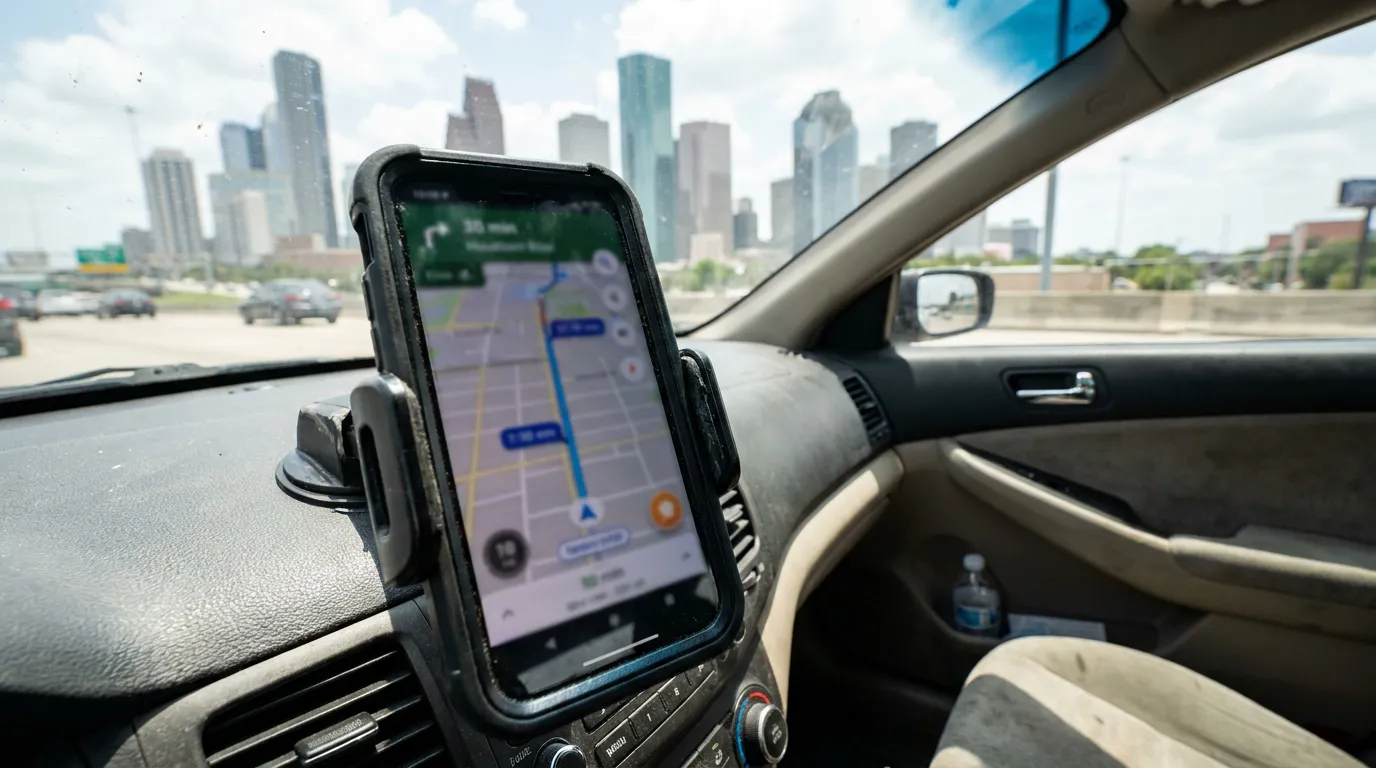
Every time an Uber or Lyft trip begins in Houston, the app records data that can later prove exactly what happened in a crash. That data includes location, speed, route, and driver status at impact. For injured passengers, pedestrians, cyclists, or other vehicle occupants, this information can mean the difference between a denied claim and access to full insurance limits.
At Payne Law Firm, we believe you deserve clear answers during a frightening time. If you or a loved one was hurt in a rideshare collision, call us at 713-223-5100, reach out through our confidential contact page, or learn more about how Payne Law Firm treats clients like family. Your first consultation is free.
The Types of GPS Telemetry a Rideshare App Records
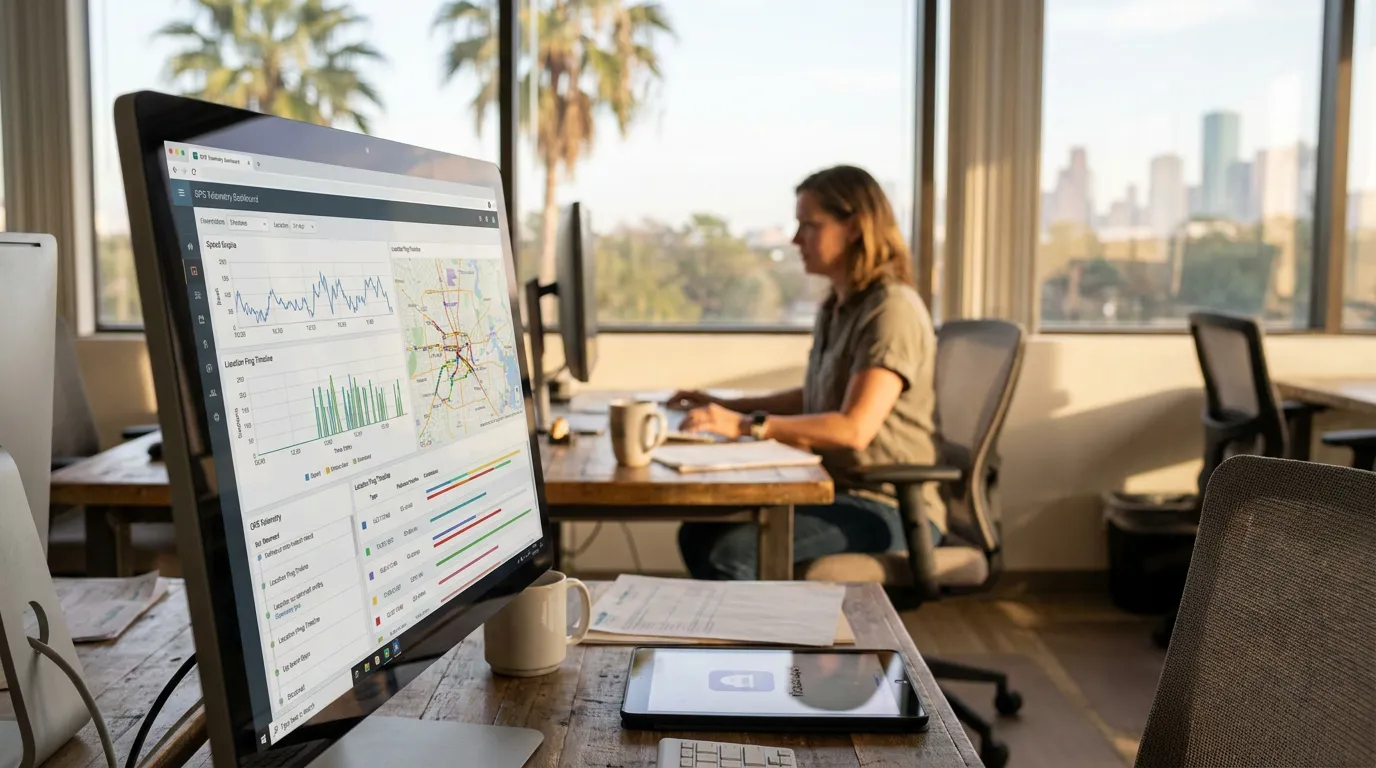
Modern rideshare platforms function as rolling data recorders. During an active trip, the app tracks real-time GPS location, travel speed, route taken, timestamps for each ride phase, and the exact moment a driver accepts or ends a trip. This creates a second-by-second picture of the moments before and after a collision.
Texas law defines related recording systems broadly. Under Tex. Transp. Code § 547.615(a)(2), a "recording device" means a manufacturer-installed feature that records a vehicle’s speed, direction, location data, steering and brake performance, seat belt status, or transmits collision information to a central system. This statute governs onboard devices rather than app-maintained data, though both capture similar telemetry; review the full statutory language in the Texas recording device statute.
Why Rideshare Telemetry Differs From an Ordinary Fender Bender
Rideshare crashes carry an extra evidentiary layer that ordinary car wrecks do not. In standard collisions, investigators rely on police reports and eyewitnesses. In rideshare cases, the app generates a digital trail that can confirm whether the driver was distracted by the app, speeding to complete a trip, or logged into the network at all.
💡 Pro Tip: Screenshot your trip receipt and any in-app messages immediately after a crash. This personal copy helps corroborate the detailed logs your attorney later requests.
What Role Does App Data Play in a Houston Rideshare Case
The question comes down to two things: liability and coverage. App-recorded telemetry establishes who was at fault and which insurance policy applies. Because rideshare insurance is tied directly to driver status on the platform, app logs often become the most important Houston rideshare accident evidence.
Fault in Texas is rarely all-or-nothing, which makes precise data especially valuable. Texas follows modified comparative fault. As explained in the Cornell overview of comparative negligence principles, courts reduce a plaintiff’s recovery according to the degree of negligence attributed to each party. A finding of 60% defendant and 40% plaintiff fault means the injured person recovers only 60% of damages. Under Texas’s modified rule, a plaintiff more than 50% at fault is barred from recovery. Telemetry showing speed, braking, and route can shift that percentage allocation in your favor.
A skilled Texas rideshare accident lawyer treats these logs as core proof. Attorneys advise crash victims to obtain app logs documenting driver status at impact before agreeing to any settlement. Securing the crash report, app logs, and coverage determination in writing puts you in a stronger negotiating position.
How the "Period" System Controls Which Insurance Applies
Rideshare insurance coverage in Texas depends entirely on which "period" the driver was in when the crash happened. That period is established by the app’s recorded activity data. Coverage shifts dramatically depending on whether the driver was offline, waiting for a request, or actively transporting a passenger.
Texas ties this coverage directly to driver app status by statute. Required insurance turns on whether the driver is logged on to the company’s digital network (Tex. Ins. Code § 1954.052) or engaged in a prearranged ride (Tex. Ins. Code § 1954.053). Separately, Tex. Ins. Code § 1954.101 requires the company to disclose coverage types and limits and warn that a driver’s personal auto policy may not apply while logged on.
| App Status | What the Data Shows | General Coverage Effect |
|---|---|---|
| App off | No network connection | Personal auto policy only |
| Period 1 (logged in, waiting) | Driver online, no ride accepted | Contingent coverage of at least $50,000/$100,000/$25,000 |
| Periods 2, 3 (en route or carrying passenger) | Trip accepted or passenger aboard | Up to $1 million policy may apply |
Financial responsibility rules add another reason to pin down the right policy. Tex. Transp. Code § 601.151 relates to Texas collisions resulting in bodily injury, death, or property damage of at least $1,000, and the chapter’s requirements generally do not apply where the owner or operator already has a liability policy covering the vehicle. Identifying the correct rideshare-linked policy through app data is central to a Houston rideshare accident claim.
💡 Pro Tip: If an adjuster claims the driver was "offline" at the time of your crash, do not accept that conclusion at face value. The app’s timestamped GPS logs can contradict a self-serving coverage determination.
Getting the Data: What Texas Law Requires
Rideshare data does not simply appear when you ask for it. For a vehicle’s manufacturer-installed recording device, Tex. Transp. Code § 547.615(c) provides that recorded data generally may not be retrieved except under a court order. App data held on rideshare company servers is obtained through civil discovery, where a subpoena or court order is the usual mechanism.
Location data from an in-vehicle recording device carries an even higher standard. Tex. Transp. Code § 547.615(d) provides that a court order to retrieve such location information may be granted only after showing retrieval is necessary to protect public safety or that the information is evidence a person committed an offense.
Practical Steps to Preserve Rideshare App GPS Logs
Because this data can be overwritten or purged, prompt action protects your case. A prompt evidence-preservation letter puts the company on notice that app logs must not be destroyed.
Common early steps include:
- Photographing the scene, vehicles, and any visible app screens
- Saving your ride receipt, trip ID, and driver information
- Requesting the police crash report promptly
- Sending a preservation demand for rideshare app GPS logs
- Documenting all medical treatment and expenses
Our team walks clients through this process step by step. For a deeper checklist, review our guidance on preserving app evidence after a Houston Uber crash, which explains timing that often makes or breaks a claim.
💡 Pro Tip: Keep a dated journal of your symptoms, missed work, and out-of-pocket costs. This everyday record strengthens the damages side of your claim while technical data addresses liability.
Deadlines That Affect Your Telemetry Evidence
Texas generally gives crash victims two years to file a personal injury lawsuit. Under Tex. Civ. Prac. & Rem. Code § 16.003(a), a person must bring suit for personal injury not later than two years after the day the cause of action accrues. For fatal crashes, § 16.003(b) provides that wrongful-death claims must also be brought within two years, with the clock generally starting on the date of death.
Texas protects that two-year window from being quietly shortened. Under Tex. Civ. Prac. & Rem. Code § 16.070, contract clauses that shorten the time to sue to less than two years are generally void.
These deadlines matter for telemetry because data retention is not indefinite. GPS records remain practically available only while the claim is active. Acting early, in consultation with a Houston rideshare injury attorney, helps keep app-recorded evidence available.
Why Injured Houstonians Turn to Payne Law Firm
For more than 20 years, our firm has stood beside injured Houstonians who felt overlooked by insurance companies. Attorney Jason E. Payne is Board Certified in Personal Injury Trial Law by the Texas Board of Legal Specialization, and the firm has helped over a thousand injured individuals and families pursue the compensation they deserved. We take the time to explain the process clearly and fight for people during the most stressful moments of their lives.
We understand that a rideshare crash can upend your finances and your peace of mind. If you want to understand your options after a collision, our attorneys are ready to review your situation. Learn more on our page for a dedicated Texas rideshare accident lawyer.
Frequently Asked Questions
What GPS telemetry does an Uber or Lyft app record in a crash?
The app can log location, speed, route, timestamps, and driver trip status. This Uber GPS telemetry in Texas helps reconstruct the moments around impact and confirm which insurance period applied.
How do I get the rideshare app data for my Houston claim?
A subpoena or court order is typically required. Because access to stored data, especially location data, is restricted, an attorney sends a preservation letter first and then pursues formal discovery.
Does it matter whether the driver was "online" when I was hurt?
Yes, because Texas ties coverage to driver app status. Whether the driver was logged in and waiting or actively transporting a passenger determines whether contingent coverage or a larger commercial policy applies. App logs are often the clearest proof.
How long do I have to act after a Houston rideshare crash?
Texas generally allows two years from the date of the crash to file a personal injury lawsuit. For wrongful-death claims, the two-year period generally starts on the date of death.
Can app data reduce the blame placed on me?
It can, because Texas follows modified comparative fault. Telemetry showing driver speed, braking, or route may shift the percentage of fault and affect your recovery, though a plaintiff found more than 50% at fault recovers nothing.
Protecting Your Claim Starts With Protecting the Data
In a Houston rideshare crash, the app’s recorded telemetry is frequently the strongest evidence you have. It can confirm fault, establish the driver’s insurance period, and unlock coverage that helps pay for medical care and lost income. Yet this data is time-sensitive and subject to legal rules on retrieval and preservation.
You do not have to navigate this alone. To discuss preserving your rideshare app GPS logs and pursuing fair compensation, call 713-223-5100, send us a message through our free case review request, or visit Payne Law Firm to learn how our team can help. Your consultation is free, and we are ready to fight for you.