
Understanding a Shifting Trucking Company Identity
Key Takeaways: A chameleon carrier is a trucking company that dissolves and reincorporates under a new name to shed a poor safety record, evade oversight, or escape liability. Texas law provides tools to reach the business behind a negligent driver, including employer liability under the Texas Civil Practice and Remedies Code. Strict deadlines apply, as most claims must be filed within two years, and carrier restructuring can complicate identifying the right defendant in time. Under Texas proportionate responsibility, a claimant’s recovery is reduced by their percentage of fault and barred entirely if they exceed 50 percent responsibility. When a chameleon carrier cannot pay, uninsured or underinsured motorist coverage may provide alternative recovery. Preserving evidence and acting quickly are essential to tracing a reincarnated company.
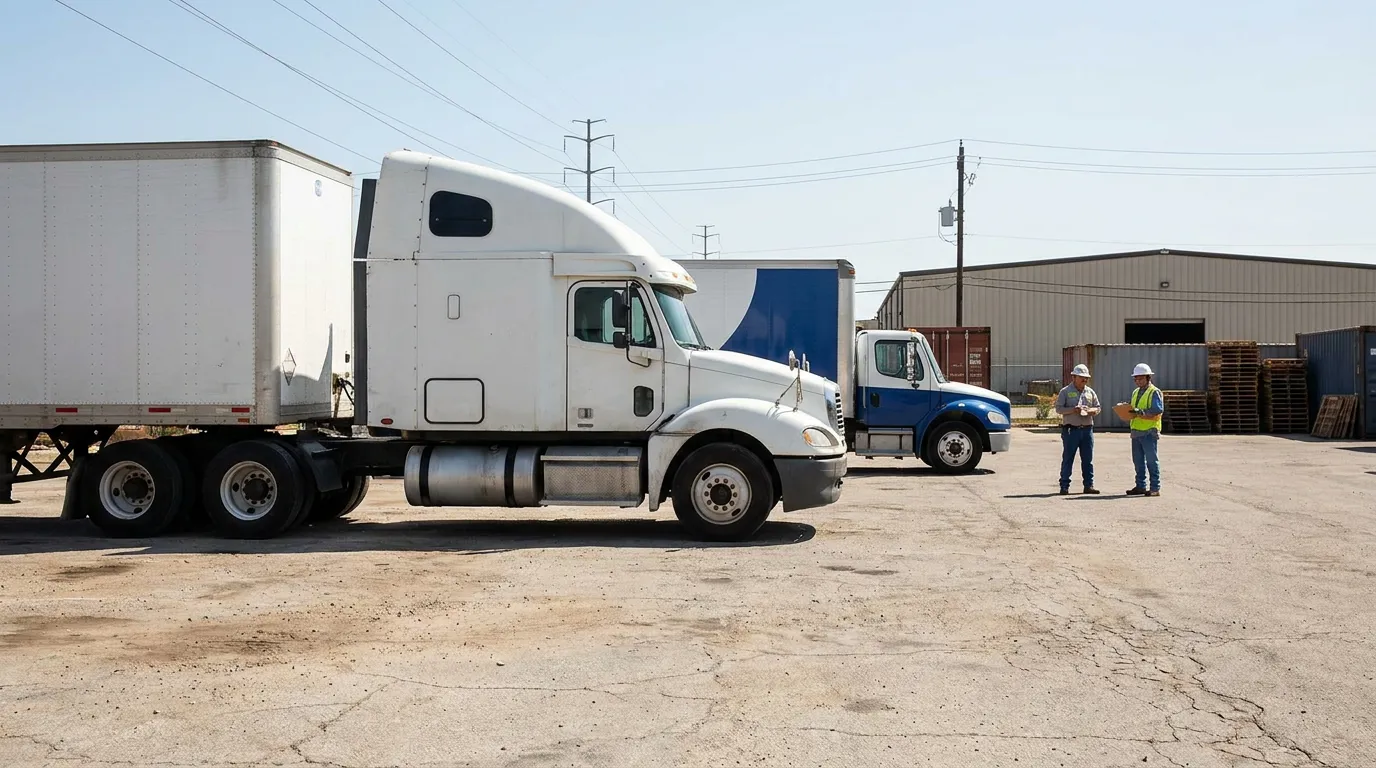
When a motor carrier with a poor safety record shuts down and quietly reopens under a new name, that maneuver is called operating as a "chameleon carrier." In a Houston 18-wheeler accident case, this means a trucking company dissolves and reincorporates to shed a troubled compliance history, dodge oversight, or escape liability. For victims, this shape-shifting makes it harder to identify who is responsible.
If you or a loved one were hurt in a collision with a big rig, the team at Payne Law Firm is ready to help. Call us anytime at 713-223-5100 or reach out through our online case review form.
What Makes a Carrier a "Chameleon"
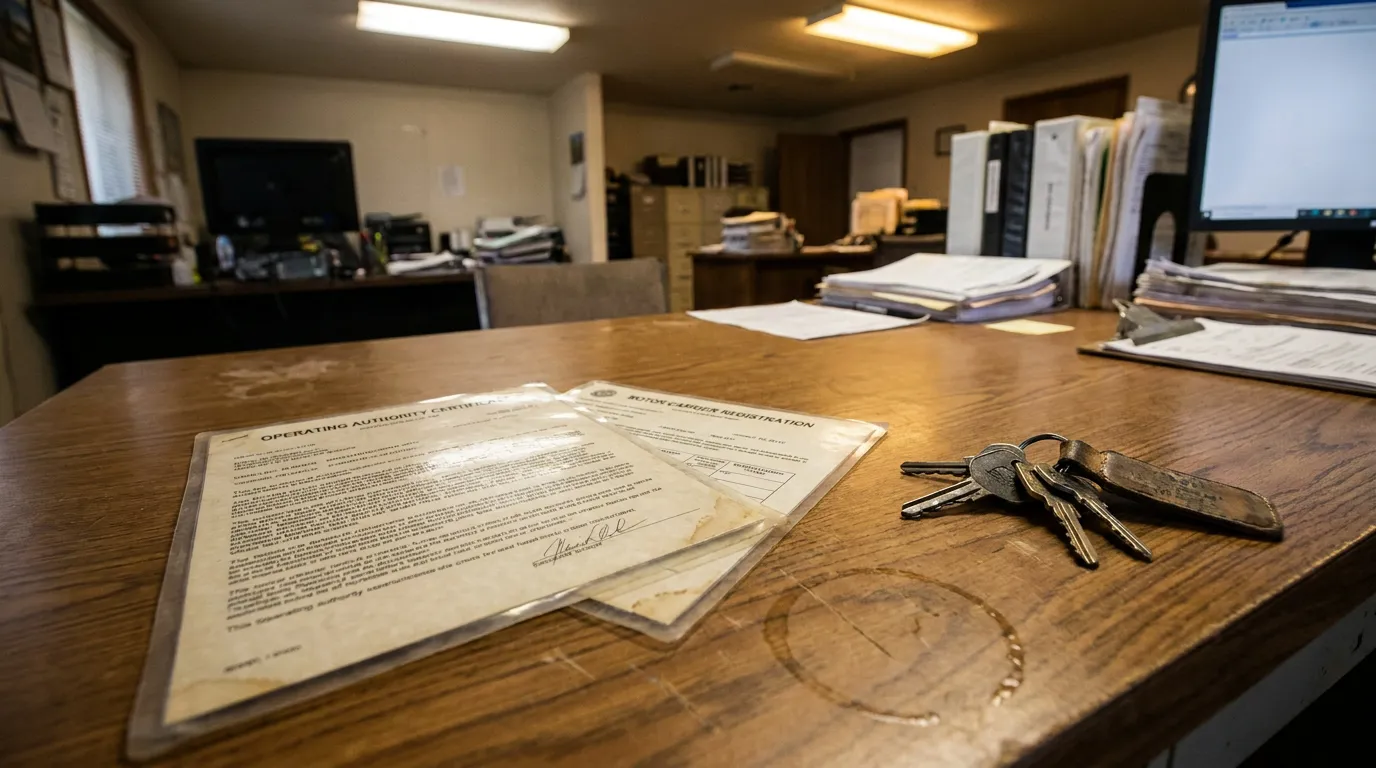
A chameleon carrier is defined by a pattern of reinvention designed to avoid accountability. Federal regulators use the term to describe motor carriers that appear to be new applicants but are really reincarnations of companies with unsafe records. This can mean changing names, DOT numbers, or corporate structures after facing out-of-service orders, mounting violations, or serious crashes.
These tactics create real obstacles for people injured in commercial vehicle crashes in Texas. When the entity that employed the negligent driver appears to have vanished, victims may struggle to serve the right defendant or trace insurance coverage. The behavior often involves overlapping owners, shared addresses, or recycled equipment.
💡 Pro Tip: Preserve everything from the scene, including the truck’s DOT number, license plate, trailer markings, and the driver’s paperwork. These identifiers can help a legal team connect a "new" company to an out-of-service trucking company that simply changed its name.
How Texas Law Holds a Trucking Company Accountable
Texas law provides several tools for reaching the business behind a negligent driver, even when that business tries to obscure its identity. The starting point in most 18-wheeler cases is the relationship between the driver and the company that put that driver on the road.
Employer Liability for a Negligent Driver
An employer can be held responsible for the negligence of an employee operating a commercial motor vehicle under defined conditions. This framework, found in Texas Civil Practice and Remedies Code § 72.054, establishes employer accountability rules in trucking litigation. Because this doctrine ties the company to the driver’s actions, it becomes a key lever when a chameleon carrier hopes its corporate reshuffling will break that chain of responsibility. Our discussion of trucking company liability Houston explains the underlying principles.
Contractual Attempts to Shift Blame
Some carriers try to use contracts to push responsibility onto others, but Texas law limits that strategy. Under Texas Transportation Code § 623.0155(a)-(b), a person generally may not require a motor carrier to indemnify them as a condition of transporting property for hire. That prohibition does not extend to the carrier’s own wrongful or negligent acts.
How an 18 Wheeler Accident Lawyer Houston Victims Rely On Beats the Clock
Timing is one of the most significant challenges a chameleon carrier can create, because deadlines do not pause while you hunt for the correct defendant. In Texas, the general deadline for personal injury lawsuits is set by Texas Civil Practice and Remedies Code § 16.003(a), which requires suit "not later than two years after the day the cause of action accrues."
For families who lost a loved one, Texas Civil Practice and Remedies Code § 16.003(b) provides that wrongful death suits generally must be brought within two years from the death. Property damage claims are also generally subject to a two-year period under Texas law.
A statute of limitations is a legal deadline for filing a lawsuit, and missing it generally means losing the ability to pursue the claim in court. While victims sometimes ask about tolling or discovery rules that might extend a deadline, courts interpret such exceptions narrowly. A knowledgeable 18 wheeler accident lawyer Houston residents consult can help evaluate which deadline governs a particular claim.
💡 Pro Tip: Do not wait to investigate simply because a carrier appears to have closed. The sooner records are requested, the better the chance of tracing a reincarnated company before evidence disappears or a deadline expires.
Dividing Fault Under Texas Proportionate Responsibility
Texas uses a modified comparative fault system known as proportionate responsibility, which controls how blame is split among everyone involved. This approach is codified in Chapter 33 of the Texas Civil Practice and Remedies Code, and the proportionate responsibility statute in § 33.001 governs how fault is allocated. Judges and juries assign each party a percentage of responsibility, and a claimant’s recoverable damages are reduced by their own percentage of fault.
The 51% Bar Rule and Its Practical Effect
There is an important threshold every claimant should understand. Under Texas Civil Practice and Remedies Code § 33.001, a claimant may not recover damages if their percentage of responsibility is greater than 50 percent.
| Percentage of Fault Assigned to Claimant | General Effect on Recovery |
|---|---|
| 0% | Damages generally not reduced |
| 1% to 50% | Damages reduced by that percentage |
| More than 50% | Recovery generally barred |
Recovering When a Chameleon Carrier Cannot Pay
Because chameleon carriers frequently operate with lapsed authority or inadequate insurance, an injured motorist may need other sources of recovery. Texas law dictates the required provisions for uninsured or underinsured motorist coverage under Texas Insurance Code § 1952.104, which can provide a recovery path when a responsible carrier cannot pay.
Registration and financial-responsibility rules can also help expose an evasive carrier. Texas Transportation Code § 502.093 allows the department to issue annual permits in lieu of registration for certain foreign commercial motor vehicles, conditioned on proof of financial responsibility.
When investigating a potential chameleon carrier, a legal team generally looks for signals such as:
- A recently issued DOT number paired with older equipment or long-tenured drivers
- Shared ownership, addresses, or phone numbers with a shuttered company
- A history of out-of-service orders or safety violations tied to a prior name
- Gaps in required insurance and financial-responsibility filings
💡 Pro Tip: Keep copies of every insurance letter and claim number you receive. If the trucking company’s coverage falls short, your own uninsured or underinsured motorist policy may become a meaningful part of your recovery.
How Payne Law Firm Approaches These Cases
For more than 20 years, our firm has helped injured Houstonians feel heard, informed, and respected during some of the most stressful moments of their lives. Attorney Jason E. Payne is a native of Port Arthur, Texas, and is Board Certified in Personal Injury Trial Law by the Texas Board of Legal Specialization. That background reflects a deep, practical understanding of Texas truck accident law and the communities we serve.
We know that a crash with a commercial truck can upend everything, and hidden carrier identities only add to the stress. Our team has helped over a thousand injured individuals and families pursue the compensation they deserved, and we bring that experience to every investigation. To learn more about how we handle these matters, visit our page for a dedicated Houston truck accident attorney and the services we provide.
Frequently Asked Questions
How do I know if a chameleon carrier was involved in my crash?
You often will not know at first, which is why investigation matters. Warning signs include a company that recently changed names, shares an address with a defunct carrier, or carries a fresh DOT number despite older equipment.
What deadline applies to my Houston truck accident claim?
Most personal injury claims in Texas are subject to a two-year deadline under Texas Civil Practice and Remedies Code § 16.003(a). Wrongful death claims are generally also two years, running from the date of death. Because exceptions are interpreted narrowly, confirm the applicable deadline promptly.
Can I still recover if I was partly at fault?
In many cases, yes, subject to proportionate responsibility rules. Under § 33.001, your damages are reduced by your percentage of fault, and recovery is generally barred only if you are found more than 50 percent responsible.
What if the trucking company has no insurance or disappeared?
You may still have options through your own coverage. Texas Insurance Code § 1952.104 governs uninsured and underinsured motorist coverage, which can offer a recovery path when a carrier cannot pay.
Why should I act quickly after a semi truck crash in Houston?
Evidence tied to a chameleon carrier can vanish fast. Company records, driver logs, and insurance information may become harder to obtain once a carrier restructures. Acting early helps preserve proof and protects your ability to file before the deadline closes.
Moving Forward After a Houston Truck Crash
Facing a trucking company that hides behind a shifting identity can feel overwhelming, but Texas law provides real tools to hold the responsible party accountable. From employer liability principles and proportionate responsibility to strict filing deadlines and uninsured motorist protections, understanding these rules helps you protect your rights.
If a chameleon carrier is standing between you and fair compensation, let the compassionate team at Payne Law Firm stand with you. Call us today at 713-223-5100 or schedule your free consultation so we can listen, explain your options clearly, and fight for the recovery you and your family deserve.