
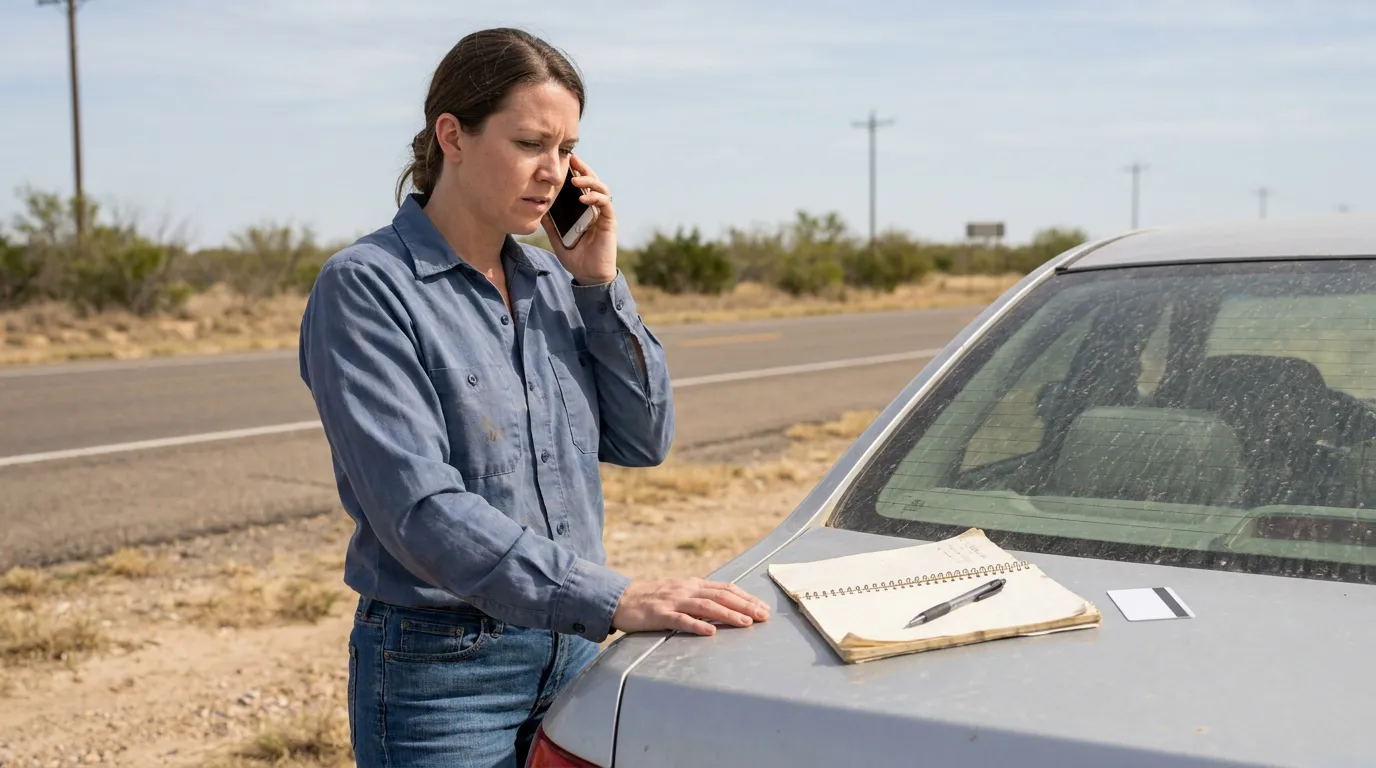
Why That Call From the Other Driver’s Insurance Company Deserves a Pause
Key Takeaways: Texas law generally does not require you to give a recorded statement to the at-fault driver’s liability insurer, because your duty to cooperate generally runs to your own carrier under your policy’s cooperation clause. The Texas Insurance Code places investigation and prompt-handling duties on insurers, and its unfair settlement practices provisions generally do not create a matching obligation for third-party claimants. Adjusters often call within days of a crash, before your medical picture is clear, and casual remarks about how you feel or who was at fault may be replayed later to reduce or deny your claim. You can generally decline a recording politely and in writing while still providing the crash report, photographs, and medical records. Preserving your own written account, routing communication through counsel, and watching the two-year limitations period may help protect your position. Payne Law Firm can handle adjuster contact for you at 713-223-5100.
If the at-fault driver’s insurance company wants you on the record, here is the short answer: Texas law generally does not require it. Your duty to cooperate generally runs to your own insurance company under your policy’s cooperation clause, not to the company defending the person who hit you. Understanding that distinction early may help protect your claim’s value.
At Payne Law Firm, we help injured Houstonians understand their rights before an adjuster ever presses record. Call 713-223-5100 or request your free consultation now. For more than 20 years, our attorneys have treated clients like family while standing up to insurance companies across Harris County.
What a Recorded Statement Actually Is and Why Adjusters Want One
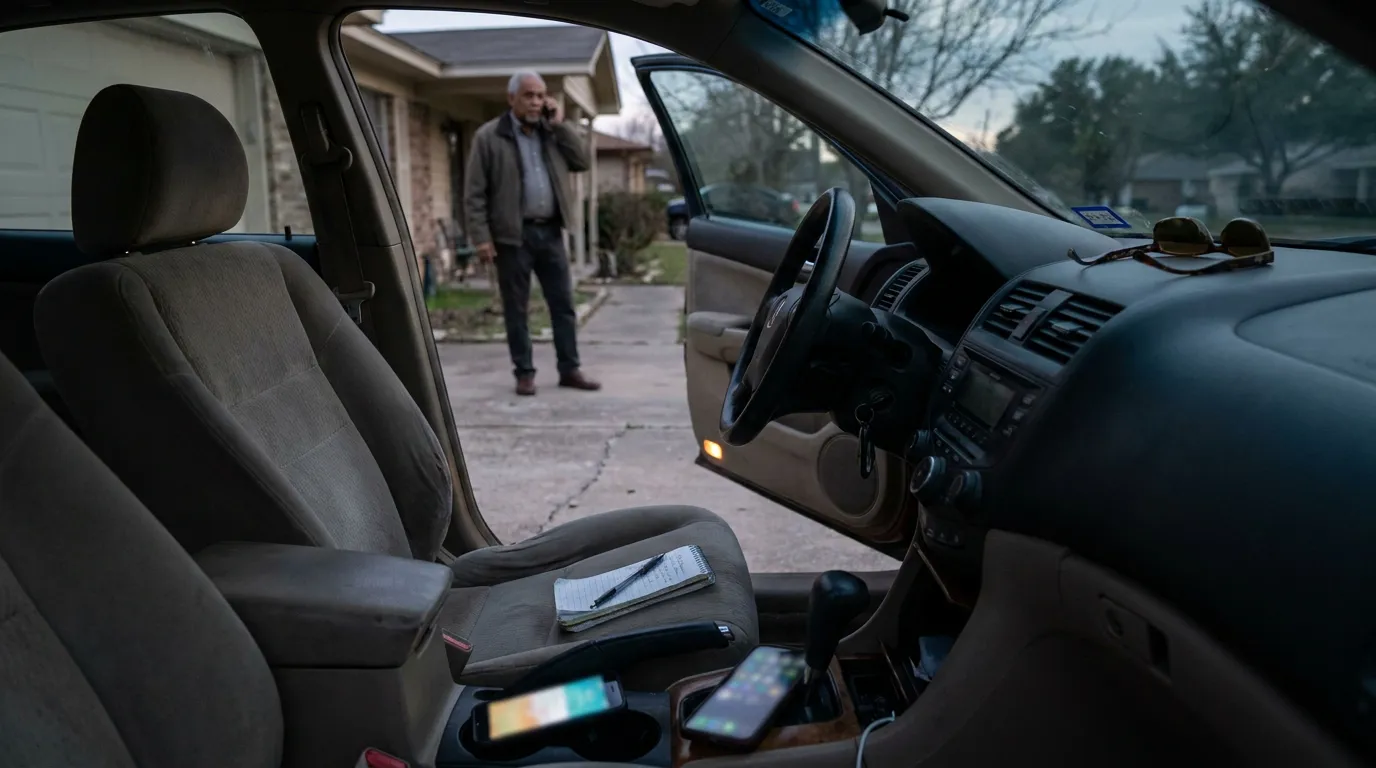
A recorded statement is an audio question-and-answer session in which an adjuster asks you to describe the crash, your injuries, and your treatment. The adjuster typically calls within days of the collision, often before you have finished diagnostic imaging or seen a treating physician. The conversation may sound casual, but it is generally recorded, often transcribed, and preserved for later use in evaluating or defending the claim.
Adjusters generally request statements under the banner of investigating the claim. Texas Insurance Code § 541.060(a)(7) lists among unfair settlement practices "refusing to pay a claim without conducting a reasonable investigation," and § 542.003(b)(3) similarly identifies failing to adopt and implement reasonable standards for the prompt investigation of claims as unfair. Notice, however, where that duty sits: it generally belongs to the insurer, and neither provision imposes a corresponding duty on a claimant to be recorded.
Consumer guidance echoes the caution Texas attorneys give daily. Nolo notes that "the adjuster’s job is to investigate the accident and gather facts, but also to try to minimize the amount the insurance company pays out on a claim." A claimant is generally not obligated to give a recorded statement to the other driver’s insurer, though policy language and any later litigation obligations should still be reviewed.
Do I Have to Give a Recorded Statement in Texas?
In most third-party claims, no statute compels you to sit for a recorded interview with the opposing carrier. Texas insurance statutes impose investigation deadlines and disclosure duties on insurers, but they generally do not create a matching duty on an injured claimant to submit to recorded questioning. Subject to exceptions, your enforceable obligations toward that company generally arise only if a lawsuit is filed and formal discovery begins, or a separate contract or court order applies.
There is a meaningful legal reason the duties may not flow both ways. Under Texas Insurance Code Chapter 541, § 541.060(b) provides that Subsection (a) does not create a cause of action for a third party asserting claims against an insured covered under a liability policy. In practical terms, the statutory relationship generally runs between an insurer and its own policyholder, and you are typically a third-party claimant rather than their customer, though other legal theories may remain available.
Your own insurer is a different story. Standard Texas auto policies generally contain a cooperation clause, and failing to honor it may jeopardize benefits such as uninsured motorist or personal injury protection coverage, particularly where the insurer can show the lack of cooperation caused it prejudice. A blanket refusal to talk to anyone may backfire. Knowing which company is calling matters before you answer a single question.
| Which Insurer Is Calling | General Duty to Give a Recorded Statement |
|---|---|
| Your own carrier (UM/UIM, PIP, collision) | Often required by the policy’s cooperation clause |
| The other driver’s liability insurer | Generally not required by Texas statute |
| Any insurer after a lawsuit is filed | Governed by court rules of discovery, not adjuster requests |
💡 Pro Tip: Before agreeing to anything, ask the caller to identify the company, the policyholder, and the claim number in writing. That single request often reveals whether you are speaking with a third-party insurer or your own.
How a Recorded Statement Insurance Adjuster Car Accident Request Can Damage Your Claim
The risk is rarely dishonesty on your part; it is often imprecision. Saying "I feel okay" on day two, before spinal symptoms surface, may be replayed months later as evidence that your injuries came from something else. Consumer guidance commonly warns that statements to an adjuster, especially recorded ones, may later be used to dispute, reduce, or deny a claim.
Fault language may create a second layer of exposure. Texas applies a proportionate responsibility system under Chapter 33 of the Civil Practice and Remedies Code, which bars recovery if a claimant is found more than 50 percent responsible and otherwise reduces damages by the claimant’s percentage of responsibility. Because comparative negligence principles operate this way, small verbal concessions may carry outsized financial consequences, even though an apology is not itself a legal admission of liability. Courts and juries weigh the full evidentiary record, but recordings tend to be quoted narrowly.
Common problem areas in a Houston car accident claim adjuster call may include:
- Estimating speeds, distances, or timing when you genuinely do not know
- Describing injuries before a physician has completed an evaluation
- Discussing prior accidents or unrelated medical history
- Agreeing to a summary of events that the adjuster drafts for you
- Speculating about what the other driver was doing
What Texas Law Does Require From Insurers
While the statutes generally do not compel your statement, they do regulate insurer conduct. Chapter 542, Subchapter B sets prompt-payment obligations, and Tex. Ins. Code §§ 542.055, 542.058 require insurers to acknowledge a claim, request needed information within statutory windows, and accept or reject the claim within defined timeframes. Those deadlines apply to first-party claims and generally govern how claims move, not whether you must be recorded.
Texas also regulates certain adjuster interactions directly. Under Tex. Ins. Code § 1952.305, when a vehicle is presented in connection with a damage repair claim, the insurer or adjuster must provide notice of repair-shop selection rights. That duty does not extend to recorded statement requests, but it shows the Legislature has drawn some lines around adjuster-claimant contact.
Misrepresentation is separately prohibited. Under § 541.060(a)(1), it is an unfair settlement practice for an insurer to misrepresent a material fact or policy provision relating to coverage. If an adjuster tells you your claim cannot proceed without a recorded statement, that characterization deserves scrutiny, though whether it violates the statute is fact-dependent, and § 541.060(b)’s third-party limitation may affect who can sue over it.
Practical Ways to Respond to a Liability Insurer Statement Request
You can generally decline politely, and in writing. A short message confirming you are willing to provide the police report, photographs, and medical records through counsel is often sufficient to keep the claim moving. Declining a recording is generally not the same as refusing to cooperate with the exchange of documents.
Preserve Evidence Before Memory Fades
Write your own private account of the collision the same week it happens. Include weather, lane positions, traffic signals, and witness names. This may help protect your recollection, though such notes are not automatically confidential and could become discoverable if litigation follows. Photographs of vehicle damage and visible injuries may add context adjusters cannot easily dispute.
Route Communication Through Counsel
Once you retain an attorney and the carrier is notified, adjusters generally direct contact to that attorney. That single change may remove the pressure of unexpected phone calls during dinner or while you are recovering. If you are weighing whether to pick up the phone at all, our guidance on whether you should talk to an insurance adjuster walks through the decision step by step.
Watch the Filing Deadline
Texas generally applies a two-year limitations period to personal injury actions under Tex. Civ. Prac. & Rem. Code § 16.003, and courts often interpret exceptions narrowly. Tolling and discovery-rule arguments may apply in limited circumstances, but they are never automatic and depend heavily on the specific facts. Claims involving governmental entities can also carry separate and much shorter administrative notice requirements distinct from the civil lawsuit deadline.
💡 Pro Tip: Do not assume a pending insurance negotiation pauses the limitations clock. It generally does not.
Frequently Asked Questions
1. Can the other insurer deny my claim if I refuse a recorded statement?
An insurer may cite a lack of information, and declining may slow the process, but the duty to conduct a reasonable investigation generally rests with the carrier. You can generally supply documentation, photographs, and the crash report without agreeing to be recorded.
2. Do I have to give a recorded statement to my own insurance company in Texas?
Often, yes. Most Texas auto policies include a cooperation clause, and declining may affect first-party benefits such as UM/UIM or PIP coverage. Review your policy language or speak with an attorney first.
3. What if I already gave a statement before reading this?
You may still have options. An attorney can request a copy of the recording or transcript, identify potential mischaracterizations, and supplement the record with medical documentation and other evidence.
4. Does declining hurt my credibility with a jury?
Declining a pre-suit recorded interview is a common and lawful choice, generally separate from your obligations during formal discovery if litigation begins. Outcomes always depend on the specific facts of each case.
5. How soon should I contact a Houston car accident attorney?
Earlier is generally better, because evidence such as surveillance footage and vehicle data can disappear within weeks.
Protecting Your Voice, Your Record, and Your Recovery
Texas drivers may hold more control over adjuster interactions than most people realize. The statutes generally place investigation and prompt-handling duties on insurers, restrict unfair settlement conduct, and generally do not give third-party claimants the same statutory relationship that policyholders have with their own carriers. Recognizing your Texas car accident recorded statement rights early may help you avoid casual words that resurface as leverage later, though every claim turns on its own facts.
Attorney Jason E. Payne is Board Certified in Personal Injury Trial Law by the Texas Board of Legal Specialization and has been recognized in Texas Super Lawyers from 2019 through 2026. If you need a recorded statement insurance adjuster car accident lawyer, the team at Payne Law Firm is ready to listen. Call 713-223-5100 or schedule your free case review today, and let us handle the adjusters while you focus on healing.
Disclaimer: This content is for informational purposes only and is not legal advice. Every case is unique, and results may vary. Consult an attorney about your specific circumstances.