

Fault Percentages and Your Right to Recover in Texas
Key Takeaways: In Texas, fault percentages are determined by the finder of fact, a jury or judge at trial, while insurance adjusters assign fault during settlement negotiations. Texas follows modified comparative negligence with a 51% rule: once your fault reaches 51 percent, you recover nothing. Negligence must first be proven through duty, breach, causation, and damages. Your assigned fault directly reduces recovery, so 50 percent fault yields half your damages, while 51 percent yields zero. Because most cases settle before trial, adjusters often propose initial fault percentages, making strong evidence critical. An experienced attorney can challenge inflated blame and minimize your fault percentage.
Under Texas law, fault percentages after a crash are assigned by the "finder of fact" and, before litigation, by insurance adjusters negotiating your claim. At trial, the jury (or judge in a bench trial) reviews evidence and assigns each party a percentage of responsibility. That number is critical because Texas follows modified comparative negligence, the 51% rule, which controls whether you recover anything. If you were hurt on I-45, the Sam Houston Tollway, or a Harris County street, understanding who controls that percentage shapes your entire claim.
If you are recovering from injuries and worried about blame division, the team at Payne Law Firm is here to listen. Call 713-223-5100 or reach out through our online consultation request to discuss your situation. We treat clients like family and offer free consultations.
How the 51% Rule Car Accidents Texas Victims Should Understand
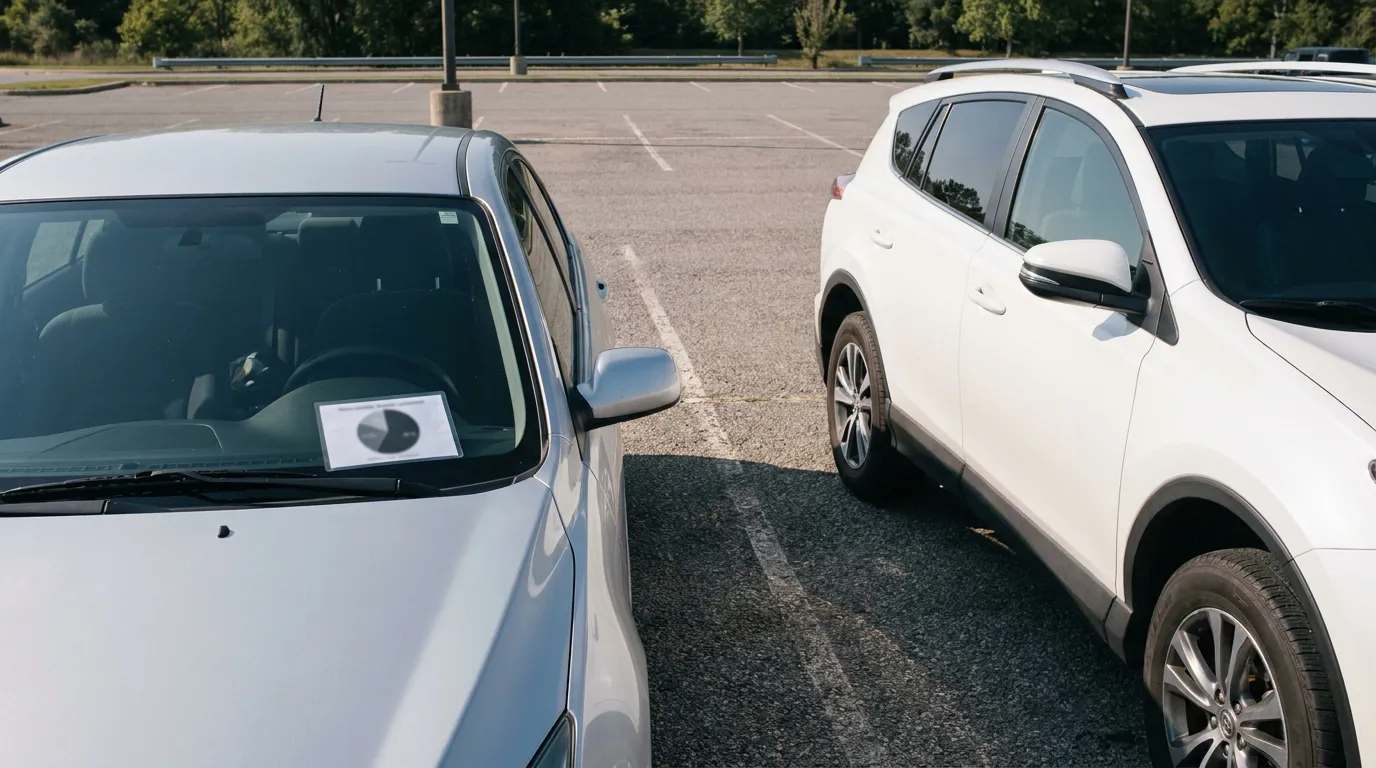
The Texas 51 percent rule sets a hard cutoff for recovery based on your blame. The statute allows recovery only when your percentage of responsibility does not exceed 50 percent. At 51 percent or more, recovery is barred entirely. This threshold makes fault percentage in Texas the deciding factor in many claims.
Texas applies modified comparative negligence with a 51% bar. A driver found 50 percent at fault recovers half their damages, while one found 51 percent at fault recovers nothing. Our overview of the 51% bar rule in Houston crash cases explains how the line is drawn.
💡 Pro Tip: Even if you believe you were partly responsible, do not assume your claim is worthless. Recovery may be available if your fault stays at or below 50 percent.
Proving Negligence Before Any Percentage Is Assigned
Before fault percentages are assigned, negligence must first be established. Fault is built on a legal foundation that juries or adjusters analyze when deciding who caused the crash and to what degree. In most car accident cases, that foundation is negligence.
The Four Elements of Negligence
Negligence is the most common liability theory in Texas crash claims, resting on four elements:
- Duty: Every driver owes a duty to operate their vehicle safely and reasonably.
- Breach: A driver breaches that duty through conduct like speeding or running a red light.
- Causation: The breach must have actually caused the collision and resulting harm.
- Damages: The injured person must have suffered real losses, such as medical bills or lost wages.
Many crashes have multiple causes, and both parties may bear some fault. That reality is why proportionate responsibility exists and why gathering strong evidence early makes such a difference.
💡 Pro Tip: Preserve everything after a wreck, photos, medical records, and witness contact information. Solid evidence supporting each negligence element can directly reduce your fault percentage.
Who Actually Decides the Percentages
In a Texas lawsuit, the finder of fact decides percentages, but most cases settle before trial. Understanding both stages shows who controls your fault percentage at each point.
The Jury as the Finder of Fact
When a case reaches trial, the jury determines responsibility. The court submits proportionate responsibility to the finder of fact, which determines each party’s percentage; courts commonly use the Texas Pattern Jury Charges for guidance. The Texas proportionate responsibility procedure confirms that juries, guided by the court, assign the percentages that decide recovery.
In certain commercial motor vehicle cases, such as 18-wheeler collisions on Houston freeways, trials may be split into phases. In bifurcated trials, the trier of fact decides liability and compensatory damages first, considering exemplary damages later. Employer liability for an employee driver’s negligence can also affect how responsibility is divided among parties.
Judges, Adjusters, and Settlement Negotiations
Most Houston car accident claims never see a courtroom, so insurance adjusters effectively assign fault first. During settlement negotiations, adjusters review police reports, photos, and statements to propose a fault percentage. Their goal often favors the insurer. If the case proceeds to a bench trial, the judge becomes the finder of fact.
💡 Pro Tip: Be cautious giving recorded statements to insurance companies. Adjusters may use your words to inflate your fault percentage, so consider speaking with counsel first.
How Fault Percentages Translate Into Real Dollars
Fault percentages directly reduce the money you can recover. Under Texas’s modified comparative negligence, your total damages are cut by your assigned fault, as long as it stays at or below 50 percent. The table below illustrates this:
| Total Damages | Your Fault % | Recovery Under Texas Rule |
|---|---|---|
| $200,000 | 0% | $200,000 |
| $200,000 | 10% | $180,000 |
| $200,000 | 50% | $100,000 |
| $200,000 | 51% | $0 (barred) |
This differs from harsher doctrines used elsewhere. In contributory negligence states, even 1 percent fault can bar recovery entirely. Over 30 states use modified comparative negligence like Texas, while about a dozen use pure comparative negligence and only a few apply contributory negligence.
Texas’s cutoff is codified in Section 33.001 of the Civil Practice and Remedies Code, enacted in 1985 and amended in 1987 and 1995. Because outcomes depend on specific facts, working with an attorney who understands how juries and adjusters evaluate fault is valuable. Our Houston car accident representation team has spent more than 20 years helping injured Texans navigate these determinations.
💡 Pro Tip: Keep detailed records of every expense and loss tied to your crash. Thorough documentation ensures the recovery calculation reflects the full extent of your harm.
Frequently Asked Questions
Who decides fault in a Houston car accident case?
Fault is decided by the finder of fact at trial or by insurance adjusters during settlement. When a case goes to a jury, jurors assign each party a percentage under court instructions. In a bench trial, the judge fills that role. Before litigation, adjusters propose fault percentages during negotiations.
What happens if I am found 51 percent at fault?
If you are found 51 percent or more at fault, Texas law bars you from recovering any damages. The statute allows recovery only when your responsibility does not exceed 50 percent. This is why disputing an inflated fault percentage is critical to protecting your claim.
Can I still recover if I was partly to blame for the crash?
Yes, you can recover as long as your fault does not exceed 50 percent. Your damages are reduced by your percentage of responsibility. For example, 20 percent fault on a $100,000 claim would leave you with $80,000, subject to your case facts.
Does the 51% rule apply to truck accident cases?
The proportionate responsibility framework applies to truck accident claims, with some added procedures. Certain commercial motor vehicle cases may involve bifurcated trials separating liability and compensatory damages from exemplary damages. Employer responsibility for a driver’s negligence can also affect how fault is divided.
How can an attorney help with my fault percentage?
An attorney can gather evidence, challenge unfair blame, and present your case to the finder of fact. By documenting duty, breach, causation, and damages, counsel works to keep your assigned percentage as low as the facts allow. Outcomes depend on each crash’s specific circumstances.
Protecting Your Recovery After a Texas Crash
Fault percentages under Texas’s 51% rule can make or break your ability to recover after a car accident. Whether the number comes from a jury as the finder of fact or from an adjuster during negotiations, that percentage determines how much you receive and whether you receive anything at all. Because Texas uses modified comparative negligence codified in Chapter 33, staying at or below 50 percent is essential, the difference between 50 and 51 percent is the difference between compensation and nothing. Every case turns on its own facts, so careful attention to negligence and evidence matters from the start.
At Payne Law Firm, we understand how stressful this moment feels, and we are proud that Attorney Jason E. Payne is Board Certified in Personal Injury Trial Law by the Texas Board of Legal Specialization. We have helped over a thousand injured individuals and families pursue the compensation they deserved. To talk through your options during a free consultation, visit Payne Law Firm, call 713-223-5100, or send us a message through our secure contact page today.