
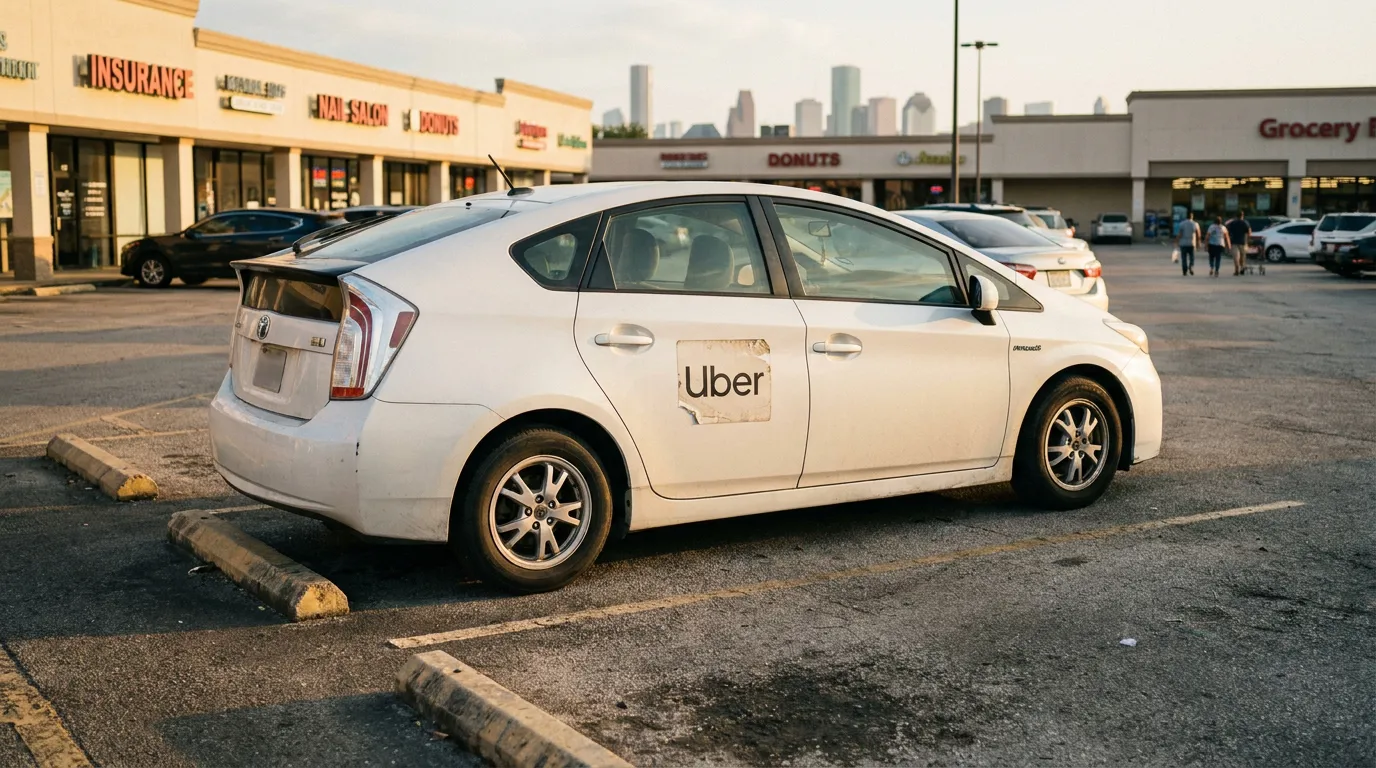
Understanding How Insurance Policies Apply in Houston Uber Accidents
Key Takeaways: Two insurance policies cannot be “stacked” without limit in Texas, but multiple policies can combine to increase your total recovery after a Houston Uber crash. Texas caps the aggregate UM/UIM limit any one person can collect from a single policy per occurrence under Tex. Ins. Code § 1952.104, yet separate policies and Uber’s layered corporate coverage may work together depending on the coverage period. Lower Period 1 limits ($50,000/$100,000/$25,000) apply before a ride is accepted, while higher corporate limits apply once a ride is accepted or a passenger is aboard. UM/UIM coverage protects drivers, passengers, and household members, but personal auto policies may exclude rideshare activity. Texas proportionate responsibility can reduce or bar recovery if you are more than 50 percent at fault, and strict filing deadlines make prompt action essential.
When you are hurt in an Uber crash, the question of “how many insurance policies can pay” often decides whether your medical bills and lost wages are fully covered. Texas does not permit unlimited “stacking” within a single policy, but multiple policies can work together to increase your total recovery. For an injured Houston passenger, driver, pedestrian, or cyclist, that distinction can mean the difference between adequate compensation and falling short.
At Payne Law Firm, we treat our clients like family. If you want to understand how your coverage options fit together, call us at 713-223-5100, reach out through our confidential contact form, or learn more at Payne Law Firm.
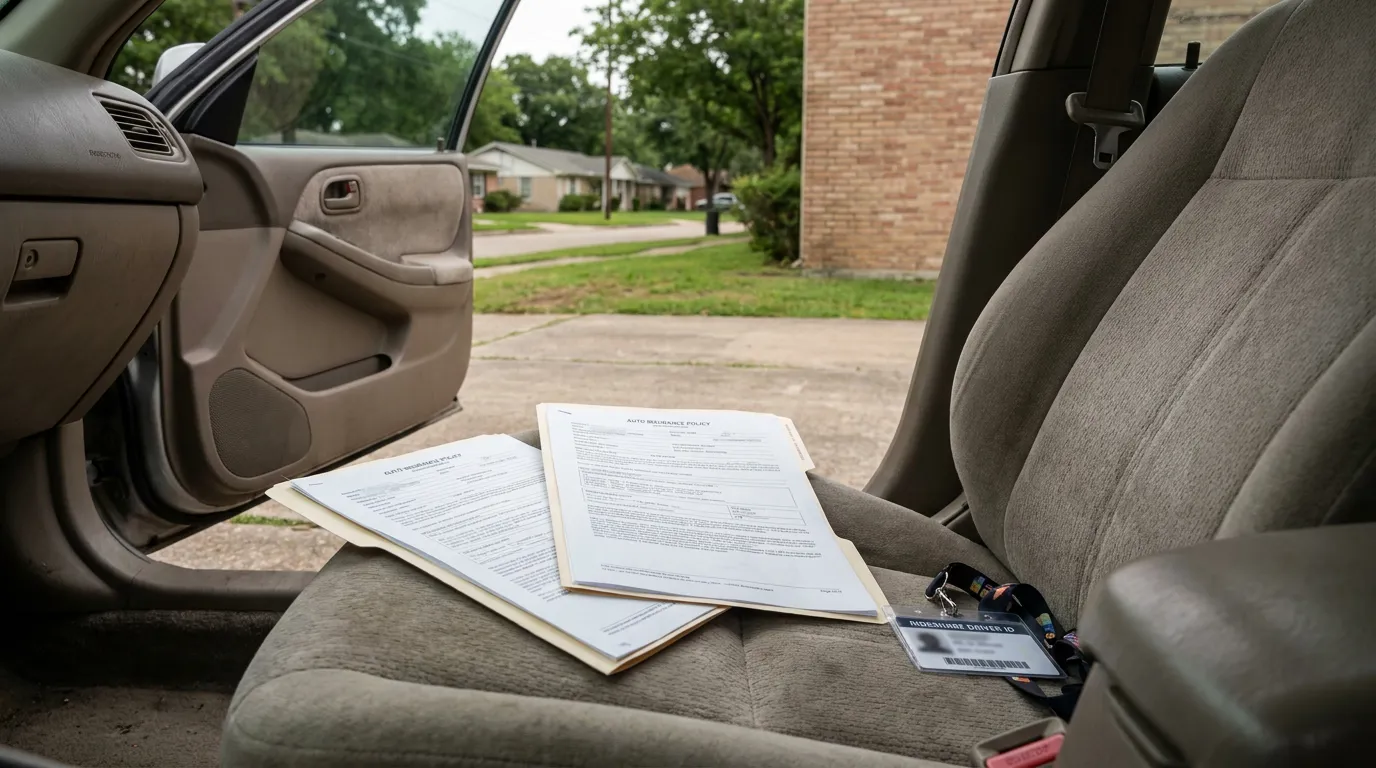
How Uber’s Insurance Works by Coverage Period
Uber’s insurance obligations in Texas change depending on what the driver was doing at the moment of the crash. These “periods” determine which policy limits are available. Texas law allows the rideshare insurance requirement to be met by the driver’s policy, the transportation network company’s policy, or a combination of both. This coordination of primary coverage explains how a Houston Uber accident claim can involve more than one policy.
The lowest corporate coverage applies when a driver is logged into the app but has not yet accepted a ride. In Period 1, Texas requires liability coverage of $50,000 per person for bodily injury or death, $100,000 per incident, and $25,000 for property damage, plus uninsured/underinsured motorist and personal injury protection coverage where required. Review the statutory coverage tiers at Insurance Code Chapter 1954, which set out the period-specific requirements under Tex. Ins. Code §§ 1954.052, 1954.053.
Coverage Period | Driver Status | General Coverage Level |
|---|---|---|
Period 1 | Logged on, no ride accepted | $50,000 / $100,000 / $25,000 + UM/UIM & PIP |
Periods 2, 3 | Ride accepted or passenger aboard | Higher corporate limits generally apply |
💡 Pro Tip: Screenshots of the ride request, trip receipts, and app status can help establish which coverage period applied. Preserve them early, as this evidence often shapes the entire claim.
Can You Really “Stack” Two Policies in Texas?
“Stacking” means combining coverage limits, and Texas law places firm limits on how that works within a single UM/UIM policy. Under Tex. Ins. Code § 1952.104(1), a UM/UIM policy must provide that the total aggregate limit of liability to any one person from a single occurrence cannot exceed the limit stated in the policy. This restricts pure stacking of limits inside one policy. However, separate policies covering different sources of liability can still contribute to your overall recovery.
When UM and UIM Coverage Comes Into Play
Uninsured and underinsured motorist coverage exists for the situations rideshare victims fear most. UM coverage applies when the at-fault driver has no liability insurance, including hit-and-run scenarios, while UIM coverage applies when the at-fault driver’s limits are insufficient to cover damages such as medical bills, lost wages, and pain and suffering. Because Texas requires insurers to include UM/UIM coverage in every auto liability policy unless rejected in writing, an injured Houston Uber passenger or driver may have UM/UIM protection from their own policy in addition to Uber’s coverage. The framework appears in Insurance Code Chapter 1952 under Tex. Ins. Code §§ 1952.101 and 1952.104.
Who These Policies Actually Protect
UM/UIM coverage does not only protect the person who bought the policy. These policies typically protect the policyholder, household family members, and passengers riding in the vehicle at the time of the crash, though standard policies contain exclusions. More than one applicable policy may exist after a single rideshare collision. Determining which policies respond, and in what order, depends on the driver’s status, the terms of each policy, and how liability is apportioned.
One important caution involves personal auto policies and rideshare activity. Texas law does not require a personal auto policy to cover a driver while logged onto the Uber app or engaged in a prearranged ride, though an insurer may add that coverage by endorsement under Tex. Ins. Code § 1954.152. For Houston claimants, this means a driver’s personal policy may exclude rideshare activity, leaving the Uber-provided policy as the main source of recovery. Reviewing every potentially applicable policy is essential.
💡 Pro Tip: A UM/UIM claim is filed against your own insurer, which can feel adversarial. Insurers often impose strict deadlines and notification requirements, so report the crash promptly to protect your claim.
Why an Uber Accident Lawyer Houston Victims Trust Matters
Coordinating multiple rideshare insurance policies in Texas is rarely straightforward, and that is where guidance from an uber accident lawyer Houston families rely on becomes valuable. An attorney can identify each available policy, establish the coverage period, and document your losses so no potential source of recovery is overlooked. Attorney Jason E. Payne is Board Certified in Personal Injury Trial Law by the Texas Board of Legal Specialization, and the firm has helped over a thousand injured individuals and families pursue the compensation they deserved.
Experience matters when insurers dispute coverage or fault. With more than 20 years of service, Payne Law Firm understands Houston communities and fights for people who may feel overlooked by insurance companies. Visit our rideshare accident attorney resource page to see how our team approaches these cases. Working with an uber accident lawyer Houston residents trust can help you avoid missteps that reduce or delay your recovery.
💡 Pro Tip: Free consultations let you ask specific questions about your policies before speaking with an adjuster. Bring your declarations pages and any Uber trip records to make the review more productive.
Deadlines and Fault Rules That Affect Your Recovery
Texas fault rules can reduce or eliminate a payout depending on your share of responsibility. Texas follows modified comparative fault, called proportionate responsibility under Tex. Civ. Prac. & Rem. Code Chapter 33. Your recovery is reduced in proportion to your share of fault, and under Tex. Civ. Prac. & Rem. Code § 33.001 a claimant may not recover damages if found greater than 50 percent at fault.
Timing is just as important. Most Texas civil limitation periods are found in Chapter 16 of the Civil Practice and Remedies Code, and once the statutory period expires, an injured person generally loses the right to sue absent a legal exception. Courts interpret tolling and discovery exceptions narrowly, so they apply only in limited circumstances and should never be assumed.
Keep these practical steps in mind:
Seek prompt medical care and keep every bill, record, and receipt.
Report the crash to any potentially applicable insurer without delay.
Preserve the Uber app data, photos, and witness information.
Avoid giving recorded statements before understanding your rights.
For additional guidance, our legal insights blog offers helpful articles for injured Houstonians. Because deadlines and coverage rules depend on your specific facts, prompt review is wise.
Frequently Asked Questions
Can I use my own insurance and Uber’s insurance for the same crash?
In some cases, yes. Your own UM/UIM coverage may respond alongside Uber’s policy, though Texas caps the total aggregate limit any one person can recover from a single policy for one occurrence. The outcome depends on policy terms and the coverage period.
Does UM coverage apply if the other driver fled the scene?
It generally can. UM coverage typically applies in hit-and-run situations, though Texas law generally requires actual physical contact with the unknown vehicle. Prompt reporting and documentation support this claim type.
What if the crash happened before I was picked up?
Lower Period 1 limits may apply. When a driver is logged on but has not accepted a ride, Texas requires $50,000 per person, $100,000 per incident, and $25,000 in property damage coverage, plus UM/UIM and PIP where required.
Will my compensation drop if I was partly at fault?
It may. Under Texas proportionate responsibility, your recovery is reduced by your percentage of fault, and you may recover nothing if found greater than 50 percent responsible.
How long do I have to file a Houston Uber accident claim?
Deadlines vary by claim type. Most civil limitation periods appear in Chapter 16 of the Civil Practice and Remedies Code, and missing the deadline generally ends your right to sue. Consult a lawyer quickly.
Protecting Your Right to Full Compensation
Whether two policies can stack in your Houston Uber accident claim depends on the coverage period, policy language, fault allocation, and applicable deadlines. Texas limits pure stacking of UM/UIM limits within a single policy, yet separate policies and layered corporate coverage can still combine to expand your recovery. Because every crash presents unique facts, a careful review of all available rideshare insurance policies is the best way to understand your options.
You do not have to sort through these overlapping policies alone. Payne Law Firm is here to listen, explain the process clearly, and fight for the recovery you deserve. Call us today at 713-223-5100, start your free consultation through our secure contact page, or learn more at Payne Law Firm.