
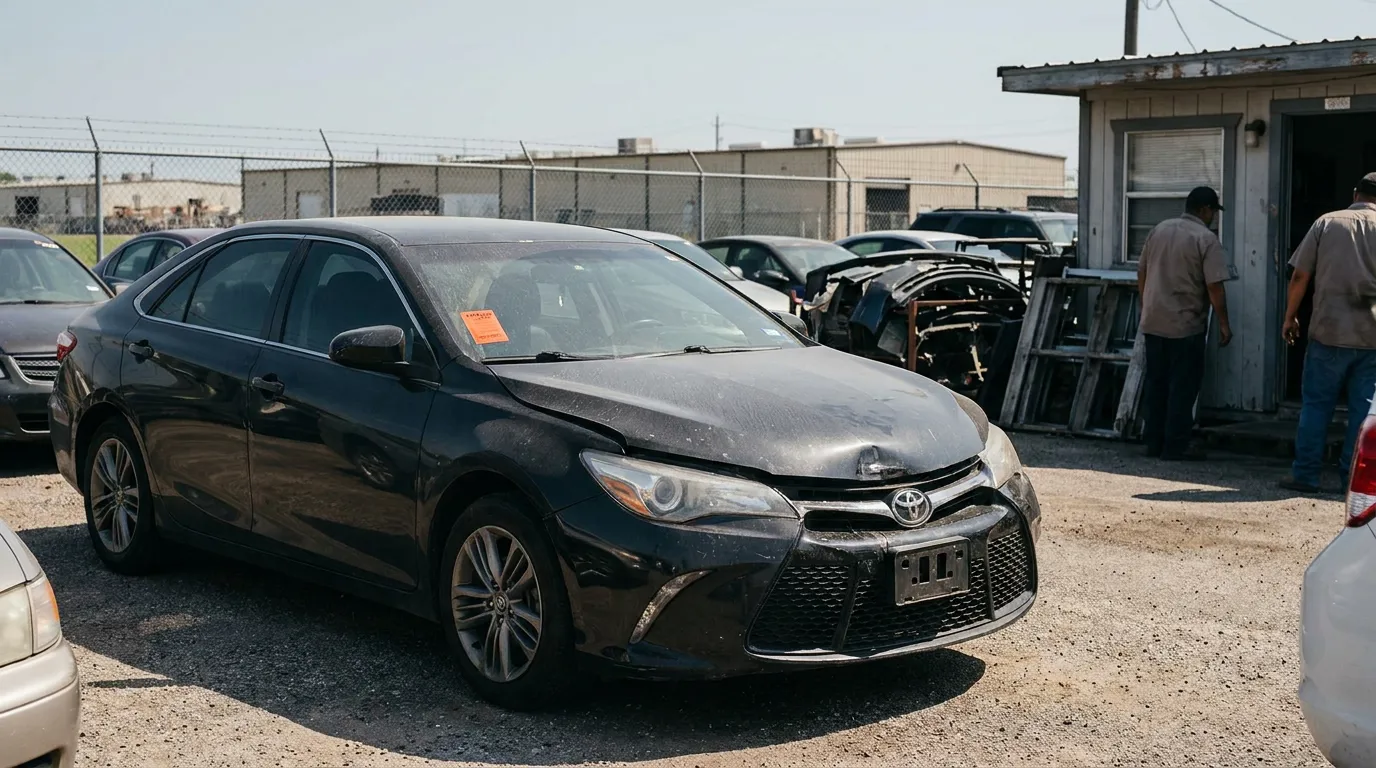
Your Rights When an Uninsured Driver Hits You in Houston
Key Takeaways: Yes, a Houston attorney can sue an uninsured driver after a crash, but direct lawsuits are often just one part of a broader recovery strategy because collecting from a driver with few assets can be difficult. Texas requires minimum 30/60/25 liability coverage, yet uninsured drivers remain common. For many victims, the most dependable recovery comes from their own uninsured/underinsured motorist coverage, which Texas insurers must offer unless rejected in writing. Underinsured coverage bridges the gap when the at-fault driver carries too little insurance, while hit-and-run claims must satisfy the physical contact rule. Texas law requires victims to sequence claims properly and generally allows only two years to settle or file suit. Acting early to preserve evidence and consulting an attorney helps identify the strongest path to compensation.
Yes, a Houston attorney can generally help you sue an uninsured driver after a crash, but a personal lawsuit is often only one piece of a larger recovery strategy. When the at-fault driver carries no insurance, the harder question is whether that driver has assets worth pursuing, and whether your own policy offers a faster, more reliable path to compensation.
If you are facing medical bills and lost wages after a wreck, the team at Payne Law Firm is ready to listen. Call us at 713-223-5100 or reach out through our online case review form to discuss your options during a free consultation.
💡 Pro Tip: Before you accept any settlement offer or give a recorded statement, write down everything you remember about the crash. Memory fades quickly, and detailed notes support both lawsuits and insurance claims.
What Happens if an Uninsured Driver Causes a Houston Car Crash
When an uninsured driver causes your crash, Texas law gives you several potential routes to recovery, even though the at-fault driver broke the state’s insurance rules. Texas operates a fault-based system, meaning the driver who caused the wreck is generally responsible for resulting damages. The challenge is that a driver who could not afford insurance often cannot afford to pay a judgment either.
Texas requires every motorist to carry liability coverage. According to the Texas Department of Insurance, Texas law requires at least $30,000 of coverage for injuries per person, up to $60,000 per accident, and $25,000 for property damage. This baseline is commonly called 30/60/25 coverage.
Penalties for Driving Without Insurance
Drivers who ignore the insurance mandate face escalating consequences in Texas. Driving without proof of financial responsibility can result in a fine of $175 to $350 for a first offense, with steeper penalties of $350 to $1,000 for repeat violations. However, these administrative and criminal penalties are separate from any civil lawsuit you may bring to recover your losses.
Why Uninsured Drivers Remain Common
Despite mandatory insurance laws, uninsured drivers continue to be a persistent problem on Houston roads. Texas Insurance Code § 1952.054(a) provides that an insurance policy written for a term of less than 30 days may not be used to obtain an original or renewal driver’s license, automobile registration, or motor vehicle inspection certificate. This helps explain why a driver may technically register a vehicle yet carry no real coverage at the time of a crash.
Can You Sue an Uninsured Driver Directly?
You can file a lawsuit directly against the uninsured driver, because being uninsured does not shield a negligent motorist from civil liability. The Texas Department of Insurance warns that if you don’t have enough liability coverage to pay for damages and injuries you cause, you might have to pay the rest out of your own pocket, and the other driver could sue them.
The practical hurdle is collection rather than liability. Winning a judgment is one thing; collecting it from a defendant with few assets and no insurer is another. A skilled Houston car accident attorney can investigate whether the at-fault driver has wages, property, or other resources that make a direct suit worthwhile, and can weigh that against the often faster route through your own coverage.
💡 Pro Tip: Even if the at-fault driver appears to have no assets today, a judgment in Texas can remain enforceable for years and may be renewed. An attorney can explain how long a judgment stays collectible.
Using Your Own Policy After an Uninsured Crash
For many Houston victims, the most dependable source of recovery is their own uninsured/underinsured motorist coverage. Texas law requires insurers to offer it. The Texas Department of Insurance explains that uninsured/underinsured motorist coverage pays if you’re hit by someone who didn’t have insurance or didn’t have enough to pay your medical and car repair bills. It also pays if you’re in a hit-and-run accident.
This protection is built into the structure of Texas auto policies by statute. Under Texas Insurance Code § 1952.101(b), an insurer may not deliver or issue for delivery in this state an automobile liability insurance policy unless the insurer provides uninsured or underinsured motorist coverage in the policy or supplemental to the policy. You can review the full statutory framework in the Texas uninsured motorist coverage statute.
How Underinsured Coverage Fills the Gap
When an at-fault driver has some insurance but not enough, underinsured motorist coverage can bridge the shortfall. Texas Insurance Code § 1952.106 requires that underinsured motorist coverage must provide for payment to the insured of all amounts that the insured is legally entitled to recover as damages from owners or operators of underinsured motor vehicles because of bodily injury or property damage, not to exceed the limit specified in the insurance policy, and reduced by the amount recovered or recoverable from the insurer of the underinsured motor vehicle. Your recovery is capped at your stated policy limits, which is why carrying adequate limits matters.
| Coverage Type | What It Generally Pays |
|---|---|
| Liability (other driver) | Your damages up to the at-fault driver’s limits |
| Uninsured motorist (yours) | Your damages when the other driver has no coverage |
| Underinsured motorist (yours) | The gap above the other driver’s limits, up to your limits |
| Collision (yours) | Vehicle repair costs, subject to your deductible |
Texas law also addresses how victims should sequence their claims. Under Texas Insurance Code § 462.251(a), a person with a claim must first exhaust rights under the insurance policy before turning to an insurance guaranty association, including: (1) a claim for benefits under a workers’ compensation insurance policy, or a claim for indemnity or medical benefits under a health, disability, uninsured motorist, personal injury protection, medical payment, liability, or other insurance policy; and (2) the right to defense under the insurance policy.
Hit-and-Run Crashes and the Physical Contact Rule
Hit-and-run cases carry a special evidentiary requirement under Texas law. Where the at-fault driver is never identified, Texas Insurance Code § 1952.104(3) generally requires that actual physical contact must have occurred between the motor vehicle owned or operated by the unknown person and the person or property of the insured. This physical contact rule helps deter fraudulent claims but can limit recovery in certain phantom-vehicle scenarios.
When You May Not Be Able to Rely on Your Own Insurer
There is an important exception to UM/UIM protection that Houston drivers should understand. Under Texas Insurance Code § 1952.101(c), the coverage required by this subchapter does not apply if any insured named in the insurance policy rejects the coverage in writing. If no written rejection exists, the coverage is generally presumed to be in place.
Resolving disagreements with an insurer can take several forms. Common options include:
- The appraisal process, used to settle disputes over the value of a loss.
- Filing a complaint with the Texas Department of Insurance.
- Resolving the matter in court, including Justice Court for claims under $20,000.
💡 Pro Tip: Keep copies of every letter, email, and estimate your insurer sends. A clear paper trail makes it easier to challenge a lowball offer or wrongful denial.
Deadlines and Steps to Protect Your Claim
Time is one of the most important factors in any Houston crash claim. Texas law generally gives you two years after an accident to either settle your claim or file a lawsuit. Courts interpret exceptions to this deadline narrowly, so you should not assume any extension will be available.
Acting early also helps preserve evidence that proves negligence. Photographs, witness contact information, the crash report, and prompt medical documentation can all strengthen your position. To learn more, read our detailed guide on uninsured driver car accident Houston scenarios.
Payne Law Firm brings recognized credentials to these cases. Attorney Jason Payne is Board Certified in Personal Injury Trial Law by the Texas Board of Legal Specialization, and the firm has more than 20 years of service helping over a thousand injured individuals and families pursue deserved compensation.
Frequently Asked Questions
Can I still recover money if the uninsured driver has no assets?
Often yes, through your own uninsured motorist coverage. Because Texas insurers must offer UM/UIM protection, this coverage frequently provides recovery even when a direct lawsuit would be uncollectible. The outcome depends on your policy terms and whether coverage was rejected in writing.
Does my UM/UIM payout have a limit?
Yes, recovery is capped at your stated policy limits. Policy limits and related provisions for UM/UIM recovery are addressed in Texas Insurance Code §§ 1952.105 and 1952.106, which set out liability limits and caps on recovery under underinsured motorist coverage.
How long do I have to file a lawsuit in Texas?
Generally two years from the date of the crash. This civil statute of limitations is separate from any administrative or criminal proceeding. Because courts apply exceptions narrowly, confirm your specific deadline promptly.
What if it was a hit-and-run and the driver was never found?
You may still have a UM claim, subject to the physical contact rule. Texas law generally requires actual physical contact between the unknown vehicle and you or your property.
Should I file with my own insurer or sue the driver first?
It depends on the facts, and the order can matter. Texas Insurance Code § 462.251(a) requires exhausting rights under the insurance policy, including the types of claims described above and the right to defense, before pursuing certain other sources. A Houston uninsured crash lawyer can help map the right sequence.
How Payne Law Firm Stands With Houston Families
Being hit by an uninsured driver is frustrating, but you are not without options. Between a direct lawsuit, your own UM/UIM coverage, and the dispute-resolution tools provided by Texas law, there are often several viable paths to recovery. The right strategy depends on your policy, the at-fault driver’s resources, and the specific facts of your crash.
If you are ready to protect your rights after a Houston crash, Payne Law Firm is here to help. Call 713-223-5100 today or send us a message through our confidential contact page to schedule your free consultation with a team that treats clients like family.