
Why Houston Drivers Face Greater Danger When the Skies Open Up
Key Takeaways: Yes, rain measurably increases the risk of car accidents in Houston, where frequent downpours, flash flooding, and slick highways create hazardous driving conditions. Federal data shows rain-related crashes account for approximately 574,000 collisions annually, along with 357,300+ injuries and 3,400+ fatalities. Rain increases risk through reduced visibility, longer stopping distances, hydroplaning, and slick surfaces. Crashes often trace back to driver negligence such as excessive speed or following too closely. Texas law allows lower speed standards in wet weather and imposes strict duties on drivers after collisions. Proving fault requires establishing duty, breach, causation, and damages, rain does not excuse negligent driving. Injured Houstonians have a two-year window to file personal injury claims, making prompt legal guidance essential.
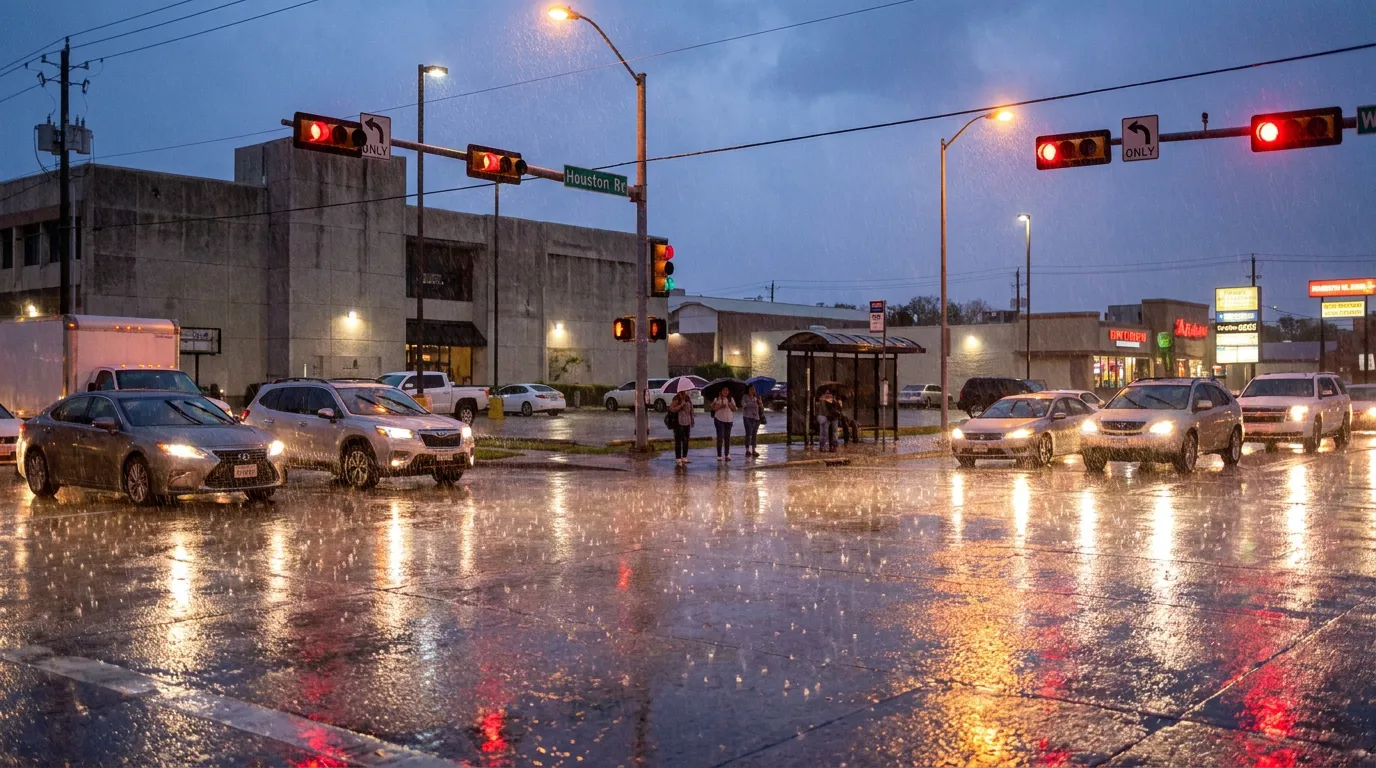
Yes, rain measurably increases the risk of car accidents in Houston. Houston’s frequent downpours, flash flooding, and slick highways create some of the most hazardous driving conditions in Texas. Wet pavement is a factor in roughly 70 percent of weather-related crashes, with nearly half occurring during active rainfall, making precipitation the most dangerous weather factor for drivers. For Harris County motorists, that risk becomes part of daily life during storm season.
If you or a loved one were hurt in a wet-weather collision, the team at Payne Law Firm is ready to listen. We offer free consultations to help you understand your options. Call us at 713-223-5100 or reach out through our secure contact form to get started today.
The Numbers Behind Rainy-Day Crashes
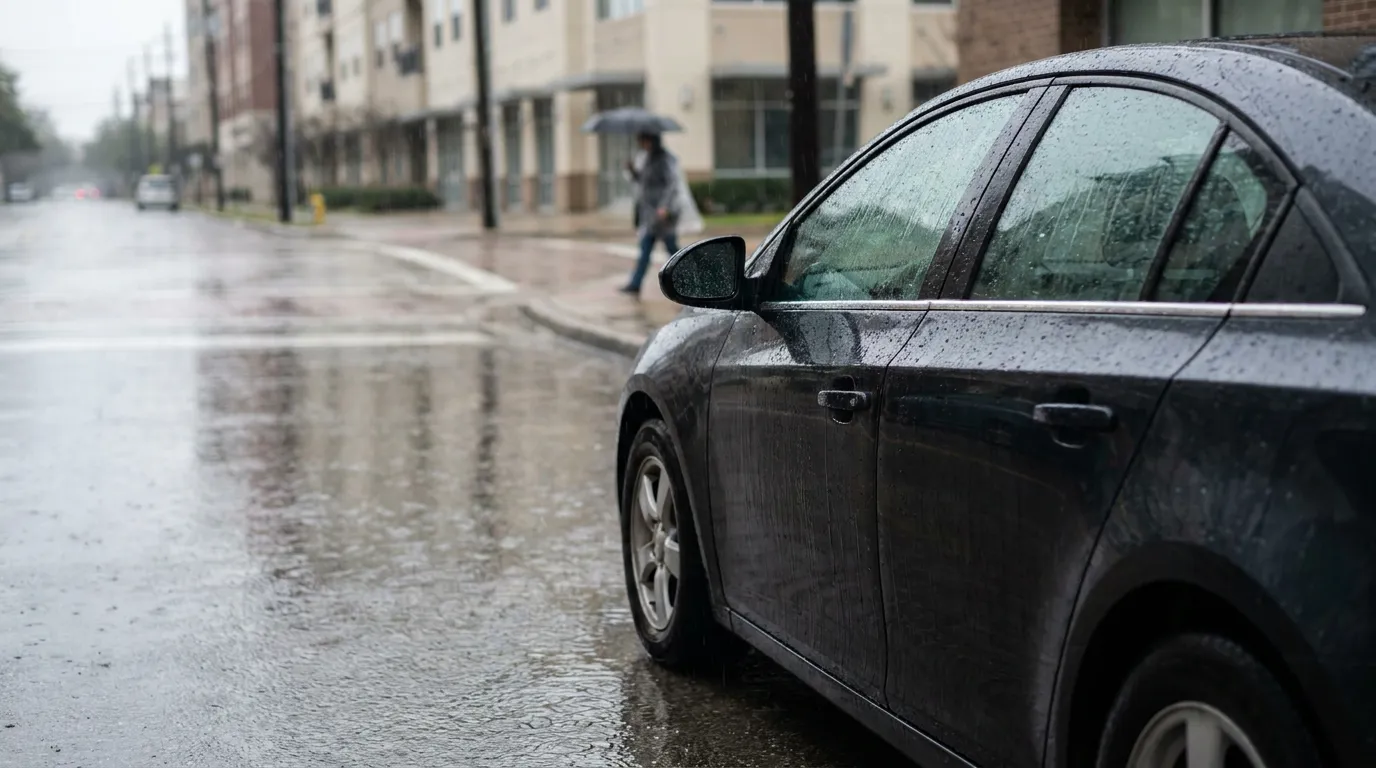
Rain is a leading cause of serious collisions nationwide. Federal research shows approximately 21 percent of crashes, nearly 1.2 million annually, are weather-related, with rain dominating that category. According to FHWA estimates, rain-related crashes account for 574,000 crashes annually, representing roughly 10 percent of all vehicle crashes.
The human toll is significant. Rain causes an estimated 357,300+ injuries and 3,400+ fatalities per year. You can review detailed road weather safety data to understand how precipitation reshapes crash risk.
Wet pavement is a recurring factor. Research indicates wet roads were present in roughly 15 percent of all crashes, making wet pavement the second most common road surface condition after dry roads. Rain appears in about 10 to 11 percent of all police-reported crashes nationwide, explaining why wet road crashes in Texas remain a persistent concern.
💡 Pro Tip: After any rainy day car crash in Houston, photograph the standing water, road surface, and weather conditions before you leave the scene. This evidence can disappear within minutes once the rain stops.
How Weather Conditions Impact Car Accidents in Houston
Understanding how weather conditions impact car accidents in Houston starts with recognizing the city’s unique exposure to rain. Texas falls within the South region, where adverse weather was present in roughly 12 percent of crashes. Houston’s frequent and heavy rainfall makes weather-related car accidents in Houston a daily reality.
Rain affects driving in several compounding ways. Reduced visibility, longer stopping distances, and slick surfaces all contribute to collisions. Hydroplaning accidents in Houston occur when water lifts tires off the pavement, causing temporary loss of steering and braking control.
Common contributing factors in a car wreck in the rain in Houston include:
- Driving too fast for visibly wet conditions
- Following other vehicles too closely on slick pavement
- Worn tires or low tread that increases hydroplaning risk
- Failing to use headlights during reduced visibility
- Sudden braking or sharp steering on water-covered roads
These factors often point directly to driver negligence. When another driver ignores Houston rainstorm driving risks and causes a crash, that failure to adjust can become central to a personal injury claim. To learn more about how weather conditions impact car accidents in Houston, our related guide breaks down the broader connection between climate and collision risk.
The Texas Laws That Govern Wet-Weather Driving
Texas law directly addresses the heightened danger that rain creates on roadways. Under the Texas speed limit statute, Texas Transportation Code § 545.353(a), the Texas Transportation Commission may declare a reasonable and safe speed for wet or inclement weather when prima facie limits are found unreasonable or unsafe. A driver in Houston may be held to a lower legal speed standard during rain, and exceeding that speed could support a negligence argument.
The statute defines covered conditions. Texas Transportation Code § 545.353(g) defines "wet or inclement weather" as roadway conditions that make driving unsafe due to precipitation, including water, ice, and snow. This definition supports traffic safety enforcement and negligence claims when drivers fail to adjust to wet conditions.
Texas law also imposes strict duties after collisions. Under Texas Transportation Code § 550.021(a)-(c), operators involved in crashes resulting in injury or death must immediately stop, return to the scene, determine whether anyone needs aid, and remain until duties are fulfilled. Violations involving death are generally punishable as second-degree felonies, while those involving serious bodily injury are generally third-degree felonies.
💡 Pro Tip: If an at-fault driver leaves the scene of your car wreck in the rain in Houston, write down everything you remember immediately, including partial license plates, vehicle color, and direction of travel. Even small details can help investigators.
Speed, Routing, and Commercial Vehicles
Commercial traffic adds another layer of risk during Houston storms. Under Texas Transportation Code § 644.202(b), municipalities with populations exceeding 1.3 million, including Houston, must develop and submit approved routes for commercial vehicles carrying hazardous materials to the Texas Department of Transportation.
Routing violations can become relevant when rain increases crash risk. When wet pavement raises collision danger, a carrier’s failure to follow approved routes may factor into liability questions, depending on the specific facts.
Proving Fault in a Rainy-Day Houston Crash
Rain does not excuse negligent driving, and Texas law expects motorists to adjust to conditions. A successful claim typically requires establishing duty, breach, causation, and damages. In wet-weather cases, the breach often involves failing to slow down, maintain safe following distance, or maintain control on slick roads.
Insurance companies frequently try to blame the weather rather than their insured driver. Adjusters may argue rain itself caused the crash. An experienced advocate can push back by gathering crash reports, witness statements, dashcam footage, and weather records to show a reasonable driver could have avoided the collision.
| Crash Factor | Why It Matters in a Rain Claim |
|---|---|
| Speed for conditions | May show breach of duty under § 545.353 |
| Following distance | Reduced stopping ability on wet roads |
| Tire condition | Relevant to hydroplaning accidents in Houston |
| Scene evidence | Supports causation and fault |
Drivers facing administrative consequences should understand their procedural rights. Under Texas Transportation Code § 601.158(a)-(d), drivers facing suspension after collision hearings may appeal by filing a petition within 30 days in the appropriate county court, which generally stays the suspension until the 91st day after filing or final judgment. This administrative process is separate from civil lawsuits.
💡 Pro Tip: Texas generally applies a two-year statute of limitations to personal injury claims, but exceptions can apply in limited circumstances. Because courts interpret these exceptions narrowly, speaking with counsel early helps protect your filing deadline.
Why Injured Houstonians Turn to Payne Law Firm
Choosing the right advocate after a weather-related crash can shape your entire recovery. For more than 20 years, Payne Law Firm has helped over a thousand injured individuals pursue deserved compensation. Attorney Jason E. Payne is Board Certified in Personal Injury Trial Law by the Texas Board of Legal Specialization and has been recognized by Texas Super Lawyers from 2019 through 2026.
Our roots run deep in the communities we serve. A Port Arthur native, Attorney Payne built his practice around helping injured Houstonians feel heard, informed, and respected during stressful moments. We explain the process clearly and fight for people overlooked by insurance companies. If you need a dedicated Houston car accident attorney, our team is ready to stand beside you.
💡 Pro Tip: Keep a single folder for every medical bill, repair estimate, and insurance letter after your crash. Organized documentation strengthens Texas rain crash claims and saves valuable time later.
Frequently Asked Questions
Does rain automatically make the other driver at fault?
No, rain alone does not establish fault. Texas negligence law requires proof that a driver breached a duty of care, such as driving too fast for wet conditions. Whether the other driver is liable depends on the specific facts.
What should I do immediately after a rainy day car crash in Houston?
Prioritize safety, then preserve evidence. Move to a safe location if possible, call for medical help, and document the scene, including water on the road and weather conditions. Texas Transportation Code § 550.021 requires drivers to stop, render aid, and remain at injury crash scenes.
Can I still recover compensation if I was partly at fault?
Possibly, depending on your share of responsibility. Texas follows a modified comparative fault system. Recovery is reduced by your percentage of fault and barred entirely if your fault exceeds 50 percent. An evaluation of your situation is recommended.
How long do I have to file a claim after a wet road crash in Texas?
Texas generally applies a two-year deadline for personal injury claims. Certain exceptions may extend or alter that period in limited circumstances, but courts interpret them narrowly. Acting promptly helps protect your rights and preserve evidence.
Are commercial vehicles held to different standards in the rain?
In many cases, yes. Commercial carriers must follow additional rules, including approved hazardous materials routes under Texas Transportation Code § 644.202(b). Violations during adverse weather can factor into liability, subject to case facts.
Protecting Your Rights When the Rain Causes a Crash
Rain clearly raises the risk of serious collisions in Houston, and Texas law provides meaningful protections for those who are injured. From speed standards during wet weather to duties drivers owe after crashes, the statutes recognize that precipitation demands greater care. When another driver ignores those responsibilities, you should not shoulder the medical bills, lost wages, and stress alone. Outcomes depend on specific facts, and this information is not a substitute for individualized legal advice.
If a storm-related collision has turned your life upside down, Payne Law Firm is here to help your family move forward with compassion and dedication. Call us today at 713-223-5100 or request your free consultation to learn how we can fight for the compensation you deserve.