
Understanding Period 1 Uber Crashes in Charlotte, North Carolina
Key Takeaways: Period 1 in rideshare coverage refers to when an Uber driver has the app on but hasn’t matched with a passenger, creating a significant insurance gap. North Carolina’s contributory negligence rule can bar injured victims from recovering any compensation if they share even 1% of fault. Multiple insurance policies may apply after a Charlotte Uber crash, including the driver’s personal policy and Uber’s contingent coverage. Exceptions like the last clear chance doctrine and gross negligence may still allow recovery. Acting quickly to preserve evidence and contact insurers is essential.
If you were hurt in an Uber crash while the driver’s app was on but no ride was accepted, you may face one of the most confusing insurance situations in North Carolina personal injury law. This moment, known as Period 1, is when Uber’s corporate insurance provides only limited contingent coverage. The driver’s personal auto policy may deny the claim because the vehicle was used for commercial purposes. For injured passengers in other vehicles, pedestrians, and cyclists in Charlotte, this gap can feel overwhelming. North Carolina’s strict contributory negligence standard adds complexity because even a small share of fault could eliminate your right to compensation. Understanding Period 1 coverage and fault determination can make the difference between recovering fair compensation and walking away with nothing.
If you need guidance after a rideshare accident in North Carolina, Payne Law Firm is here to help. Call 704-529-9000 for a free consultation, or reach out to our team online to get started today.
What Is Period 1 in Uber’s Rideshare Insurance System?
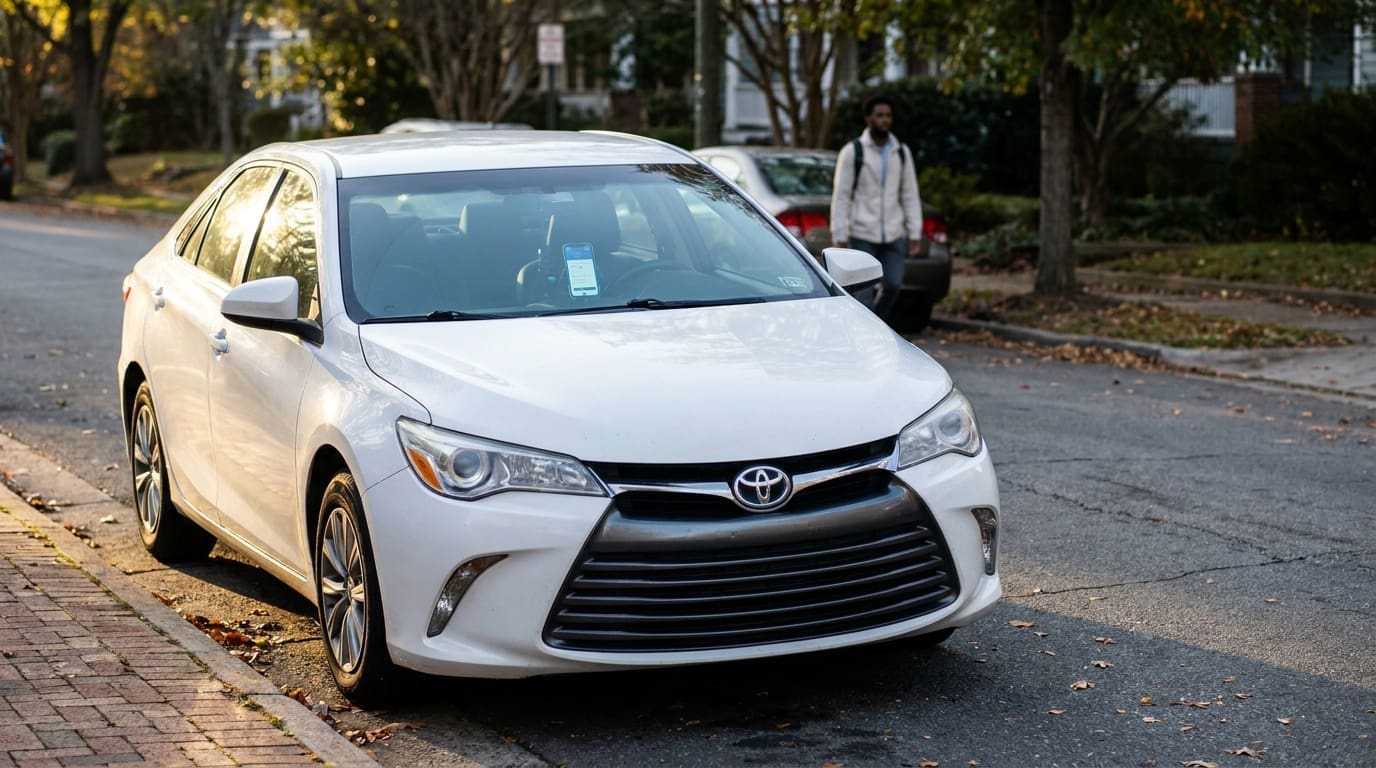
Uber divides its driver coverage into three distinct periods, each determining how much insurance protection is available after a crash. Period 1 begins when a driver turns on the Uber app and starts looking for ride requests. It ends when the driver accepts a trip. During this window, the driver is available on the Uber platform but has no assigned passenger.
Why Period 1 Creates an Insurance Gap in NC
During Period 1, Uber provides only limited contingent liability coverage, significantly less than the $1 million policy available during Periods 2 and 3. The driver’s personal auto insurance may refuse to pay, arguing the vehicle was used for commercial activity. This creates a rideshare insurance gap in NC, with injured victims caught between two insurers pointing to each other as responsible.
💡 Pro Tip: After any rideshare crash in Charlotte, ask the responding officer to document whether the driver’s app was active. This detail is critical in determining which insurance period applies.
How Period 1 Differs From Periods 2 and 3
Uber’s insurance responsibility increases dramatically once a driver accepts a ride request. The table below highlights the differences between coverage periods:
| Coverage Period | Driver Status | Uber’s Typical Coverage Level |
|---|---|---|
| Period 1 | App on, no ride accepted | Limited contingent liability only |
| Period 2 | Ride accepted, en route to passenger | Higher liability, uninsured/underinsured motorist coverage |
| Period 3 | Passenger in vehicle, trip in progress | Up to $1 million liability coverage |
A crash occurring seconds before a ride match can result in dramatically less coverage than one occurring after. For victims, identifying the exact moment of the crash relative to the driver’s app status is essential.
How North Carolina’s Contributory Negligence Rule Affects Uber Accident Claims in Charlotte
North Carolina is one of only four states, along with the District of Columbia, that still follows the contributory negligence rule. Under this doctrine, a plaintiff who contributed to the cause of their injuries may be completely barred from recovering compensation. Unlike the comparative negligence standard used by most states, which reduces damages proportionally to fault, North Carolina’s rule is all or nothing. Even 1% fault can eliminate recovery rights from a defendant who was 99% at fault. The burden of proving contributory negligence rests on the defendant, and the plaintiff’s negligence must be a proximate cause of the injury.
This makes fault determination in a Period 1 Uber crash especially consequential in Charlotte. Insurance adjusters may aggressively look for evidence that you contributed to the collision. Were you jaywalking? Did you fail to signal? Were you distracted? Any of these allegations, if proven to have proximately caused your injuries, could bar your entire claim. To learn more about how this doctrine applies in rideshare cases, read our guide on contributory negligence in Charlotte rideshare cases.
💡 Pro Tip: Avoid giving recorded statements to any insurer before speaking with an attorney. Adjusters may use your words to argue you shared fault, which under North Carolina law could bar your recovery entirely.
Exceptions That May Preserve Your Right to Compensation
Even under North Carolina’s strict contributory negligence framework, certain legal doctrines may still allow recovery. Courts recognize the rule can produce harsh outcomes, and several exceptions have developed.
The Last Clear Chance Doctrine
If the defendant discovered, or should have discovered, that you were in peril and had the time and ability to avoid injuring you but failed to do so, the last clear chance doctrine may overcome a contributory negligence defense. This requires showing the defendant had the final opportunity to prevent harm. In a Period 1 Uber crash, this could apply if the rideshare driver saw you in the roadway and had time to stop or swerve but didn’t.
Gross Negligence by the Uber Driver
Contributory negligence generally doesn’t bar recovery when the defendant’s conduct rises to gross negligence, meaning willful or wanton disregard for safety. Driving while intoxicated, traveling at excessive speeds, or racing are examples North Carolina courts have recognized. If an Uber driver in Period 1 engaged in reckless behavior, your own minor fault may not prevent compensation.
The Sudden Emergency Doctrine
The sudden emergency doctrine can be invoked by either party in a negligence action, including both the at-fault driver seeking to avoid liability and the injured party seeking to overcome a contributory negligence defense. Under this doctrine, a party may avoid liability if they faced an unexpected emergency not of their own making and reacted as a reasonably prudent person would. If an Uber driver invokes this doctrine after reacting to a sudden road hazard, examine whether the driver’s own distraction or negligence created the emergency, negating the defense.
💡 Pro Tip: Document everything at the scene, including photos, witness contact information, and written notes. Evidence of the other driver’s behavior can be critical to establishing gross negligence or invoking the last clear chance doctrine.
Steps to Take After a Period 1 Uber Crash in Charlotte
Protecting your health and legal rights starts immediately after the collision. The actions you take can significantly affect your claim’s outcome.
- Seek medical attention right away, even if you feel fine. Some injuries don’t produce symptoms until later.
- Report the crash to your own insurance company. North Carolina guidance advises contacting both your insurer and the at-fault party’s insurer.
- Request a copy of the police report and confirm it notes the Uber driver’s app status.
- Don’t accept a quick settlement offer. Early offers often fail to account for the full extent of your losses.
- Consult a Charlotte rideshare accident lawyer who understands NC rideshare insurance periods and can identify every available coverage source.
💡 Pro Tip: If repair costs equal or exceed 75% of your vehicle’s pre-accident actual cash value, North Carolina requires insurers to declare the vehicle a total loss. Knowing this threshold helps evaluate settlement offers.
Why a Charlotte Rideshare Accident Lawyer Can Make a Difference
Rideshare crash claims involving Period 1 coverage gaps require thorough understanding of overlapping insurance policies, North Carolina negligence law, and insurer tactics. A Charlotte rideshare injury lawyer can investigate the driver’s app data, identify all available policies, and build a case addressing North Carolina’s contributory negligence challenges.
At Payne Law Firm, we treat our clients like family. With over 20 years of service and a proven track record helping over a thousand injured individuals obtain deserved compensation, our team provides the personalized legal support Charlotte rideshare accident victims need. We understand the stress of facing mounting medical bills, lost wages, and uncooperative insurers after a crash you didn’t cause.
💡 Pro Tip: North Carolina’s contributory negligence doctrines are complex and fact-sensitive. Having an attorney review your case early helps avoid missteps insurers could use against you.
Frequently Asked Questions
1. What does Period 1 mean in an Uber accident claim?
Period 1 is the window when an Uber driver has the app on and is waiting for a ride request but hasn’t accepted one. During this period, Uber’s insurance coverage is limited to contingent liability, and the driver’s personal auto insurer may deny coverage, leaving injured victims uncertain about compensation sources.
2. Can I still recover damages if I was partially at fault for the crash?
Under North Carolina’s contributory negligence rule, even minimal fault can bar you from recovering damages, provided that fault was a proximate cause of your injuries. However, exceptions such as the last clear chance doctrine and gross negligence may preserve your right to compensation. Each case depends on specific facts, so consult an attorney promptly.
3. Who pays for my injuries if the Uber driver’s personal insurance denies the claim?
If the driver’s personal insurer denies coverage because the app was active, Uber’s contingent Period 1 policy may apply, though it offers lower limits than Periods 2 or 3. Your own uninsured or underinsured motorist coverage could also be a recovery source. An experienced attorney can evaluate all available policies.
4. How long do I have to file a claim after a rideshare crash in Charlotte?
North Carolina generally imposes a three-year statute of limitations for personal injury claims under N.C. Gen. Stat. § 1-52(5). Section 1-52(16) governs accrual (the discovery rule) and also establishes a 10-year statute of repose. However, specific circumstances may affect this deadline. Courts interpret tolling exceptions narrowly, so don’t assume any extension applies without legal guidance.
5. What evidence is most important in a Period 1 Uber crash case?
The Uber driver’s app data showing their status at the time of the crash is often the single most critical evidence. Photos from the scene, the police report, witness statements, and medical records also play vital roles. Preserving this evidence early helps strengthen your case against contributory negligence defenses.
Protecting Your Rights After a Charlotte Uber Crash
A Period 1 Uber crash in Charlotte presents unique challenges, from limited rideshare insurance coverage to North Carolina’s unforgiving contributory negligence standard. Understanding the insurance gap, knowing the exceptions that may preserve your claim, and acting quickly to gather evidence are essential steps. If you were injured in a rideshare accident, you don’t have to navigate these challenges alone.
Payne Law Firm offers free consultations and is ready to listen to your story. Call 704-529-9000 or contact us today to discuss your case with a team that fights for the people of Charlotte.