
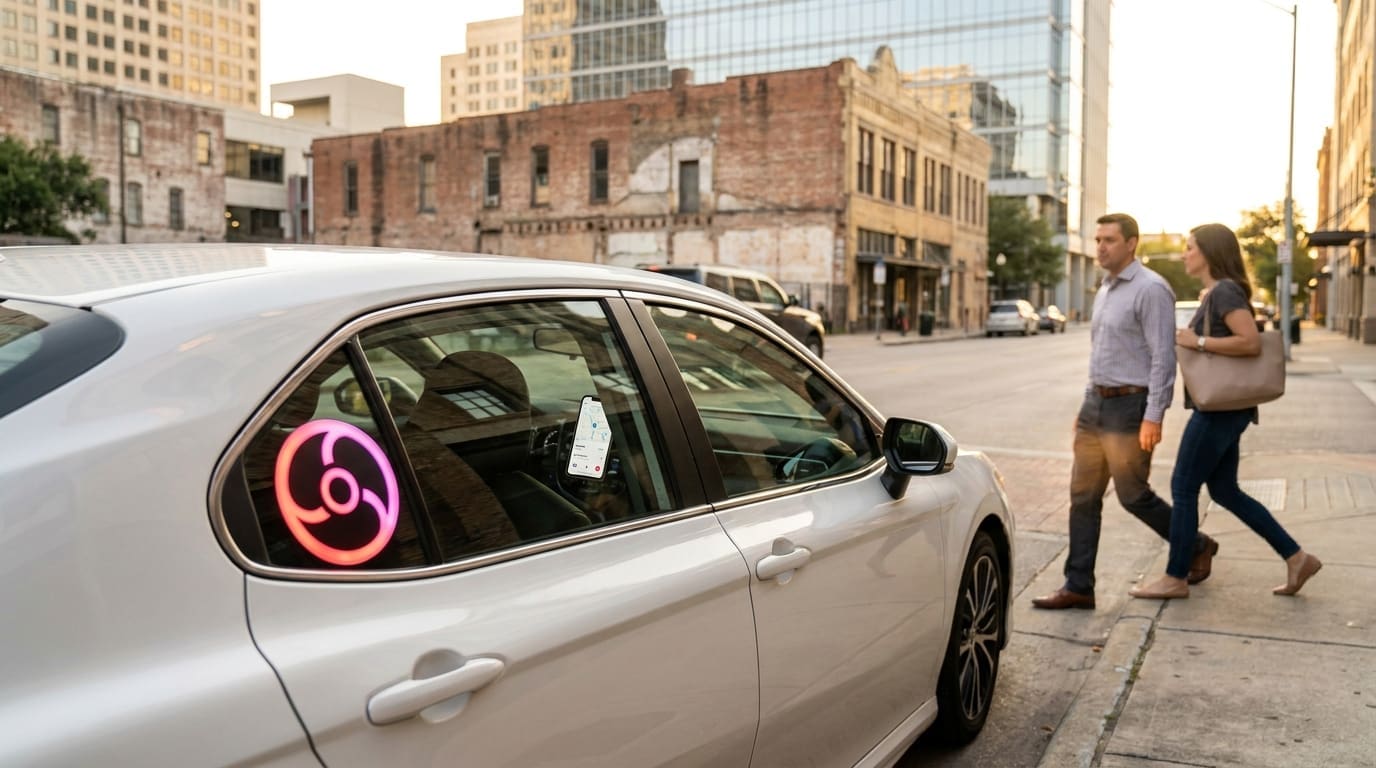
How the Livery Exclusion Can Derail Your Rideshare Accident Insurance Claim in Houston
Key Takeaways: The livery exclusion is a clause in personal auto insurance policies that denies coverage when a vehicle is used for commercial purposes, including rideshare driving. If you were injured in a Houston Uber or Lyft accident, this exclusion creates serious coverage gaps, particularly during "Period 1" when a driver is logged into the app but hasn’t accepted a ride. Texas Occupations Code § 2402 establishes a separate insurance framework for transportation network companies (TNCs), but coverage limits vary significantly by ride cycle stage. Understanding these coverage periods and the livery exclusion is essential to protecting your compensation rights.
What the Livery Exclusion Means for Injured Victims
If you have been hurt in a rideshare accident in Houston, the insurance situation is likely more complicated than expected. Most personal auto policies exclude coverage when a vehicle is used for livery or commercial purposes. This livery exclusion sits at the center of rideshare coverage disputes and directly affects available compensation. According to the National Association of Insurance Commissioners, personal auto policies broadly exclude coverage during commercial driving activity across liability, personal injury protection, comprehensive, collision, and uninsured/underinsured motorist coverage.
The rideshare driver’s personal insurer may refuse to pay your claim. When personal policy coverage is denied and the TNC’s coverage is limited or disputed, injured passengers, other motorists, cyclists, and pedestrians can find themselves in a frustrating gap. At Payne Law Firm, we treat our clients like family from the first conversation. Call 713-223-5100 or reach out to our team today for a free consultation.
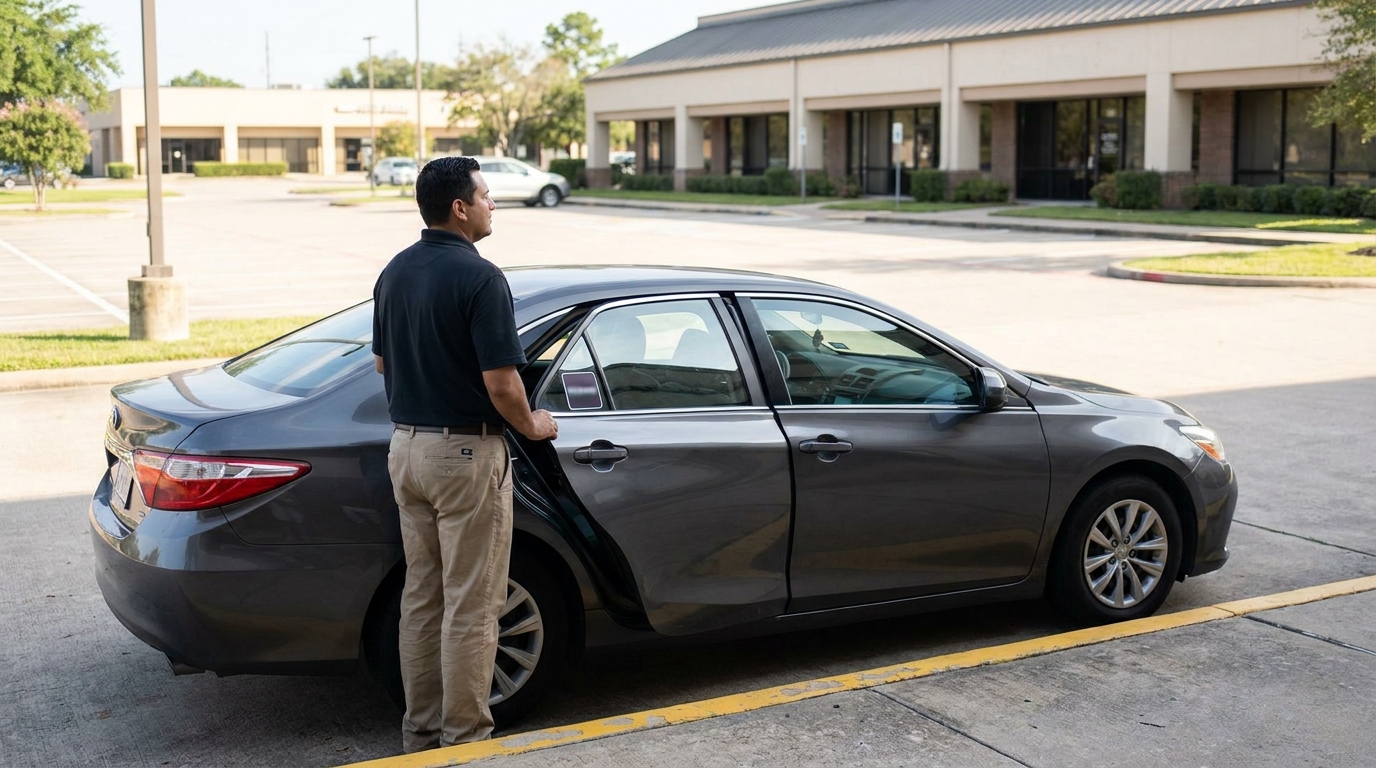
The Three Coverage Periods in a Rideshare Accident Insurance Claim Houston Victims Must Understand
Every rideshare trip moves through three distinct coverage periods, and the insurance available depends entirely on which period the driver was in at the crash moment. This framework, established under Texas law, determines whether the driver’s personal policy, the TNC’s commercial policy, or some combination applies to your claim.
Period 1: App On, No Ride Accepted
This is the most problematic stage for injured victims. During Period 1, the driver is logged into the app but hasn’t matched with a passenger. The driver’s personal insurer may deny the claim under the livery exclusion, while the TNC’s coverage is more limited. In Texas, when a driver is logged on and available but not engaged in a prearranged ride, required liability coverage is at least $50,000 per person, $100,000 per incident, and $25,000 for property damage (50/100/25).
Period 2 and Period 3: Ride Accepted Through Drop-Off
Once a driver accepts a ride request (Period 2) and while a passenger is in the vehicle (Period 3), TNCs like Uber and Lyft generally provide $1 million in primary commercial liability insurance. This significantly higher coverage makes establishing the exact crash moment critical. If the TNC disputes which period the driver was in, your access to that $1 million policy may be at stake.
| Coverage Period | Driver Status | Typical TNC Coverage | Personal Policy |
|---|---|---|---|
| Period 1 | App on, waiting for match | State minimum liability (e.g., 50/100/25) | Generally denied (livery exclusion) |
| Period 2 | Ride accepted, en route to pickup | $1 million liability | Generally denied (livery exclusion) |
| Period 3 | Passenger in vehicle | $1 million liability | Generally denied (livery exclusion) |
💡 Pro Tip: After a rideshare accident, screenshot the app status if possible. The coverage period at crash time is one of the most important facts in determining which insurance policy applies.
Why the Livery Exclusion Creates a Coverage Gap in Houston
The rideshare coverage gap exists because two insurance systems were not designed to work together. Personal auto policies were written before app-based rideshare services existed, and the livery exclusion was intended to prevent personal policyholders from operating taxi or shuttle services under cheaper personal policies. When Uber and Lyft entered the Houston market, this old exclusion created new problems.
Texas Occupations Code § 2402.101 requires TNCs and drivers to maintain insurance, but does not eliminate the gap entirely. The Texas Department of Licensing and Regulation confirms that standard insurance companies may deny coverage while a driver operates as a TNC driver. Most TNC legislation does not require comprehensive or collision coverage during Period 1, meaning your claim options may be limited to the TNC’s lower-tier policy.
💡 Pro Tip: Do not accept an insurance company’s first denial at face value. An Uber Lyft insurance denial in Texas may be based on a coverage-period dispute that thorough investigation can resolve in your favor.
How Texas Law Classifies Rideshare Drivers and Why It Matters
Under Texas Occupations Code § 2402.114, TNC drivers are generally treated as independent contractors, not employees. This distinction is critical because Uber and Lyft generally do not accept direct employer liability for their drivers’ actions. Instead, the insurance framework under Chapter 2402 and Texas Insurance Code Chapter 1954 governs coverage responsibilities.
Texas Occupations Code § 2402.002 also states that TNCs and their drivers are not common carriers, contract carriers, or motor carriers. This unique classification means rideshare companies operate under a different liability and insurance structure than traditional taxi or trucking companies, making it harder to hold the company accountable without carefully establishing which insurance policy covers the loss.
💡 Pro Tip: Preserve all documentation from the ride, including trip confirmations, receipts, and communications with the rideshare company. This evidence helps establish the driver’s status and applicable coverage period.
Steps to Protect Your Houston Rideshare Injury Claim
Taking the right steps after a rideshare accident can significantly impact your case outcome. Because of the livery exclusion and multi-layered insurance structure, rideshare claims require more careful evidence preservation than typical car accidents. Consider these actions:
- Document the scene with photos of all vehicles, road conditions, and visible injuries
- Obtain the police report and rideshare driver’s insurance information
- Seek prompt medical attention and keep all treatment records
- Save your rideshare trip history, receipts, and screenshots showing app status at crash time
- Avoid giving recorded statements to insurance companies before consulting an attorney
Texas Civil Practice and Remedies Code § 16.003 establishes a two-year statute of limitations for personal injury claims. You generally must file your lawsuit within two years of the accident date or risk losing your right to pursue compensation. Courts interpret exceptions narrowly, so acting promptly preserves evidence and strengthens your position.
💡 Pro Tip: If you are dealing with mounting medical bills after a rideshare crash, ask your attorney about medical liens or letters of protection that may allow treatment while your claim is pending.
To learn more about how insurance gaps affect rideshare injury cases, read our guide on Houston rideshare insurance gaps.
What Makes Rideshare Accident Claims Different From Other Car Accidents
Unlike a standard collision, a rideshare accident can involve three or more insurance policies, each with its own adjuster looking for reasons to deny your claim. The driver’s personal insurer may invoke the livery exclusion. The TNC’s insurer may argue the driver was in a different coverage period. And if a third-party driver caused the crash, their insurer enters the mix.
This layered complexity is why working with a rideshare accident attorney in Houston can be critical to your case outcome. An attorney experienced in TNC insurance disputes understands how to identify the correct coverage period, gather digital evidence from the app, and push back against insurers attempting to shift responsibility.
💡 Pro Tip: Keep a journal of how your injuries affect daily life, including missed work, pain levels, and activities you can no longer perform. This documentation supports claims for both economic and non-economic damages.
Frequently Asked Questions
1. What is the livery exclusion, and how does it affect my rideshare accident claim in Houston?
The livery exclusion is a provision in most personal auto insurance policies that removes coverage when a vehicle is used for commercial or for-hire transportation. If you were injured in a crash involving an Uber or Lyft driver, this exclusion may prevent the driver’s personal insurer from covering your claim. The TNC’s commercial policy may then be the primary compensation source, but available limits depend on the driver’s coverage period at crash time.
2. How do I know which insurance policy covers my rideshare accident injuries?
The applicable policy depends on the driver’s status at crash time. If the driver had not accepted a ride, Period 1 coverage applies and limits are generally lower. If the driver had accepted a ride or had a passenger in the vehicle, the TNC’s $1 million commercial liability policy typically applies. An attorney can investigate app data to establish the correct period.
3. Can I still recover compensation if the rideshare driver’s personal insurance denies my claim?
Yes, you may still pursue compensation through the TNC’s commercial insurance policy. Texas Occupations Code § 2402.101 requires TNCs to maintain coverage during all active periods. Even if the personal policy invokes the livery exclusion, the TNC’s policy may still provide a recovery path.
4. What is the deadline for filing a rideshare accident injury claim in Houston?
Under Texas Civil Practice and Remedies Code § 16.003, you generally have two years from the accident date to file a personal injury lawsuit. Missing this deadline may result in losing your right to pursue compensation. Certain exceptions may apply, but courts interpret these strictly, so consult an attorney promptly after the crash.
5. Do I need an attorney for a rideshare accident claim in Houston?
While not required, rideshare accident claims involve complex, overlapping insurance policies difficult to navigate alone. Insurers for both the driver and TNC may attempt to minimize or deny your claim. An experienced attorney can investigate the coverage period, handle communications with multiple insurers, and advocate for full compensation.
Protecting Your Rights After a Houston Rideshare Crash
The livery exclusion and the rideshare coverage gap can make an already stressful situation feel impossible to navigate. If you or a loved one has been injured in a rideshare accident in Houston, understanding the insurance landscape is the first step toward protecting your compensation rights. From identifying the correct coverage period to pushing back against insurer denials, every detail matters.
Attorney Jason Payne built his practice around helping injured Houstonians feel heard, informed, and respected. With over 20 years of experience and recognition as a Texas Super Lawyer from 2019 through 2026, Payne Law Firm is ready to stand by your side. Call 713-223-5100 or contact us for a free consultation to discuss your rideshare accident case today.