
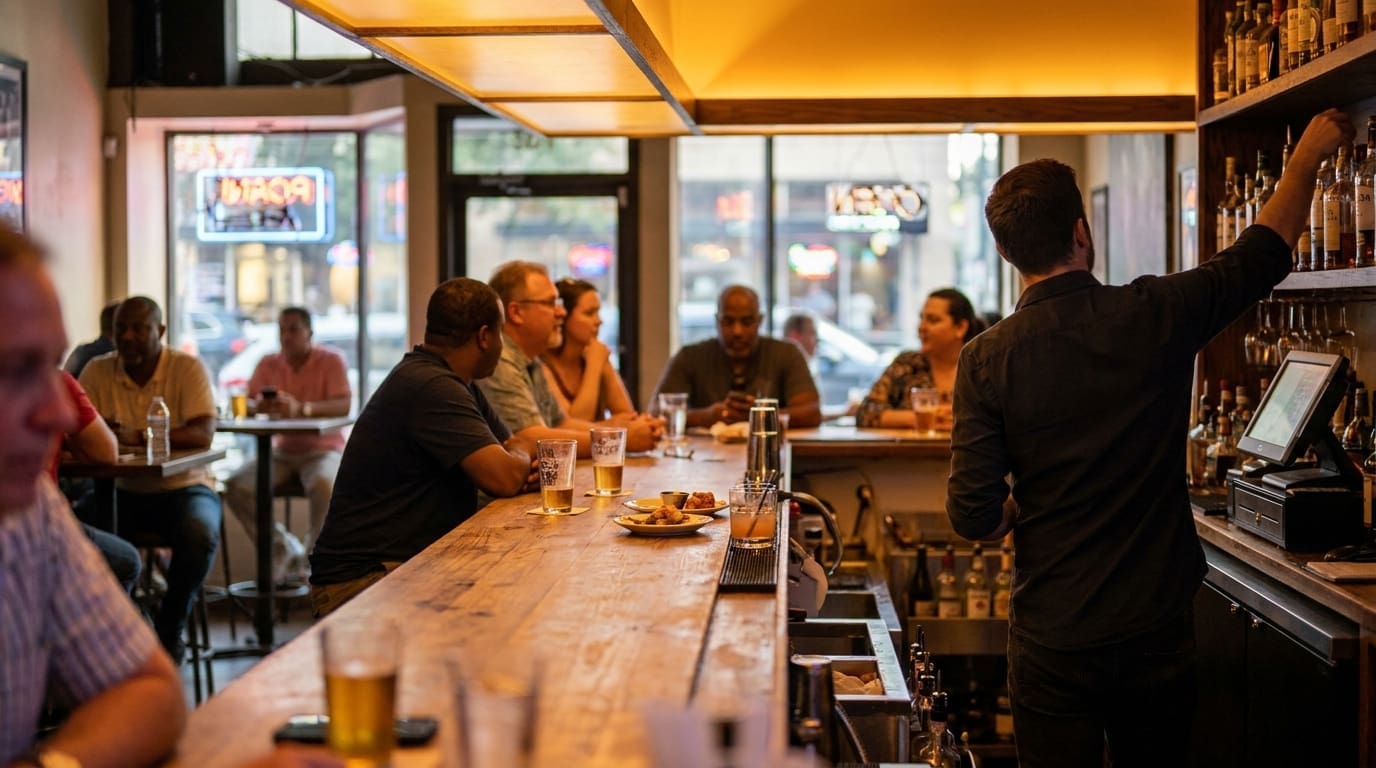
Your Rights After a Crash with a Drunk Driver
Key Takeaways: If you were hit by a drunk driver in Houston, the bar or restaurant that served the driver may share legal liability under the Texas Dram Shop Act. Texas Alcoholic Beverage Code § 2.02 allows injured victims to pursue claims against alcohol providers who served an obviously intoxicated person. This third-party liability is critical when the drunk driver lacks adequate insurance or assets. Bars may raise a “safe harbor” defense, but that defense has limits, especially when management encouraged over-service. An experienced Houston drunk driving injury lawyer can help you identify all responsible parties and pursue the compensation you deserve.
A drunk driving crash can turn your life upside down in seconds. If you or a loved one was hit by a drunk driver in Houston, you’re likely facing mounting medical bills, lost income, and emotional pain. Many assume their only legal option is filing a claim against the intoxicated driver. But what happens when that driver has no insurance, limited assets, or fled the scene? Under Texas law, the bar or restaurant that served the driver may also bear responsibility. This legal avenue, known as a dram shop claim, can be a vital path toward recovering the compensation you need.
At Payne Law Firm, we’ve spent over 20 years fighting for injured Houstonians. If you were hurt in an alcohol-related car accident, call us at 713-223-5100 or reach out online for a free consultation.
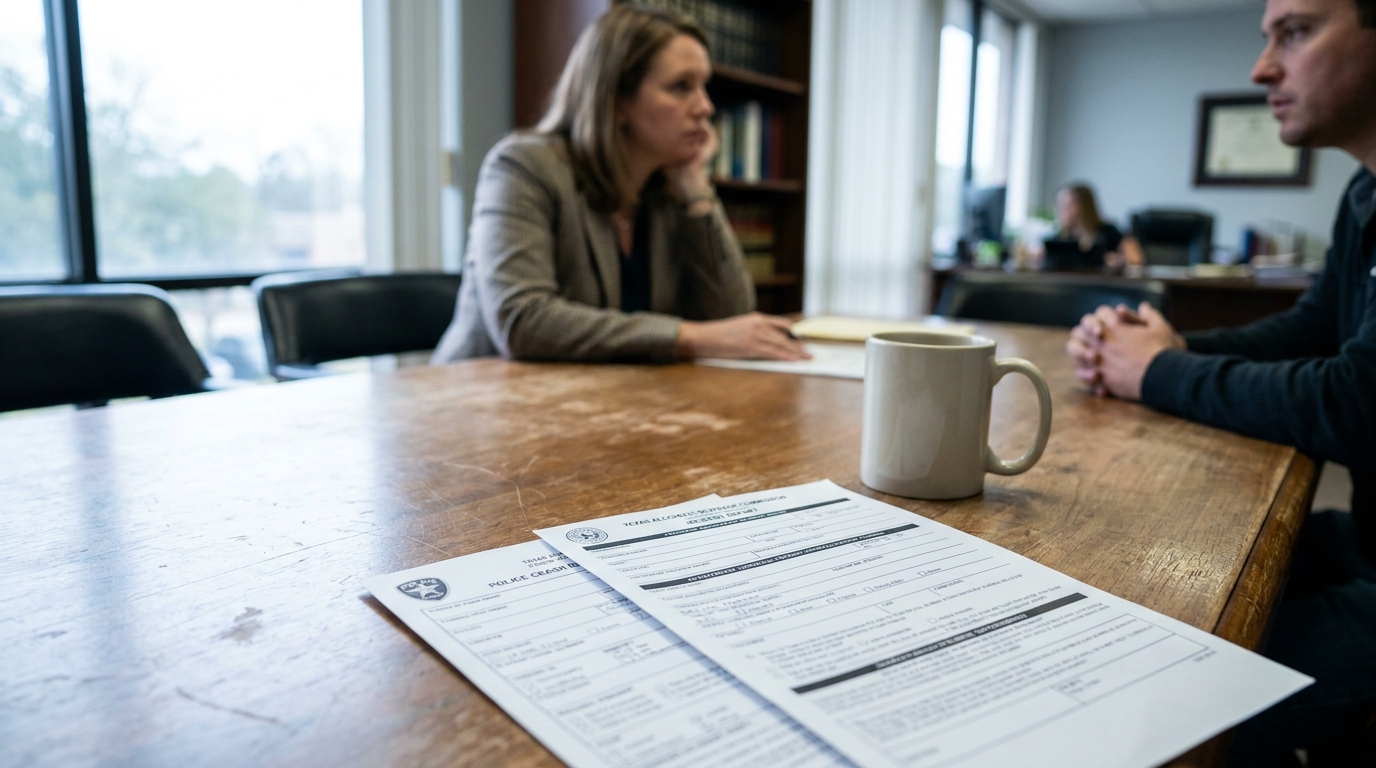
What Is a Dram Shop Claim in Houston?
Dram shop liability laws hold alcohol retailers legally responsible for injuries caused by serving alcohol to intoxicated or underage customers. These laws create civil liability, meaning an injured third party can sue the establishment that contributed to the danger. As of 2015, 37 states imposed dram shop liability for service to intoxicated adults.
In Texas, the Dram Shop Act is codified in Alcoholic Beverage Code § 2.02. A “provider” includes anyone who sells or serves alcohol under a liquor license or permit, covering bars, restaurants, nightclubs, and other licensed establishments across Houston. If a provider served alcohol to someone who was obviously intoxicated and that intoxication proximately caused your injuries, the provider may be liable. The Dram Shop Act is the exclusive cause of action against a provider for damages arising from service of alcohol to persons 18 or older.
How Does Texas Alcoholic Beverage Code § 2.02 Work?
To bring a successful dram shop claim in Houston, a plaintiff must prove two key elements. First, the person being served was obviously intoxicated to the extent they presented a clear danger to themselves and others. Second, the intoxication was a proximate cause of the damages suffered. This standard requires evidence that the intoxication level was obvious and the person presented a clear danger at the time of service.
💡 Pro Tip: Surveillance footage from inside a bar can be powerful evidence in a dram shop claim. Act quickly because establishments may overwrite security recordings within days.
Why Suing Only the Drunk Driver May Not Be Enough
Many victims discover that a claim against the driver alone doesn’t fully cover their losses. A drunk driver might be uninsured and lack substantial assets. In some cases, the driver flees and is never identified. Even when insured, damages from a catastrophic crash may exceed policy limits. Medical expenses, rehabilitation, lost earning capacity, and pain and suffering can exceed what a single driver’s policy covers.
Third-party liability through a dram shop claim provides an additional source of recovery. Bars and restaurants typically carry commercial liability insurance with higher policy limits than individual auto policies. Pursuing a claim against the establishment that over-served the driver can significantly increase total compensation. However, Texas courts have held that only compensatory damages are recoverable under the Dram Shop Act; punitive damages are not available.
Who Qualifies as a “Provider” Under Texas Law?
The Texas Dram Shop Act applies broadly to licensed alcohol sellers and servers. A provider is anyone who sells or serves alcohol under the authority of a liquor license or permit. This means your dram shop claim could involve a neighborhood bar, downtown restaurant, sports venue, or any establishment holding a Texas liquor license. The key question is whether the provider served someone who was obviously and dangerously intoxicated.
💡 Pro Tip: Keep detailed records of everything you remember about the crash, including where the driver may have been drinking. Witness statements, receipts, and social media posts can help trace the driver’s alcohol consumption to a specific establishment.
The Bar’s “Safe Harbor” Defense and Its Limits
Texas law provides bars and restaurants with a potential defense known as the “safe harbor” provision. Under Texas Alcoholic Beverage Code § 106.14(a), an employee’s over-service is not attributable to the employer if: the employer requires employees to attend commission-approved seller training, the employee attended those classes, and the provider did not encourage the employee to violate the law.
However, this defense has important limitations. The Texas Supreme Court addressed this in 20801, Inc. v. Parker, holding that the bar bears the burden of proving the first two safe harbor elements, while the plaintiff must prove the bar encouraged over-service. The Court held that encouragement may be shown by evidence of the provider’s negligence.
Safe Harbor Element | Who Bears the Burden of Proof |
|---|---|
Employer required employees to attend approved training | The bar (defendant) |
The employee actually attended training | The bar (defendant) |
The employer encouraged the employee to violate the law | The injured plaintiff |
When a Bar Manager Encourages Over-Service
The safe harbor defense crumbles when a bar’s management encouraged illegal conduct. In the Parker case, the Court addressed the role of a “vice-principal,” such as a bar manager. If a manager qualifies as a vice-principal, the bar cannot claim safe harbor for that manager’s over-service because a vice-principal’s acts are considered the bar’s own acts. This distinction is critical in many Houston cases where bartenders followed instructions from supervisors to keep drinks flowing.
💡 Pro Tip: If you suspect management pressured employees to over-serve customers, share that with your attorney. Evidence of policies that prioritize sales over safety can defeat the safe harbor defense.
Liability When a Minor Is Served Alcohol in Texas
Texas law imposes additional liability when alcohol is provided to a minor. Under § 2.02(c), an adult 21 or older is liable for damages proximately caused by the intoxication of a minor under 18 if the adult knowingly served or provided alcoholic beverages that contributed to the minor’s intoxication, or knowingly allowed the minor to be served on premises the adult owned or leased. This extends beyond licensed establishments to private individuals.
There are a few notable exceptions. The law doesn’t apply to the parent, guardian, or spouse of the minor, or to an adult in whose custody the minor has been committed by a court. Outside those exceptions, an adult 21 or older who knowingly supplies alcohol to a minor under 18 whose conduct proximately causes harm may face civil liability.
Research confirms that dram shop liability laws reduce alcohol-related motor vehicle fatalities among both adult and underage drinkers, earning them the highest evidence rating of “Scientifically Supported.”
What to Do After Being Hit by a Drunk Driver in Houston
The steps you take immediately after an alcohol-related accident can significantly affect your case’s strength. Preserving evidence early is critical to protecting your rights.
Call 911 and seek medical attention immediately, even if injuries seem minor
Document everything at the scene, including photos of vehicles, road conditions, and injuries
Request a copy of the police report, which may include the driver’s blood alcohol content
Avoid giving recorded statements to insurance companies before speaking with an attorney
Contact an attorney promptly to preserve bar receipts, surveillance footage, and witness testimony
💡 Pro Tip: Texas has a two-year statute of limitations for most personal injury claims. Courts interpret tolling exceptions narrowly, so don’t delay seeking legal guidance.
Understanding what evidence helps prove a drunk driving claim can make the difference between a successful recovery and a missed opportunity. Your attorney can issue preservation letters to bars, subpoena credit card records, and work with investigators to build your case.
💡 Pro Tip: Many Houston bars have multiple security cameras. Your attorney may obtain footage showing how many drinks the driver consumed and whether they were visibly intoxicated when served.
Frequently Asked Questions
1. Can I sue a bar if a drunk driver hit me in Houston?
Yes, in many cases. Under Texas Alcoholic Beverage Code § 2.02, if a bar served alcohol to someone who was obviously intoxicated to the point of being a clear danger, and that intoxication proximately caused your injuries, you may have a valid dram shop claim.
2. What if the drunk driver who hit me has no insurance?
This is a common reason people pursue dram shop claims. When a drunk driver is uninsured, lacks assets, or has insufficient policy limits, a claim against the bar that over-served them may provide additional compensation. Commercial establishments often carry higher insurance limits than individual drivers.
3. Does the safe harbor defense protect every bar in Texas?
Not necessarily. A bar must prove it required employee training and that employees attended approved classes. If the plaintiff shows management encouraged or allowed over-service, the safe harbor defense under Texas Alcoholic Beverage Code § 106.14(a) may not apply.
4. Can a private person be sued for giving alcohol to a minor who then caused a crash?
Generally, yes. Under Texas law, an adult 21 or older who knowingly served or provided alcohol to a minor under 18 may be liable for damages proximately caused by that minor’s intoxication. The rule doesn’t apply to the minor’s parent, guardian, spouse, or an adult in whose custody the minor has been committed by a court.
5. How long do I have to file a dram shop claim in Houston?
Texas generally imposes a two-year statute of limitations for personal injury claims. Courts interpret tolling exceptions narrowly, and waiting too long can result in losing your right to recover. Consult an attorney as soon as possible.
Protecting Your Rights After an Alcohol-Related Crash
If you were hit by a drunk driver in Houston, you may have more legal options than you realize. A dram shop claim against the bar that over-served the driver can open a critical path to compensation for medical bills, lost wages, and the pain of recovery. Texas law provides real protections for victims, but building a strong case requires prompt action, thorough evidence gathering, and clear understanding of the law.
Attorney Jason Payne built his practice around helping injured Houstonians during stressful moments. Board Certified in Personal Injury Trial Law by the Texas Board of Legal Specialization, he and the team at Payne Law Firm are ready to stand by your side. Call 713-223-5100 today or contact us for a free consultation to discuss your car accident claim.