

Small Fender Bender, Big Reporting Questions: Understanding Houston’s New $25 Threshold
Yes, Houston can require accident reports for property damage as low as $25. Since September 1, 2023, Texas law specifically grants municipalities the authority to set their own collision reporting thresholds through local ordinances, potentially requiring reports for damage amounts far below the state’s standard $1,000 threshold. This significant change in Texas Transportation Code Chapter 550 means that what might seem like a minor parking lot bump could trigger legal reporting obligations in certain Texas cities.
If you’ve been in even the smallest fender bender, you might be wondering whether that tiny scratch or minor dent requires official documentation. The confusion is understandable – Texas has multiple layers of reporting requirements that vary by location and damage amount. What complicates matters further is that failing to report when required can result in criminal penalties, making it crucial to understand your obligations after any vehicle collision.
💡 Pro Tip: Always document any collision with photos and exchange information with the other driver, regardless of how minor the damage appears. What looks like a $50 scratch could easily exceed reporting thresholds once properly assessed.
Don’t let a minor accident turn into a major headache. Connect with Payne Law Firm today to ensure you’re meeting all necessary legal obligations and safeguarding your interests. For more information, simply dial 713-999-4801 or contact us.
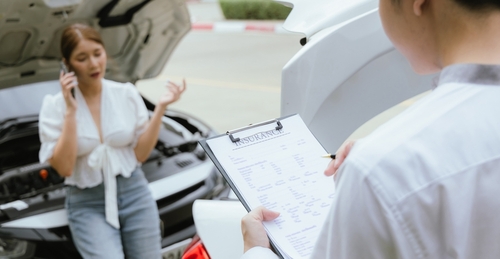
Texas Collision Reporting Laws: State vs. Municipal Requirements
Understanding car accident reporting requirements starts with recognizing that Texas operates under a dual system. At the state level, peace officers may investigate collisions resulting in injury, death, or property damage of at least $1,000. If a law enforcement officer in the regular course of duty investigates such a collision, the officer must file a written report (filed electronically) with TxDOT within 10 days on a department- and DPS‑approved form (TxDOT’s CR-3). However, House Bill 2190 changed the game by explicitly granting municipalities the power to set much lower thresholds. Section 550.067 of the Transportation Code now allows cities to require collision reports for property damage of just $25 or more – a dramatic reduction from the state’s baseline.
The modernization of Texas collision reporting laws also included updating terminology throughout Chapter 550, replacing "accident" with "collision" to reflect current traffic safety practices. This isn’t just semantic – it represents a shift in how Texas approaches traffic incidents. For anyone involved in a collision, understanding which rules apply depends on where the incident occurred. State highways follow state thresholds, while city streets may be subject to stricter municipal ordinances. A car accident attorney in Houston can help clarify which requirements apply to your specific situation, especially when jurisdictional questions arise.
Beyond monetary thresholds, Texas law mandates immediate reporting for any collision resulting in injury, death, or vehicle damage severe enough to prevent normal operation. The statute requires notification "by the quickest means of communication" to local police, the sheriff’s office, or the nearest Department of Public Safety office. This requirement exists regardless of municipal ordinances and represents the baseline obligation for all Texas drivers.
💡 Pro Tip: Check your city’s specific ordinances before assuming the $1,000 state threshold applies. Many Texas municipalities have adopted or are considering lower reporting requirements that could catch drivers off guard.
When and How to Report: Critical Deadlines After a Collision
Time is of the essence when dealing with car accident reporting requirements in Texas. The law distinguishes between immediate reporting obligations and formal report filing, each with distinct deadlines and procedures. Understanding this timeline helps ensure compliance and protects your legal interests should disputes arise later.
- Immediate Scene Requirements: Every collision involving injury or attended vehicle damage requires drivers to stop and exchange information immediately, including names, addresses, vehicle registration numbers, and insurance information
- Emergency Reporting: Collisions resulting in injury, death, or vehicles too damaged to drive safely must be reported immediately using the quickest available communication method
- Municipal Report Filing: Cities with $25+ reporting ordinances may require filing collision reports with designated departments within specific timeframes set by local law
- Law Enforcement Reports: If a law enforcement officer in the regular course of duty investigates a collision involving injury, death, or apparent property damage of $1,000 or more, the officer must file a written report (submitted electronically) with TxDOT within 10 days on a department- and DPS‑approved form (TxDOT’s CR-3)
- Form Requirements: All reports must use state-approved forms that capture specific information mandated by both TxDOT and the Department of Public Safety
The reporting process becomes more complex when dealing with varying thresholds. A minor collision in an area where a car accident attorney in Houston regularly practices might require a report that wouldn’t be necessary just outside city limits. This geographic variation in requirements makes it essential to err on the side of caution when determining reporting obligations.
💡 Pro Tip: Set a phone reminder to follow up on any collision reports within 10 days. Some jurisdictions require supplemental information or have secondary filing deadlines that are easy to miss in the stress following an incident.
Navigating Reporting Uncertainty: How a car accident attorney in Houston Can Help
When facing uncertainty about reporting requirements, taking proactive steps protects you from potential criminal charges and civil liability. The complexity of overlapping state and municipal requirements, combined with the serious penalties for non-compliance, makes professional guidance valuable. Payne Law Firm understands these nuanced requirements and helps clients navigate the reporting maze while protecting their interests throughout the process.
The stakes are higher than many realize. Under Texas law, failing to stop after a collision causing only vehicle damage is a Class C misdemeanor if damage totals less than $200, escalating to a Class B misdemeanor for damage of $200 or more. These criminal penalties apply even before considering potential civil liability or insurance complications. Given that Texas collision reporting laws now allow municipalities to require reports for damage as low as $25, what seems like a minor incident could trigger significant legal obligations.
Professional legal guidance becomes particularly important when dealing with conflicting damage estimates, questions about jurisdiction, or situations where reporting might impact insurance claims or potential litigation. A car accident attorney in Houston can review your specific circumstances, ensure proper compliance with all applicable reporting requirements, and advise on protecting your interests while meeting legal obligations.
💡 Pro Tip: Keep copies of all collision-related documents, including police reports, insurance correspondence, and damage estimates. Texas crash reports are confidential and not publicly available online, making your personal records crucial for future reference.
Municipal Authority and the $25 Question: Understanding Local Variations
The grant of authority to municipalities under Section 550.067 represents a significant shift in Texas traffic law. Cities can now require reporting for property damage starting at just $25 – a threshold that captures virtually every collision beyond the most minor paint transfers. This municipal authority extends to requiring operators to file reports with designated city departments, creating a parallel reporting system alongside state requirements. For drivers, this means a single incident might trigger multiple reporting obligations with different agencies, deadlines, and consequences for non-compliance.
Jurisdictional Complexities in Urban Areas
Chapter 550 applies broadly to highways, public places, and even certain private roads like those in business parking areas or water control districts. This expansive scope means that Texas collision reporting laws reach most places where vehicles interact. In metropolitan areas like Harris County, drivers might cross multiple jurisdictional boundaries during a single trip, each potentially having different reporting thresholds. The challenge intensifies when collisions occur near jurisdictional boundaries or in areas where ownership and control aren’t immediately clear.
What makes this particularly challenging is that H.B. 2190’s provisions are explicitly nonsubstantive, meaning they clarify rather than change existing law. However, the practical impact of allowing $25 reporting thresholds is substantial. Drivers must now consider not just whether damage exceeds state minimums, but also research local ordinances that might apply to their specific incident location.
💡 Pro Tip: Save your local police department’s non-emergency number in your phone. When unsure about reporting requirements after a minor collision, a quick call can clarify obligations and prevent inadvertent violations.
Criminal Penalties and Civil Consequences: Why Proper Reporting Matters
The criminal penalties for failing to meet car accident reporting requirements extend beyond simple fines. Class C misdemeanors in Texas can result in fines up to $500, while Class B misdemeanors may include up to 180 days in jail and fines up to $2,000. These penalties apply specifically to leaving the scene without fulfilling legal obligations, separate from any citations related to the collision itself. The severity escalates based on damage amounts, with the $200 threshold serving as the dividing line between misdemeanor classes.
Beyond Criminal Charges: Insurance and Civil Liability
Failing to properly report a collision can have cascading effects beyond criminal penalties. Insurance companies often require prompt notification of incidents, and failure to file required legal reports can be used as grounds for coverage denial. In civil litigation, non-compliance with reporting requirements may be presented as evidence of fault or used to impeach credibility. Additionally, the 10-year retention policy for Texas crash reports means that reporting decisions made today could impact legal proceedings years into the future. A car accident attorney in Houston regularly sees how initial reporting decisions influence case outcomes, making proper compliance crucial from the moment a collision occurs.
💡 Pro Tip: Even if damage appears minimal, get repair estimates quickly. Modern vehicles often hide expensive damage beneath minor cosmetic issues, and actual repair costs frequently exceed initial visual assessments.
Frequently Asked Questions
Common Concerns About Collision Reporting Requirements
Many drivers find themselves confused by the layers of reporting obligations following even minor collisions. These questions address the most common concerns about compliance with both state and local requirements.
💡 Pro Tip: When calling to report a collision, have your driver’s license, insurance information, and vehicle registration ready. This speeds up the reporting process and ensures accurate documentation.
Understanding Your Next Steps After a Collision
Knowing what to do immediately after a collision and in the days following can make the difference between smooth resolution and legal complications. These questions help clarify the process and timeline for meeting all obligations.
💡 Pro Tip: Create a "collision kit" for your glove compartment with a disposable camera, pen and paper, and a checklist of information to collect. Being prepared reduces stress and ensures thorough documentation.
1. If my city has a $25 reporting requirement and I’m in a minor parking lot bump with $50 in damage, do I really need to file a report?
Yes, if your city has adopted an ordinance under Section 550.067 requiring reports for property damage of $25 or more, you must comply regardless of how minor the damage seems. Failure to report when required can result in criminal misdemeanor charges. Check with your local police department or a car accident attorney in Houston to confirm your city’s specific requirements, as not all Texas cities have adopted the lower threshold.
2. What’s the difference between the information I must exchange at the scene versus what goes in an official report?
At the scene, you must provide your name, address, vehicle registration number, and insurance company name to anyone injured or operating/attending a damaged vehicle. An official collision report requires additional details using state-approved forms, including specific circumstances, diagram sketches, and comprehensive information about all parties involved. The scene exchange is immediate and mandatory, while formal reports may be filed later according to applicable deadlines.
3. Can I access my collision report online after filing, and how long will it remain available?
No, Texas crash reports are confidential and not available for online viewing by the general public. You can request copies through proper channels, but public access is restricted by law. TxDOT maintains reports for 10 years, meaning crashes before December 31, 2013, are no longer in their custodial records. Keep your own copies of all documentation for your records.
4. What happens if the other driver and I disagree about whether damage exceeds reporting thresholds?
When in doubt, report. If you believe damage might exceed applicable thresholds – whether $25 municipal or $1,000 state requirements – file a report to protect yourself from potential criminal charges. Professional repair estimates often reveal damage exceeding initial visual assessments. A car accident attorney in Houston Texas can advise on handling disputes about damage valuations and ensuring compliance while protecting your interests.
5. Do these reporting requirements apply to single-vehicle incidents or only multi-vehicle collisions?
Texas collision reporting laws apply to all qualifying incidents, including single-vehicle collisions. If you hit a fence, mailbox, or other property causing damage above applicable thresholds, reporting requirements still apply. The key factors are damage amount and location, not the number of vehicles involved. This catches many drivers off-guard who assume reporting only applies to multi-vehicle incidents.
Work with a Trusted Car Accidents Lawyer
Understanding and complying with collision reporting requirements protects you from criminal penalties and preserves your legal rights. With municipalities now able to set reporting thresholds as low as $25, even the most minor incidents may require official documentation. The overlapping jurisdictions, varying thresholds, and serious consequences for non-compliance make professional guidance valuable for anyone uncertain about their obligations. Whether you need clarity on reporting requirements, assistance with compliance, or representation following a collision, experienced legal counsel ensures you meet all obligations while protecting your interests throughout the process.
When it comes to managing the aftermath of an accident, knowledge is power. Ensure you’re on the right track with Payne Law Firm by your side. Give us a call at 713-999-4801 or simply contact us to get peace of mind today.