
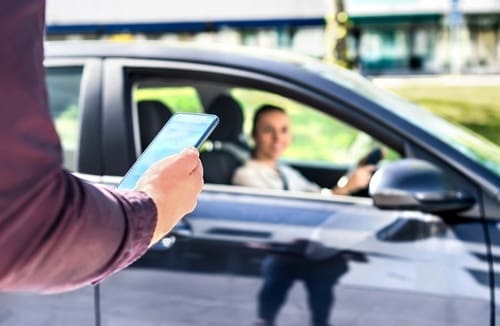
Who Is Liable When Your Houston Rideshare Driver Hits a Pedestrian?
When a rideshare driver strikes a pedestrian in Houston, determining liability becomes a complex legal matter involving multiple parties, insurance policies, and Texas regulations. Responsibility extends beyond the driver to potentially include the rideshare company, depending on whether the driver was logged into the app, actively transporting passengers, or operating their vehicle for personal use. Understanding these distinctions and applicable Texas laws significantly impacts a pedestrian’s ability to recover compensation.
If you or a loved one has been injured as a pedestrian in a Houston rideshare accident, Payne Law Firm can help you navigate complex liability issues and insurance requirements. Call 713-223-5100 or contact us now for a consultation.
Understanding Rideshare Driver Status and Its Impact on Liability
The liability framework for rideshare accidents in Houston depends heavily on the driver’s status at the time of collision. Texas law recognizes three distinct phases of rideshare operation, each carrying different insurance requirements and liability implications. When a driver is offline and using their vehicle for personal purposes, standard personal auto insurance applies. However, once logged into the rideshare app, the legal landscape changes dramatically.
When a driver is logged in but not yet matched with a passenger, Texas law requires minimum liability limits of $50,000 per person, $100,000 per incident for bodily injury, and $25,000 for property damage. These coverage amounts increase substantially when the driver accepts a ride request or has passengers in the vehicle, jumping to a $1 million aggregate liability limit for death, bodily injury, and property damage per incident.
💡 Pro Tip: Always document whether the rideshare driver had passengers or was displaying rideshare decals at the time of the accident. This information can be crucial in determining which insurance coverage applies to your pedestrian injury claim.
Texas State Law Governs Rideshare Liability in Houston
Texas Occupations Code Chapter 2402 establishes the regulatory framework for transportation network companies operating throughout Texas, including Houston. This statute makes regulation of rideshare companies an exclusive state power, preventing Houston from imposing additional municipal requirements. The law clarifies that rideshare companies and their drivers are not common carriers, contract carriers, or motor carriers, which affects legal standards applied in liability cases.
The statute also addresses the employment relationship between drivers and rideshare companies. Texas law creates a presumption that drivers are independent contractors rather than employees if certain conditions are met, including the company not prescribing specific work hours or restricting drivers from using competing platforms. This classification significantly impacts vicarious liability claims against the rideshare company when their driver strikes a pedestrian.
Insurance Requirements Under Texas Law
The Texas Insurance Code, as referenced in the Occupations Code, mandates specific insurance coverage requirements protecting pedestrians injured by rideshare drivers. These requirements ensure adequate financial resources are available for compensation, even when a driver’s personal insurance has lapsed or fails to meet statutory minimums. When a driver’s personal policy is insufficient or has lapsed, the transportation network company must provide required coverage beginning with the first dollar of a claim.
This statutory protection serves as a crucial safety net for Houston pedestrians. Rather than being left without recourse due to inadequate driver insurance, injured pedestrians can look to the rideshare company’s insurance as the primary source of recovery.
Who Can Be Held Liable in a Houston Rideshare Pedestrian Accident?
The Rideshare Driver
The driver who strikes a pedestrian typically bears primary responsibility for the accident. Like any motorist, rideshare drivers owe a duty of care to pedestrians and must operate their vehicles safely. When they breach this duty through negligent actions such as distracted driving, speeding, or failing to yield right-of-way, they can be held personally liable for resulting injuries.
Establishing driver liability requires proving negligence through evidence such as police reports, witness statements, and potentially data from the rideshare app itself. The driver’s insurance coverage and its adequacy become critical factors in determining available compensation for injured pedestrians.
The Rideshare Company
While rideshare companies often attempt to distance themselves from liability by classifying drivers as independent contractors, circumstances exist where the company itself may bear responsibility. House Bill 100, which established the regulatory framework for rideshare operations in Texas, created specific insurance obligations that companies must fulfill. The bill was signed into law on May 29, 2017.
The company’s liability often hinges on whether they properly verified driver qualifications, maintained required insurance coverage, and complied with state regulations. Additionally, if the company’s technology or policies contributed to the accident, such as through distracting app notifications or unrealistic delivery timeframes encouraging unsafe driving, they may share liability for pedestrian injuries.
💡 Pro Tip: Request copies of all insurance policies that may apply to your accident, including both the driver’s personal policy and the rideshare company’s commercial coverage. Understanding the full scope of available insurance is essential for maximizing your recovery.
Third Parties and Shared Liability
Pedestrian accidents involving rideshare vehicles may also implicate other potentially liable parties. If poor road design, inadequate lighting, or missing crosswalk infrastructure contributed to the accident, governmental entities responsible for road maintenance might share liability. Similarly, if another driver’s actions forced the rideshare vehicle into the pedestrian’s path, that driver could bear partial responsibility.
Texas follows a modified comparative negligence rule, meaning multiple parties can share liability for an accident. This system allows proportional assignment of fault, though pedestrians found more than 50% responsible for their injuries cannot recover damages.
Critical Factors That Determine Liability in Houston Rideshare Pedestrian Cases
App Status at the Time of Impact
The rideshare app’s status at the moment of collision often becomes the pivotal factor in determining available insurance coverage and potential defendants. Digital records from the rideshare platform can establish whether the driver was offline, waiting for ride requests, or actively transporting passengers. Each status triggers different insurance requirements and potentially different liable parties.
Evidence from the Accident Scene
Securing evidence immediately after a pedestrian accident proves crucial for establishing liability. Important evidence includes photographs of the scene, vehicle damage, injuries, and any rideshare identification on the vehicle. Surveillance footage from nearby businesses or traffic cameras can provide objective documentation of how the accident occurred. The police report filed through TxDOT’s Crash Records Information System becomes an official record supporting liability determinations.
Hit-and-Run Complications
Nationally, 25% of pedestrian deaths occur in hit-and-run crashes, and Houston experiences its share of these incidents. When a rideshare driver flees the scene, case complexity increases substantially. However, the digital nature of rideshare operations often aids in driver identification through app records, GPS data, and passenger information. Prompt reporting to both law enforcement and the rideshare company can help preserve crucial electronic evidence before it’s deleted or overwritten.
The Role of a Rideshare Accident Attorney in Houston
Navigating the complex web of insurance requirements, statutory obligations, and potential defendants after a rideshare pedestrian accident requires comprehensive understanding of both Texas law and practical case realities. An experienced attorney can identify all potentially liable parties, work with accident reconstruction experts when necessary, and ensure critical evidence is preserved.
Houston rideshare accident attorneys understand the specific challenges these cases present, from dealing with corporate legal teams to interpreting insurance policies written to minimize payouts. They can also access resources like TxDOT’s CRIS Query tool and Pedestrian/Pedalcyclist Fatalities Dashboard to gather Houston-specific data supporting your case.
💡 Pro Tip: Time limits apply to rideshare accident claims in Texas. Document everything immediately and consult with an attorney as soon as possible to ensure you don’t miss critical deadlines for filing your claim.
Maximizing Compensation for Pedestrian Injuries
Pedestrian accidents often result in severe injuries due to the lack of protection compared to vehicle occupants. Medical expenses, lost wages, pain and suffering, and long-term disability costs can quickly overwhelm accident victims. Understanding the full scope of available insurance coverage, from the driver’s personal policy to the rideshare company’s commercial coverage, becomes essential for securing adequate compensation.
Recent Trends Affecting Houston Rideshare Pedestrian Accidents
Since 2010, pedestrian deaths have increased by 77% nationally, compared to only a 22% rise in all other traffic fatalities. This disproportionate increase reflects multiple factors particularly relevant to Houston’s urban environment, including inadequate pedestrian infrastructure such as sidewalks, crosswalks, and proper lighting.
The introduction of rideshare services to Houston in February 2014 has shown positive safety impacts. Studies analyzing Houston hospital data found that motor vehicle crash traumas decreased by 23.8% during peak trauma periods (Friday and Saturday nights) after Uber’s deployment, with a 38.9% decline in motor vehicle crash traumas for people younger than 30.
However, pedestrian safety remains a critical concern. Vehicle technology plays an increasingly important role, with studies showing vehicles equipped with automatic braking that detects pedestrians had a 27% lower rate of pedestrian crashes. The presence or absence of such safety features in rideshare fleets can materially affect crash risks and may factor into liability assessments.
The pedestrian safety crisis stems from multiple systemic factors affecting Houston, including reduced traffic enforcement since 2020, road designs prioritizing faster vehicle travel, inadequate crossing infrastructure, and increased prevalence of larger vehicles. Understanding these factors helps attorneys build stronger cases by identifying contributing causes beyond driver error.
Frequently Asked Questions
What should I do immediately after being hit by a rideshare driver in Houston?
First, seek medical attention even if injuries seem minor, as some symptoms may not appear immediately. Call 911 to report the accident and ensure police documentation. If possible, photograph the vehicle, including any rideshare decals, and gather witness contact information. Note whether passengers were in the vehicle and ask the driver if they were logged into the rideshare app. Report the incident to the rideshare company through their app or website as soon as possible.
Can I sue both the rideshare driver and the company after a pedestrian accident?
Yes, you may be able to pursue claims against both parties, though success depends on specific circumstances. The driver can be held liable for negligent driving, while the rideshare company’s liability depends on the driver’s app status and whether the company fulfilled its statutory insurance obligations. Texas law requires rideshare companies to provide specific insurance coverage levels, creating potential direct claims against the company when drivers are logged into the platform.
How much insurance coverage is available for pedestrian injuries in Houston rideshare accidents?
Coverage varies based on the driver’s status at the time of accident. When logged in but not on a trip, coverage includes $50,000 per person and $100,000 per incident for bodily injury. During active rides, coverage increases to $1 million aggregate for death, bodily injury, and property damage. If the driver’s personal insurance has lapsed or is insufficient, the rideshare company must provide coverage beginning with the first dollar of your claim.
What if the rideshare driver who hit me fled the scene?
Hit-and-run accidents involving rideshare drivers present unique challenges but also opportunities for identification. The digital nature of rideshare operations often helps identify fleeing drivers through app records, GPS data, and passenger information if applicable. Report the incident immediately to police and the rideshare company to preserve electronic evidence. Even without immediate driver identification, you may still have claims against the rideshare company’s uninsured motorist coverage.
Moving Forward After a Houston Rideshare Pedestrian Accident
Determining liability when a Houston rideshare driver hits a pedestrian requires careful analysis of driver status, applicable insurance coverage, and compliance with Texas statutory requirements. The interplay between personal and commercial insurance policies, combined with specific provisions in Texas law protecting pedestrians, creates a complex but navigable path to recovery.
If you’ve been injured as a pedestrian by a rideshare driver in Houston, don’t navigate this complex legal landscape alone. Payne Law Firm has the knowledge and experience to identify all liable parties, maximize your available insurance coverage, and fight for the compensation you deserve. Call 713-223-5100 today or contact us online to schedule your consultation and take the first step toward recovery.