
Hurt on Broken Stairs at Your Apartment? Here Is What North Carolina Law Says
Key Takeaways: In North Carolina, if you fall on broken apartment stairs, the landlord may be liable, and so may a property management company or rental agency acting for the landlord. N.C. Gen. Stat. § 42-42(a)(3) requires them to keep common areas like shared stairways safe. A tenant’s acceptance of unsafe conditions, including through a lease clause, generally does not release them from that duty. Liability is not automatic, though. It depends on who created the hazard, whether the landlord knew or should have known about it, and whether the failure to fix it caused your injuries. Landlords and insurers often argue contributory negligence, which can bar recovery entirely if proven, but under N.C. Gen. Stat. § 1-139 the landlord must prove it. Most claims must be filed within three years of the injury, so act quickly and keep evidence such as photos, written repair requests, and medical records.
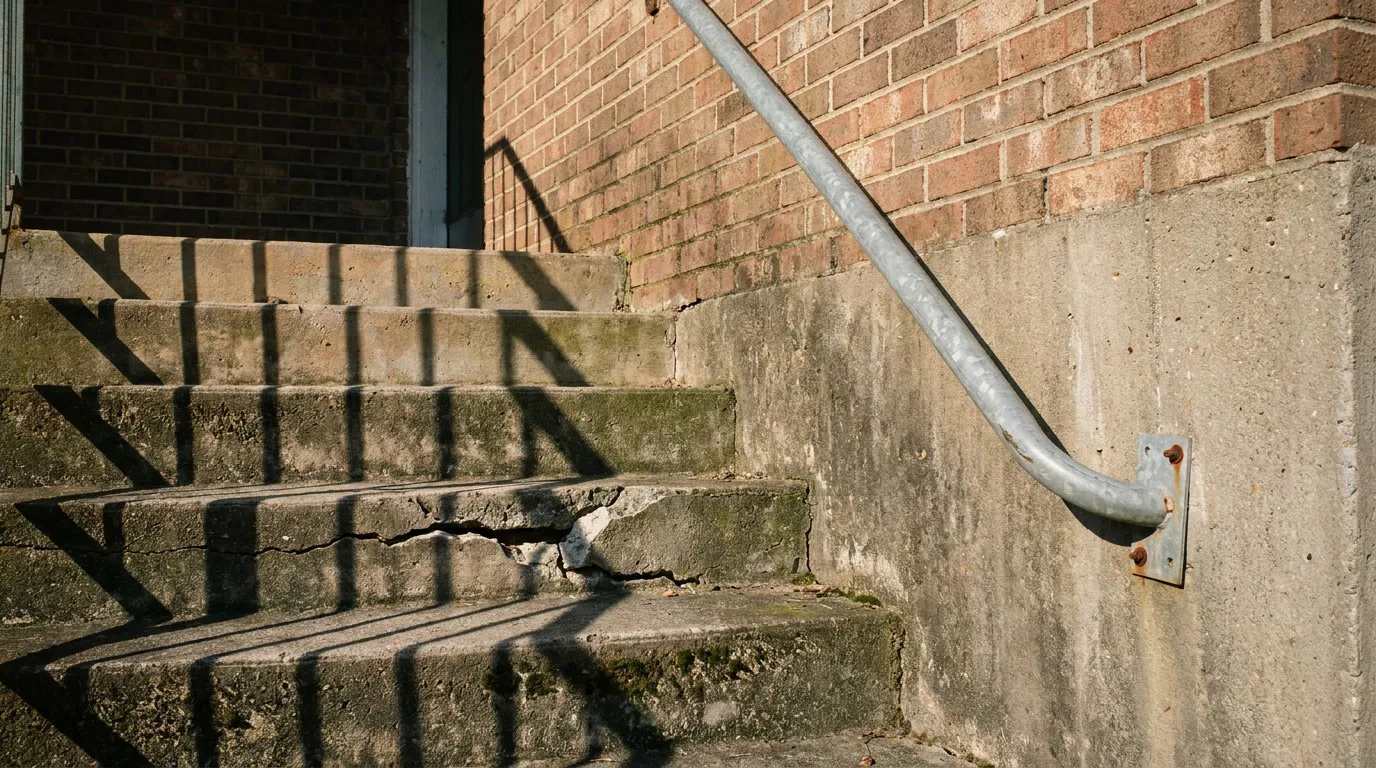
In North Carolina, the landlord, and often the property management company working for the landlord, may be legally responsible when someone is hurt in a fall on broken apartment stairs. State law requires residential landlords to keep common areas, including shared stairways, in safe condition. A landlord who ignores cracked treads, loose railings, or crumbling steps could face a claim for landlord negligence. Who created the hazard, whether the landlord knew or should have known about it, and how the fall happened all affect whether a claim can succeed.
If you or someone you love was hurt in an apartment stair fall, you do not have to handle the legal process alone. At Payne Law Firm, we treat our clients like family and offer personal guidance during a free consultation. Call 704-529-9000 or contact us now to talk about your situation.
Why Stair Falls Are So Dangerous
Stair falls can cause serious, lasting injuries. Falls are among the leading causes of injury-related emergency room visits and hospital stays in the United States, often leading to fractures and traumatic brain injuries. Older adults face a higher risk. Many older North Carolinians live in apartment communities where a stairway may be the only way home, and a small misstep can become a hip fracture or head injury. Stairs are also one of the top causes of slip and falls in the state.
The Landlord’s Legal Duty to Fix Defective Stairs
North Carolina’s Residential Rental Agreements Act gives landlords specific safety duties. Under N.C. Gen. Stat. § 42-42(a)(3), a landlord must "keep all common areas of the premises in safe condition." Shared stairwells, landings, and outside steps at an apartment complex are generally common areas, so defective stairs there usually fall within the landlord’s legal duty.
What Counts as "Premises" Under the Law
The law defines "premises" broadly. Under N.C. Gen. Stat. § 42-40(2), premises means the dwelling unit "and the structure of which it is a part and facilities and appurtenances therein and grounds, areas, and facilities normally held out for the use of residential tenants." This supports treating stairs, walkways, and breezeways as part of what the landlord must keep safe.
The Stair Repair Duty Cannot Be Signed Away
A lease clause generally cannot shift the landlord’s stair repair duty to the tenant. Under North Carolina’s landlord obligations statute, N.C. Gen. Stat. § 42-42(b), a landlord is not released from these duties by "the tenant’s explicit or implicit acceptance" of the landlord’s failure to meet them. The narrow exception is a separate, later written contract in which the tenant agrees to do specific work and receives fair payment or other value beyond the right to rent the unit. The contract cannot be meant to dodge the landlord’s duties.
Facilities, Appliances, and Written Notice
Some repair duties depend on written notice from the tenant. Under N.C. Gen. Stat. § 42-42(a)(4), landlords must keep facilities and appliances they supply in good and safe working order and promptly repair them, "provided that notification of needed repairs is made to the landlord in writing by the tenant, except in emergency situations." The common-area duty in subsection (a)(3) has no written-notice requirement. Still, a negligence claim usually requires showing the landlord knew or should have known about the hazard, and written notice can be strong proof.
💡 Pro Tip: If you notice a loose step or wobbly handrail, report it by email or through the online tenant portal and keep a copy. A dated written record can help show the landlord knew about the hazard.
Who May Be Held Responsible
More than one party may share liability for an apartment complex fall. Under N.C. Gen. Stat. § 42-40(3), "landlord" means "any owner and any rental management company, rental agency, or any other person having the actual or apparent authority of an agent to perform the duties imposed by this Article." In many stair cases, both the owner and an outside management company may carry these duties.
| Potential Party | Why They May Be Responsible |
|---|---|
| Property owner | Has the legal duty to keep common areas safe |
| Management company | Counts as a "landlord" under the law when acting for the owner |
| Rental agency | May share duties if it has actual or apparent authority |
| Another tenant | May be responsible if they created the hazard |
Who created the defect matters. Under N.C. Gen. Stat. § 42-43(a)(1), tenants must cause no unsafe or unsanitary conditions in the common areas and remainder of the premises they use, and under § 42-43(a)(4), they must not deliberately or negligently destroy, deface, damage, or remove any part of the premises. A landlord may argue that the injured tenant, or someone else, caused the damage, so evidence about how and when the stairs broke can be key.
Proving a Tenant Injury Claim
A strong premises liability claim in North Carolina usually rests on several key points. Courts generally look at whether you were lawfully on the property, whether a dangerous condition existed, whether the landlord knew or should have known about it, whether the landlord failed to fix it or warn about it, and whether that failure caused your injuries.
Helpful evidence often includes:
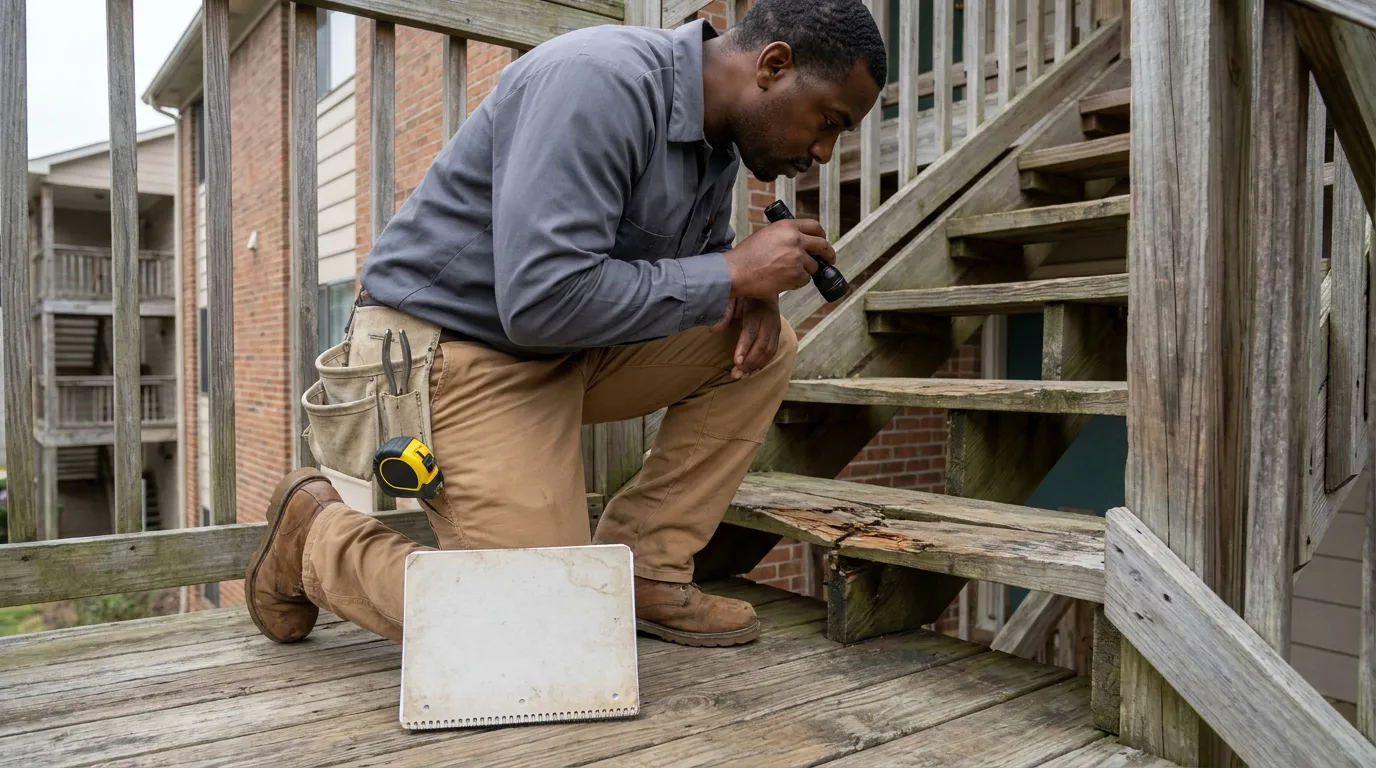
- Photos and video of the broken step, railing, or lighting, taken as soon as possible
- Written repair requests, emails, or portal messages sent to management
- Names and contact information of neighbors who saw the fall or the hazard
- Medical records linking your injuries to the fall
- Records of lost wages and out-of-pocket costs
Damages may include both financial and non-financial losses. Injured tenants and visitors may seek payment for medical bills, future treatment, lost income, and pain and suffering. Because fractures and head injuries can take a long time to heal, recording the full scope of your losses matters.
Defenses Landlords and Insurers Often Raise
The landlord’s insurer may try to blame you. One common argument is contributory negligence. North Carolina is one of the few states that still follows pure contributory negligence, so if you are found even slightly at fault, you may be barred from recovering anything. Limited exceptions apply, such as the last clear chance rule. The insurer may claim you should have watched your step, that the hazard was open and obvious, or that you damaged the stairs yourself.
Who Must Prove Contributory Negligence
The landlord, not you, must prove it. Under N.C. Gen. Stat. § 1-139, "a party asserting the defense of contributory negligence has the burden of proof of such defense." Knowing about a hazard does not automatically make you contributorily negligent. Because the defense depends heavily on the facts, get legal advice before you accept an insurer’s version of events.
💡 Pro Tip: Do not give a recorded statement to the landlord’s insurance company before speaking with a lawyer. Casual comments, such as "I knew that step was bad," may later be used to argue contributory negligence.
Deadlines for Filing a North Carolina Stair Fall Claim
Most personal injury claims in North Carolina must be filed within three years. Under the state’s three-year filing deadline, N.C. Gen. Stat. § 1-52(16), a personal injury claim "shall not accrue until bodily harm to the claimant… becomes apparent or ought reasonably to have become apparent to the claimant, whichever event first occurs." For most stair falls, the injury is obvious right away, so the clock usually starts on the day of the fall.
Exceptions to this timing rule are limited. The same statute says no claim may arise more than 10 years after the defendant’s last act or failure to act that led to the claim. Other rules, such as extra time for minors or special requirements for claims against government bodies, may apply in some cases, but do not assume any extension will apply to you. Waiting can also mean lost evidence, since landlords may repair stairs quickly after a fall.
Frequently Asked Questions
1. Can I still bring a claim if I knew the stairs were broken?
Possibly. The landlord may argue contributory negligence, which can bar recovery entirely if proven. But under N.C. Gen. Stat. § 1-139, the landlord must prove that defense. The outcome depends on the facts of your fall.
2. My lease says I am responsible for repairs. Does that end my claim?
Not necessarily. Under N.C. Gen. Stat. § 42-42(b), a tenant’s acceptance of unsafe conditions generally does not release the landlord from its legal duties. The narrow exception is a separate written contract in which the tenant receives fair value for the work and which is not meant to dodge the landlord’s duties.
3. Can I sue the management company instead of the owner?
You may be able to pursue both. N.C. Gen. Stat. § 42-40(3) includes rental management companies and agents in the definition of "landlord."
4. What if I was a guest, not a tenant?
Guests and other lawful visitors hurt on defective apartment stairs may also have claims. North Carolina generally requires owners to use reasonable care toward lawful visitors, but the analysis can differ from a tenant’s claim, so a review of your case is important.
5. How long do I have to file?
Generally three years from the date the injury became apparent or reasonably should have become apparent under N.C. Gen. Stat. § 1-52(16), which is usually the date of the fall.
Taking the Next Step After an Apartment Stair Fall
North Carolina law gives landlords real duties to keep stairways and other common areas safe. Owners and management companies may be held responsible when broken apartment stairs cause harm, but insurers often try to shift the blame. Strong evidence, quick action, and a clear understanding of your rights can make a real difference. For a closer look at your options, a defective stairs lawyer can help review your claim.
With more than 20 years of service, the team at Payne Law Firm has helped over a thousand injured people and families pursue the compensation they deserved. We treat our clients like family and will explain each step clearly. Call 704-529-9000 or schedule your free consultation today.
Disclaimer: This content is for informational purposes only and is not legal advice. Every case is unique, and results may vary. Consult a lawyer about your specific situation.