
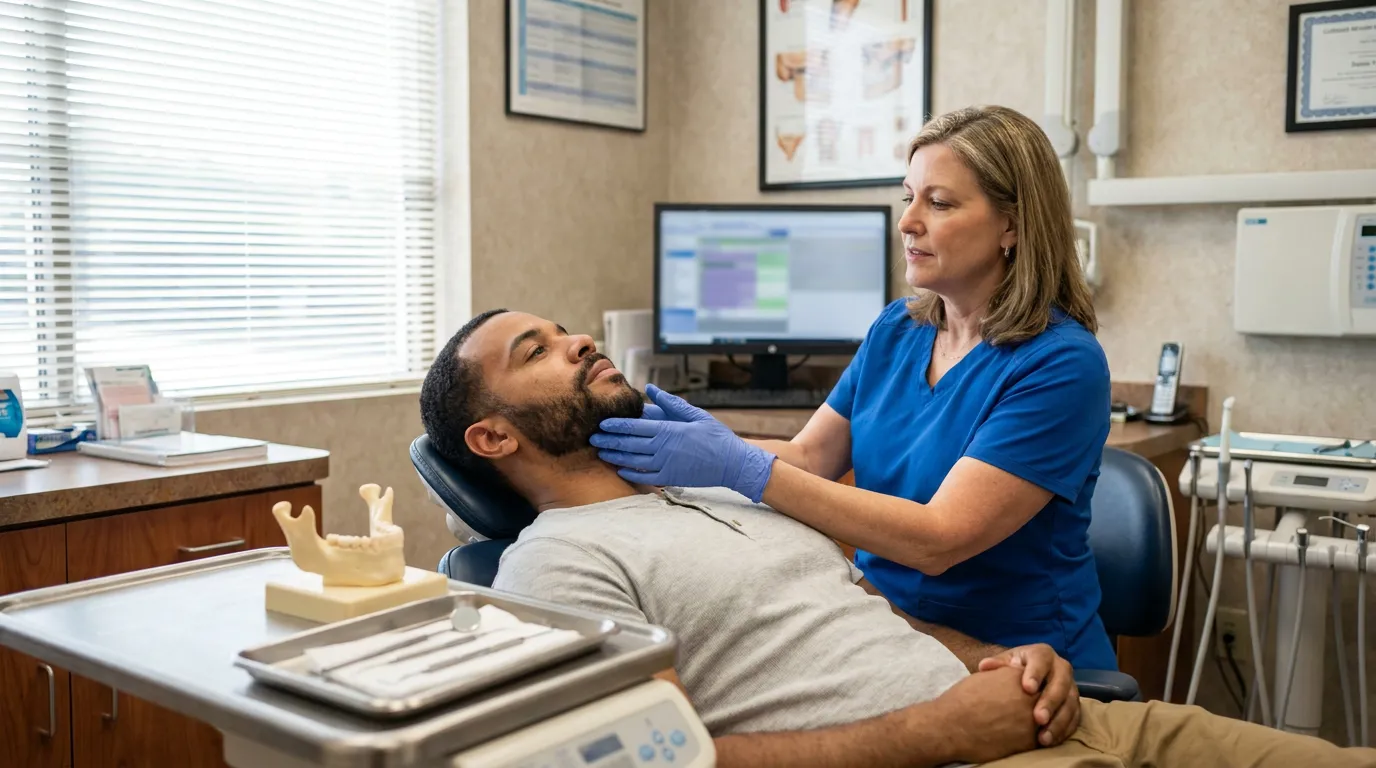
Jaw Pain After a Houston Crash: Understanding Temporomandibular Joint Injuries
Key Takeaways: A TMJ injury after a car accident in Houston can occur when the temporomandibular joints connecting the jaw to the skull are damaged by collision forces, often without any direct impact to the face. Whiplash motion, clenching, or airbag deployment may stretch ligaments, displace the joint’s cartilage disc, and produce clicking, locking, headaches, ear pressure, and difficulty chewing. Because symptoms often appear weeks later, insurers frequently dispute causation, making prompt medical and dental documentation important. Texas negligence claims generally require proof of duty, breach, causation, and damages, and recovery may be reduced, or barred entirely, under the proportionate responsibility rules in Texas Civil Practice and Remedies Code Chapter 33 if the claimant shares fault. Most personal injury suits must be filed within two years under Texas Civil Practice and Remedies Code § 16.003(a), subject to limited tolling doctrines and a narrowly applied discovery rule. Careful records, early treatment, and experienced guidance may strengthen a jaw injury claim, though outcomes always depend on the specific facts.
A TMJ injury after car accident trauma may occur when the temporomandibular joints, the hinges connecting your lower jaw to your skull, are damaged by the sudden forces of a collision. Even without striking the steering wheel, airbag, or window, the whipping motion of a rear-end crash can strain the jaw joint, ligaments, and cartilage disc. Victims often report clicking, popping, locking, facial pain, headaches, ear pressure, or difficulty chewing in the days and weeks afterward. Because these symptoms can mimic ordinary tension or stress, many Houston drivers dismiss them until the condition worsens.
If you are dealing with jaw pain, headaches, or a diagnosed jaw joint injury after a wreck in Harris County, the compassionate team at Payne Law Firm is ready to listen. Schedule your free consultation to discuss your options.

How a Collision Damages the Temporomandibular Joint
The temporomandibular joint is one of the most complex joints in the body, vulnerable to the rapid acceleration and deceleration forces common in Houston traffic. When a vehicle is struck, the head and neck snap forward and back, and the mandible can move independently of the skull. That misalignment may stretch ligaments, displace the articular disc, or bruise the joint capsule.
Direct impact is not always required for a temporomandibular joint injury Houston crash victims experience. Many patients with a diagnosed disorder never hit their face on anything. Clenching during impact, airbag deployment near the chin, and cervical spine strain can all contribute to what physicians call TMD, or temporomandibular disorder. Whether a particular crash caused a particular patient’s TMD is generally established through qualified expert testimony.
Common Symptoms Reported After a Wreck
- Clicking, popping, or grating sounds when opening or closing the mouth
- Jaw locking, limited range of motion, or a shifted-feeling bite
- Persistent headaches, temple pain, or pain radiating into the neck and shoulders
- Ear-related complaints such as fullness, ringing, or muffled hearing
- Facial tenderness, difficulty chewing, and unexplained tooth pain
Why Diagnosis Is Often Delayed
A TMJ diagnosis after crash events frequently comes weeks later, after more obvious injuries have been treated. Emergency departments prioritize fractures, internal bleeding, and head trauma, so jaw symptoms may not surface until swelling subsides or the patient tries to eat normally again.
This delay can create a practical problem in the claims process. Insurance adjusters often argue that a gap between the collision and the first complaint of jaw pain means the condition came from something else. A treatment gap is an evidentiary argument rather than a legal bar, but prompt documentation may help counter it, which is why understanding how soon to seek medical treatment can matter as much as the treatment itself.
💡 Pro Tip: Tell every provider, including your dentist, that you were in a collision. A dental chart note connecting bite changes to a specific crash date can become meaningful evidence later.
Proving Fault and Damages in a TMJ Injury After Car Accident Claim
Texas negligence claims generally require the injured party to establish duty, breach, causation, and damages. TexasLawHelp.org outlines these as the foundation of a typical personal injury case, though other theories may apply. Causation is often the contested element in a jaw injury claim Houston residents pursue, since the defense may point to pre-existing dental conditions, bruxism, or arthritis. A pre-existing condition doesn’t necessarily defeat a claim, Texas law generally allows recovery for aggravation of a prior condition, but damages attributable to the crash must still be separated out and proved.
Texas also applies proportionate responsibility, a modified comparative fault framework set out in Texas Civil Practice and Remedies Code Chapter 33. A claimant’s recovery is reduced by their own percentage of responsibility, and a claimant more than fifty percent responsible is barred from recovering damages. Responsibility may also be allocated among multiple defendants and designated responsible third parties, so preserving evidence of how the collision occurred is important from the outset.
Medical documentation typically carries significant weight in a car accident jaw disorder case. Records may include panoramic dental imaging, MRI of the joint, range-of-motion measurements, splint therapy notes, and referrals to oral and maxillofacial providers. Outcomes always depend on the specific facts, and no attorney can promise a particular result.
| Evidence Type | Why It May Matter |
|---|---|
| Crash reports and scene photos | Help establish how the impact occurred and which forces reached the head |
| Emergency and urgent care records | Document the earliest complaints and mechanism of injury |
| Dental and oral surgery records | Connect bite changes or joint damage to the collision date |
| Imaging studies | May show disc displacement, effusion, or degenerative change |
| Wage and employment records | Support lost income where chronic pain limits work |
Practical Steps After a Jaw Joint Injury Car Accident
Acting methodically in the first weeks may help protect both your health and your legal position. Symptoms that seem minor can develop into chronic conditions requiring splints, physical therapy, injections, or in some cases surgery.
Building a Record That Holds Up
Consistency between what you tell providers and what appears in your records generally strengthens a claim. Keep a simple symptom journal noting pain levels, foods you can no longer eat, and nights of interrupted sleep. Save every bill, referral, and appointment summary.
Be cautious about recorded statements to the other driver’s insurer. You are generally not required to give one, and early statements minimizing jaw pain, made before a diagnosis exists, are frequently used later to dispute causation. Your own policy, by contrast, may contain cooperation duties. A Houston car accident injury attorney can handle those communications on your behalf.
Frequently Asked Questions
1. Can I still file if my jaw pain started months after the crash?
Possibly, but the two-year deadline under § 16.003(a) generally runs from the date the cause of action accrues, which in most collision cases is the crash date. The discovery rule may defer accrual in limited circumstances, though Texas courts construe it narrowly and delayed symptoms alone usually don’t trigger it. Speaking with counsel promptly is often the safest course.
2. Is TMJ considered a serious injury in a Texas claim?
Texas does not use a “serious injury” threshold for ordinary auto claims, so courts and insurers generally evaluate severity based on medical evidence rather than labels. Chronic TMD can involve ongoing treatment, dietary limitations, and interference with work, all of which may support compensable damages depending on the facts and proof offered.
3. What if I was partly at fault for the collision?
Under Texas proportionate responsibility rules, recovery is reduced by your percentage of responsibility. A claimant more than fifty percent responsible is barred from recovering. Fault allocation is fact-intensive, decided by the finder of fact, and often disputed.
4. Will my dental records be used in my case?
In many cases, yes. Dental imaging and treatment notes may help establish that the joint damage is connected to the collision rather than a pre-existing condition, and filing suit over a physical condition generally places relevant records at issue in discovery.
5. Do I need a lawyer for a jaw injury claim?
No law requires representation, but causation disputes in TMJ cases can be technical and often turn on expert medical testimony. A free consultation costs nothing and can help you understand the timelines and evidence involved.
Protecting Your Health and Your Options
A TMJ injury after car accident trauma may deserve the same seriousness as any orthopedic injury, even though it is often overlooked. Texas law generally provides a two-year window for most personal injury suits, tolling and discovery exceptions are narrow, and insurers tend to challenge delayed-onset jaw complaints aggressively. Careful documentation, prompt medical care, and informed guidance can make a meaningful difference, though every outcome depends on the individual facts.
If jaw pain, headaches, or clicking began after a collision, the team at Payne Law Firm would be honored to hear your story. Reach out today for a free, no-pressure consultation with people who will treat you like family.
Disclaimer: This content is for informational purposes only and is not legal advice. Every case is unique, and results may vary. Consult an attorney about your specific circumstances.