

Protecting Disability Benefits When Your Injury Case Resolves
Key Takeaways: A severe injury settlement paid directly to you can push your countable resources above the $2,000 SSI limit, which can suspend or end your SSI and put the tied Medicaid coverage at risk. If the money goes into a properly drafted special needs trust instead, it generally won’t count as your resource, and the trustee can use it to add to what public benefits provide. First-party (d)(4)(A) trusts and pooled (d)(4)(C) trusts are the main options for injury settlements. Both generally must repay Medicaid from funds left at the beneficiary’s death, although a pooled trust may keep some funds. In North Carolina, if a pooled trust will be funded with lawsuit proceeds, DHHS recovery rights must be fully paid before the trust is signed and approved by a court. Planning can start before SSI is approved, and existing trusts can sometimes be moved into a new special needs trust. The most common mistake is taking the settlement first and planning afterward.
A settlement after a severe injury can push you over the $2,000 SSI resource limit and end your benefits. This happens when the money is paid straight to you and kept in your name. Under federal Supplemental Security Income rules (20 C.F.R. § 416.1205), a person generally may hold no more than $2,000 in countable resources ($3,000 for a couple). A lump-sum settlement can go well past that limit in a single day. A properly drafted special needs trust may let you keep the money you fought for while you stay eligible for SSI and Medicaid.
If you or someone you love faces this decision, Payne Law Firm can help you understand your options before any settlement money changes hands. Call 704-529-9000 or contact us now for a free consultation. We treat our clients like family.
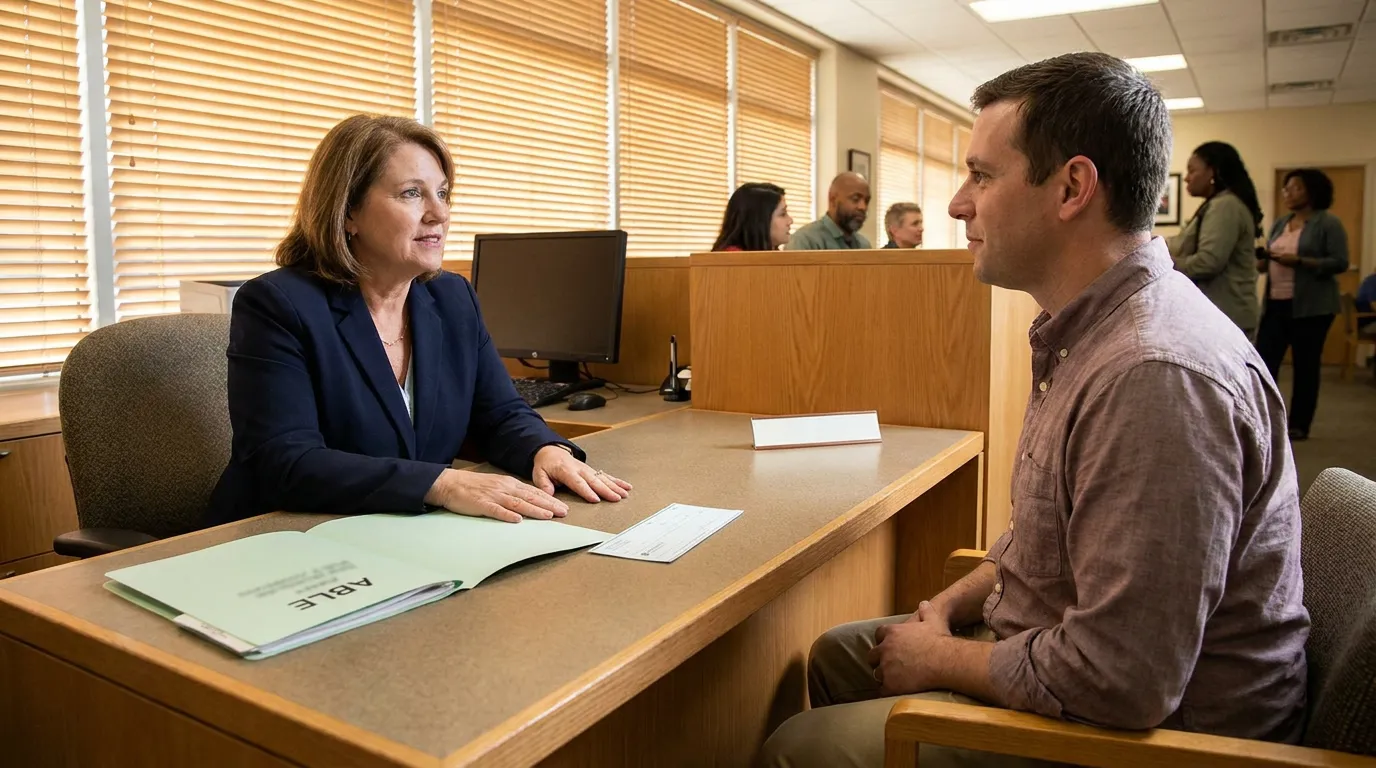
Why a Lump-Sum Payment Can Put SSI at Risk
SSI is based on financial need, so what you own and what you receive affect whether you qualify. SSA generally counts settlement money paid to you as income in the month you receive it, except for excluded parts, such as amounts for medical bills or to repair or replace lost or damaged property. Whatever is left in later months generally counts as a resource. If your countable resources are above $2,000 on the first day of a month, SSI is not payable for that month. After 12 months in a row of suspension, SSI eligibility ends and you must reapply.
This risk is especially serious for people with catastrophic injuries. A spinal cord injury, traumatic brain injury, amputation, or severe burn often means a lifetime of medical care. In North Carolina, people who receive SSI generally qualify for Medicaid. Losing SSI can cut off the coverage that pays for therapies, equipment, and in-home help, unless you qualify for Medicaid another way.
What Often Happens Without Planning
Many injured people learn about the resource limit only after the settlement check arrives. By then, they may have fewer choices. Spending the money fast to get under the limit can create other problems, and giving assets away or selling them for less than they are worth can lead to transfer penalties. Planning before the case resolves generally gives families more options.
How a Special Needs Trust Settlement Preserves Eligibility
A special needs trust settlement puts your recovery into a trust instead of paying it to you, so the funds generally do not count as your resources. Under N.C. Gen. Stat. § 36C-8B-13(a)(4), a "special-needs trust" is a trust that the trustee believes would not count as a resource when deciding whether a beneficiary with a disability qualifies for government benefits. The trustee can then use the money to add to, not replace, what public programs provide.
The trust generally works only if it is drafted and managed correctly. A trust that fails to meet federal and state rules may still count as a resource, causing the same loss of SSI the family was trying to avoid. Cash paid to the beneficiary, and payments for food or shelter, can reduce SSI benefits, so the trustee should understand the program rules.
Who Counts as a "Beneficiary With a Disability"
North Carolina defines this term broadly, so planning can start before SSI is approved. Under N.C. Gen. Stat. § 36C-8B-13(a)(1), a beneficiary with a disability includes someone who receives government benefits based on disability, or who may qualify now or later, even if they do not receive them yet. It also includes anyone a court has found incompetent.
💡 Pro Tip: If your SSI or Medicaid application is still pending while your injury claim moves forward, tell your legal team. You may still need settlement planning before benefits are approved.
Comparing First-Party, Pooled, and Third-Party Trusts
The type of trust you use decides who funds it and whether Medicaid must be repaid later. Injury settlements belong to the injured person, so they generally go into first-party trusts. The table below shows how the options compare with third-party trusts.
| Trust Type | Funded By | Medicaid Payback? | Common Use |
|---|---|---|---|
| First-party (d)(4)(A) trust | The beneficiary’s own assets | Yes, required by federal law | Personal injury settlements |
| Pooled (d)(4)(C) trust | The beneficiary’s own assets, held in a subaccount run by a nonprofit | Yes, to the extent the nonprofit doesn’t keep the remaining subaccount funds | Settlements, especially smaller ones |
| Third-party trust | Family members or others | Generally no | Inheritances and gifts |
The (d)(4)(A) First-Party Trust
A first-party special needs trust under 42 U.S.C. § 1396p(d)(4)(A) can generally hold settlement money for the injured person without counting against the SSI resource limit, if it meets the legal rules. Federal law requires that the beneficiary be disabled and under age 65 when the trust is set up. The beneficiary, a parent, grandparent, legal guardian, or a court can set it up. The trust must also repay the state, from funds left after the beneficiary dies, up to the total Medicaid benefits paid for that person.
The (d)(4)(C) Pooled Trust
A pooled trust combines many beneficiaries’ funds for investment while keeping a separate subaccount for each person. Nonprofit groups run pooled trusts. Under federal Medicaid law they have no under-65 age limit. In North Carolina, adding funds to a pooled trust after age 65 used to trigger a Medicaid transfer-of-assets penalty, but under Session Law 2025-24 (Senate Bill 344), which became effective June 26, 2025 (the date it was signed into law), such transfers are now treated as made for fair market value and are not evaluated as a disqualifying transfer, provided the individual demonstrates the funds will be used by the trust within their life expectancy to provide goods and services of equivalent value. Under N.C. Gen. Stat. § 36D-12, a beneficiary’s subaccount in a North Carolina Medicaid pooled trust cannot be revoked. When the beneficiary dies or the trust ends, the State is paid from what remains in the subaccount, up to the total Medicaid benefits paid, to the extent the trust does not keep those funds.
Settlement Planning Steps That Affect Timing
The order of steps can matter as much as the trust itself. Under N.C. Gen. Stat. § 36D-12, if a pooled trust will be funded with money from a lawsuit against a third party, the settlement is subject to the NC Department of Health and Human Services’ recovery rights under N.C. Gen. Stat. § 108A-57. Those rights must be fully paid before the trust is signed and approved by a court. Under § 108A-57, Medicaid recovery from a personal injury settlement is generally limited to the medical bills Medicaid paid and to no more than one-third of the gross recovery.
Because of these rules, families often benefit from handling several issues before the case closes:
- Finding any Medicaid liens and other repayment claims tied to the injury
- Choosing the right trust type based on age, settlement size, and long-term care needs
- Getting court approval when the law requires it
- Choosing a trustee who understands SSI and Medicaid payment rules
- Making sure settlement funds go straight into the trust, not into a personal account
Settlement planning also ties directly to the value of the injury claim. A complete life-care plan, medical evidence, and proof of lost earning capacity help show what the injured person will need for life. A strong recovery paired with a sound trust may help families pay for care that public benefits do not cover, such as home changes, assistive devices, and extra therapy.
When an Existing Trust Needs to Change
North Carolina allows some trusts to be updated so they better protect a beneficiary with a disability. Under N.C. Gen. Stat. § 36C-8B-13(b), a special-needs fiduciary may "decant," or move, the principal of an existing trust into a new special needs trust. The new trust must benefit that person, and the fiduciary must decide the move will further the purposes of the original trust. You can read the full North Carolina decanting statute on the General Assembly website.
Decanting does not automatically trigger Medicaid payback. Under N.C. Gen. Stat. § 36C-8B-13(d), moving assets into the new trust does not count as ending the original trust for payback purposes, but only if the new trust has a payback provision that meets 42 U.S.C. § 1396p(d)(4).
Common Mistakes That Can Cost Families Benefits
The most common mistake is taking the settlement first and planning afterward. Other problems include naming a trustee whose payments reduce SSI, leaving out required payback language, and failing to report the settlement and the trust to the Social Security Administration on time.
Results depend on the facts of each case. Your age, the size of the recovery, existing liens, and the benefits you receive all affect which approach fits best. A special needs trust settlement lawyer can help you plan the injury claim and the benefits together from the start.
Frequently Asked Questions
1. Will my injury settlement automatically end my SSI?
Not always. If the money is paid to you and kept in your name, it may push you over the $2,000 limit and suspend your SSI. Placing the funds in a properly set up special needs trust generally keeps them from counting.
2. Do I have to repay Medicaid from my trust?
First-party trusts generally must repay the state for Medicaid benefits from funds left after the beneficiary dies. Pooled trusts must repay the state from remaining subaccount funds the trust does not keep. In both cases, payback is limited to the total Medicaid benefits paid for that person.
3. Can I set up a trust before my SSI application is approved?
In many cases, yes. Under N.C. Gen. Stat. § 36C-8B-13(a)(1), a beneficiary with a disability includes someone who may qualify for disability-based benefits in the future. Federal trust rules, such as the disability and under-65 rules for (d)(4)(A) trusts, still apply.
4. Can trust money pay for anything I want?
Trust funds are meant to add to government benefits. Some payments, especially cash or payments for food or shelter, may reduce SSI, so the trustee should check the rules first.
5. Does a Medicaid lien need to be resolved before funding a pooled trust?
Generally, yes. N.C. Gen. Stat. § 36D-12 requires that DHHS recovery rights under N.C. Gen. Stat. § 108A-57 be fully paid before a pooled trust funded with lawsuit proceeds is signed and approved by a court.
Moving Forward After a Severe Injury
A settlement should help you, not take away the benefits you rely on. With careful planning, a special needs trust settlement may protect your SSI, keep your Medicaid coverage, and pay for the extra care a catastrophic injury requires. Liens, payback rules, and court approval steps make timing important, so plan before your case resolves. You can find more guidance on protecting your injury settlement in our other articles.
With more than 20 years of service and over a thousand injured people and families helped, Payne Law Firm offers personal support during one of the hardest times in your life. Call 704-529-9000 or schedule your free consultation today. We treat our clients like family.
Disclaimer: This content is for informational purposes only and is not legal advice. Every case is unique, and results may vary. Consult an attorney about your specific circumstances.