
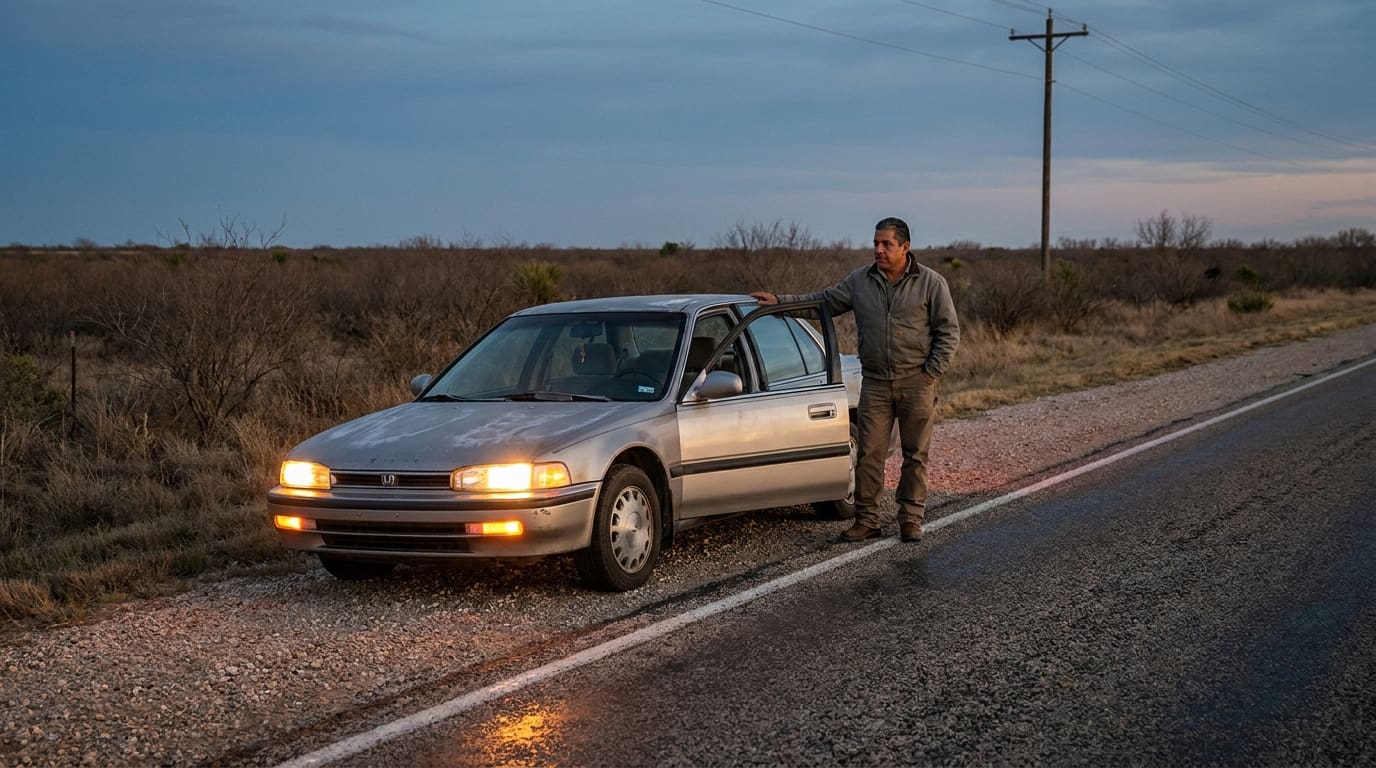
What to Do After a Car Accident in Houston: Your Legal Duties at the Scene
Key Takeaways: Texas law requires every driver involved in a crash to stop, exchange information, and render reasonable aid, regardless of fault. Failing to remain at the scene can lead to criminal charges ranging from a Class C misdemeanor to a second-degree felony. Under Texas Transportation Code §550.021, §550.022, and §550.023, drivers must stay until all statutory duties are fulfilled. Moving vehicles to a safe location is required on metropolitan freeways when possible, but leaving entirely may expose you to hit-and-run liability.
If you have been hurt in a Houston car accident, the steps you take at the scene can shape your entire case. Texas duty-to-stop laws impose specific obligations on every driver, and violating them carries serious consequences. Whether you suffered a minor fender-bender on I-610 or a severe crash on Highway 59, knowing what the law requires helps you protect yourself, preserve evidence, and position your claim for fair compensation.
If you were injured in a crash and need guidance, Payne Law Firm is here to help. Call 713-223-5100 for a free consultation or reach out to our team online today.
Texas Duty to Stop After a Crash: What the Law Actually Requires
Every driver involved in a Texas collision must stop immediately, regardless of fault. Under Texas Transportation Code §550.021, an operator involved in an accident resulting or reasonably likely to result in injury or death must immediately stop at the scene, determine whether any person requires aid, and remain until complying with information-exchange and aid duties outlined in §550.023. Section §550.022 imposes a parallel duty when a collision results only in damage to an attended vehicle.
The duty to stop applies even when you believe the other driver caused the wreck. Many assume that if someone else ran a red light or rear-ended them, they can simply drive away. That assumption is wrong. Leaving the scene can expose you to criminal charges for failure to stop and give information. Staying protects your credibility, your claim, and your freedom.
💡 Pro Tip: Photograph the scene, vehicle positions, license plates, and visible injuries before anything is moved. This evidence becomes critical if the other driver disputes what happened.
Exchanging Information After a Crash in Texas
What You Must Share With the Other Driver
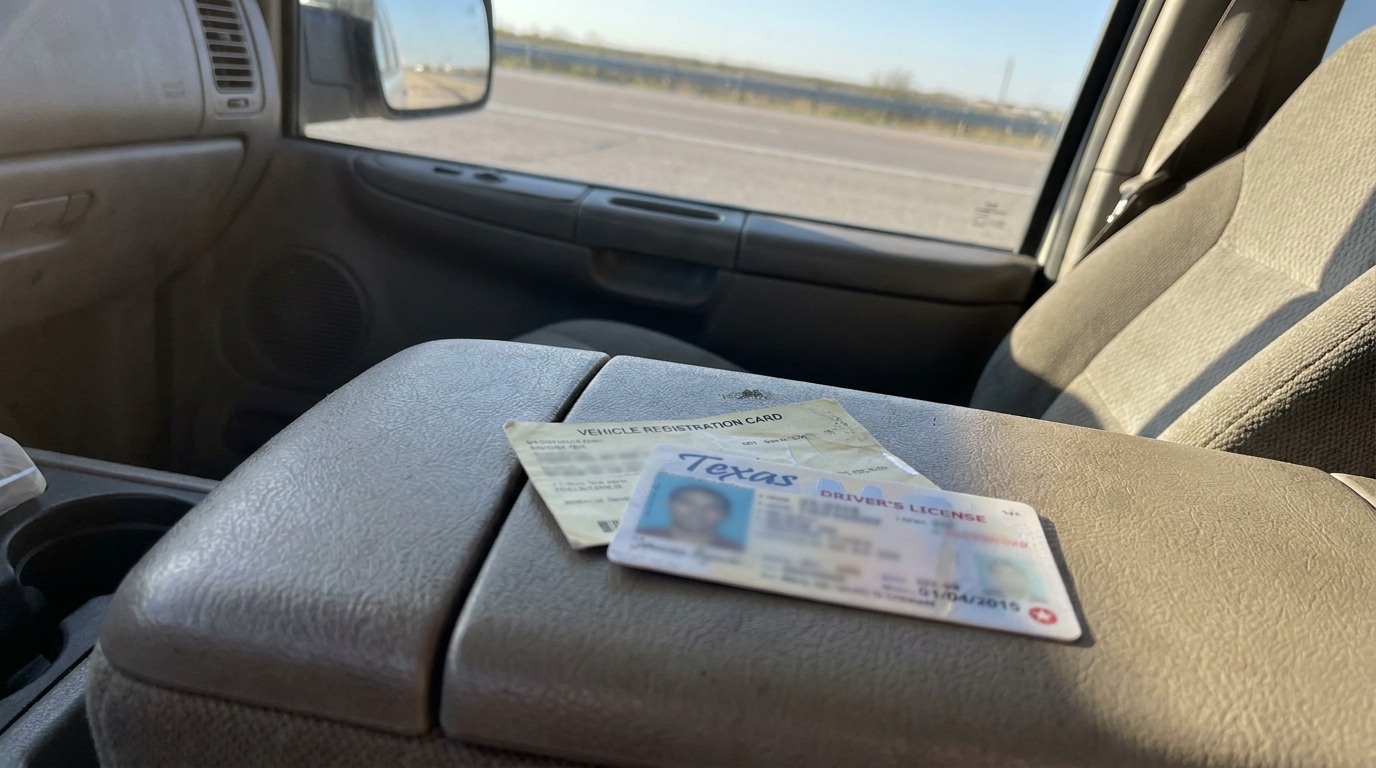
Texas Transportation Code §550.023 requires drivers to exchange specific information at the crash scene. You must provide your name, address, vehicle registration number, and the name of your motor vehicle liability insurer. You must also show your driver’s license if requested and available. The other driver owes you the same information. Write everything down or photograph it.
The Texas Department of Insurance recommends collecting additional contact details. TDI advises getting the other driver’s phone number and license plate number along with the exact name, phone number, and policy number of their insurance company. Having complete records strengthens your position when filing a Harris County accident claim.
| Required Information | Why It Matters |
|---|---|
| Name and address | Identifies the other party for legal and insurance purposes |
| Vehicle registration number | Links the vehicle to its registered owner |
| Name of motor vehicle liability insurer | Enables you to file a third-party claim for damages |
| Driver’s license (shown if requested and available) | Confirms identity and driving privileges |
| Phone number (recommended by TDI) | Allows follow-up communication if details are incomplete |
What If the Other Driver Refuses to Share?
If the other driver will not cooperate, do not escalate the situation. Document their license plate, vehicle make and model, and physical description. Call the police so the responding officer can obtain the information through official channels. A police report creates an independent record that can support your claim.
💡 Pro Tip: Keep a notepad and pen in your glove box. In the stress of a crash, having something physical to write on prevents you from relying on a cracked phone screen or shaky memory.
Your Duty to Render Aid at a Houston Crash Scene
Texas Transportation Code §550.023 requires you to provide reasonable assistance to anyone injured in the collision. This includes arranging transportation to a physician or hospital if treatment is apparently necessary or requested. At a minimum, calling 911 satisfies this duty. You are generally protected by Texas Good Samaritan laws from civil liability for emergency care rendered in good faith, as long as you act without expecting compensation and are not grossly negligent.
Failing to render aid can elevate the legal consequences you face. If you leave the scene where someone suffered serious bodily injury, prosecutors can charge you with a third-degree felony. If a death resulted, the charge rises to a second-degree felony. Even for non-serious injuries, the offense is punishable by up to five years in state prison or one year in county jail, plus fines up to $5,000.
💡 Pro Tip: When calling 911, clearly state the location, number of vehicles involved, and whether anyone appears injured.
When to Call the Police After a Crash in Houston
Texas Transportation Code §550.026 requires drivers to immediately report an accident to law enforcement if there is any injury or death, or if a vehicle is damaged to the extent that it cannot be normally and safely driven. The $1,000 property damage threshold applies to written accident reports filed under §550.061 and §550.062, not to the immediate law-enforcement-notification duty under §550.026. Even when not strictly required, requesting a police response creates an official record that documents fault indicators, witness statements, and scene conditions. For anyone pursuing a personal injury claim in Harris County, a police report serves as powerful evidence.
You should always call the police if the other driver seems impaired, aggressive, or uncooperative. Officers can administer field sobriety tests, document erratic behavior, and ensure both parties fulfill their duty-to-stop obligations. Do not let the other driver talk you out of calling.
Property Damage and Striking Unattended Structures
Hitting a Fence, Mailbox, or Landscaping
Texas Transportation Code §550.025 imposes a separate duty when a driver strikes a fixture, structure, or landscaping legally on or adjacent to a highway. The driver must take reasonable steps to locate and notify the owner, providing their name, address, and vehicle registration number. If requested, the driver must also show their driver’s license if available.
The penalties for violating Section 550.025 depend on the dollar amount of damage. If total damage is less than $200, the offense is a Class C misdemeanor. If damage reaches $200 or more, the charge increases to a Class B misdemeanor.
Moving Vehicles to a Safe Location
If the collision occurs on a freeway main lane, ramp, shoulder, median, or adjacent area in a metropolitan area and each vehicle can still be normally and safely driven, Texas Transportation Code §550.022(b) requires each operator to move to a designated collision investigation site, the frontage road, the nearest suitable cross street, or another suitable location. Remaining in a travel lane on a busy Houston highway creates additional danger. However, you must still stay until you complete all statutory duties, including exchanging information and rendering aid.
💡 Pro Tip: Before moving your vehicle, take quick photos or video showing vehicle positions, skid marks, debris, and traffic signals. Once vehicles move, that evidence disappears.
What to Do After a Car Accident in Houston to Protect Your Claim
The steps you take at the crash scene directly affect the strength of your personal injury case. Beyond fulfilling legal duties, document everything: photos of damage, photos of the intersection, screenshots of weather conditions, and contact information for witnesses. Avoid making statements about fault to the other driver or their insurance company.
Texas law requires minimum liability coverage of 30/60/25, meaning every lawfully insured driver must carry at least $30,000 per person and $60,000 per accident for bodily injury liability, plus $25,000 for property damage liability. Confirm that the other driver provides valid insurance information at the scene. If their coverage is minimal, your own underinsured or uninsured motorist policy may fill the gap. An experienced Houston car accident lawyer can evaluate all available sources of recovery.
For a detailed breakdown of each step, read our guide on what to do immediately after a crash.
💡 Pro Tip: Do not post about the accident on social media. Insurance adjusters routinely monitor claimants’ online activity.
Frequently Asked Questions
1. Can I leave the scene if the accident was clearly the other driver’s fault?
No. Texas duty-to-stop laws apply to every driver involved in a collision, regardless of fault. Leaving can result in criminal charges and may damage your ability to recover compensation.
2. What happens if I leave the scene of a property-only accident in Texas?
Leaving a property-only crash without stopping and exchanging information can result in charges under Texas Transportation Code §550.022. For damage under $200, the offense is a Class C misdemeanor; for $200 or more, it is a Class B misdemeanor.
3. Do I have to call 911 after every car accident in Houston?
Texas requires immediate reporting to law enforcement when there is any injury or death, or when a vehicle is damaged to the extent it cannot be normally and safely driven. The $1,000 threshold applies to written reports filed under §550.061 and §550.062. Even when not required, calling the police creates an official record that can strengthen your claim.
4. What information am I legally required to exchange with the other driver?
Under Texas Transportation Code §550.023, you must provide your name, address, vehicle registration number, and the name of your motor vehicle liability insurer. You must also show your driver’s license if requested and available.
5. Am I protected if I try to help an injured person at the scene?
Generally, yes. Texas Good Samaritan laws protect individuals who render emergency care in good faith without expecting compensation, provided they are not grossly negligent. Your primary obligation is to call 911 and arrange transportation to a medical facility if needed.
Standing Up for Injured Houstonians When It Matters Most
Knowing what Texas law requires at the crash scene empowers you to protect your health, your rights, and your future claim. Stopping, exchanging information, rendering aid, and calling the police lay the groundwork for everything that follows. If the other driver violated these duties, or if you are unsure whether your actions could affect your case, getting legal guidance early can make a meaningful difference. Attorney Jason Payne built his practice around helping injured Houstonians feel heard, informed, and respected. With over 20 years of service and a proven track record, Payne Law Firm treats every client like family.
Call 713-223-5100 for a free consultation, or contact us today to discuss your case with a team that truly cares about your recovery.