
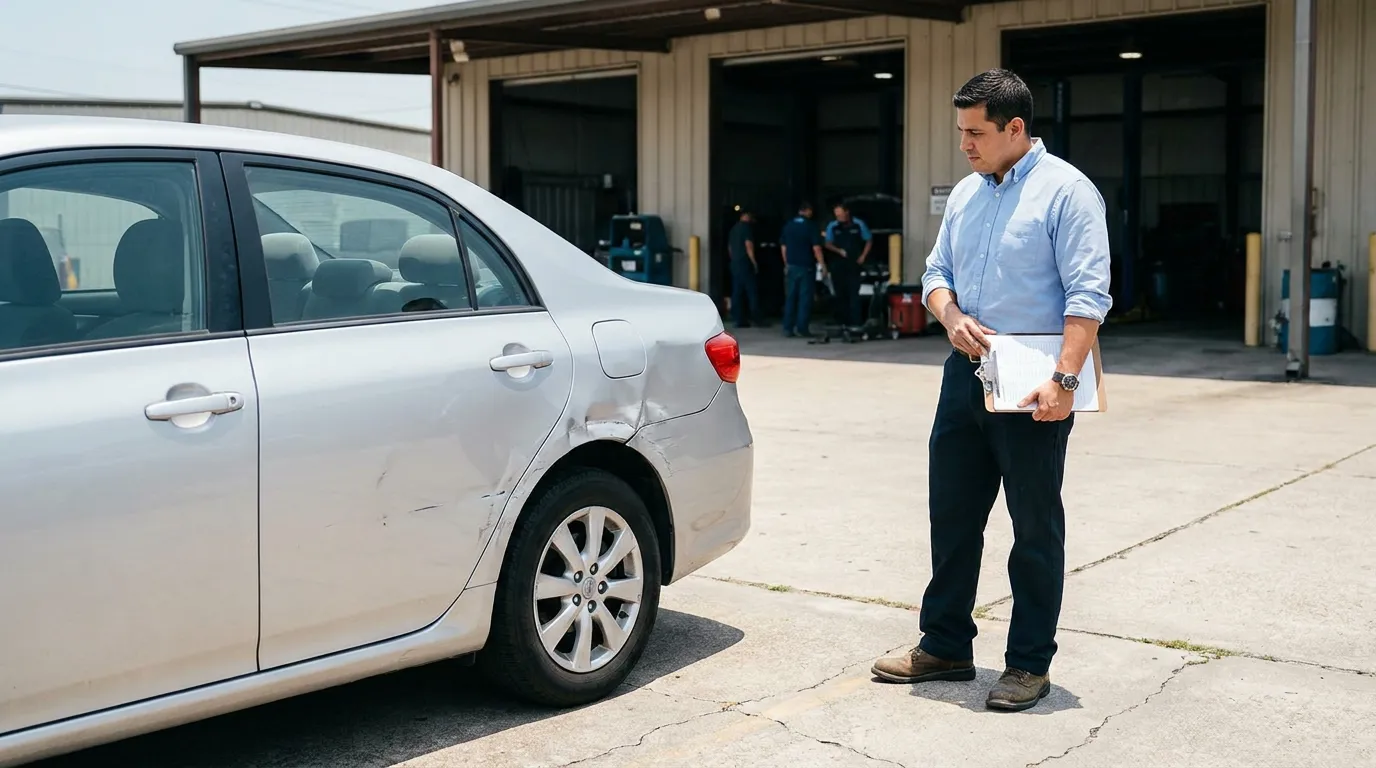
After a body shop restores your vehicle, the market often remembers the wreck. The gap between pre-crash value and post-repair value is called diminished value, and insurers frequently estimate it using the 17c formula. Understanding the 17c formula matters because the adjuster’s number is an estimating tool, not the legal measure of your damages.
If a crash left you with a repaired vehicle and shrinking resale value, a Houston car crash lawyer can go over the insurer’s numbers with you before you accept them.
Why a Repaired Car Can Be Worth Less
Picture two cars of the same make, model, year and mileage, side by side on a lot. One has a crash in its past and one does not. Most shoppers will pay more for the clean one, and many will not consider the other at all. Vehicle history reports make that past easy to find, and dealers quote trade-ins knowing the next buyer will read the same report.
Buyers also worry about what they cannot see. Even after careful work, they may wonder about the frame, replaced panels, safety systems, or paint that does not quite match. That doubt has a price. It shows up in the offers an owner gets when it is time to sell or trade, not in anything the body shop bills.
Two Kinds of Lost Value
People who work with these claims often split the loss into two parts. The first is the stigma that follows almost any reported accident, even when the repairs are flawless. The second is the added loss when the repairs fall short, such as mismatched paint, panels with uneven gaps, or parts that do not fit the way they should. The first comes with the crash itself; the second depends on the shop and can sometimes be fixed by redoing the work.
Diminished Value Is Not the Repair Bill
The repair payment covers parts and labor to put the car back on the road. Diminished value is a separate loss: the drop in market value that is still there once the work is done. A car can look and drive just as it did before the crash and still be worth less to the next buyer. Owners who focus only on the repair check can leave that part of the loss on the table. It is one of several pieces that shape the factors behind a car accident settlement.
Why Insurers Reach for a Formula
Measuring lost market value takes time. It means studying the car, the repairs and the local market. A formula skips most of that and gives an adjuster a quick, repeatable number for the file. Speed is the appeal, but a number built that way reflects the formula’s inputs more than the car in front of you.
Fault and Deadlines Still Apply
A diminished value claim is part of the larger property damage claim, so the same ground rules reach it.
- Fault: your own share of the blame, if any, can reduce the recovery or block it.
- Deadlines: generally two years against an at-fault driver and four years for contractual claims.
Our guide to the fault-sharing rule for crash claims explains how a share of blame changes the math.
Deadlines are easy to lose track of while a car is in the shop. We cover the time limit for filing a crash lawsuit in a separate post.
How the 17c Formula Works
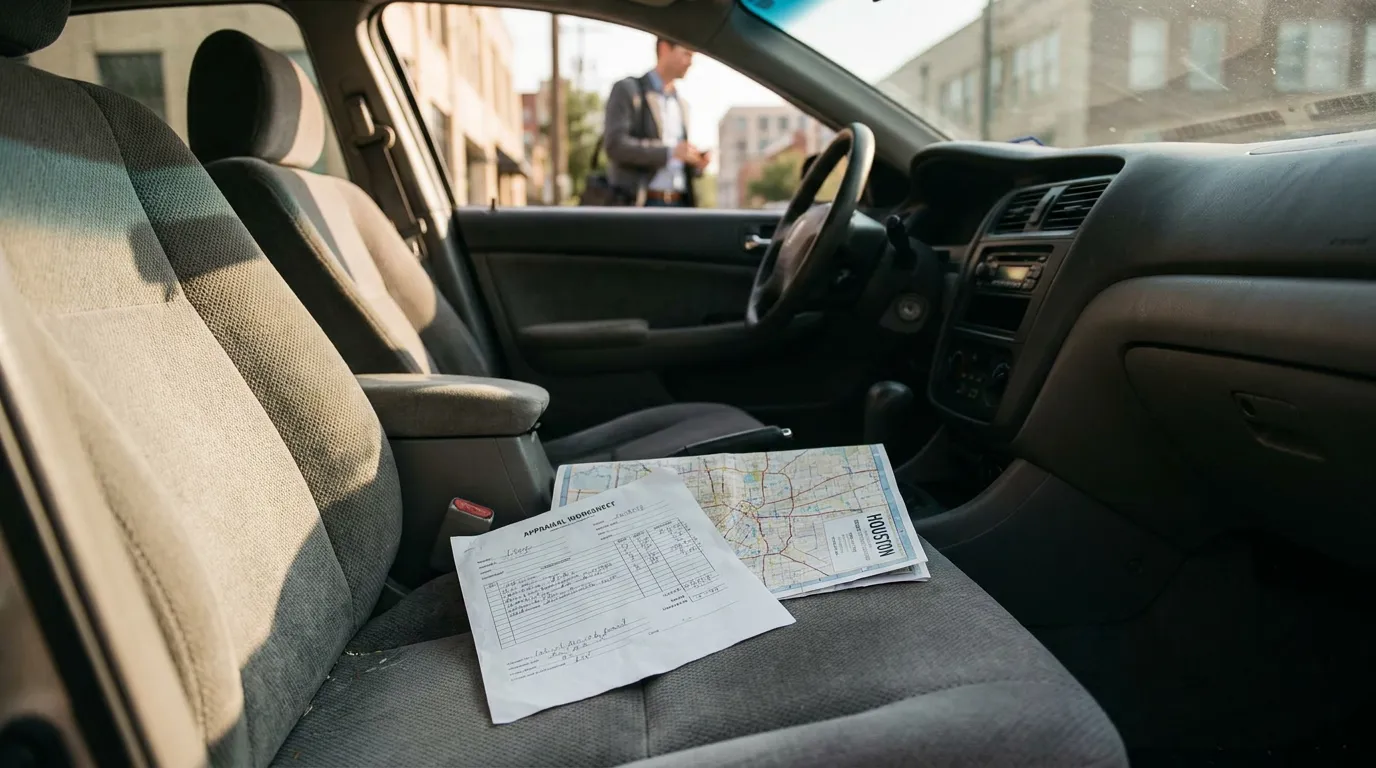
The 17c formula is an insurance industry method for estimating post-repair value loss, not a rule written into Texas statutes. It starts with a base value, applies a cap (commonly 10%), then reduces that figure using modifiers for damage severity and vehicle mileage. The result is a single number an adjuster may present as the full extent of your value loss.
Because the formula caps the starting point and then discounts it twice, the 17c calculation frequently produces a figure lower than an independent appraiser might reach. For a car that can be repaired, Texas property damage principles generally measure the loss as the gap between its fair market value before the crash and its actual value once properly repaired.
Age and mileage matter significantly. Diminished value claims are most common with newer vehicles, because buyers discount cars with reported accident histories. Older, high-mileage vehicles may show little measurable resale value loss.
Base Loss of Value and the Modifiers
The base loss of value is the ceiling the formula sets before reductions. The damage modifier scales by structural damage severity, and the mileage modifier reduces it further as odometer readings climb. High-mileage vehicles can be modified to zero under strict application, even though market-value appraisals might still find real loss.
These modifiers are where most disputes begin. An adjuster may classify structural damage as minor when repair invoices show otherwise. Preserving estimates, photographs, parts lists, and final invoices provides documentation for challenging modifier applications. Our tips on documenting a crash scene with photos help with that record from day one.
Why the Number Can Only Shrink
The order of the steps matters. Once the cap sets the ceiling, every step after it can only lower the figure. A newer car with heavy structural damage and low miles still cannot come out above the capped amount, even if buyers in the real market would knock off far more. The formula has no step that adds value back.
What the Formula Leaves Out
The formula works from a handful of inputs. It does not look at how in demand your model, trim and options are, how buyers in your area treat cars with a reported accident, or whether the repairs met the maker’s standards. Those are the things a real buyer weighs, which is one reason the formula’s number and a real-world offer can sit far apart.
Checking the Inputs
A wrong input early in the chain carries through to the final number, so each one is worth a second look. Compare the starting value with what similar cars, with similar miles and options, were selling for before the crash. Confirm that the mileage used is the reading from the day of the crash. Then set the result next to an appraisal or dealer quotes and see how far apart they are.
How to Make a Diminished Value Claim
Property damage settlements may include more than repair costs. Recoverable items may include rental car expenses, towing and storage charges, and damaged personal property. Diminished value should be negotiated alongside these components, not as an afterthought. Our overview of other damages that follow a car crash covers the injury side of a claim.
Signing a release before every item is resolved may waive remaining rights. Broad releases may extinguish rights to additional amounts. We run into this error often, and it tends to be an expensive one.
Practical steps that strengthen an auto claim include:
- Obtaining independent appraisal of pre-loss and post-repair fair market value
- Keeping the full repair file, including supplements and parts documentation
- Documenting the crash report and any citation issued
- Requesting the insurer’s written 17c worksheet and each modifier applied
- Reviewing every release before signing
Our guide to getting a copy of a police crash report walks through that request.
Your own collision or UM coverage may not reach residual value loss; Texas courts have held that standard policy language limiting obligations to repair costs does not itself provide diminished value coverage.
Putting the Claim Together
Because your own policy may not cover it, the lost value is usually claimed from the at-fault driver’s insurer along with the repair costs. Raise it early and in writing, so the adjuster knows the repair payment alone will not close the file. It also helps to know what to say to an insurance adjuster.
The strongest claims pair the insurer’s own figures with independent proof. An independent appraiser usually looks at the car itself, the repair invoices and photos, the vehicle history report, and recent sales of similar cars with and without an accident history. The report explains how the appraiser got from those facts to a value, which gives the adjuster something specific to answer.
From there, the claim becomes a negotiation. If the offer stays low, a written reply that names the input you dispute and attaches the record behind it usually does more than a general objection. Keep copies of every letter, estimate and offer. Our post on unfair claim settlement practices describes tactics to watch for.
What to Gather Before a Review
Useful papers for a review include:
- Photos of the car before and after the crash
- The window sticker or build sheet listing its trim and options
- The repair estimate, any supplements, and the final invoice
- Every letter, worksheet and offer from the insurer
- Any appraisal or dealer quote you have already received
Pro Tip: Ask the insurer, in writing, for its diminished value worksheet. Seeing which base value, damage modifier, and mileage modifier were used is often the fastest way to identify disputable errors.
Language should not stand in the way of that review. Payne Law Firm works with Spanish-speaking clients throughout Harris County, so an owner can go through the insurer’s numbers in the language they are most comfortable with.