
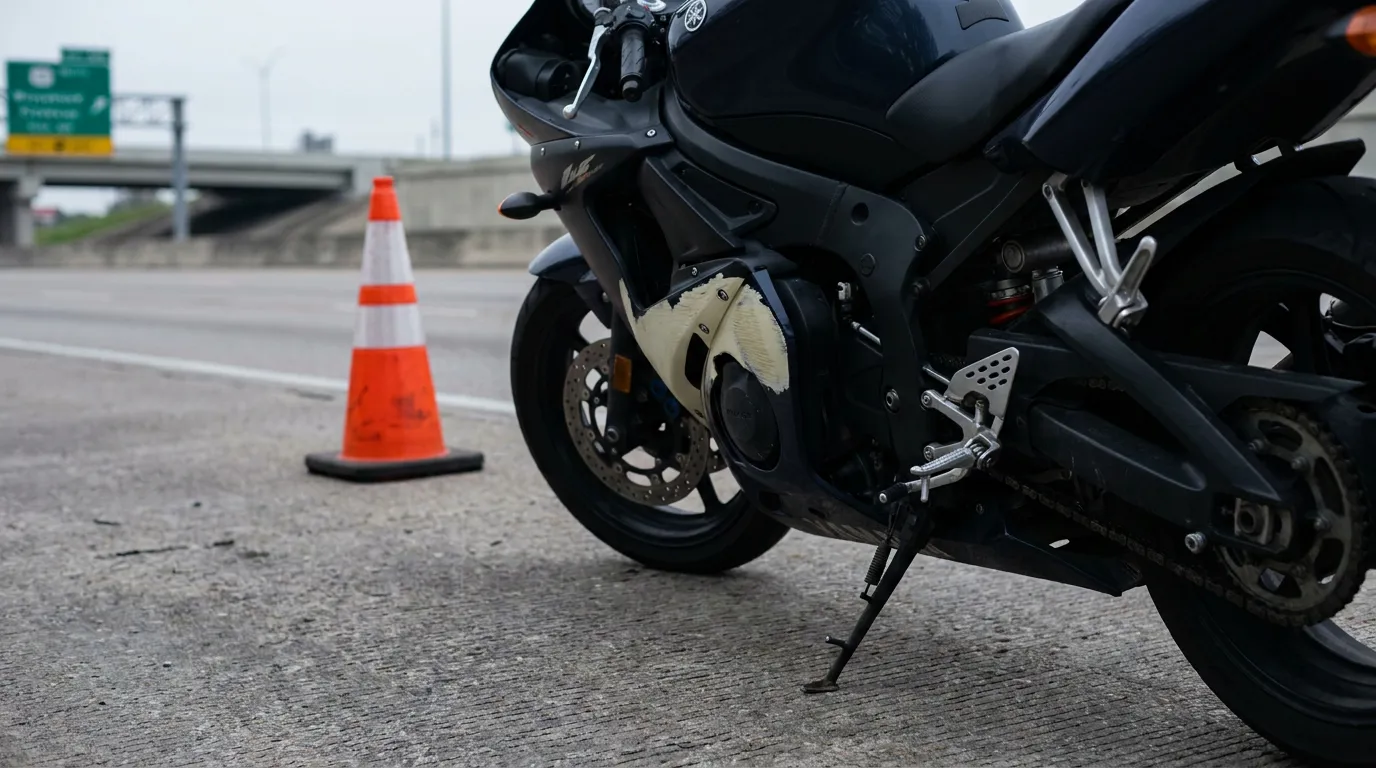
Why Careful Wound Records Matter After a Serious Houston Collision
Key Takeaways: Documenting 3rd degree road rash after a Houston crash rests on three pillars: dated photographs, complete medical records, and the official crash report. Because third-degree abrasions extend through all skin layers and may require debridement or grafting, your provider’s own classification language belongs in the chart. Photograph the wound the same day and at regular intervals, include scale objects and wide plus close-up views, preserve original files, and keep shooting after the wound closes to show scarring. Request full treatment records along with billing and payment proof, since Tex. Civ. Prac. & Rem. Code § 41.0105 limits recovery of medical expenses to amounts actually paid or incurred, and avoid unexplained treatment gaps. The investigating officer’s report required under Tex. Transp. Code § 550.062 can supply a neutral account linking the collision to your wound pattern. With Texas modified comparative negligence under Chapter 33 and a two-year filing deadline under § 16.003(a), thorough documentation may help protect the value of your claim.
Severe abrasion injuries fade from the skin long before a claim is resolved, so documentation should begin the day of the crash and continue through every follow-up appointment. To properly document a road rash injury, you generally need dated photographs taken under consistent lighting, the investigating officer’s written crash report, and complete treatment records showing debridement, grafting, or other procedures. Together, these can show an insurer how the injury happened and how deep the tissue damage went. Without them, adjusters may argue the wound was minor or healed without lasting consequence.
At Payne Law Firm, we treat our clients like family, and that starts with helping you protect your evidence before it disappears. Attorney Jason E. Payne is Board Certified in Personal Injury Trial Law by the Texas Board of Legal Specialization, and the firm has helped over a thousand injured individuals and families pursue the compensation they deserved. If you were hurt in a Harris County collision, call 713-223-5100 or contact us now for a free consultation.
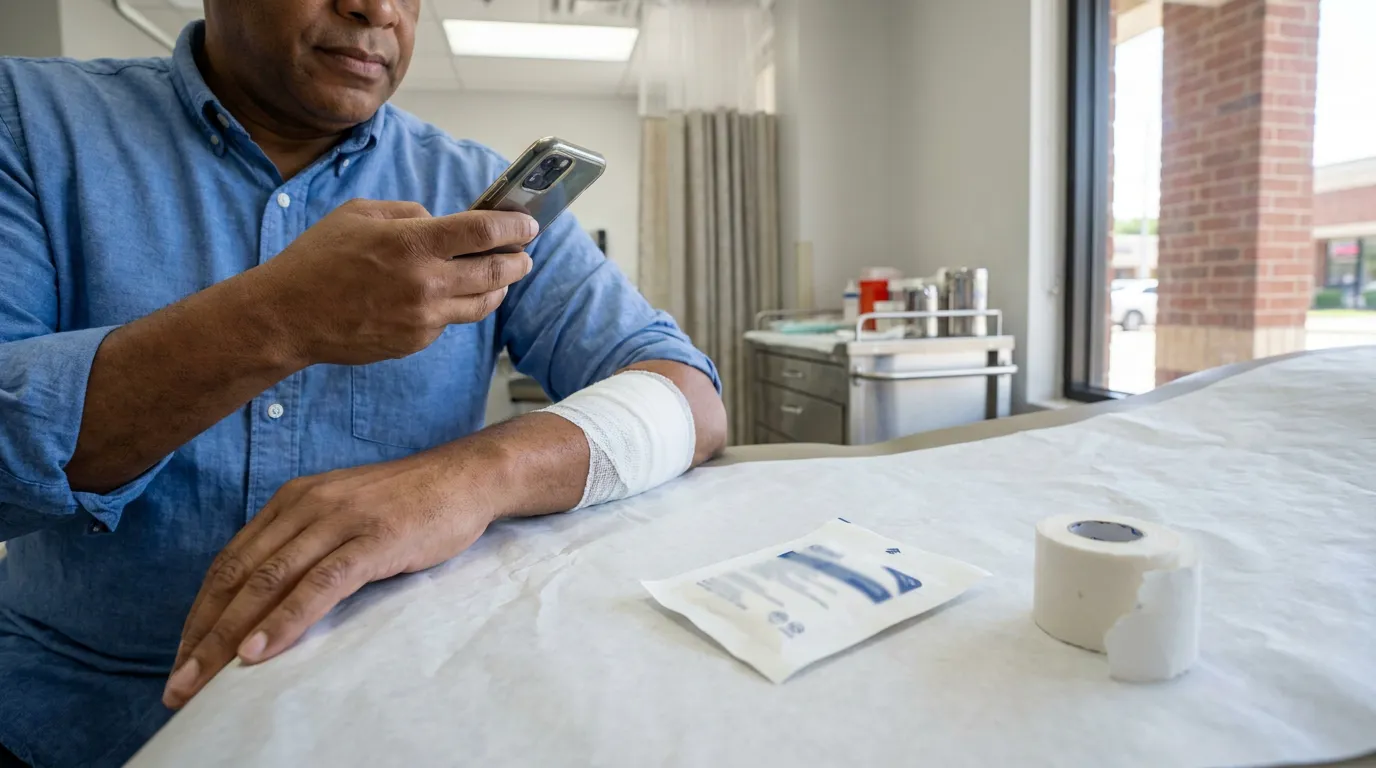
Understanding What Makes 3rd Degree Road Rash Different
Road rash is graded by depth, much like burns. First-degree abrasions involve surface irritation, second-degree wounds break through the outer skin layers, and third-degree injuries extend through all layers of skin and can reach underlying fat, muscle, tendon, or even bone. Because of that depth, third-degree wounds frequently require debridement, skin grafting, or reconstructive surgery rather than simple home care. These grading labels are descriptive rather than legal standards, so how a treating provider documents the wound matters more than the label itself.
That severity distinction can carry real weight in a claim. Insurance adjusters often treat "road rash" as a scrape, so the burden of proving the injury’s nature and extent generally falls on the injured person. Proving severity depends on objective evidence: wound measurements, photographs showing exposed tissue, surgical notes, and a physician’s own characterization of the depth.
Documenting the Degree Accurately
Use your provider’s language rather than your own when describing the wound. Ask the treating physician or wound care nurse how the injury is classified and whether that classification appears in the chart. General first aid guidance from sources like the Mayo Clinic wound care recommendations emphasizes cleaning the wound, controlling bleeding, and seeking care when a wound is deep, contains embedded debris, or shows signs of infection such as redness, swelling, or pus. That general information isn’t a substitute for individualized medical advice, but those indicators are worth noting in your own records, since they often explain why additional treatment became necessary.
How to Photograph Road Rash Wounds So the Images Hold Up
Photographs are often the most persuasive evidence of an abrasion injury, but generally only when taken methodically. Casual snapshots taken weeks apart rarely tell a complete story. A consistent routine can produce wound photos an injury claim may rely on, though admissibility at trial always depends on the applicable rules of evidence and the court’s rulings.
- Photograph the wound the same day when possible, then at regular intervals through healing.
- Include a wide shot showing the body part and a close-up showing texture, depth, and embedded debris.
- Place a coin or ruler beside the wound for scale in at least one image per session.
- Shoot in bright, even lighting and avoid filters, edits, or cropping.
- Keep original files with embedded date and time data intact.
- Capture damaged clothing, helmet, and shoes before laundering or discarding them.
Continue photographing after the wound closes. Scarring, discoloration, and skin graft sites may be part of your damages, and images taken months later can sometimes demonstrate permanence better than testimony does. Our broader guidance on documenting your Houston car accident scene explains how wound images fit alongside scene photographs, vehicle damage, and witness information.
💡 Pro Tip: Back up every photo to cloud storage the same day. Phones get replaced, damaged, or lost during recovery, and a deleted photo library can quietly undermine an otherwise strong claim.
Building Your Medical Records for Road Rash Treatment
Medical records can help translate a painful injury into documented, potentially compensable harm. Request complete records rather than summaries, including emergency department notes, wound care logs, operative reports for any grafting, imaging, prescriptions, and physical therapy notes. Because keeping the wound clean and watching for infection is central to recovery, records showing repeated dressing changes and follow-up visits may help establish both severity and diligence.
Billing documentation can matter as much as clinical notes in Texas. Under Tex. Civ. Prac. & Rem. Code § 41.0105, recovery of medical expenses is limited to the amount actually paid or incurred by or on behalf of the claimant. Courts have interpreted this provision in varying ways, but as a practical matter this statutory limit on recoverable medical expenses means a bill alone may not be enough; you generally need explanation of benefits statements, adjustment records, and payment histories to support the figure you claim.
Gaps in Treatment and Why They Hurt
Missed appointments can give insurers an argument you don’t want to face. A three-week gap in wound care may lead adjusters to suggest the injury resolved or that you failed to mitigate damages. A gap isn’t a legal bar to recovery, but it can affect claim value. If transportation, work schedules, or cost force you to reschedule, ask that the reason be noted in the chart so the record reflects circumstances rather than apparent indifference.
The Official Crash Report as Corroborating Evidence
The investigating officer’s report can supply the neutral account tying your injury to the collision. Under Tex. Transp. Code § 550.062, an officer who investigates a motor vehicle collision must make a written report when the crash resulted in injury, death, or property damage apparently totaling $1,000 or more, filed electronically no later than the tenth day after the collision. These reports are subject to statutory restrictions on release and use. Under Tex. Transp. Code § 550.066, an individual’s self-reported responses on the crash report form are restricted from use as evidence in civil trials, but the officer’s official crash report is generally admissible as a public record under Texas Rules of Evidence and is regularly reviewed by both courts and insurers, making it valuable both investigatively and as a potential trial exhibit.
Request your copy and read it closely. Officer narratives, diagrams, and notations about road conditions or contributing factors may align with the pattern of abrasion on your body, strengthening the connection between crash mechanics and the wound. Reports can contain errors, and correcting the record generally requires prompt action rather than waiting until litigation begins.
| Evidence Type | What It Establishes | When to Gather It |
|---|---|---|
| Dated wound photographs | Depth, size, debris, healing course, scarring | Day of crash, then throughout treatment |
| Emergency and operative records | Classification, debridement, grafting, complications | Request after each treatment phase |
| Billing and payment records | Amounts actually paid or incurred | Ongoing, before settlement discussions |
| Officer’s crash report | Neutral account of how the collision occurred | After filing, typically within weeks |
| Damaged clothing and gear | Physical impact forces and contact points | Immediately, before cleaning or disposal |
How Texas Fault Rules Raise the Stakes on Documentation
Texas follows a modified comparative negligence framework that can reduce or eliminate recovery. Tex. Civ. Prac. & Rem. Code § 33.001, part of Chapter 33’s proportionate responsibility scheme, provides that a claimant may not recover if his percentage of responsibility exceeds 50 percent. At or below that threshold, § 33.012 requires damages to be reduced by the claimant’s percentage of responsibility, meaning every percentage point an insurer assigns to you may have a direct financial consequence.
This is precisely why strong injury evidence can matter even in a fault dispute. Wound patterns, impact locations, and the officer’s observations may contradict an insurer’s version of events. Fault allocation remains highly fact-dependent, and outcomes vary based on the evidence, the jurisdiction, and how a jury weighs conflicting accounts, so no particular result can be promised.
Deadlines That Shape Your Documentation Timeline
Texas generally requires personal injury suits to be filed within two years. Under Tex. Civ. Prac. & Rem. Code § 16.003(a), a person must bring suit not later than two years after the cause of action accrues. Tex. Civ. Prac. & Rem. Code § 16.070(a) reinforces this baseline, providing that, with limited statutory exceptions, a contractual stipulation shortening the limitations period to less than two years is void in Texas.
Limited exceptions exist, but courts often construe them narrowly. Tolling provisions, such as those for claimants who were minors or legally incapacitated when the claim accrued, and discovery-rule arguments may apply in certain circumstances, yet they are never automatic and depend heavily on specific facts. Claims involving governmental units may carry separate administrative notice requirements distinct from the civil limitations period, and those deadlines can arrive far sooner. If you believe an exception might apply, a 3rd degree road rash lawyer can evaluate the timeline before options close.
💡 Pro Tip: Keep a dated pain and function journal alongside your photos. Notes about sleep disruption, dressing changes, and activities you had to stop often support non-economic damages that clinical records don’t capture.
Frequently Asked Questions
1. How often should I photograph my wounds?
Frequency generally depends on the healing stage. Daily or every-other-day images may be reasonable during the first two weeks, then weekly as the wound stabilizes, and monthly once scarring sets in. Consistency matters more than volume, since a steady sequence can show progression clearly.
2. Will my own photos be enough to prove severity?
Photographs can be powerful but usually work best paired with clinical documentation. Images show appearance, while medical records help establish classification, depth, and required treatment. Together they can form much stronger crash injury evidence in Houston claims than either would alone.
3. What if I did not go to the emergency room right away?
Delayed care complicates a claim but doesn’t necessarily end it. Seek treatment as soon as you can and explain the delay honestly to your provider so the reason appears in the chart. Insurers may still challenge causation, and the weight given to that argument varies by case.
4. Should I give the insurance company my wound photos?
Speak with an attorney before sending anything to an adjuster. Selective or poorly timed disclosure can be used to minimize your injury, and recorded statements about your wounds may be taken out of context. Relevant evidence may later be discoverable in litigation, so preserving everything while controlling how and when it’s shared is generally the safer approach.
5. How long should I keep my road rash treatment records?
Consider retaining everything at least through the full limitations period and until your claim fully resolves. Because Texas law sets a two-year baseline window for most personal injury suits, keeping organized digital and paper copies throughout that period, and longer if litigation or an appeal is possible, may help avoid reconstructing evidence later.
Protecting the Proof Before It Fades
Third-degree abrasion injuries heal into scars, and scars rarely convey the pain, infection risk, and surgical treatment that came before them. Thorough Texas injury documentation, consistent photographs, complete medical records, billing proof, and the official crash report may give an insurer little room to minimize what you experienced. Every case turns on its own facts, and thoughtful record-keeping simply helps preserve your ability to tell the full story.
For more than 20 years, Payne Law Firm has stood with injured Houstonians who felt overlooked by insurance companies, explaining the process clearly and fighting for the people behind the paperwork. Call 713-223-5100 or schedule your free consultation to discuss how to protect your evidence and your rights.
Disclaimer: This content is for informational purposes only and is not legal advice. Every case is unique, and results may vary. Consult an attorney about your specific circumstances.