
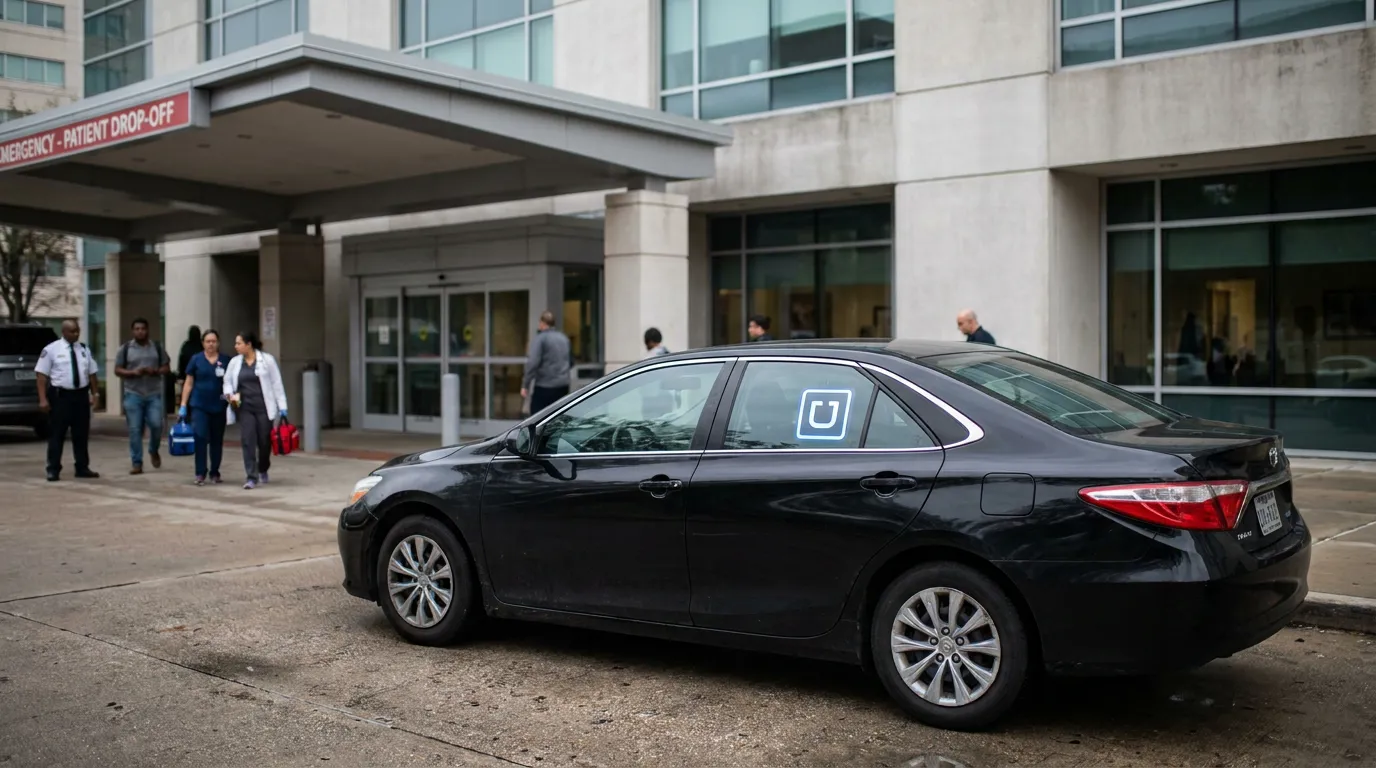
How a Hospital Bill Can Attach Itself to Your Uber Crash Claim
Key Takeaways: Under Texas Property Code § 55.002(a), a hospital may place a lien on your injury claim after a Houston Uber crash if you were admitted within 72 hours of the accident. The lien attaches to your settlement or judgment, not to your personal assets. Under § 55.003, it does not attach to workers’ compensation benefits or your own uninsured/underinsured motorist or personal injury protection coverage. Chapter 55 caps what a lien may cover: hospital charges from the first 100 days (and no more than 50 percent of all amounts recovered), physician emergency care from the first seven days, charges exceeding reasonable rates, certain physician charges excluded under § 55.004(d), and EMS liens limited to $1,000 in counties of 800,000 or fewer residents (excluding Harris County). Some liens are overstated, improperly perfected under § 55.005, or based on disputed admission status. Valid liens must be discharged under § 55.006 before case closure, and reductions may be negotiable when statutory limits or defects are documented. Payne Law Firm offers free consultations to injured Houstonians who want to understand what a hospital may claim from their recovery.
If you were hurt in a rideshare collision in Houston and taken to a hospital within three days, the hospital may hold a lien on your injury claim. Under Texas Property Code § 55.002(a), a hospital has a lien on the cause of action or claim of an injured person who receives hospital services for injuries caused by an accident attributed to another’s negligence. The statute requires admission to a hospital within 72 hours after the accident. This timing requirement, the texas hospital lien 72-hour rule, can reshape how much money actually reaches you at settlement.
If you are staring at hospital bills after a rideshare wreck, you do not have to sort out lien law alone. The team at Payne Law Firm offers free consultations to injured Houstonians. Call 713-223-5100 or reach out to our Houston team to discuss your situation.
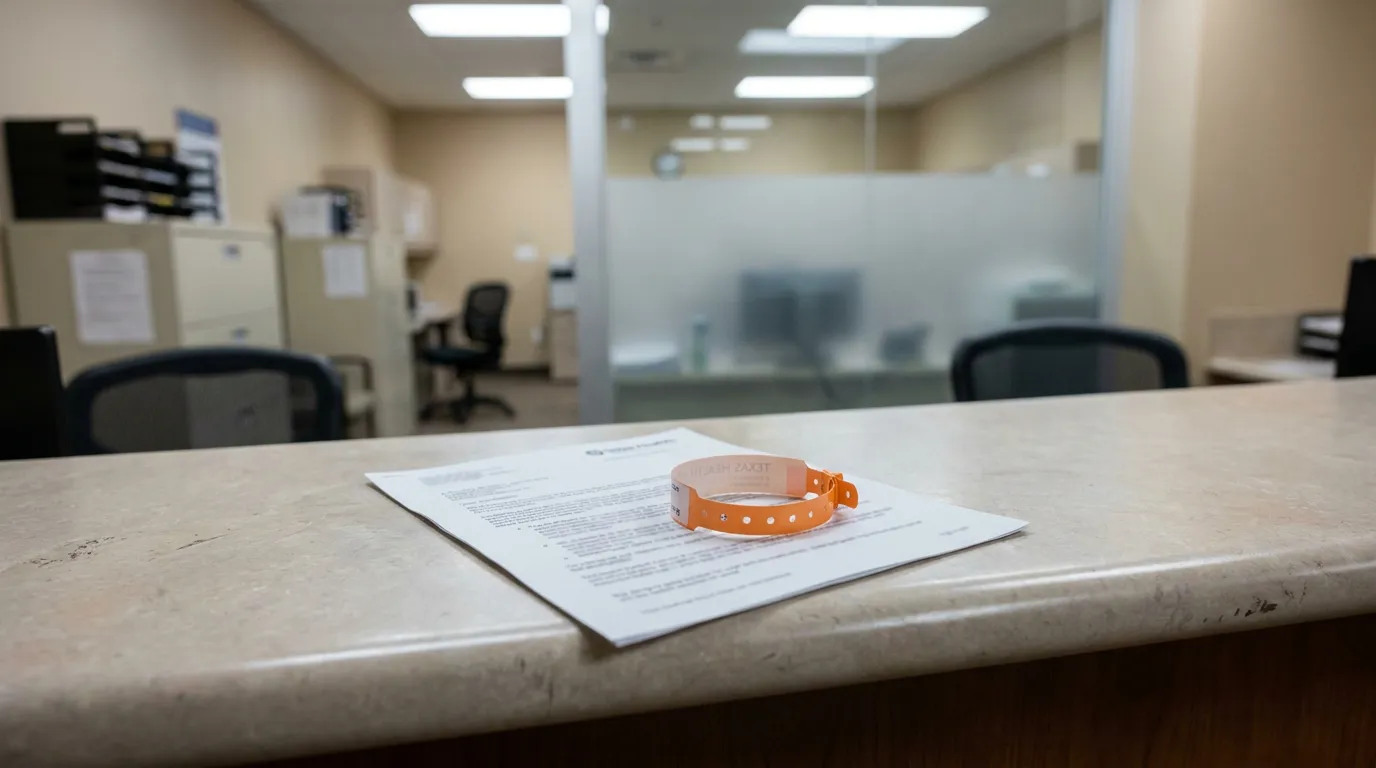
The Statutory Framework Behind Hospital Liens in Texas
Hospital liens in Texas are creatures of statute, not contract. Texas Property Code Chapter 55, titled "Hospital and Emergency Medical Services Liens," allows a hospital or emergency medical services provider to attach a claim to an injury victim’s recovery. Because the lien exists only through statute, any hospital asserting one must satisfy the chapter’s terms, and Texas courts construe the requirements strictly.
The chapter creates the lien and limits it. Sections including § 55.001 (definitions), § 55.0015 (admission), § 55.003 (property to which the lien does and does not attach), § 55.004 (amount of lien), and § 55.005 (filing and notice requirements) determine whether a hospital lien is enforceable. In some cases, an intimidating lien may be defective, overstated, or improperly perfected.
Why Chapter 55 Matters to Rideshare Victims Specifically
Rideshare cases often involve layered insurance, delayed claim resolution, and significant emergency treatment. A passenger injured in an Uber may be transported to an emergency department, then transferred to a trauma center. Settlement may take months while liability and coverage are sorted out, giving lien claims time to accumulate and complicate final disbursement.
Understanding the Texas Hospital Lien 72-Hour Rule
The 72-hour window is an attachment requirement, not a billing suggestion. Under Texas Property Code § 55.002, the injured individual must be admitted to a hospital within 72 hours after the accident for the lien to attach. Under § 55.0015, an injured individual is considered admitted to a hospital if the individual is allowed access to any department of the hospital for the provision of any treatment, care, or service, meaning an emergency room visit does constitute admission under Chapter 55.
The lien may travel with the patient. Section 55.002(b) provides that the lien extends to a hospital to which the individual is transferred for treatment of the same injury. In Houston, where a crash victim stabilized at a community emergency room is frequently transferred to a larger trauma facility, each facility may assert lien rights.
What the Lien Actually Attaches To
The lien attaches to the cause of action or claim against the negligent party, meaning it reaches the settlement or judgment rather than your house, paycheck, or bank account. Section 55.003 provides that the lien does not attach to certain recoveries, such as workers’ compensation benefits or proceeds of your own uninsured or underinsured motorist or personal injury protection coverage. This frames the lien as a settlement-distribution issue rather than personal-asset seizure.
Caps and Limits That Can Shrink a Hospital Lien
Chapter 55 places real ceilings on what a lien may cover. These limits are often overlooked by injured people who assume the full billed amount must be paid.
| Provision | What It Limits |
|---|---|
| § 55.004(b) | Hospital charges from the first 100 days of hospitalization, and no more than 50 percent of all amounts recovered |
| § 55.004(c) | Physician emergency care charges from the first seven days |
| § 55.004(d) | Charges above a reasonable and regular rate, and certain physician charges where the physician has accepted insurance benefits or the patient has private medical indemnity coverage |
| § 55.002(c), § 55.004(f) | EMS liens, in counties of 800,000 or fewer residents |
For emergency medical services providers, the cap is both narrow and time-bound. Section 55.004(f) limits an EMS lien to the amount charged, not to exceed $1,000, for emergency medical services provided during the 72 hours following the accident. Section 55.002(c) applies the EMS lien only to services received in a county with a population of 800,000 or less, which excludes Harris County and most Houston rideshare crashes.
Common Challenges After a Houston Uber Crash
Injured people rarely learn about a lien until settlement time. Understanding recurring problem areas can help avoid surprises.
- Overstated charges. Billed amounts may exceed statutory caps.
- Perfection defects. Filing and notice requirements under § 55.005, including recording with the county clerk where services were provided before the claim is paid, are not always satisfied.
- Admission disputes. While § 55.0015 broadly defines admission to include access to any hospital department for any treatment, care, or service, whether the 72-hour timing requirement was met can still be fact-dependent.
- Overlapping claims. Health insurance, Medicare, or Medicaid interests, governed by separate federal or contractual rules, may exist alongside a hospital lien.
- Release timing. Settlement can stall if discharge of lien is not properly recorded.
💡 Pro Tip: Keep every discharge summary, transfer record, and admission document from your crash. Timing paperwork frequently becomes deciding evidence in whether the 72-hour condition was met.
Insurance Coverage and Lien Pressure Go Hand in Hand
The size of available insurance influences how much a lien hurts. Rideshare policies turn on the driver’s app status at impact, which is why understanding how rideshare insurance coverage applies is tied to resolving uber crash medical bills in Houston. When coverage periods are established carefully, there may be more room to satisfy medical claims and still leave meaningful compensation.
Releasing the Lien and Closing Your Case
A validly attached lien must eventually be discharged. Section 55.006 addresses discharge and release, so even a lien that properly attached under the 72-hour rule must be released, and that release recorded, once the claim is resolved. Insurers and defendants often will not finalize payment until this step is handled.
Resolving a hospital lien settlement in Texas is usually a negotiation, not a formality. Hospitals may reduce claims when statutory caps, perfection problems, or limited insurance coverage are documented and presented. Outcomes vary based on facts, the hospital’s policies, and recovery size.
💡 Pro Tip: Do not sign a settlement release without confirming, in writing, how each asserted lien will be resolved at disbursement.
Working With a Houston Firm That Treats Clients Like Family
Lien law rewards attention to detail, and details are easy to miss while recovering. Attorney Jason E. Payne is Board Certified in Personal Injury Trial Law by the Texas Board of Legal Specialization and has been recognized in Texas Super Lawyers from 2019 through 2026. Over more than 20 years, the firm has helped over a thousand injured individuals and families pursue compensation.
Our approach is built around people who feel overlooked by insurance companies and institutions. A native of Port Arthur, Attorney Payne built this practice so injured Houstonians feel heard, informed, and respected. If you need a texas hospital lien 72-hour rule lawyer to review what a hospital is claiming, we are glad to explain the process clearly and treat you like family.
Frequently Asked Questions
1. Does an emergency room visit count as admission under the 72-hour rule?
Yes. Under § 55.0015, an injured individual is considered admitted to a hospital if the individual is allowed access to any department of the hospital for the provision of any treatment, care, or service. This means an emergency room visit constitutes admission under Chapter 55.
2. Can a hospital lien reach my personal property?
Generally no. Section 55.002(a) creates a lien on the cause of action or claim, meaning it applies to the settlement or judgment rather than personal assets. Section 55.003 excludes certain recoveries such as workers’ compensation and your own uninsured/underinsured motorist or personal injury protection proceeds.
3. Do EMS ambulance liens apply in Houston?
Usually not under § 55.002(c). That provision limits EMS liens to services received in counties with populations of 800,000 or less, and Harris County exceeds that threshold. Ambulance bills may still be pursued through other means.
4. How long do I have to file a rideshare injury lawsuit in Texas?
Personal injury claims in Texas are generally subject to a two-year deadline, though exceptions exist. The rules governing civil filing deadlines include limited tolling and discovery doctrines, and claims involving governmental entities may carry separate administrative notice requirements.
5. Can a hospital lien be reduced?
In some cases, yes. Statutory caps, perfection defects, and limited insurance coverage may support a reduction request. Results depend on specific facts, and no particular outcome can be guaranteed.
What This Means for Your Recovery
The texas hospital lien 72-hour rule is simple to state and complicated to apply. A hospital lien attaches only when the injured person is admitted within 72 hours of the crash, and under § 55.0015, admission includes access to any hospital department for any treatment, care, or service. The lien may follow the patient through transfers for the same injury, and is subject to caps on hospital charges, physician emergency care, reasonable rates, and EMS claims. Whether a lien is valid, properly perfected, and correctly calculated depends on the documents in your case.
You deserve to understand what may come out of your settlement before you sign anything. Payne Law Firm offers free consultations to injured people across Houston and Harris County. Call 713-223-5100 or schedule your free case review today, and let us handle the lien fight while you focus on healing.
Disclaimer: This content is for informational purposes only and is not legal advice. Every case is unique, and results may vary. Consult an attorney about your specific circumstances.