

A Stowers demand letter is a formal, time-limited offer to settle a car accident claim within the at-fault driver’s policy limits that may put the carrier’s own money at risk if it refuses. A properly drafted demand can shift the pressure: if the insurer rejects a reasonable offer and a jury later returns a verdict above the policy, the carrier may face liability for the excess.
Put simply, the letter puts the insurer on notice. It can close the claim for the limits now, or carry the risk of a larger verdict later. If an adjuster has been slow-walking your claim or offering far less than your injuries are worth, our car accident attorneys in Houston can review whether a policy limits demand makes sense in your situation.
Your own share of fault and the time left to file a lawsuit can both affect how much leverage a demand carries. Our guide on how fault shares shape a crash claim goes deeper.
What Makes a Stowers Demand Valid
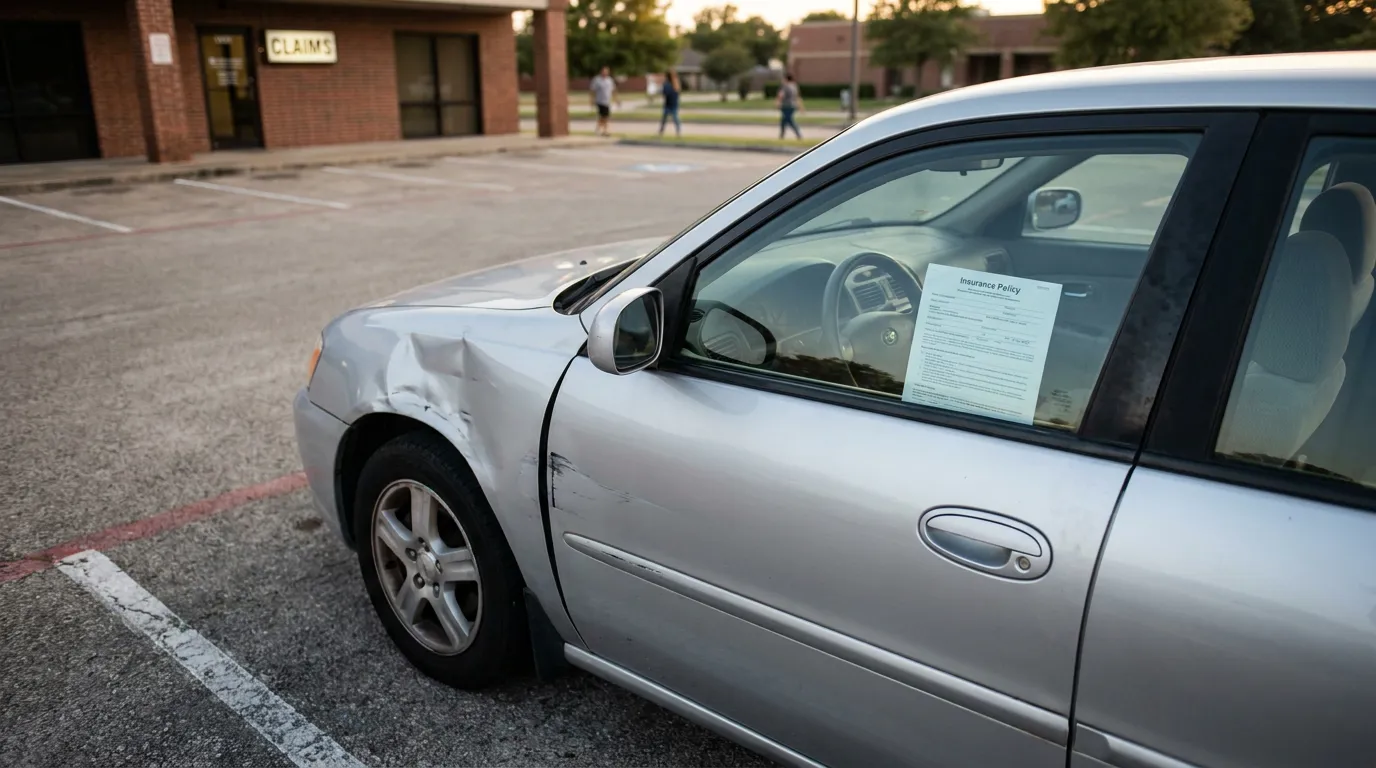
A Stowers demand generally works only when structured carefully. While precise elements are shaped by case law and specific facts, attorneys preparing a demand typically focus on making the offer one that a reasonably prudent insurer would accept. Common components include:
- A clear offer to settle within applicable policy limits, with the amount stated unambiguously
- Full release of the insured from liability in exchange for payment
- A reasonable deadline giving the carrier genuine time to evaluate and respond
- Supporting documentation of liability, medical treatment, wage loss, and future care needs
- Proof that liability is reasonably clear and damages exceed available limits
Because the demand’s terms generally must be such that an ordinarily prudent insurer would accept them, a plaintiff’s own fault percentage may affect whether an insurer’s refusal to settle can fairly be called unreasonable.
The strength of the underlying claim generally drives everything. A demand supported by police findings, medical records, imaging, and treating physician opinions may be far harder for an adjuster to dismiss. Knowing the losses a car accident claim can cover helps make sure nothing is missing from the file. If repairs leave your car worth less than before, that loss can be documented too; see how a diminished value claim is calculated. This is where working with an experienced lawyer can change the trajectory of a claim. Attorney Jason E. Payne of Payne Law Firm was selected for Texas Super Lawyers from 2019 through 2026.
Pro Tip: Do not send a policy limits demand before your medical treatment has stabilized. Demanding too early can lock in a number that fails to account for surgery, injections, or long-term care you have not yet been told you need.
What Happens If the Insurer Refuses
A refusal does not end the claim. If the carrier turns the offer down or lets the deadline pass, the case keeps moving, often toward a lawsuit and trial. The letter, the deadline it set, and the records sent with it then become part of the record of what the insurer knew and when it knew it.
The refusal matters most if the verdict comes in above the policy limits. At that point, the insurer’s choice is judged by looking back at the demand: whether it was clear, within limits, and backed by enough proof that a careful carrier would have said yes. If the refusal fails that test, the amount over the limits may fall on the insurer instead of the driver it covers.
Does Sending a Demand Mean the Insurer Will Pay?
No. A demand may create pressure and preserve potential excess judgment risk, but carriers sometimes reject reasonable offers. Whether a rejection was negligent depends on liability clarity, damages evidence, and the carrier’s investigation.
Can You Write a Stowers Demand Yourself?
You can, but the requirements are technical and shaped by case law. A defect in the offer terms, release language, or deadline may prevent the letter from creating the intended exposure.
What If the At-Fault Driver’s Policy Limits Are Very Low?
Low limits are common and do not necessarily cap your recovery. A carrier’s negligent failure to settle within those limits may expose it to the excess, and underinsured motorist coverage may also apply. Our post on why minimum auto coverage often falls short looks at how thin those limits can be. To confirm the driver had a policy in force at all, see how TexasSure checks a driver’s insurance.
How Soon Should a Policy Limits Demand Be Sent?
Timing depends on when your damages can be fully documented and how much time remains before the filing deadline. Sending too early may undervalue the claim; sending too late may leave the insurer no meaningful window to accept.
Is This the Same as a Bad Faith Claim?
Not exactly. Texas generally applies a negligence standard to failure-to-settle claims, while bad faith and Chapter 541 Insurance Code claims involve separate legal theories, different claimants, and different remedies. Our article on claim tactics Texas law bans insurers from using covers that separate topic.
Where the Stowers Doctrine Came From
The Stowers doctrine grew out of Texas common law and courts have applied it for nearly a century. The rule traces to the 1929 G. A. Stowers Furniture Co. case, where an insurer controlling the defense refused a within-limits settlement and was held responsible for the resulting excess judgment. Later Texas Supreme Court decisions clarified that the duty is triggered only when a settlement demand is within policy limits, the claim is within coverage, and an ordinarily prudent insurer would accept the terms.
An insurer that controls settlement must use the care an ordinarily prudent person would use and give the insured’s interests at least equal consideration to its own. Courts have extended the insurer’s duty of due care to the facts surrounding the collision and to the extent of policy coverage, reasoning that a claim’s settlement value cannot be assessed without reasonable investigation.
The practical stakes are easiest to understand through numbers. In one Texas case, a modest auto policy with $5,000 per person limits produced insurer liability tied to a $270,000 excess judgment after the carrier denied coverage and never attempted to settle. The jury found the insurer negligent in failing to initiate settlement within the $5,000 limit. The lesson: small policy limits do not always cap what a carrier ultimately pays. Policy limits are only one piece of what drives the value of a crash settlement.