
Why Your Own Insurance Company Can Say "Not Yet" After a Houston Crash
Key Takeaways: The Brainard rule, from the Texas Supreme Court’s decision in Brainard v. Trinity Universal Insurance Co., holds that an underinsured motorist carrier generally owes nothing until the insured legally establishes the at-fault driver’s liability and damage amounts. This means an unpaid UIM demand is generally not automatically a breach, and resolving disputes may require filing suit against your own insurer, though declaratory judgment actions are permitted. Texas proportionate responsibility law shapes outcomes: damages are reduced by your fault percentage under § 33.012, and recovery is barred if your fault exceeds 50 percent under § 33.001. Policy limits and the physical-contact requirement in Tex. Ins. Code § 1952.104 can defeat phantom-vehicle claims. The UM statute sets a floor rather than ceiling, so carriers may not enforce restrictive clauses that cut below actual damages. Early preparation and attention to filing deadlines strengthen Houston drivers’ positions.
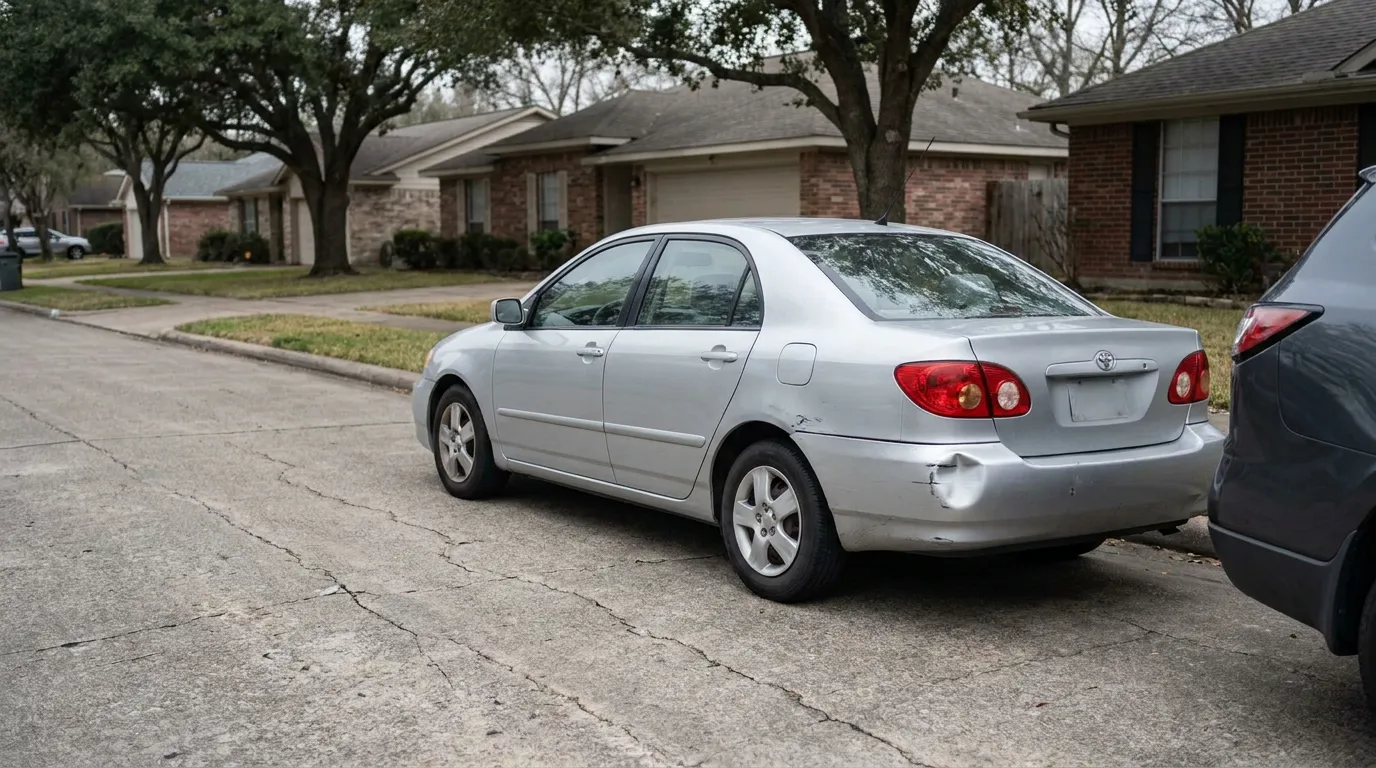
If you carry underinsured motorist coverage and a driver with minimum limits leaves you with substantial medical bills, you may assume your own carrier will pay the difference. Texas law generally doesn’t work that way. Under Brainard v. Trinity Universal Insurance Co., a UIM insurer generally owes nothing until the insured legally establishes both the at-fault driver’s liability and the damage amount. That rule reshapes how Houston UIM claims are valued, negotiated, and litigated.
If an insurance company is telling you your underinsured driver claim is "premature," the team at Payne Law Firm can explain where you stand. Call 713-223-5100 or schedule your free consultation to discuss your options with a firm that treats clients like family.
The Coverage Behind the Dispute: How UIM Works in Texas
Underinsured motorist coverage exists because minimum liability limits rarely cover serious injuries. Texas generally requires drivers to carry at least $30,000 per injured person, $60,000 per accident, and $25,000 in property damage. A single ambulance ride, surgery, and short hospital stay at the Texas Medical Center can exhaust that quickly.
Texas law makes UM/UIM coverage broadly available. Under Tex. Ins. Code § 1952.101, insurers generally cannot deliver an automobile liability policy in Texas unless it provides uninsured or underinsured motorist coverage, unless the named insured rejects it in writing. The statute describes coverage protecting insureds who are "legally entitled to recover" damages from owners or operators of uninsured or underinsured vehicles. That "legally entitled to recover" language is what the Texas Supreme Court later interpreted in Brainard.
Coverage generally splits into two categories. Bodily injury benefits may address medical bills, lost wages, pain and suffering, disfigurement, and disability, while property damage benefits may address repairs, contents, and rental costs, subject to policy terms.
Understanding Brainard v Trinity Universal UIM Texas Claims
The Brainard rule holds that a UIM carrier’s obligation to pay generally doesn’t mature until liability and damages are legally determined. Until a judgment or binding settlement agreement fixes those elements, the insured is generally not yet "legally entitled to recover" as the policy and statute contemplate. An unpaid UIM demand is not automatically a breach of contract, and Brainard also limited recovery of contractual attorney’s fees where no such determination had been made.
This creates a sequencing problem for injured Houstonians. You may have clear liability, a police report, and medical records, yet the carrier may still decline to pay without violating the policy. Resolving UIM disputes may require filing suit and proving the underlying negligence case, even though the defendant is your own insurer. Later authority, including Allstate Insurance Co. v. Irwin, 627 S.W.3d 263 (Tex. 2021), recognizes that insureds may use the Uniform Declaratory Judgments Act to establish UIM liability and may become eligible for attorney’s fees in that proceeding.
What the Judgment Requirement Means in Practice
The UIM judgment requirement doesn’t mean settlement is impossible. Carriers do settle UIM claims once liability and damages are well documented and litigation risk becomes real. However, the rule can remove leverage: without a determination, the insurer may face limited immediate consequence for waiting, although extra-contractual claim-handling duties can still apply.
Why Fault Percentages Decide More Than Value
Texas proportionate responsibility law informs the liability determination Brainard requires. Under Tex. Civ. Prac. & Rem. Code § 33.001, a claimant generally cannot recover damages if their responsibility exceeds 50 percent. Crossing that line defeats the UIM claim entirely rather than merely reducing it.
Below that bar, fault reduces the recovery amount. Tex. Civ. Prac. & Rem. Code § 33.012 directs courts to reduce damages by the claimant’s percentage of responsibility when recovery isn’t barred. Because Brainard makes "amount of damages" part of the payment trigger, every percentage point argued by an adjuster affects when and how much a carrier may owe.
Statutory Limits Your Policy Can Impose
Not every policy restriction survives scrutiny, but some are grounded in statute. Tex. Ins. Code § 1952.104 permits limiting total aggregate liability to the policy limit regardless of the number of people, policies, vehicles, or claims involved, permits exclusion of damages from the insured’s intentional acts, and permits requiring actual physical contact between the vehicle and the insured or their property when the at-fault driver is unknown. That last provision matters greatly in Houston hit-and-run cases, where phantom-vehicle claims may fail without contact.
When Insurers Overreach: The Floor-Not-Ceiling Principle
The UM statute generally establishes minimum protection, not maximum recovery. In American Liberty Insurance Co. v. Ranzau, 481 S.W.2d 793 (Tex. 1972), the Texas Supreme Court held that an "other insurance" provision was ineffective to limit an insured’s recovery of actual damages caused by an uninsured motorist, allowing recovery beyond the statutory minimum where actual loss exceeded it. This principle can still surface when carriers argue offsets and stacking restrictions.
Regulatory approval of a form doesn’t necessarily cure a conflict with the statute. The Ranzau court reasoned that the insurance regulator may act only consistently with statutory purposes, so approval of the restrictive clause was ineffective. Texas courts have also treated the UM statute as remedial legislation enacted for the benefit of innocent victims of financially irresponsible motorists.
Common Pressure Points in Houston UIM Claims
Certain moments can repeatedly influence outcomes. Knowing them in advance may help prevent avoidable damage to a claim:
- Settling with the at-fault driver’s carrier without addressing UIM consent-to-settle conditions in your policy
- Signing a release before understanding total losses
- Giving a recorded statement that an adjuster uses to build a comparative-fault argument
- Assuming a demand letter alone will trigger UIM benefits in Texas
- Waiting too long, since Texas law generally gives you two years after a crash to file suit on the underlying negligence claim
💡 Pro Tip: Request a certified copy of your declarations page early. Many Houston drivers discover they have more UIM coverage than assumed, or that a written rejection was signed years ago without much thought.
| Situation | Typical Effect Under the Brainard Framework |
|---|---|
| Liability admitted, damages disputed | Carrier may still withhold payment until damages are determined |
| Claimant 30% at fault | Damages may be reduced by 30% under § 33.012 |
| Claimant 55% at fault | Recovery may be barred under § 33.001, potentially defeating the UIM claim |
| Unknown hit-and-run driver, no contact | Statutory physical-contact requirement may bar recovery |
| Tortfeasor limits exhausted | UIM may apply, subject to policy limits under § 1952.104 |
Why Legal Guidance Matters Before You Accept Anything
Because Brainard can shift the burden onto the injured person, preparation matters more than persistence. Building the underlying negligence case, documenting damages, and preserving evidence early can position a claim for either reasonable resolution or trial. Complex coverage questions also arise in overlapping contexts, including rideshare insurance gaps where multiple policies may apply.
Payne Law Firm has served injured Texans for more than 20 years. Attorney Jason E. Payne is Board Certified in Personal Injury Trial Law by the Texas Board of Legal Specialization and has been recognized in Texas Super Lawyers from 2019 through 2026. The firm has helped over a thousand individuals and families pursue the compensation they sought. Working with a Houston car accident attorney who understands both negligence law and coverage disputes may help you avoid missteps that are difficult to undo. Past results do not guarantee a similar outcome in any particular case.
Frequently Asked Questions
1. Does the Brainard rule mean I have to sue my own insurance company?
Not necessarily. Many claims resolve without trial, but under Brainard a carrier generally has no obligation to pay until liability and damages are established, so filing suit, including a declaratory judgment action, is sometimes the practical path.
2. Can I still recover UIM benefits if I was partly at fault?
Often, yes. Under Tex. Civ. Prac. & Rem. Code § 33.001, recovery is generally barred only when your responsibility exceeds 50 percent, and § 33.012 may reduce damages proportionally below that threshold. Fault allocation is fact-dependent and often contested.
3. What if I was hit by a driver who fled the scene?
Coverage may exist, but Tex. Ins. Code § 1952.104 generally allows policies to require actual physical contact between the unknown driver’s vehicle and the insured or their property. Phantom vehicle claims without contact may face significant statutory obstacles.
4. How long do I have to bring a claim in Texas?
Texas law generally allows two years after a crash to file a personal injury lawsuit, while a contract claim against your UIM carrier may be governed by different limitations periods and by policy deadlines. Limited exceptions may apply under certain circumstances, but courts generally interpret them narrowly.
5. Should I settle with the at-fault driver’s insurer first?
That decision requires care. Settling may affect your UIM claim depending on your policy’s conditions, including consent-to-settle and subrogation provisions. You generally shouldn’t sign a release until satisfied with the total resolution of your losses.
Where This Leaves Injured Houston Drivers
The Brainard rule doesn’t eliminate UIM benefits in Texas; it may change the timeline and proof required. Between the statutory framework governing uninsured and underinsured motorist coverage, proportionate responsibility rules, and policy conditions, Texas underinsured motorist law generally rewards early, organized preparation.
If an underinsured driver left you with losses your coverage may address, Payne Law Firm is ready to listen. Call 713-223-5100 or request your free case review today, and let a community-rooted Houston team explain the process clearly and stand with you.
Disclaimer: This content is for informational purposes only and is not legal advice. Every case is unique, and results may vary. Consult an attorney about your specific circumstances.