
How Trucking Company Paperwork Can Reveal an Unfit Driver
Key Takeaways: In Houston, corporate records often prove that a trucking company negligently entrusted a commercial vehicle to an unfit driver. The most valuable documents include driver qualification files showing licensing, medical certification, and road-test compliance, plus company records covering background investigations, controlled-substance testing, and out-of-service orders. Texas Civil Practice and Remedies Code §§ 72.053 and 72.054 define which records are admissible and how they may be used, particularly in the first phase of a bifurcated trial. A driver’s official record, including any imminent-hazard disqualification, can establish that the driver was legally unfit at the time of entrustment. Because files can be routinely deleted over time, acting quickly to preserve records is essential. Together, these documents can demonstrate that a carrier knew or should have known it was putting an unsafe driver on the road.
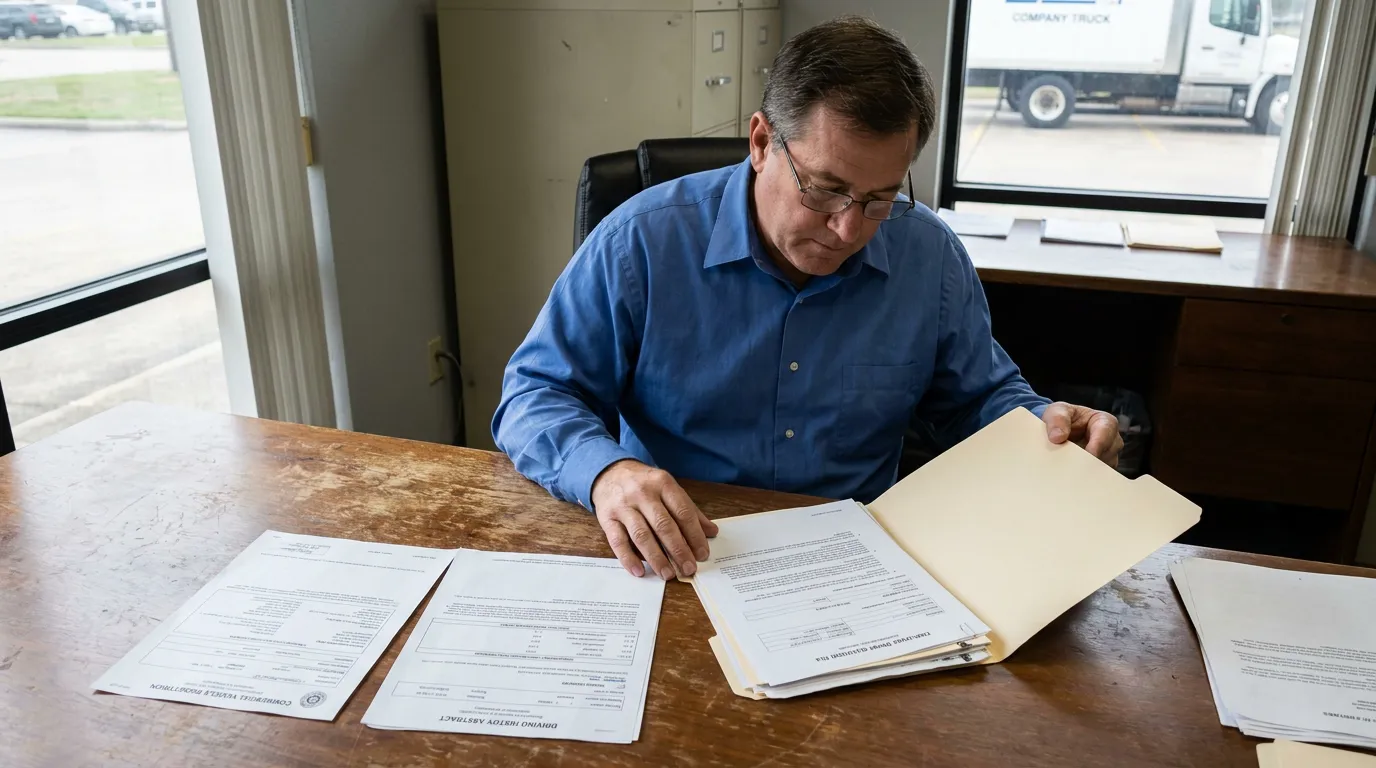
When a big rig causes a catastrophic wreck in Houston, the truck driver is rarely the only party at fault. The company that hired, trained, and handed over the keys may share legal responsibility, and the proof often lives inside corporate files. Records like driver qualification files, hiring documents, and federal compliance paperwork can show that a carrier put an unsafe driver on the road when it knew or should have known better. Understanding which documents matter is the first step toward holding a trucking company accountable.
If you or a loved one was hurt in a collision with a commercial vehicle, the team at Payne Law Firm is ready to listen and explain your options. Call us at 713-223-5100 or reach out through our online case review form to schedule a free consultation. We treat our clients like family.
What Negligent Entrustment Means in a Texas Truck Case
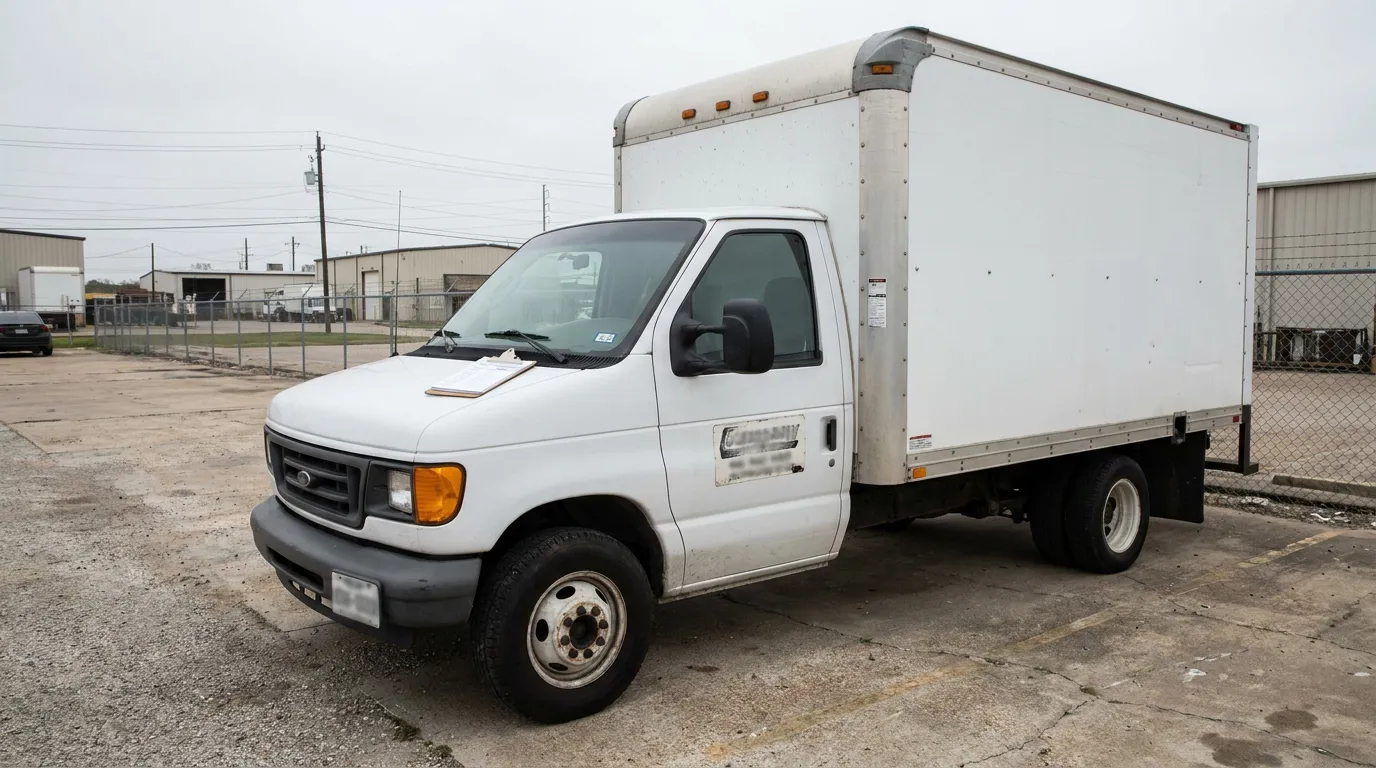
Negligent entrustment is a distinct claim that focuses on the owner or employer, not just the person behind the wheel. To prove it, an injured person must show that the owner entrusted a vehicle to an unlicensed, incompetent, or reckless driver whom the owner knew or should have known was unfit, and that the driver’s negligence proximately caused the injury. Corporate records such as hiring files, driving records, and prior incident reports frequently establish those elements.
Texas follows an at-fault system for motor vehicle collisions. The party who causes a crash is financially responsible for resulting damages. In a negligent entrustment truck crash Texas case, the carrier’s own fault in permitting an unfit driver to operate a commercial motor vehicle becomes central. Insurance in Texas generally follows the vehicle rather than the driver, so a company’s policy is often the primary source of coverage.
Liability against an owner frequently turns on the question of permission. A vehicle owner can be held responsible when the driver had permission to use the vehicle, a key element in an entrustment claim. Our overview of the 5 elements of a negligent entrustment claim walks through each requirement in plain language.
💡 Pro Tip: Move quickly to preserve evidence. A short, written request asking the trucking company to retain all driver and safety records can help prevent important files from being routinely deleted before a lawsuit begins.
The Core Corporate Records That Build a Negligent Entrustment Truck Crash Texas Claim
Texas law spells out exactly what evidence a claimant may present to prove negligent entrustment by a trucking employer. Under Texas Civil Practice and Remedies Code § 72.053, a claimant may introduce evidence of an employer’s failure to comply with applicable regulations, provided that evidence is admissible under other law, tends to prove the failure was a proximate cause of injury or death, and involves a regulation that is specific and governs the party at issue. You can review the statutory language in the Texas commercial motor vehicle statute.
This framework applies to carriers regulated under the Motor Carrier Safety Improvement Act of 1999 or Chapter 644 of the Transportation Code. The documents a carrier is required to keep become the backbone of a claim. The categories fall into two buckets: records about the driver, and records about the company’s conduct.
Texas also provides a dedicated statute addressing when a trucking employer can be liable for a driver’s negligence. Section 72.054 of the Civil Practice and Remedies Code frames the analysis Houston plaintiffs use to pursue the carrier directly. Under Section 72.054(c), when a qualifying employer defendant has stipulated to respondeat superior, the statute authorizes specific, identifiable records to be introduced as evidence.
Driver Qualification Files and Why They Matter
The driver qualification file is often the single most important set of documents in a commercial truck accident Houston claim. Under Texas Civil Practice and Remedies Code § 72.054(c)(1), a party may introduce records showing whether the driver was properly licensed and physically qualified to drive. These are exactly the documents federal regulations require a carrier to maintain.
Several federal records commonly live inside that file and help show whether the driver was legally fit when the company entrusted the truck:
- Valid road-test certificate under 49 C.F.R. 391.31
- Medical certification as physically qualified under 49 C.F.R. 391.41
- Employment application required by 49 C.F.R. 391.21(a)
A driver’s official driving record can also carry decisive weight. Under Texas Transportation Code § 522.081(g), a commercial driver whose conduct is deemed an imminent hazard under 49 C.F.R. 383.52 is disqualified from operating a commercial motor vehicle, and that disqualification is noted on the driver’s record. You can read the disqualification provisions in the Texas commercial license disqualification statute. A disqualification may establish that a driver was legally unfit at the time of entrustment.
💡 Pro Tip: Request the driver’s complete pre-employment history, not just the current file. Gaps in an application or missing prior-employer verifications can signal that a carrier skipped required vetting steps.
Company-Side Records That Show What the Carrier Knew
The second category of proof focuses on the trucking company’s own conduct. Under Texas Civil Practice and Remedies Code § 72.054(c), a claimant may present evidence about whether the employer complied with controlled-substance testing under 49 C.F.R. 382.301 (if the driver was impaired and the collision occurred within 180 days of hire), completed background investigations and inquiries required by 49 C.F.R. 391.23(a) (if the collision occurred within one year of hire), or was itself subject to an out-of-service order as defined by 49 C.F.R. 390.5 at the time of the collision. These items appear as separate lettered provisions within § 72.054(c)(2). These trucking company records can demonstrate that the carrier knew or should have known the driver was unfit.
FMCSA Clearinghouse records and testing documentation often fill in the picture. Controlled-substance testing files can reveal whether a carrier ignored a positive result or failed to screen a driver. When a company overlooks these federal safety duties, the paperwork itself becomes powerful truck crash evidence Houston juries can weigh.
Texas employers can face direct liability through several independent negligence theories including negligent hiring, negligent entrustment, negligent training, and negligent retention. Negligent retention examines the driver’s conduct between hire date and the wreck, which is why post-hire personnel and disciplinary records matter.
| Record Type | Primary Authority | What It May Show |
|---|---|---|
| Licensing and road-test certificate | 49 C.F.R. 391.31; § 72.054(c)(1) | Driver’s basic legal fitness |
| Medical certification | 49 C.F.R. 391.41 | Physical qualification to drive |
| Background investigations | 49 C.F.R. 391.23(a); § 72.054(c)(2)(C) | Whether the carrier vetted the driver |
| Controlled-substance testing | 49 C.F.R. 382.301 | Compliance with drug testing rules |
| Driving record disqualification | § 522.081(g) | Imminent-hazard disqualification |
How Bifurcated Trials Affect the Evidence You Present
Texas law limits when certain evidence can be shown to a jury in these cases. Under Section 72.054(d), when the employer defendant has stipulated to respondeat superior and the trial is bifurcated, evidence admissible under Section 72.054(c) is admissible in the first phase of the trial only to prove ordinary negligent entrustment, and it is the only evidence a claimant may present on the negligent entrustment claim in that phase.
This structure makes early, thorough investigation essential. Because admissible proof is defined by statute, building a strong negligent entrustment truck crash Texas case depends on securing the right records before they disappear. Our page for a dedicated Houston truck accident attorney explains how our firm approaches these investigations.
💡 Pro Tip: Outcomes always depend on the specific facts of your case. Two crashes with similar injuries can produce very different results based on what the corporate records reveal.
Frequently Asked Questions
1. What is the difference between negligent entrustment and vicarious liability?
They are separate legal theories. Vicarious liability holds an employer responsible because the driver acted within the scope of employment, while negligent entrustment focuses on the company’s own fault in permitting an unfit driver to operate the vehicle. A plaintiff may pursue both theories.
2. Which corporate records are most valuable in a truck crash claim?
The driver qualification file and the company’s safety compliance records usually carry the most weight. These include licensing, medical certification, background investigations, and controlled-substance testing documentation, subject to limits set by Texas Civil Practice and Remedies Code § 72.054.
3. How does an out-of-service order affect a case?
An out-of-service order can be strong evidence of a carrier’s knowledge of safety problems. Under Section 72.054(c)(2)(D), a claimant may introduce evidence that the employer was subject to an out-of-service order (as defined by 49 C.F.R. Section 390.5) at the time of the collision. In a bifurcated trial, this evidence is admissible in the first phase only to prove ordinary negligent entrustment by the employer defendant.
4. How long do I have to file a truck accident claim in Texas?
Texas generally applies a two-year deadline for personal injury claims, but exceptions exist. Because timing rules vary with the facts, and government-related claims may involve separate administrative deadlines, speak with a lawyer promptly rather than assume any extension applies.
Protecting Your Right to the Full Story
The truth about a truck crash often lives in files most injured people never see. Corporate records, driver qualification documents, and federal compliance paperwork can reveal whether a carrier put an unsafe driver on Houston roads. Because Texas law defines what evidence is admissible and when, and because files can be lost over time, acting quickly gives you the best chance to preserve the proof. With more than 20 years of service and recognition on the Texas Super Lawyers list from 2019 through 2026, our firm understands how to pursue these claims with care and diligence.
At Payne Law Firm, we believe injured Houstonians deserve to feel heard, informed, and respected. To discuss your situation in a free consultation, contact us now, call our office at 713-223-5100, or learn more about our team at Payne Law Firm. We are ready to fight for the answers and the compensation you deserve.