
Understanding the Rideshare Coverage Gap After a Houston Crash
Key Takeaways: Texas law divides rideshare insurance into three phases based on app status. Period 1, when a driver is logged on but hasn’t accepted a ride, caps bodily-injury coverage at $50,000 per person, $100,000 per incident, and $25,000 for property damage, far below the $1 million aggregate limit that applies once a trip is accepted. This leaves Houston victims exposed when serious injuries exceed the cap. Establishing the driver’s precise log-on status is critical, and Texas law requires the rideshare company to provide that information. Texas proportionate responsibility rules can further reduce recovery, and fault above 50 percent bars recovery entirely. Preserve all evidence, document losses, seek prompt medical care, and avoid recorded statements before consulting a lawyer.
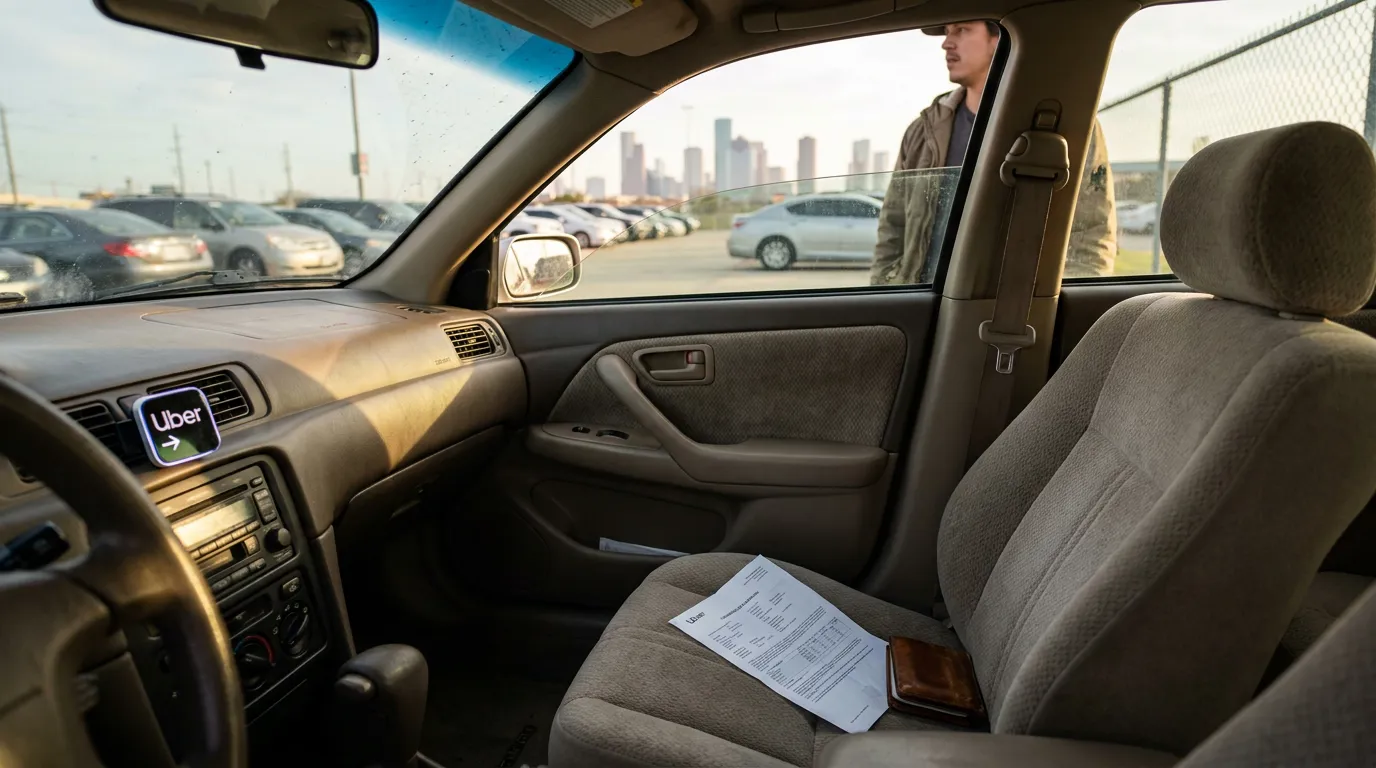
If you were hurt in a Houston Uber or Lyft crash, the amount of insurance available can change dramatically depending on one detail: what the rideshare driver was doing at the exact moment of impact. Texas law divides rideshare coverage into distinct phases, and the lowest layer, "Period 1," can leave injured victims facing a serious shortfall. When a driver is logged into the app waiting for a request but hasn’t accepted a trip, required liability coverage is capped far below what applies once a passenger is on board.
If you’re struggling with medical bills and unanswered questions, the team at Payne Law Firm is here to help. Call us at 713-223-5100 or reach out through our online contact form to schedule a free consultation.
How Texas Defines Rideshare Insurance Coverage Periods Houston Victims Should Know
Texas organizes rideshare insurance into phases that turn on the driver’s app status. The rules live in the Texas Insurance Code Chapter 1954, "Insurance for Transportation Network Company Drivers," enacted as Texas state law by Acts 2015, 84th Leg., R.S., Ch. 742 (H.B. 1733). These rules govern rideshare operations statewide, including Harris County. You can review the Texas rideshare insurance statute to see how each period is defined.
The three periods break down like this:
- Period 1: Driver is logged on and available but has not accepted a ride.
- Period 2: Driver has accepted a ride and is traveling to pick up the passenger.
- Period 3: Passenger is in the vehicle during a prearranged ride.
The distinction matters because each period carries different minimum coverage. Knowing which period applied when you were injured can be the difference between a modest recovery and one that fully addresses your losses.
💡 Pro Tip: Take a screenshot of the rideshare driver’s app screen at the scene if safe to do so. That image may help document whether a ride was active, accepted, or merely available.
The $50,000 Period 1 Cap and Why It Falls Short
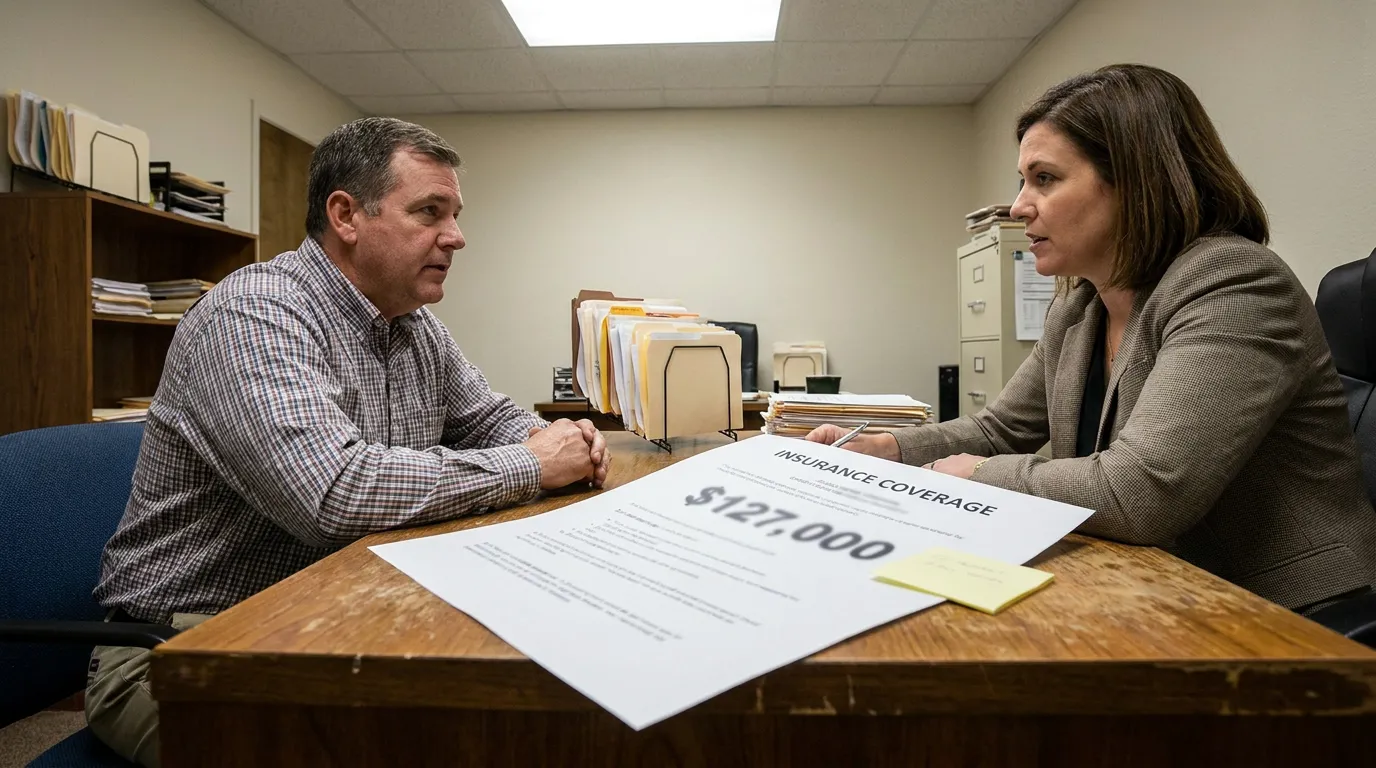
During Period 1, Texas law caps required bodily-injury liability coverage at a level that surprises many injured people. Texas Insurance Code Section 1954.052 requires, while a driver is logged on but not engaged in a prearranged ride, at least $50,000 for bodily injury or death per person, $100,000 per incident, and $25,000 for property damage. For seriously injured victims, this Period 1 coverage cap can be exhausted quickly.
The shortfall becomes clearer when compared to Texas’s general auto minimums. Texas Transportation Code Section 601.072 sets minimums of $30,000 per person, $60,000 for two or more persons, and $25,000 for property damage. The Period 1 per-person bodily-injury cap of $50,000 exceeds the state minimum required of every ordinary driver, yet a rideshare driver is working when Period 1 applies, and serious injuries can quickly exhaust even that higher limit.
Medical realities often widen that gap even further. Serious injuries don’t respect insurance limits. A study of recovery after mild traumatic brain injury among patients presenting to US Level I Trauma Centers found that a majority of individuals with mild TBIs still had symptoms and deficits more than 12 months after injury. When a Period 1 cap must stretch to cover a year or more of treatment, the numbers frequently don’t add up.
When Coverage Jumps to $1 Million
Once the driver accepts a trip, available coverage increases dramatically. Texas Insurance Code Section 1954.053 requires a total aggregate liability limit of $1 million for death, bodily injury, and property damage per incident while a driver is engaged in a prearranged ride. That’s twenty times the Period 1 per-person cap. This stark difference is why the timing of the crash relative to trip status can so dramatically change available compensation.
Because the stakes are high, proving the coverage period is critical. Fortunately, Texas law doesn’t leave victims to guess. Texas Insurance Code Section 1954.154 requires the transportation network company and its insurer to provide precise times the driver logged on and off in the 12-hour periods before and after the accident, plus a clear description of coverage, exclusions, and limits.
| Coverage Period | Driver Status | Required Minimum |
|---|---|---|
| Period 1 | Logged on, no ride accepted | $50,000 per person / $100,000 per incident / $25,000 property |
| Periods 2 and 3 | Ride accepted or passenger aboard | $1 million aggregate per incident |
💡 Pro Tip: Preserve everything. Ride receipts, app notifications, text messages, and dashcam footage can all help pin down which coverage layer applies to your claim.
How Texas Fault Rules Affect Your Recovery
Even when coverage is available, Texas fault rules can reduce what you collect. Texas follows proportionate responsibility, sometimes called comparative negligence. The law directs judges and juries to determine each party’s percentage of responsibility and reduce the claimant’s recoverable damages by their percentage of fault.
There’s an important threshold to keep in mind. Under the 51% bar rule, if the claimant’s percentage of fault is greater than 50 percent, they may not recover any damages from the other party. When a low Period 1 cap is already in play, an inflated fault finding can compound the problem. You can read more about how the proportionate responsibility law operates.
Be aware that some insurers use fault allocation strategically. One industry source describes adjusting on the basis of comparative negligence as a game played by some insurance companies to lower claims payments, calling arbitrary fault assignment an abuse of the system. An experienced Uber accident lawyer Houston residents trust can help document your losses and challenge unfair fault claims.
💡 Pro Tip: Avoid giving a recorded statement to any insurer before speaking with a lawyer. Casual comments can be twisted into admissions of partial fault.
Practical Steps to Protect Your Claim
Taking the right steps after a rideshare crash can preserve both evidence and coverage options. Texas law addresses situations where a driver’s policy falls short. Section 1954.054 addresses situations where a driver’s policy has lapsed or doesn’t provide required coverage. In such cases, the transportation network company shall provide the coverage required by the subchapter beginning with the first dollar of a claim against the driver.
Documentation is your strongest ally. Keep every medical record, bill, and pay stub reflecting lost income, and photograph your injuries as they heal. These records help establish both negligence and the full scope of your damages. For more educational articles, you can browse our resources and consult a lawyer for guidance tailored to your situation.
💡 Pro Tip: Seek medical attention promptly, even if you feel fine. Delayed treatment gives insurers an opening to argue your injuries weren’t serious or weren’t related to the crash.
Frequently Asked Questions
What is the $50,000 Period 1 cap?
It’s the minimum per-person bodily-injury coverage required when a rideshare driver is logged on but hasn’t accepted a ride. Under Texas Insurance Code Section 1954.052, that cap is $50,000 per person, $100,000 per incident, and $25,000 for property damage, significantly lower than the coverage once a trip is accepted.
How do I know which coverage period applied to my crash?
The driver’s app status at the moment of impact determines the period. Texas Insurance Code Section 1954.154 obligates the rideshare company and its insurer to provide the driver’s precise log-on and log-off times surrounding the accident.
Can I still recover if I was partly at fault?
In many cases, yes, but your recovery may be reduced. Texas uses proportionate responsibility, so your damages are lowered by your percentage of fault. However, if you’re found more than 50 percent at fault, you generally cannot recover from the other party.
What happens if the Period 1 cap doesn’t cover my losses?
Other coverage sources may come into play, depending on the facts. These can include the driver’s personal policy, uninsured or underinsured motorist coverage, or other liable parties. An attorney can evaluate which layers of coverage might apply.
How long do I have to file a rideshare injury claim in Texas?
Texas generally applies a two-year statute of limitations for personal injury claims, subject to exceptions. Courts interpret exceptions narrowly, and certain circumstances may alter the deadline, so it’s wise to speak with counsel promptly.
Moving Forward After a Houston Rideshare Injury
The $50,000 Period 1 cap can leave Houston rideshare crash victims facing bills that far exceed available coverage, but you have options. Establishing the driver’s status, understanding how Texas fault rules apply, and identifying every possible layer of insurance can make a meaningful difference in your recovery. Outcomes always depend on the specific facts of your case, and no result can be guaranteed. With more than 20 years of service, Payne Law Firm has helped over a thousand injured individuals and families pursue the compensation they deserved, and Attorney Jason E. Payne is Board Certified in Personal Injury Trial Law by the Texas Board of Legal Specialization.
You don’t have to navigate the rideshare coverage gap alone. Contact Payne Law Firm today by calling 713-223-5100 or completing our free case review form to speak with a caring team dedicated to helping injured Houstonians feel heard, informed, and respected.