
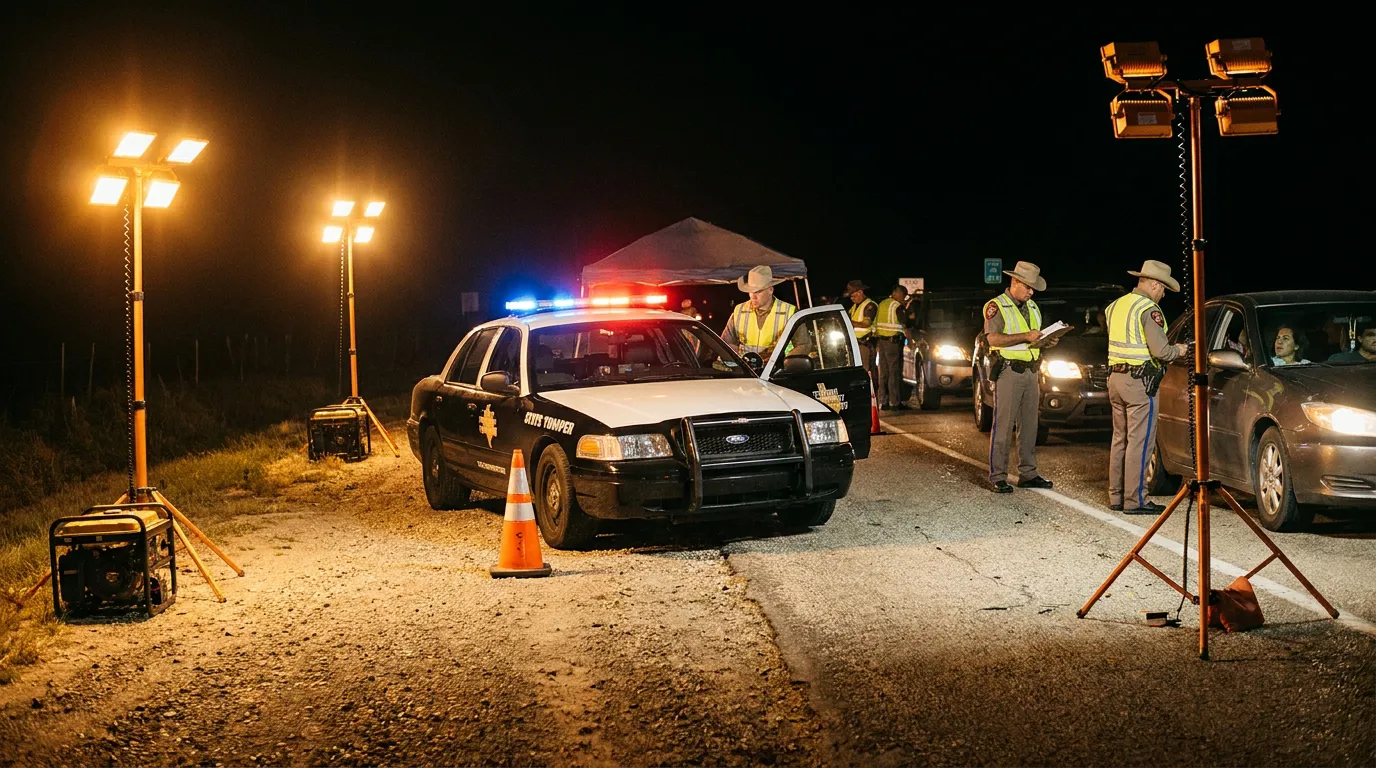
The Human Toll Behind Texas’s 2024 Drunk Driving Numbers
Key Takeaways: Official 2025 DUI crash statistics have not yet been publicly confirmed; in 2024 more than 1,000 Texans died in alcohol-related crashes (approximately 1,053, roughly three per day). Combining alcohol and THC increases crash risk 25 times. Texas escalates penalties from Class B misdemeanor first offenses to felonies for intoxication assault causing serious bodily injury. Victims hit by drunk drivers in Houston can pursue civil negligence claims, Texas Dram Shop Act claims against businesses that over-served alcohol, and the Crime Victims’ Compensation program. Civil claims use lower burden of proof than criminal cases and face a two-year statute of limitations. Acting quickly preserves evidence and protects filing deadlines.
More than 22,000 DUI crashes tore across Texas roads in 2025, and behind every statistic is a life changed in an instant. If you were hit by a drunk driver Houston families understand the fear, anger, and uncertainty that follow. Texas law gives injured victims and grieving families meaningful options to seek accountability and compensation.
At Payne Law Firm, we believe injured people deserve to feel heard during one of the most stressful moments of their lives. If a drunk driver harmed you or someone you love, call us at 713-223-5100, visit Payne Law Firm to learn more, or reach out through our contact page for a free consultation.
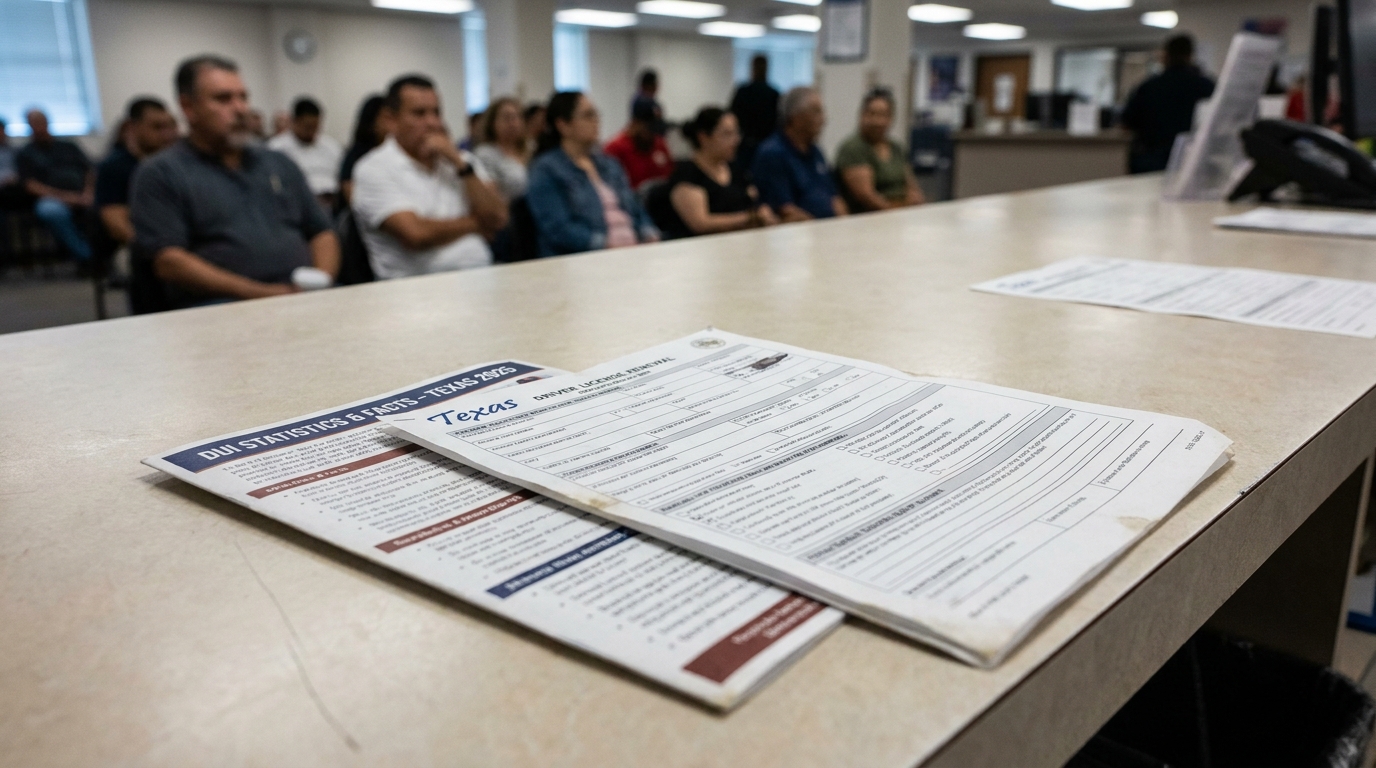
What the 2024 Texas DUI Crash Data Reveals
The latest Texas drunk driving crash data paints a sobering picture. Full official 2025 DUI crash statistics from TxDOT have not yet been publicly confirmed. In 2024, approximately 1,053 people died in Texas because of alcohol-related crashes. These represent parents, children, coworkers, and neighbors throughout Houston who never made it home.
Texas DUI crashes in 2025 reflect a pattern of preventable choices. Impaired driving extends beyond alcohol alone, and combining substances dramatically raises danger to everyone on the road.
The Dangerous Mix of Alcohol and Drugs
One of the most alarming findings involves alcohol and marijuana interaction. According to the Texas Department of Transportation, when alcohol and THC are used together, drivers are 25 times more likely to cause a fatal crash. This compounding risk explains why prosecutors and civil courts treat impaired driving seriously. Review the state’s overview of Texas impaired driving penalties to see how these dangers are addressed.
💡 Pro Tip: If you suspect drugs and alcohol were both involved in your crash, ask whether toxicology testing was performed. This evidence can significantly strengthen a civil claim and should be preserved early.
Criminal Penalties Impaired Drivers May Face
Texas treats driving while intoxicated as escalating offenses. Under Texas Penal Code § 49.04, a person commits an offense if intoxicated while operating a motor vehicle in a public place. A first offense is generally a Class B misdemeanor with minimum 72-hour confinement, elevated to Class A misdemeanor if blood alcohol concentration is 0.15 or more, and rises to state jail felony under Section 49.045 if transporting a child passenger younger than 15.
The consequences for impaired drivers are steep. TxDOT reports a DWI can cost up to $17,000 in fines and fees, plus jail time, license loss, community service, court appearances, and court-ordered classes. Drivers convicted of a first DWI in Texas face license loss for up to one year (up to two years for second and subsequent offenses), court-imposed fines ranging from up to $2,000 (first offense) to $10,000 (third or felony offense) depending on the offense, and one-time civil fines under Texas Transportation Code §709.001 assessed upon sentencing: $3,000 for a first DWI conviction within a 36-month period, $4,500 for a subsequent conviction within a 36-month period, or $6,000 if the driver had a BAC of 0.15 or higher. These replaced the old annual DPS surcharges when the Driver Responsibility Program was repealed on September 1, 2019. Read the full text of these Texas intoxication offense statutes to understand penalty structures.
When a Crash Causes Serious Injury or Worse
Texas law sharply increases consequences when impaired drivers seriously hurt someone. Under Texas Penal Code § 49.07, intoxication assault occurs when a person operating a motor vehicle while intoxicated causes serious bodily injury to another by reason of that intoxication. This offense is generally a third-degree felony. Serious bodily injury means injury creating substantial risk of death or causing serious permanent disfigurement or protracted loss or impairment of any bodily member or organ.
Certain victims trigger harsher felony classifications. Under Texas Penal Code § 49.09, intoxication assault rises to second-degree felony for serious bodily injury to on-duty firefighters or EMS personnel, and first-degree felony for injury to on-duty peace officers or judges.
Texas continues strengthening these laws. Section 49.04 penalties were amended by Acts 2025, 89th Legislature, Regular Session, Chapter 991 (S.B. 826), effective September 1, 2025.
💡 Pro Tip: A criminal conviction is not required to recover compensation in a civil case. Civil claims use lower burden of proof, so victims may pursue damages even if criminal charges are reduced or dismissed.
Your Options If You Were Hit by a Drunk Driver Houston Victims Should Know
If you were hit by a drunk driver Houston law provides accountability beyond criminal courtrooms. A civil personal injury claim requires proving duty, breach, causation, and damages, a framework impaired driver conduct often supports.
State indemnification protections do not shield impaired drivers. Under Texas Civil Practice and Remedies Code § 104.0035(c), indemnification does not apply to persons criminally prosecuted for operating a motor vehicle while intoxicated under Section 49.04, intoxication assault under Section 49.07, or intoxication manslaughter under Section 49.08.
Victims must act within strict deadlines. Texas personal injury lawsuits face a two-year statute of limitations, though courts interpret exceptions narrowly. Government administrative claim deadlines, such as victim compensation programs, differ significantly. Acting promptly preserves evidence and protects rights. For fatal crash handling, see our discussion of Houston DUI crash fatalities and attorneys.
Holding Bars and Businesses Accountable Under the Dram Shop Act
Businesses that over-serve alcohol may share crash responsibility. The Texas Dram Shop Act (1987) allows drunk driving victims to sue businesses serving alcohol to obviously intoxicated persons who present clear danger. The Act protects those suffering personal injury or property damage from intoxicated individuals’ actions.
Research supports these laws’ effectiveness. The Community Preventive Services Task Force concluded dram shop liability effectively prevents and reduces alcohol-related harms, including motor vehicle crash deaths and injuries.
💡 Pro Tip: Receipts, surveillance footage, and witness statements from bars or restaurants disappear quickly. If you believe a business over-served the driver who hit you, preserve evidence early.
Common accountability sources for DUI crash victims:
- The impaired driver through civil negligence claims
- Businesses that over-served alcohol under the Texas Dram Shop Act
- The Crime Victims’ Compensation program for qualifying expenses
Compensation and Support for DUI Crash Victims
Victims may access financial relief through multiple channels. Beyond civil claims against at-fault drivers, victims may qualify for the Crime Victims’ Compensation program administered by the Texas Attorney General’s office, covering crime-related expenses. This administrative program operates separately from civil lawsuits with distinct eligibility rules and deadlines.
Texas channels public resources toward prevention. Under Texas Transportation Code § 504.608, the state issues "Mothers Against Drunk Driving" specialty license plates, with net proceeds appropriated to the Texas Higher Education Coordinating Board for MADD-sponsored drug-abuse prevention and education programs.
Added penalties exist when children are involved. TxDOT explains drivers charged with child endangerment for driving impaired with children under 15 may face additional fines up to $10,000. For car accident claims in Houston, our team serves as a trusted drunk driving lawyer Houston TX residents rely on.
💡 Pro Tip: Keep all medical bills, repair estimates, and pay stubs showing lost wages in one folder. Organized documentation simplifies calculating full damage value.
DWI offense escalation under Texas law:
| Circumstance | General Classification |
|---|---|
| Standard first offense (§ 49.04) | Class B misdemeanor |
| BAC of 0.15 or higher | Class A misdemeanor |
| DWI with a child passenger under 15 (§ 49.045) | State jail felony |
| Serious bodily injury (§ 49.07) | Third-degree felony |
| Injury to a peace officer or judge (§ 49.09) | First-degree felony |
Frequently Asked Questions
1. How long do I have to file a claim after being hit by a drunk driver?
Texas applies a two-year statute of limitations to personal injury claims. Courts interpret exceptions narrowly, and tolling doesn’t apply automatically. Administrative deadlines for crime victims’ compensation differ, so act promptly to protect all options.
2. Can I still recover damages if the driver was not convicted?
Yes, criminal conviction isn’t required for civil claims. Civil cases use lower burden of proof than criminal prosecutions, allowing compensation recovery even if charges are reduced or dismissed.
3. Could a bar be held responsible for my crash?
In some circumstances, yes. The Texas Dram Shop Act may allow recovery against businesses serving alcohol to obviously intoxicated patrons who later caused harm. These fact-intensive claims have specific proof requirements.
4. What compensation might be available to me?
Compensation may include medical expenses, lost wages, property damage, and pain and suffering. Victims may also explore the Crime Victims’ Compensation program for qualifying costs. Every case differs, so results cannot be guaranteed.
5. Why should I act quickly after a DUI crash?
Evidence like surveillance video, receipts, and witness memories fade fast. Early preservation makes meaningful difference in proving negligence and causation. Prompt action also protects filing deadlines that may limit options.
Moving Forward After a Drunk Driving Crash
The 2024 Texas drunk driving statistics remind us impaired driving remains a serious threat to Houston families. Yet victims have recourse. Texas law provides criminal accountability, civil remedies, dram shop liability, and compensation programs to help people rebuild after devastating crashes. Understanding these facts strengthens your position to protect rights and pursue deserved recovery.
At Payne Law Firm, we treat clients like family and bring over 20 years serving injured Houstonians, including representation by an attorney Board Certified in Personal Injury Trial Law by the Texas Board of Legal Specialization. If you or someone you love was harmed by an impaired driver, call us at 713-223-5100, learn more at Payne Law Firm, or request your free consultation here. We listen, explain options clearly, and fight for people insurance companies too often overlook.