
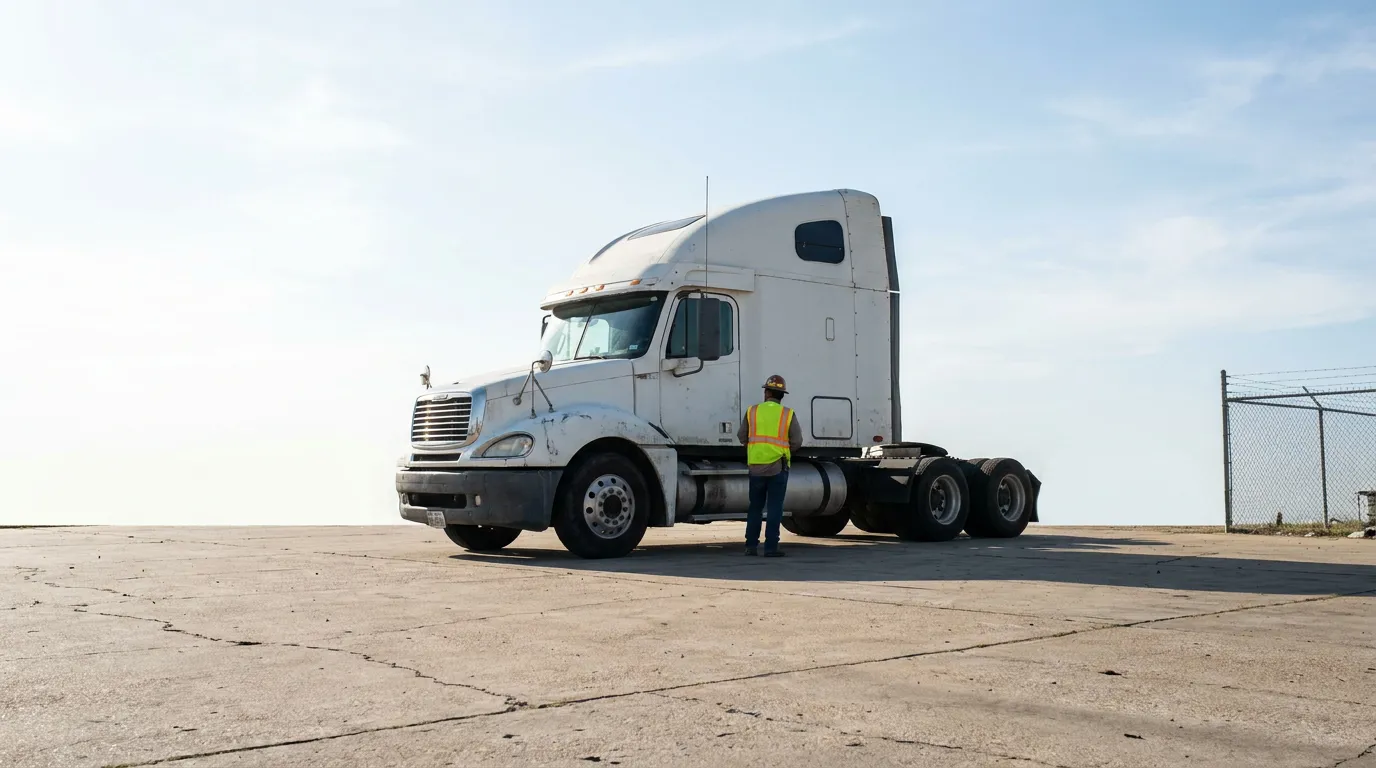
Turning a Houston Truck Wreck Into a Compelling Legal Claim
Key Takeaways: Building a strong truck accident case in Houston requires acting quickly, preserving critical evidence, identifying every liable party, and proving the full extent of your damages. The five essential steps are seeking prompt medical care, identifying all responsible parties including the driver and motor carrier, preserving evidence like driver logs and inspection records, proving negligence and causation, and filing within the two-year deadline. Texas follows a modified comparative fault system where your recovery is reduced by your share of fault and barred entirely if you are more than 50% responsible. Commercial truck claims involve federal regulations, corporate defendants, and overlapping theories of liability under Chapter 72. Insurers often use tactics like recorded statements, quick settlement offers, and disputes over medical necessity. A methodical, well-documented approach gives victims and families the strongest foundation to pursue deserved compensation.
Building a strong truck accident case in Houston comes down to acting quickly, preserving the right evidence, identifying every responsible party, and proving the full scope of your damages under Texas law. Collisions with 18-wheelers cause catastrophic injuries, and trucking companies and insurers often begin their investigations within hours. A clear, step-by-step approach gives injured people and grieving families a meaningful chance to pursue the compensation they deserve.
If you or a loved one was hurt in a commercial truck collision, the team at Payne Law Firm is here to listen, explain your options, and stand beside you. Reach us at 713-223-5100 for a free consultation, or request your case review online whenever you are ready.

Why Commercial Truck Cases Demand a Strategic Approach
Truck cases are more complex than ordinary car wrecks because they involve federal regulations, corporate defendants, and overlapping theories of liability. Under Texas Civil Practice and Remedies Code § 72.051(4), a "commercial motor vehicle" means a motor vehicle being used for commercial purposes in interstate or intrastate commerce to transport property or passengers, deliver or transport goods, or provide services. The term excludes vehicles used for personal, family, or household purposes.
This classification matters because it determines whether the special protections and obligations of Chapter 72 apply to your claim. For two decades, our firm has guided injured Houstonians through this process, and Attorney Jason E. Payne is Board Certified in Personal Injury Trial Law by the Texas Board of Legal Specialization.
💡 Pro Tip: Save every document connected to the crash, including the police report, medical records, and any correspondence from the trucking company’s insurer. Adjusters sometimes contact victims early to lock in low-value statements.
The Five Steps That Strengthen Your Truck Crash Case
A methodical sequence of truck wreck legal steps in Houston helps protect both your health and your claim. Each step builds on the last. Below are the five steps we recommend.
Step One: Seek Medical Care and Document Your Injuries
Prompt medical treatment protects your recovery and creates a record connecting your injuries to the crash. Gaps in treatment give insurers room to argue your injuries were minor or unrelated. Follow your providers’ instructions and keep copies of every bill, imaging study, and discharge note. These records form the backbone of your damages claim.
Step Two: Identify Every Liable Party
One of the most important truck crash case steps in Texas is determining who can be held responsible. A trucking company may be liable for its driver’s conduct through respondeat superior. Under Texas Civil Practice and Remedies Code § 72.054(a), except as provided by Subsection (d), an employer defendant’s liability for damages caused by the ordinary negligence of a person operating the defendant’s commercial motor vehicle is based only on respondeat superior if the defendant stipulates, within the time provided by Section 72.052 for filing a motion to bifurcate, that the operator was the defendant’s employee and was acting within the scope of employment at the time of the collision.
Texas law also preserves separate, independent claims against the company. Section 72.054(f) provides that nothing prevents a claimant from pursuing an ordinary negligence claim against an employer defendant, such as negligent maintenance, or a claim for exemplary damages under Chapter 41 for the employer’s own conduct. Potentially responsible parties may include:
- The truck driver whose negligence caused the collision
- The motor carrier or employer that controlled the route and schedule
- A maintenance or repair company responsible for the vehicle’s condition
- A cargo loader, parts manufacturer, or other entity whose conduct contributed
Step Three: Preserve and Gather Critical Evidence
Evidence in a commercial truck case can disappear quickly, so preserving it early is essential. Driver logs, inspection reports, and maintenance files often hold the key to proving negligence. Texas ties intrastate log requirements to federal rules for specific carriers, and Transportation Code § 644.053(d) provides that rules relating to hours of service, an operator’s record of duty status, or a daily log for operations outside a 150-mile radius also apply to motor carriers of household goods not using a commercial motor vehicle.
Inspection compliance is another rich source of proof. Transportation Code § 548.201(a) requires the commission to establish an inspection program for commercial motor vehicles that meets federal requirements and requires a commercial motor vehicle registered in Texas to pass an annual inspection of all required safety equipment. To understand which records matter most, review our guide on the truck accident evidence steps that often make or break a claim.
💡 Pro Tip: Ask your attorney about sending a spoliation letter right away. This formal notice puts the trucking company on notice to preserve logs, electronic data, and the truck itself before anything is altered or destroyed.
Step Four: Prove Negligence, Causation, and Damages
Building liability means showing the truck operator or company failed a duty of care and that this failure caused your harm. Hours-of-service violations can be powerful here. Under Transportation Code § 644.053(a), a rule adopted under that chapter may not prevent an intrastate operator from operating a vehicle up to 12 hours following eight consecutive hours off duty, which gives a clear safety benchmark when fatigue is suspected. Accident reconstructionists and medical professionals help connect violations to your injuries and losses.
Step Five: File on Time and Prepare for Trial Procedure
Texas imposes a firm filing window, and missing it can end an otherwise strong claim. Texas Civil Practice and Remedies Code § 16.003 establishes a two-year limitations period for personal injury and property damage claims. While narrow exceptions can apply, courts generally interpret tolling exceptions narrowly, so never assume an extension applies automatically. Commercial cases also carry a unique trial structure. Section 72.052 provides that, on motion by a defendant, the court shall provide for a bifurcated trial, with the trier of fact determining liability and compensatory damages in the first phase and exemplary damages in the second phase.
How a Houston Truck Accident Attorney Approaches Liability and Fault
A Houston truck accident attorney builds a case around Texas proportionate responsibility rules, which directly affect what you can recover. Texas follows a modified comparative fault system. Under the proportionate responsibility statute, a claimant may not recover damages if his percentage of responsibility is greater than 50 percent. When fault stays at or below that threshold, recovery is reduced rather than barred. Under Section 33.012(a), damages are reduced by the claimant’s percentage of responsibility, so a person found 30% at fault could recover 70% of total damages.
Because every percentage point matters, careful investigation to minimize assigned fault is central to a Houston truck collision case. The broader framework appears in Chapter 72 of the Civil Practice and Remedies Code, which governs many commercial vehicle actions. For a closer look at how we handle these claims, visit our Houston truck injury attorney page.
| Claimant’s Fault | General Effect on Recovery |
|---|---|
| 0% to 50% | Recovery allowed, reduced by fault percentage |
| More than 50% | Recovery barred under § 33.001 |
💡 Pro Tip: Avoid posting about the crash on social media. Defense teams routinely review public posts to argue you were more at fault or less injured than you claim.
Common Challenges Injured Houstonians Face
Even strong cases meet resistance from insurers who aim to undervalue serious injuries. Recorded statements, quick settlement offers, and disputes over medical necessity are common tactics. Outcomes always depend on the specific facts, and no result can be guaranteed, but understanding these pressures helps you respond with confidence. Our firm has helped over a thousand injured individuals and families, and we built our practice around helping people feel heard, informed, and respected.
Frequently Asked Questions
1. How long do I have to file a truck accident lawsuit in Texas?
Generally, you have two years from the collision date under Texas Civil Practice and Remedies Code § 16.003. Limited exceptions may apply, but courts read them narrowly, so act early.
2. Can I still recover money if I was partly at fault?
In many cases, yes. Texas reduces your recovery by your share of fault and bars recovery only if you are more than 50% responsible under § 33.001.
3. Can I sue the trucking company and not just the driver?
Often, both can be defendants. Section 72.054 allows liability against an employer through respondeat superior and preserves separate claims like negligent maintenance.
4. What evidence matters most in an 18-wheeler claim process in Houston?
Driver logs, inspection records, maintenance files, and electronic data are frequently decisive. These items can be lost quickly, so preserving them early is critical.
5. Why are truck trials sometimes split into two phases?
Under § 72.052, a defendant may request a bifurcated trial, separating compensatory damages from exemplary damages. Your legal team should prepare for both phases.
Protecting Your Right to Full Compensation
Following these truck lawsuit steps in Texas gives you a stronger foundation for pursuing fair compensation after a devastating commercial vehicle crash. From securing medical care and identifying every liable party to preserving evidence and filing on time, each step works together to protect your rights under Texas law. While no outcome is guaranteed, a thoughtful and well-documented approach positions you to counter insurer tactics and pursue the recovery your circumstances support.
You do not have to face the trucking companies and their insurers alone. Reach out to Payne Law Firm today by calling 713-223-5100 or by sending us a message through our confidential contact form to schedule your free consultation. We are ready to listen, explain your options clearly, and fight for you and your family.