
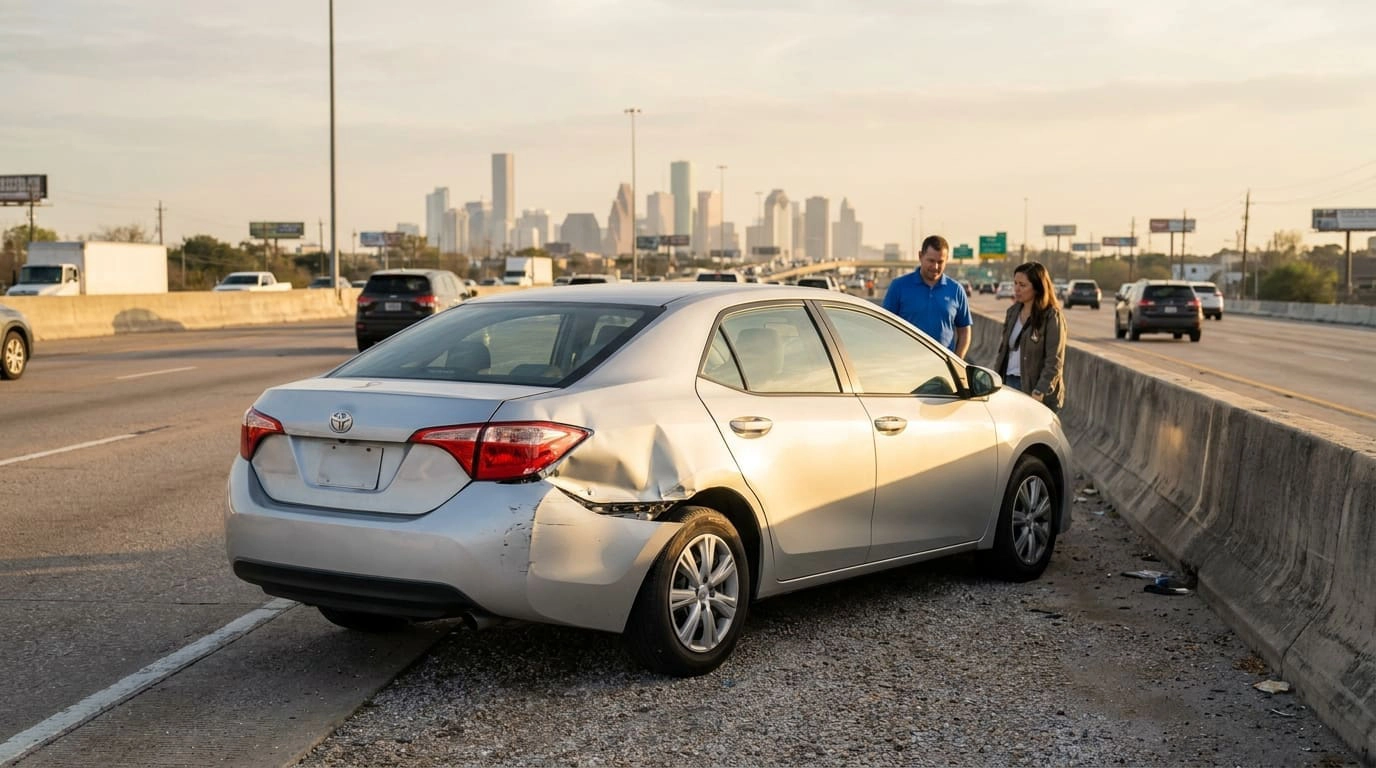
Understanding the Key Factors Behind a Houston Car Accident Settlement
Key Takeaways: Several factors determine the value of a Houston car accident settlement, including the severity of your injuries, the strength of your evidence, and how fault is allocated under Texas law. Texas follows a modified comparative negligence rule under Tex. Civ. Prac. & Rem. Code § 33.001, which bars recovery entirely if you are found more than 50% at fault. Insurance companies use fault disputes and low initial offers to reduce payouts. Understanding economic and non-economic damages, settlement timelines, and how multiple parties affect your claim helps you pursue fair compensation.
If you have been hurt in a car accident in Houston, your settlement value depends on legal, medical, and factual factors unique to your case. There is no one-size-fits-all formula. The severity of your injuries, who caused the crash, how many parties were involved, and the quality of your evidence all shape the outcome. Texas law also imposes specific rules about fault and damages that directly affect your compensation. Understanding these factors helps you make informed decisions and avoid accepting less than you deserve.
At Payne Law Firm, we have spent over 20 years helping injured Houstonians navigate the claims process with compassion and clarity. Call us at 713-223-5100 or reach out online for a free consultation.
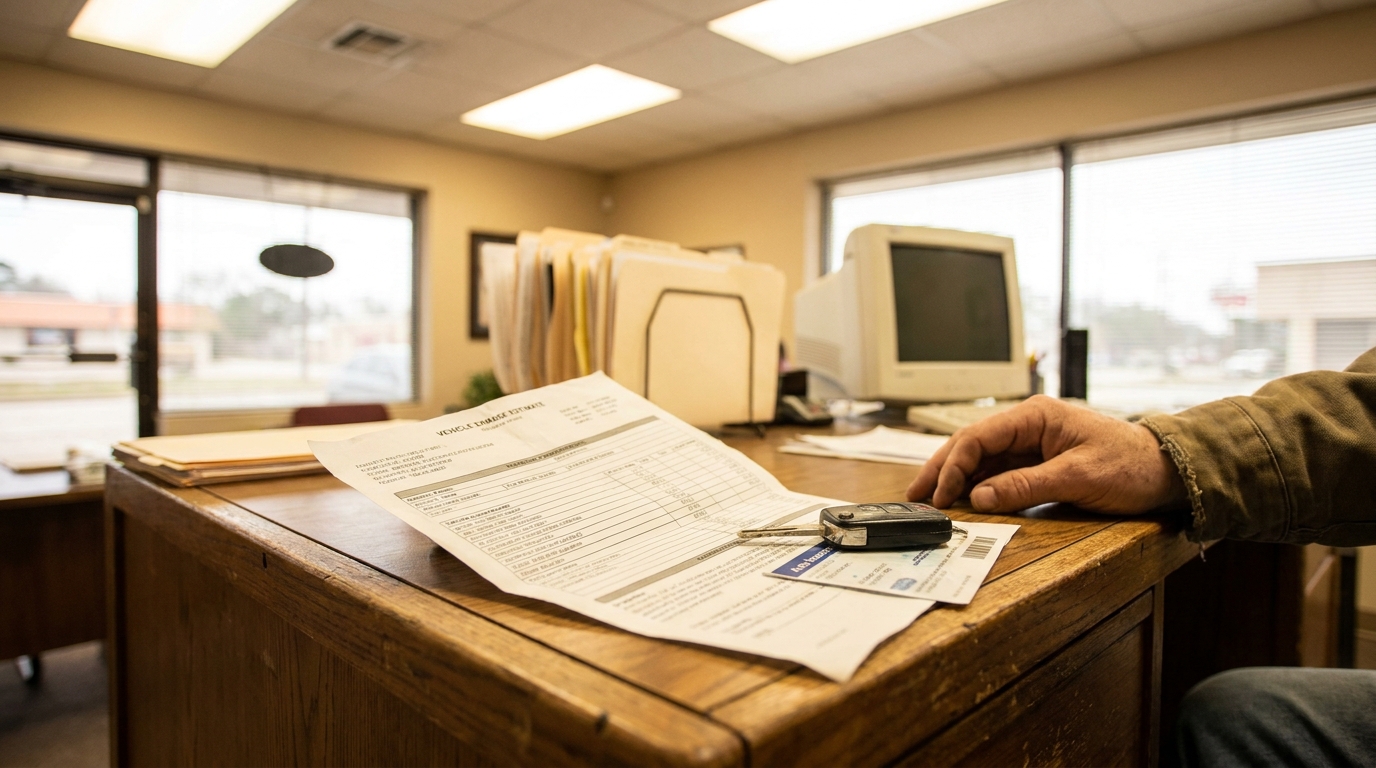
How Fault Affects Your Houston Car Accident Settlement
Texas Modified Comparative Negligence Rules
The percentage of fault assigned to you is one of the most critical factors in any car accident settlement in Houston. Texas follows a modified comparative negligence system codified in Chapter 33 of the Texas Civil Practice and Remedies Code. Under Tex. Civ. Prac. & Rem. Code § 33.001, a claimant is completely barred from recovering damages if their percentage of responsibility exceeds 50%. If an insurance company or jury finds you 51% or more at fault, you receive nothing.
If your fault is at or below that 50% threshold, your damages are reduced proportionally. Under Tex. Civ. Prac. & Rem. Code § 33.012(a), the court reduces damages by a percentage equal to the claimant’s percentage of responsibility. For example, if you are found 25% at fault and your total damages are $10,000, your recovery would be reduced to $7,500. This proportionate reduction applies to every element of your claim and makes fault determination in car accidents essential to the settlement process.
💡 Pro Tip: Keep detailed records of everything related to the accident, including photos, medical records, and witness information. Strong evidence of the other driver’s fault can prevent insurers from inflating your share of responsibility and reducing your settlement.
How Insurance Companies Use Fault Against You
Insurance adjusters frequently assign a higher percentage of fault to claimants as a strategy to reduce or eliminate claims. You might receive a letter stating you are 70% at fault, which under Texas law would completely bar your recovery. Insurers are profit-driven, and they settle claims as cheaply as possible. The first offer often falls well short of actual needs. Understanding that the adjuster is not on your side is an important first step toward protecting your claim.
💡 Pro Tip: Never accept an insurance company’s fault determination at face value. An independent investigation, including police report review and witness statements, may reveal a very different picture.
What Types of Damages Shape Car Crash Compensation in Houston?
A Houston injury settlement generally covers two broad categories of damages: economic and non-economic. Knowing what falls into each category helps you evaluate whether a settlement offer is fair.
| Damage Category | Examples | How It Is Calculated |
|---|---|---|
| Economic (Special) Damages | Medical bills, lost wages, property damage, future medical costs | Based on documented financial losses |
| Non-Economic (General) Damages | Pain and suffering, mental anguish, lost enjoyment of life | Subjective; no fixed formula applies |
Economic damages are easier to quantify because they are tied to actual bills, receipts, and pay stubs. Non-economic damages, such as pain and suffering, are more subjective. Insurers sometimes use informal multipliers as internal starting points when evaluating non-economic damages, but these are not required by law and no standardized formula exists. The severity and permanence of your injuries, disruption to daily life, and credibility of medical documentation all influence this number. To learn more, read about damages a car accident attorney can recover.
💡 Pro Tip: Do not rush to settle before reaching maximum medical improvement. Settling too early may leave future medical expenses and long-term pain uncompensated.
How Multiple Parties Affect Settlement Negotiations
Many car accidents involve more than two drivers, and identifying all responsible parties can significantly affect your settlement calculation in Houston, TX. Multiple vehicles, commercial trucks, rideshare drivers, or even a government entity responsible for road maintenance may share liability. When several people or entities are involved, the number of potential defendants and insurance policies increases, which can complicate but also improve your recovery options.
Under Texas law, each defendant is generally liable only for their own percentage of responsibility, but important exceptions apply. Tex. Civ. Prac. & Rem. Code § 33.013(a) provides that a liable defendant pays only the percentage of damages equal to that defendant’s percentage of responsibility. However, under § 33.013(b), a defendant becomes jointly and severally liable if their percentage of responsibility is greater than 50%, or if they acted with specific intent to do harm to others in concert with another person to engage in conduct described in the specific enumerated provisions of the Texas Penal Code (such as certain felonies including murder, kidnapping, and sexual assault). This means that in some multi-party cases, a majority-at-fault defendant can be held responsible for more than their proportionate share. Identifying every at-fault party early is critical to maximizing your total recovery.
Settlement Timelines and What Causes Delays
There is no fixed timeline for resolving a Texas car accident claim, and several variables influence how long the process takes. The complexity of the crash, the extent of your injuries, and the quality of available evidence all play a role. Insurers may also delay the process if they suspect exaggerated injuries or if fault is disputed. Cases involving catastrophic injuries or insurance bad-faith tactics often take longer because the stakes are higher for both sides.
Patience during the settlement process can work in your favor. Accepting a quick, low offer may save time but often means leaving significant compensation on the table. Your attorney can help you weigh the benefits of continued negotiation or litigation against the cost of waiting.
💡 Pro Tip: Ask your attorney for a realistic timeline based on the specific facts of your case. Understanding the process reduces stress and helps you plan financially while your claim is pending.
Why the Right Attorney Matters for Your Houston Auto Accident Damages Claim
Having a Houston car accident settlement lawyer is particularly important when injuries are serious or liability is contested. Investigating the cause of a car accident is essential in determining fault, and most U.S. accidents result from preventable driver errors. A thorough investigation can uncover evidence that shifts fault away from you and toward the responsible party. Car accident lawyers typically work on a contingency-fee basis, meaning you pay nothing upfront and the attorney is paid only if you recover compensation.
Attorney Jason Payne built his practice around helping injured Houstonians feel heard, informed, and respected during stressful moments. Board Certified in Personal Injury Trial Law by the Texas Board of Legal Specialization and recognized as a Texas Super Lawyer from 2019 through 2026, Attorney Payne and the Payne Law Firm team treat clients like family. This firm understands Houston communities and fights for people who may feel overlooked by insurance companies.
💡 Pro Tip: Take advantage of free consultations to discuss your case before making decisions. An initial conversation can help you understand your claim’s strengths and weaknesses without financial commitment.
Frequently Asked Questions
1. How is a Houston car accident settlement calculated?
There is no single formula. Settlement value depends on injury severity, documented economic losses, and the degree of fault assigned to each party. Insurers may use informal multipliers as internal benchmarks for non-economic damages like pain and suffering, but no standardized formula is required by law.
2. What happens if I am partially at fault for my car accident in Texas?
Under Texas’s modified comparative negligence rule in Tex. Civ. Prac. & Rem. Code § 33.001, you are barred from recovery if your fault exceeds 50%. If your fault is 50% or less, your damages are reduced by your percentage of responsibility.
3. How long does a car wreck settlement in Texas typically take?
Timelines vary widely. Factors include accident complexity, injury severity, evidence quality, and whether fault is disputed. Some claims settle in weeks, while others may take months or longer.
4. Can multiple people be held liable for my car accident?
Yes. Many accidents result from multiple causes, and several people or entities may share liability. Under Texas law, each defendant generally pays only their proportionate share unless that defendant is more than 50% at fault or acted with specific intent to do harm to others in concert with another person to engage in conduct described in the specific enumerated provisions of the Texas Penal Code (such as murder, kidnapping, sexual assault, and other listed felonies), in which case joint and several liability may apply under § 33.013(b).
5. Should I accept the insurance company’s first settlement offer?
In most cases, no. Insurance companies are profit-driven and initial offers often fall short of a claim’s worth. Consulting an attorney before accepting any offer helps you understand whether the amount is fair.
Protecting Your Right to Fair Compensation After a Houston Car Accident
The factors that determine a personal injury settlement in Houston are interconnected, and understanding each one puts you in a stronger position. From fault allocation under Texas comparative negligence law to the types of damages you can claim, every detail matters. Insurance companies have teams working to minimize payouts, and you deserve someone equally committed working on your side. The decisions you make early, including preserving evidence, seeking proper medical care, and consulting an attorney, can shape your entire case outcome.
The team at Payne Law Firm is here to guide you through every step with personalized support. Call 713-223-5100 today or contact us for a free consultation to discuss your case and learn how we can help.