
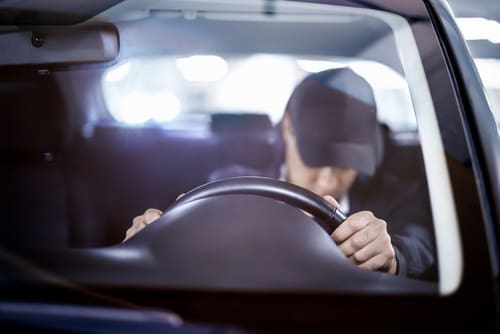
If you or a loved one suffered injuries in a crash caused by an impaired driver, the strength of your claim depends on the evidence you gather and preserve. Houston drunk driving accident cases hinge on proving the at-fault driver was intoxicated and that their impairment directly caused the collision and your injuries. Understanding which evidence carries the most weight can significantly impact your compensation.
If you need guidance after a drunk driving crash, Payne Law Firm is ready to help. Call 713-223-5100 or reach out online to discuss your case today.
Why BAC Evidence Matters in a Houston Drunk Driving Attorney Case
Blood alcohol content is one of the most compelling pieces of evidence in any DWI accident claim in Texas. When a driver is hospitalized after a crash, medical staff often draw blood, and that BAC reading becomes part of the medical record. In one Texas case, a driver’s BAC was recorded at 0.139%, well above the 0.08% legal limit, even hours after the collision.
BAC results do more than confirm intoxication at a single point in time. Attorneys may use retrograde extrapolation to estimate the driver’s BAC at the moment of the crash. In the case above, legal counsel argued that the driver would have needed between 11 and 19 standard drinks to reach the recorded BAC level, contradicting the driver’s claim of only three or four drinks. This analysis can powerfully undermine a defendant’s version of events.
💡 Pro Tip: Request copies of the at-fault driver’s hospital records as early as possible. BAC results documented by medical professionals carry significant weight due to established chain-of-custody protocols.

Gathering Scene Evidence After a Drunk Driving Crash
What you do immediately after a collision can shape your entire claim. If physically able, photograph and video the accident scene, including vehicle damage, injuries, and road conditions. Obtain contact information from witnesses who saw the crash or observed the other driver’s behavior beforehand.
Scene evidence captures details that fade quickly. Skid marks, debris patterns, traffic signals, and vehicle positions tell a story about how the collision occurred. Witness statements about the at-fault driver swerving, speeding, or running a red light may corroborate impairment before BAC results become available. An experienced car accident lawyer in Houston can help preserve this critical evidence.
How a Criminal DWI Conviction Strengthens Your Civil Case
A criminal conviction for DUI or DWI can serve as powerful evidence in your civil drunk driving injury claim. While the criminal case focuses on punishing the offender, the conviction may be used as strong evidence of intoxication. Whether it conclusively establishes intoxication depends on specific circumstances, but it can significantly simplify proving negligence.
The criminal case and civil case serve different purposes. The criminal proceeding holds the driver accountable to the state, not to compensate you. Your civil claim is where you pursue recovery for medical expenses, lost income, and other damages. Even if the criminal case results in a plea deal, your civil claim may still move forward.
💡 Pro Tip: Do not assume a criminal case will handle your financial recovery. Filing a separate civil claim is necessary to seek compensation, and the two cases operate on different timelines and standards of proof.
The Deposition: Using the Driver’s Own Words as Evidence
Deposition testimony from the intoxicated driver can become some of the most damaging evidence in your case. During a deposition, the at-fault driver is placed under oath and questioned by your attorney. In one Texas dram shop case, the driver admitted he was over-served and that the person serving him should have observed his intoxication. Those admissions became central to the plaintiff’s case.
Sworn statements are difficult to retract or contradict at trial. When a driver acknowledges their impairment level or consumption amounts, that testimony can establish both negligence and, in some cases, the liability of the establishment that served them.
Texas Dram Shop Liability: Holding Bars and Restaurants Accountable
Texas law may allow you to pursue a claim not only against the drunk driver but also against the bar, restaurant, or liquor store that served them. The Texas Dram Shop Act permits drunk driving victims to sue businesses that serve alcohol to obviously intoxicated persons who present a clear danger to themselves and others. The Act took shape in 1987 following the Texas Supreme Court’s decision in El Chico Corp. v. Poole, and Texas is one of 42 states with dram shop laws on the books.
What "Obviously Intoxicated" Means Under Texas Law
The legal standard for dram shop liability in Texas sets a high evidentiary bar. Courts require proof that the patron was so obviously intoxicated that they presented a clear danger. Your attorney may need to present evidence of observable signs, slurred speech, unsteady movement, or erratic behavior, that the server could have and should have noticed before continuing service.
The Safe Harbor Defense
Texas dram shops may assert a Safe Harbor defense under certain circumstances. Under Section 106.14 of the Texas Alcoholic Beverage Code, the establishment must show it required employees to attend a TABC-approved seller training program and that the employee who served the patron completed such training. If established, the burden shifts to the plaintiff to prove the employer directly or indirectly encouraged law violations.
Dram Shop Claims Involving Minors
Texas law provides protections for minors injured in alcohol-related incidents. Minors may sue a drinking establishment for their own injuries sustained while intoxicated. Additionally, under Texas social host liability law, an adult aged 21 or older who is not the minor’s parent, guardian, or spouse may be held liable for providing alcohol to a minor under 18 at a residential property.
💡 Pro Tip: If you suspect the at-fault driver was served at a bar or restaurant before the crash, note the name and location immediately. Surveillance footage and server records can disappear quickly.
Documenting Your Damages: Medical Bills, Lost Wages, and More
Preserving all documentation related to your injuries and financial losses is critical. Keep a detailed file of all medical bills, receipts, pay stubs, and documents connected to the accident. This record forms the foundation of your demand for compensatory damages.
The following table outlines key categories of evidence and how they support different elements of a drunk driving injury claim:
| Evidence Type | What It Proves | Examples |
|---|---|---|
| BAC results | Driver intoxication | Hospital blood draw records |
| Scene documentation | Crash circumstances | Photos, videos, witness statements |
| Criminal conviction | Driver fault/negligence | DWI court records |
| Deposition testimony | Admissions of impairment | Sworn statements under oath |
| Medical records | Injury severity and causation | ER visits, surgeries, therapy notes |
| Financial documents | Economic losses | Pay stubs, medical bills, receipts |
| Retrograde extrapolation | BAC at time of crash | Toxicology analysis |
Beyond economic damages, Texas law may allow recovery for non-economic losses such as pain, suffering, and mental anguish. In cases involving particularly egregious conduct, punitive damages may also be available to punish reckless behavior. Note that punitive damages are generally not available under the Texas Dram Shop Act itself, though they may be pursued against the intoxicated driver under other legal theories.
If you were hit by a drunk driver in Houston, gathering and organizing this documentation from the beginning can significantly strengthen your position during settlement negotiations or trial.
💡 Pro Tip: Start a dedicated folder on the day of the accident. Include every receipt, medical record, and insurance correspondence. Gaps in documentation can give insurers leverage to reduce your claim.
Texas Filing Deadlines: Do Not Wait Too Long
Under Texas Civil Practice and Remedies Code § 16.003, you generally have two years from the date of a drunk driving accident to file a personal injury lawsuit. Missing this deadline may permanently bar your claim, regardless of evidence strength. Courts interpret exceptions to the statute of limitations narrowly, and tolling provisions apply only in limited circumstances. Limited tolling exceptions for minors or persons with legal disabilities are provided by Texas Civil Practice and Remedies Code § 16.001.
Acting quickly also helps preserve evidence. Surveillance footage may be overwritten, witness memories fade, and vehicle damage may be repaired. The sooner you begin building your case, the stronger your claim is likely to be.
💡 Pro Tip: Even if you are still receiving medical treatment, consult with an attorney well before the two-year deadline. Some steps in the claims process may have their own shorter timelines.
Frequently Asked Questions
1. What is the most important evidence in a Houston drunk driving accident case?
BAC evidence recorded at a hospital is often among the most persuasive forms of proof. When combined with scene documentation, witness testimony, and a criminal DWI conviction, these elements build a strong foundation for proving negligence.
2. Can I sue the bar that served the drunk driver who hit me?
Under the Texas Dram Shop Act, you may hold a bar, restaurant, or liquor store liable if they served alcohol to an obviously intoxicated person who presented a clear danger. However, Safe Harbor protections tied to TABC-approved seller training may apply, making each case fact-dependent.
3. How long do I have to file a drunk driving injury claim in Texas?
Texas Civil Practice and Remedies Code § 16.003 generally provides a two-year statute of limitations from the accident date. Limited tolling exceptions for minors or persons with legal disabilities are provided by § 16.001. Consult an attorney promptly to protect your rights.
4. What if the drunk driver was not convicted in criminal court?
A criminal conviction can strengthen your civil case, but it is not required. The burden of proof in civil cases is preponderance of the evidence, lower than the beyond-a-reasonable-doubt criminal standard. Your attorney can use BAC results, scene evidence, and witness testimony to establish negligence without a criminal conviction.
5. What damages can I recover in a drunk driving accident lawsuit?
You may be entitled to compensatory damages covering medical bills, lost wages, pain and suffering, and other losses. In cases of particularly reckless conduct, courts may also award punitive damages against the at-fault driver. Note that punitive damages are generally not recoverable against alcohol-serving establishments under the Dram Shop Act itself.
Protecting Your Rights After a Houston Drunk Driving Crash
Proving a drunk driving claim in Houston requires thorough evidence gathering, clear understanding of Texas law, and prompt action. From BAC records and scene documentation to dram shop liability and deposition testimony, each piece of evidence plays a vital role. The two-year filing deadline makes it important to begin the process immediately.
Payne Law Firm has extensive experience helping drunk driving accident victims in Houston pursue the compensation they deserve. Call 713-223-5100 or contact us today to schedule a consultation and take the first step toward recovery.