
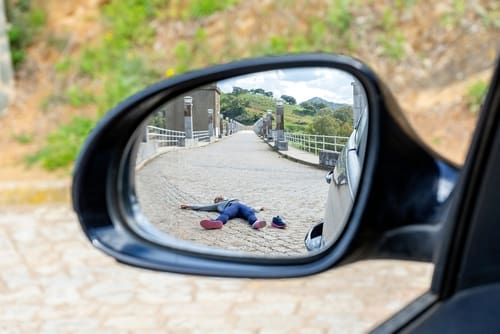
Houston’s streets claimed 99 pedestrian lives in 2025, a stark reminder that walking in this city carries life-threatening risks. If you or a loved one has been affected by a pedestrian crash in Houston, understanding your legal options and timing is critical. Texas law imposes strict filing deadlines, evidence disappears quickly, and insurance companies move fast to minimize payouts. Understanding your rights now can make a real difference in your claim’s outcome.
If your family has been affected by Houston pedestrian fatalities, Payne Law Firm is ready to help you understand your legal options. Call 713-223-5100 or reach out to our team today to discuss your case.
Why Houston Pedestrian Fatalities Continue to Rise
Houston consistently ranks among the most dangerous cities in the country for pedestrians, and 2025 was no exception. Wide, high-speed roadways, limited sidewalk coverage, and heavy traffic create conditions where deadly crashes happen far too often. Many of these Houston traffic deaths in 2025 occurred on arterial roads where speed limits exceed safe levels for areas with foot traffic.
Common causes include distracted driving, speeding, failure to yield at crosswalks, and driving under the influence. Each represents a driver’s failure to exercise the care that Texas law demands. When that failure results in death or serious injury, surviving family members have the right to pursue legal action.
💡 Pro Tip: If a pedestrian crash happened near your home or workplace, document the location immediately. Photograph road conditions, signage, crosswalk markings, and lighting. This evidence can deteriorate or change quickly.

What Texas Law Says About Pedestrian Safety
Texas has specific statutes governing both pedestrian conduct and driver responsibilities. Under Tex. Transp. Code § 552.006, pedestrians may not walk along a roadway if an adjacent sidewalk is provided and accessible. If no sidewalk exists, pedestrians shall walk on the left side facing oncoming traffic. However, a pedestrian’s location does not automatically eliminate a driver’s duty of care.
Drivers involved in accidents face clear legal obligations under Texas law. Under Tex. Transp. Code § 550.021 through § 550.023, vehicle operators involved in a crash resulting in injury or death must immediately stop, provide identification and insurance information, and render reasonable assistance. Under § 550.026, operators must immediately notify law enforcement by the quickest means of communication if the crash resulted in injury to or death of a person, or damage to a vehicle to the extent that it cannot be normally and safely driven. Tex. Transp. Code § 550.061, which previously required a written accident report by an operator when the crash was not investigated by law enforcement and resulted in injury, death, or property damage of $1,000 or more, was repealed effective September 1, 2017; the written collision report requirement now applies primarily to law enforcement officers under § 550.062. You can review additional pedestrian safety laws on the TxDOT website.
Obstructing a highway, street, or sidewalk is a Class B misdemeanor under Tex. Penal Code § 42.03, punishable by a maximum fine of $2,000, 180 days in jail, or both. This statute can become relevant when debris, construction, or other obstructions forced a pedestrian into an unsafe path.
💡 Pro Tip: Even if a pedestrian was jaywalking or crossing outside a marked crosswalk, Texas follows a modified comparative fault system. A claim may still be viable as long as the pedestrian’s responsibility does not exceed 50 percent.
How a Houston Pedestrian Accident Lawyer Proves Negligence
Every pedestrian injury or death claim hinges on proving four elements: duty of care, breach of duty, causation, and damages. The driver owed a duty to operate their vehicle safely. If they breached that duty and that breach directly caused the pedestrian’s injuries or death, the injured party or surviving family may recover damages.
Duty and Breach
All drivers on Texas roads owe a duty of care to pedestrians. This means operating at a safe speed, staying alert, yielding where required, and obeying traffic signals. Phone records, traffic camera footage, and witness statements can establish that the driver was not paying attention or was violating traffic laws.
Causation and Damages
Proving causation requires showing a direct link between the driver’s breach and the pedestrian’s injuries or death. Insurance companies may argue the pedestrian stepped into the road unexpectedly or that a pre-existing condition contributed to the harm. Damages include economic damages, such as lost financial support and medical bills, and non-economic damages, such as loss of companionship. In egregious cases involving reckless or intentional conduct, courts may also award punitive damages.
💡 Pro Tip: Request a copy of the official crash report as early as possible. This document contains the responding officer’s observations about fault, road conditions, and citations issued, all of which can strengthen your claim.
Wrongful Death and Survival Actions After a Pedestrian Crash
When a pedestrian dies because of a driver’s negligence, surviving family members can pursue a wrongful death claim, and the deceased person’s estate can file a separate survival action. These are two distinct legal paths, and families may pursue both.
Wrongful Death Claims
A wrongful death lawsuit compensates the family for their own losses resulting from the death. This may include lost financial support, loss of companionship, and mental anguish. In Texas, eligible claimants include the surviving spouse, children, and parents. A wrongful death lawsuit is a civil matter, entirely separate from any criminal proceedings. These civil actions use a preponderance of the evidence standard, compared to the beyond-a-reasonable-doubt standard in criminal cases. This means a civil lawsuit can succeed even if criminal charges fail or are never filed.
Survival Actions
A survival action is brought by the estate to recover damages the deceased person suffered before death. These may include pain and suffering experienced between the crash and death, medical expenses incurred during that period, and lost wages.
| Claim Type | Who Files | What It Covers |
|---|---|---|
| Wrongful Death | Surviving family members (spouse, children, parents) | Family’s losses: lost financial support, companionship, mental anguish |
| Survival Action | Estate of the deceased | Deceased’s losses before death: pain, medical bills, lost wages |
💡 Pro Tip: If you lost a loved one in a pedestrian crash, keep detailed records of funeral expenses, counseling costs, and changes to household income. These documents become critical when calculating damages.
The Two-Year Deadline: Texas Statute of Limitations
In Texas, the statute of limitations for both personal injury and wrongful death claims is two years. Under Texas Civil Practice and Remedies Code § 16.003(a), personal injury claims must be filed within two years of the date of injury. Wrongful death claims carry the same two-year window under § 16.003(b), running from the date of death. If a lawsuit is not filed within this period, the claimant will likely lose the ability to pursue the claim in court. You can find more details about statutes of limitations in Texas through Texas Law Help.
While limited exceptions may exist, such as tolling for minors, courts interpret these exceptions narrowly. The safest approach is to consult an attorney well before the deadline to preserve every option available.
💡 Pro Tip: Do not wait for a criminal investigation to conclude before speaking with an attorney about your civil claim. The two-year clock runs regardless of pending criminal charges.
When to Contact a Pedestrian Accident Attorney Houston Families Trust
The best time to contact a Houston pedestrian accident lawyer is as soon as possible after the crash. Early legal involvement helps preserve surveillance footage, secure witness statements, and protect your claim from insurance tactics designed to reduce payouts. Families dealing with a pedestrian hit by car in Houston often face immediate pressure from insurance adjusters seeking recorded statements or quick settlements.
You should strongly consider contacting an attorney if:
- A loved one was killed or seriously injured in a pedestrian crash
- The at-fault driver’s insurance company has contacted you
- You are unsure who was at fault or whether you have a viable claim
- The crash involved a hit-and-run, commercial vehicle, or government-owned vehicle
- Medical bills and lost income are creating financial hardship
An experienced pedestrian accident law firm in Houston can investigate the crash, handle communications with insurers, and pursue full compensation. Early action ensures compliance with evidence preservation requirements and statutory deadlines. Visit our car accident resources to learn more.
Frequently Asked Questions
1. Can I file a wrongful death lawsuit even if the driver was not criminally charged?
Yes. A wrongful death lawsuit is a civil action that uses a lower standard of proof than a criminal case. Under the preponderance-of-the-evidence standard, a civil claim can succeed even if criminal charges were never filed or resulted in an acquittal.
2. How long do I have to file a pedestrian accident claim in Texas?
Under Texas Civil Practice and Remedies Code § 16.003(a) and (b), both personal injury and wrongful death claims generally carry a two-year statute of limitations. Missing this deadline may permanently bar your ability to recover compensation.
3. What damages can my family recover in a Houston pedestrian death case?
Families may pursue economic damages such as lost financial support and medical expenses, as well as non-economic damages including loss of companionship and mental anguish. The estate may also file a survival action to recover damages the deceased experienced before death. Punitive damages may be available in cases involving particularly reckless conduct.
4. What should I do immediately after a loved one is hit by a car in Houston?
Call 911, ensure medical attention is provided, and gather information at the scene, including driver details, witness contact information, and photos. Request a copy of the police report and avoid giving recorded statements to insurance companies before consulting with an attorney.
5. Does it matter if the pedestrian was partially at fault for the crash?
Texas applies a modified comparative fault rule. A pedestrian’s compensation may be reduced by their percentage of fault, but they can generally still recover damages as long as their share of responsibility does not exceed 50 percent.
Protecting Your Family After a Houston Pedestrian Crash
Houston’s pedestrian death toll in 2025 reflects a crisis that demands both community awareness and individual legal action. If your family has suffered because of a negligent driver, Texas law provides clear paths to pursue compensation through wrongful death claims, survival actions, or personal injury lawsuits. The key is acting within legal deadlines and building the strongest possible case. Check our guidance on navigating the claims process for additional resources.
Do not face the insurance companies alone. Payne Law Firm has a proven track record of advocating for pedestrian accident victims and their families across Houston. Call 713-223-5100 or contact us now for a confidential discussion about your case.