
Can Passengers Claim Punitive Damages in NC Rideshare Cases?
Yes, passengers injured in rideshare accidents in North Carolina may claim punitive damages under certain circumstances. Unlike compensatory damages that reimburse medical bills, lost wages, and pain, punitive damages serve a different purpose. Under North Carolina General Statutes Chapter 1D, punitive damages punish defendants for egregiously wrongful acts and deter similar future conduct. However, securing these damages in a Charlotte Uber Lyft injury claim requires meeting a higher legal standard than ordinary negligence.
If you were hurt as a passenger in a rideshare crash, Payne Law Firm can help you evaluate your options. Call 704-529-9000 or contact us today to discuss your claim.
What Are Punitive Damages in North Carolina Rideshare Cases?
Punitive damages are monetary awards that go beyond compensating victims for actual losses. Under N.C. Gen. Stat. § 1D-1, these damages punish defendants for egregiously wrongful acts and deter similar future conduct. If your Uber or Lyft driver caused a crash through particularly reckless behavior, you may be entitled to additional compensation beyond medical expenses and lost income.
The trier of fact must evaluate punitive damages separately from compensatory damages. Under § 1D-25(a), punitive damages are determined separately from compensation for other damages. Additionally, under § 1D-30, defendants may request bifurcated trials so compensatory damages are resolved before punitive damages are considered. Understanding the distinction between types of damages in injury cases is essential.

How Rideshare Accidents in North Carolina Create Grounds for Punitive Claims
Rideshare drivers face unique risks that can elevate ordinary accidents into situations involving reckless or willful misconduct. University of Illinois Chicago research found roughly one-third of rideshare drivers surveyed reported crashes while working. The study identified that cellphone use, fatigue, or unfamiliar roads increased crash likelihood. These factors, combined with pressure to complete rides quickly, can push driver behavior into territory supporting punitive damages claims.
Passengers also face dangers from unpredictable vehicle conditions. Unruly or intoxicated passengers create distractions contributing to dangerous driving. When rideshare drivers ignore these hazards or compound them with reckless choices, injured passengers may have grounds for rideshare crash punitive damages beyond standard compensation.
Reckless Driving Behaviors That May Support Punitive Claims
Certain driver behaviors cross from negligence into conduct North Carolina courts may consider willful or wanton. Examples include:
- Driving under the influence of alcohol or drugs
- Excessive speeding through residential or school zones
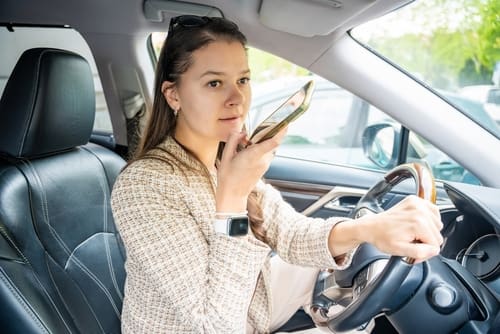
- Texting or using a cellphone while carrying passengers
- Operating the vehicle for extended hours despite severe fatigue
- Ignoring known vehicle safety defects or maintenance issues
💡 Pro Tip: Document everything immediately after a rideshare accident. Screenshots of trip details, driver name and rating, and pickup/drop-off times help establish the driver’s working status and behavior.
Proving Punitive Damages Against a Rideshare Driver in NC
The Clear and Convincing Evidence Standard
North Carolina sets a high bar for punitive damage claims. Under N.C. Gen. Stat. § 1D-15(a)-(b), claimants must first prove defendant liability for compensatory damages. Beyond that, claimants must demonstrate at least one aggravating factor, fraud, malice, or willful or wanton conduct, related to the injury. This aggravating factor must be proven by clear and convincing evidence, a more demanding standard than preponderance of evidence used in standard negligence claims.
Willful or Wanton Conduct Under North Carolina Law
North Carolina law defines willful or wanton conduct with precision. Under § 1D-5(7), this means the conscious and intentional disregard of and indifference to the rights and safety of others, which the defendant knows or should know is reasonably likely to result in injury, damage, or other harm. The statute clarifies that willful or wanton conduct means more than gross negligence. A driver who fails to check a mirror may be negligent, while a driver who knowingly speeds through a red light while intoxicated could meet the willful or wanton threshold.
💡 Pro Tip: If you suspect impairment, request law enforcement conduct sobriety testing. A DUI finding can significantly strengthen punitive damages claims and may remove the damages cap.
How Aggravating Factors Apply to Rideshare Crashes
Not every rideshare accident qualifies for punitive damages. Courts closely examine specific circumstances. Fraud, malice, or willful or wanton conduct each have distinct legal meanings. Rideshare cases involving punitive damages most commonly center on willful or wanton conduct, such as drivers operating vehicles despite extreme fatigue or impairment.
💡 Pro Tip: Rideshare companies maintain detailed driver activity records, including hours logged, routes taken, and trip frequency. Your attorney can request these through discovery to demonstrate fatigue or reckless scheduling patterns.
NC Punitive Damage Caps and the Critical DUI Exception
North Carolina places a statutory cap on punitive damages, but a key exception exists for impaired driving. Under N.C. Gen. Stat. § 1D-25(b), punitive damages generally cannot exceed three times compensatory damages or $250,000, whichever is greater. However, under § 1D-26, this cap does not apply when the defendant’s actions would give rise to a driving while impaired offense. For passengers injured by intoxicated rideshare drivers, this exception can substantially increase potential recovery.
| Punitive Damages Factor | Standard Rideshare Case | DUI Rideshare Case |
|---|---|---|
| Aggravating conduct required | Fraud, malice, or willful/wanton conduct | Fraud, malice, or willful/wanton conduct (DWI typically qualifies) |
| Burden of proof | Clear and convincing evidence | Clear and convincing evidence |
| Damages cap | 3x compensatory or $250,000 (whichever is greater) | No statutory cap applies |
| Trier of fact knowledge of cap | Cap must not be made known to trier of fact | Not applicable |
An important procedural safeguard protects injured claimants during trial. Under § 1D-25(c), the statutory cap must not be made known to the trier of fact through voir dire, evidence introduction, argument, or jury instructions. This ensures the trier of fact focuses on conduct severity rather than working backward from a predetermined limit.
Contributory Negligence and North Carolina Rideshare Passenger Rights
North Carolina follows pure contributory negligence, which can completely bar injured plaintiffs from recovery. If any plaintiff negligence proximately contributed to the injury, the plaintiff is completely barred from recovery. For rideshare passengers pursuing Uber Lyft reckless driving damages in NC, if defense attorneys argue you contributed to your injuries, your entire claim could be at risk.
However, an important exception exists under the willful or wanton conduct exception. A contributorily negligent plaintiff may still recover if the defendant’s conduct was willful or wanton. This exception could apply where drivers engaged in particularly egregious behavior, such as drunk driving or extreme speeding. Because the same willful or wanton standard applies to both this exception and punitive damages, these claims often overlap meaningfully.
💡 Pro Tip: As a rideshare passenger, wearing your seatbelt and avoiding behavior that could be characterized as distracting or encouraging reckless driving helps protect against contributory negligence defenses.
Can You Hold Uber or Lyft Directly Liable for Punitive Damages?
Holding rideshare companies directly liable for punitive damages is challenging but not impossible. N.C. Gen. Stat. § 1D-15(c) states that punitive damages cannot be imposed solely through vicarious liability. For corporations like Uber or Lyft to face punitive damages, claimants must show the company’s officers, directors, or managers participated in or condoned the conduct constituting the aggravating factor.
Insurance coverage gaps further complicate claims. The North Carolina Department of Insurance confirmed that personal auto insurance policies do not cover drivers or vehicles while being used for rideshare services, including any time drivers are logged into the platform. Injured passengers may need to pursue claims against the rideshare company’s commercial insurance policy, making it critical to establish the driver’s platform connection at the accident time.
Why You Need a Rideshare Accident Attorney in Charlotte
Rideshare injury claims involve complexity beyond typical car accident cases. From identifying correct insurance policies to navigating North Carolina’s contributory negligence rule and meeting heightened evidentiary standards for punitive damages, these cases demand thorough preparation. A Charlotte rideshare accident lawyer who understands state tort law, insurance regulations, and rideshare platform policies can help preserve critical evidence and pursue full compensation.
Every rideshare accident involves time-sensitive evidence that can disappear quickly. App data, GPS logs, driver activity records, and trip histories are controlled by rideshare companies and may be overwritten or deleted without prompt action. An experienced attorney can issue preservation letters and subpoenas to secure this information.
💡 Pro Tip: North Carolina has strict deadlines for filing personal injury claims. Speaking with an attorney soon after your accident helps ensure you do not lose the right to pursue your claim.
Frequently Asked Questions
1. What must I prove to recover punitive damages in an NC rideshare accident?
You must first establish defendant liability for compensatory damages. Then prove at least one aggravating factor, fraud, malice, or willful or wanton conduct, related to the injury by clear and convincing evidence under N.C. Gen. Stat. § 1D-15.
2. Is there a cap on punitive damages in North Carolina rideshare cases?
Generally, yes. Punitive damages are capped at three times compensatory damages or $250,000, whichever is greater. However, this cap does not apply when the defendant was driving while impaired under § 1D-26.
3. Can I still recover damages if I was partially at fault as a rideshare passenger?
North Carolina follows pure contributory negligence, which can bar recovery entirely if your negligence proximately contributed to your injury. However, the willful or wanton conduct exception may allow recovery if the rideshare driver’s conduct was willful or wanton.
4. Can Uber or Lyft be held liable for punitive damages in North Carolina?
Punitive damages cannot be imposed on rideshare companies solely through vicarious liability. You must demonstrate that corporate officers, directors, or managers participated in or condoned the conduct constituting the aggravating factor under § 1D-15(c).
5. Does personal auto insurance cover injuries from a rideshare accident in NC?
The North Carolina Department of Insurance confirmed that personal auto insurance policies do not cover vehicles or drivers while being used for rideshare services, including any period the driver is logged into a transportation network platform.
Protecting Your Right to Full Compensation After a Charlotte Rideshare Crash
Punitive damages in NC rideshare cases are not guaranteed, but they remain a powerful legal tool for passengers injured by reckless or impaired drivers. North Carolina law provides a structured framework for when these damages apply, how they are calculated, and what exceptions exist. Understanding your rights is the first step toward holding responsible parties accountable.
If you or a loved one suffered injuries in a rideshare accident, the team at Payne Law Firm is ready to help you evaluate your claim. Call 704-529-9000 or reach out online to schedule a consultation and learn what your case may be worth.